


Secondary sourcePainting
Philippus dictus Audax Dux Burgundiae
Jan van Eyck
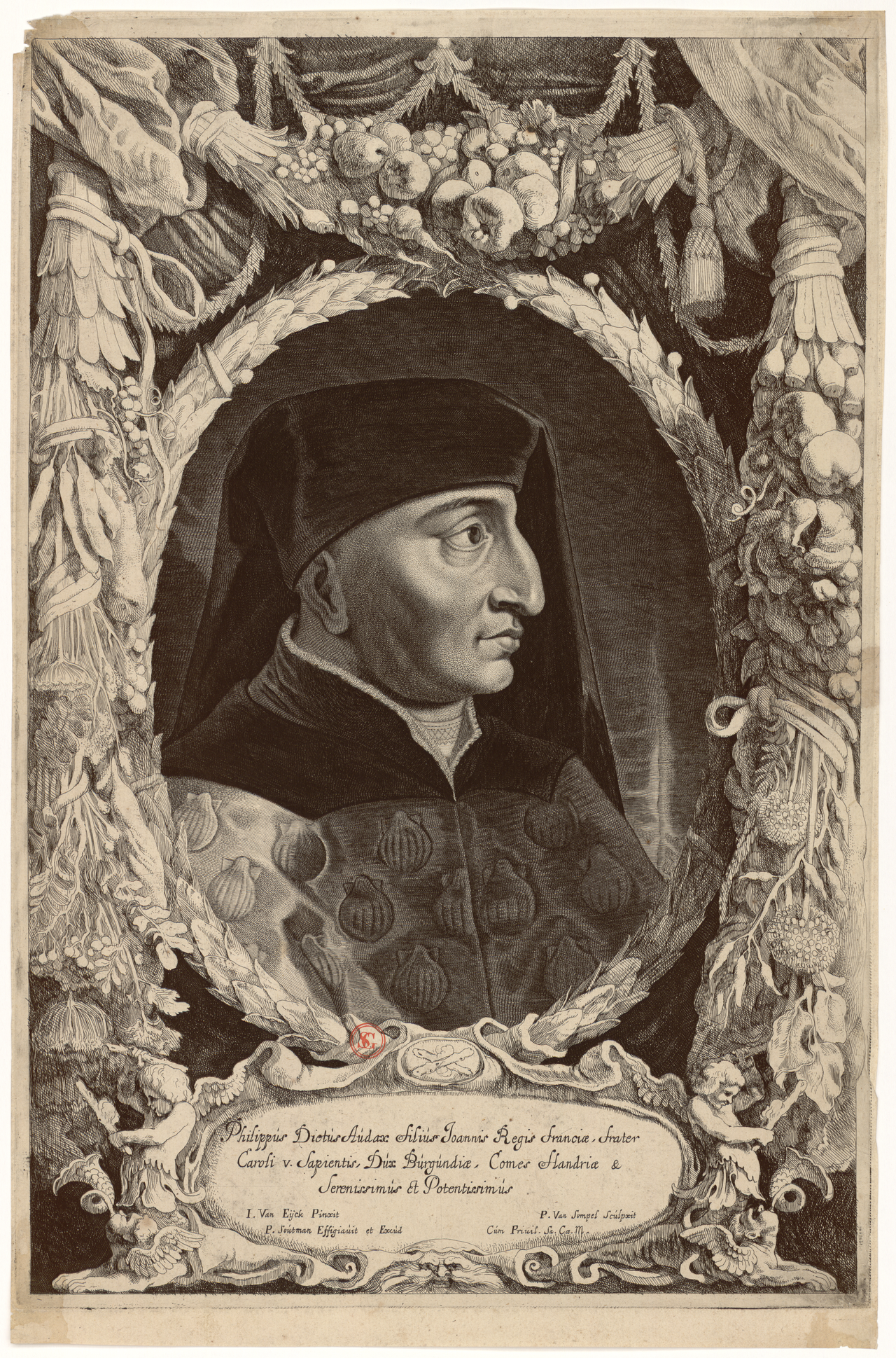
A 17th-century engraving of a Burgundian duke credited to a design by Jan van Eyck, reflecting his historical role as a court portraitist.
This later engraving preserves, through copying, a portrait tradition attributed to Van Eyck as painter to the Burgundian dukes.
About this source
What it is
This engraving, inscribed as being 'painted' by I. Van Eyck and engraved later by other artists, shows a profile portrait of a Burgundian duke within an ornate oval frame. It is held by the Sainte-Geneviève Library.
Why it matters
Jan van Eyck worked for the Burgundian court, and this print reflects the tradition that he painted portraits of its rulers. The original painting this print may be based on has since been lost, so the engraving is one of the few surviving traces of that work.
Look closer
- What symbols of rank and power surround the duke in the frame?
- Why might later engravers have wanted to copy a lost Van Eyck portrait?
- What does the loss of the original tell us about how fragile historical artworks can be?
This painting is part of the curated material that grounds the AI version of Jan van Eyck on Humy.ai — when students ask about related events, the AI can quote it and cite it.
More Jan van Eyck sources
Browse all 82 →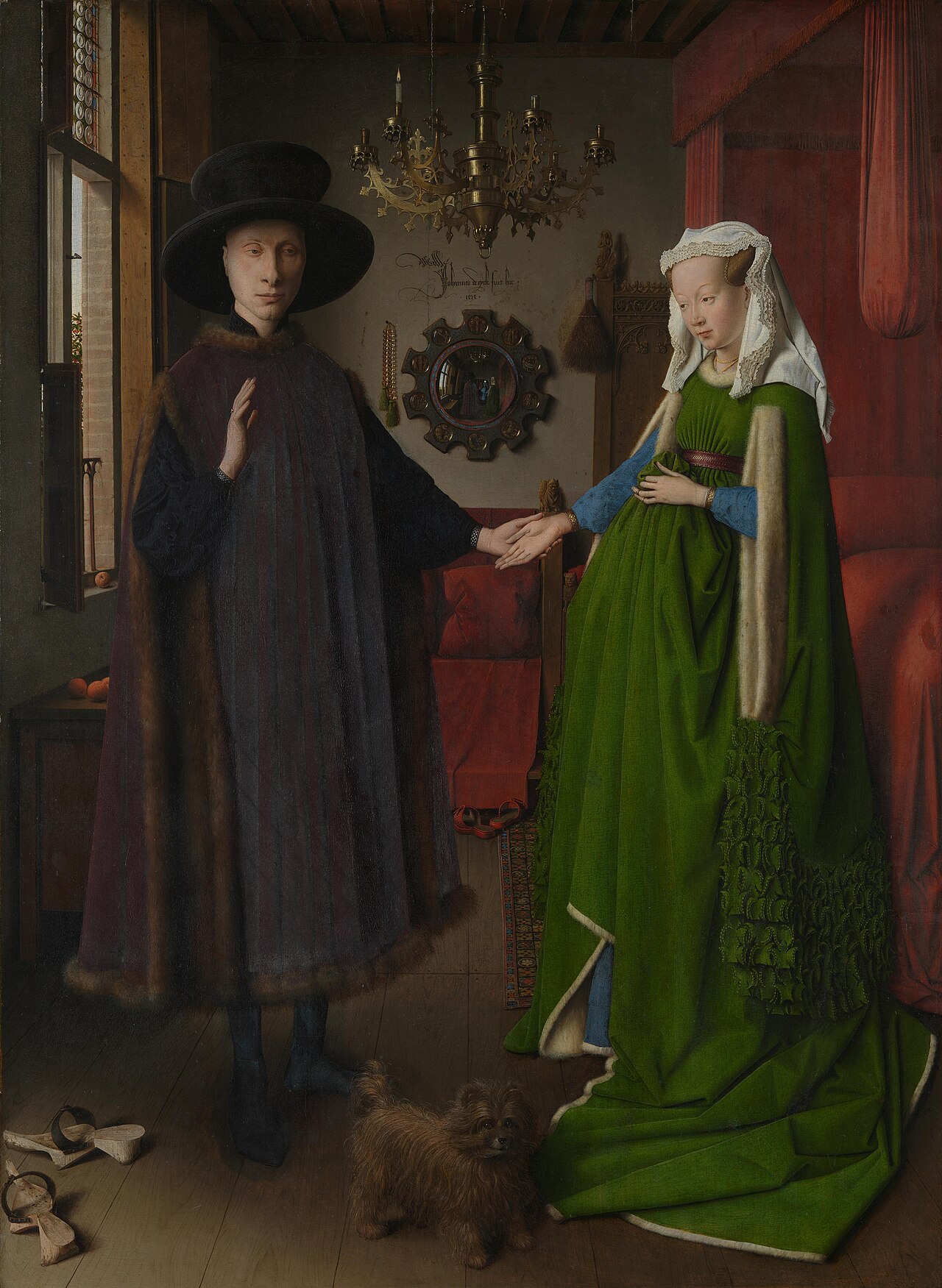 Painting
Primary source
Arnolfini Portrait
Jan van Eyck · 1434
 Painting
Secondary source
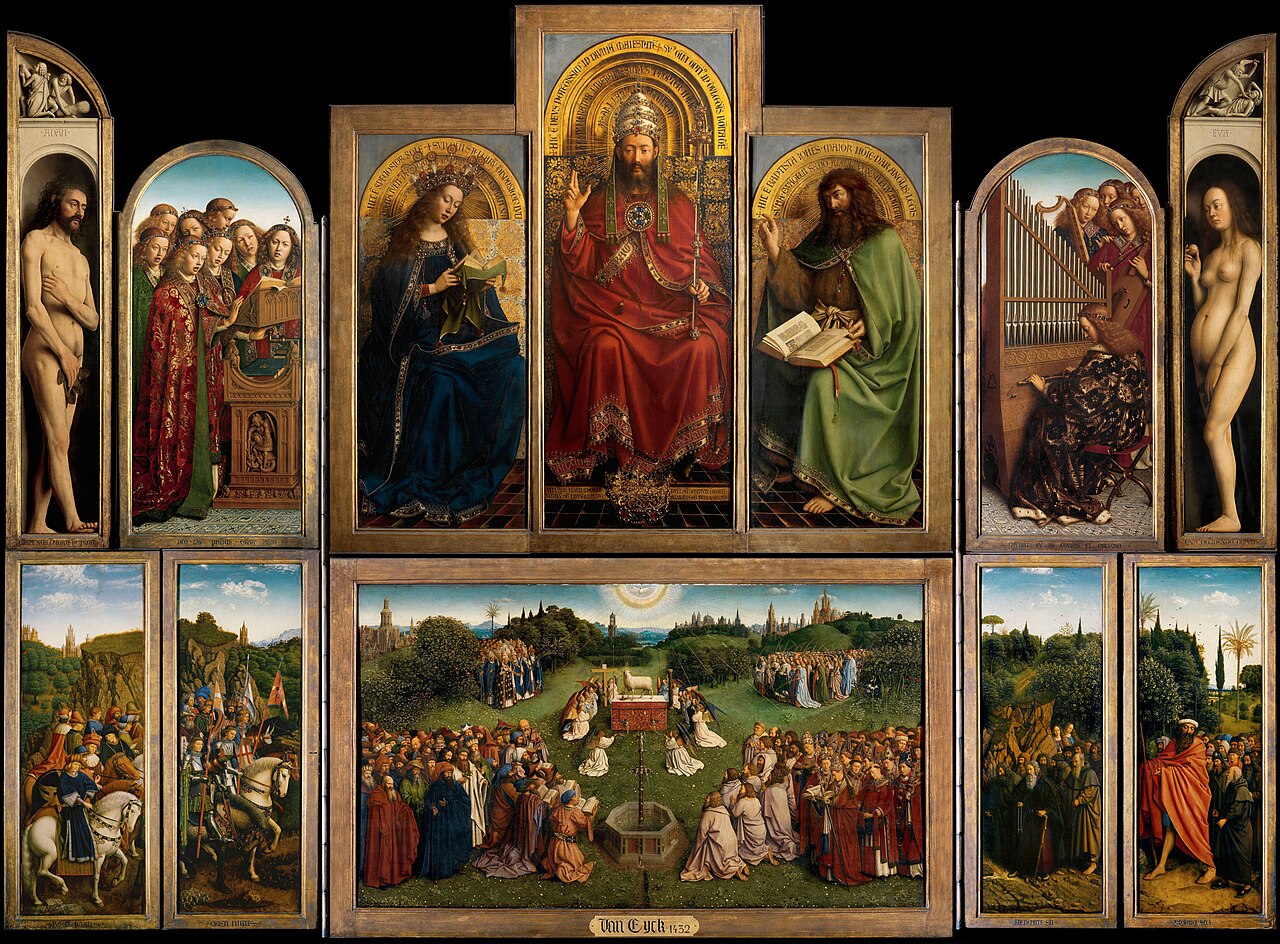
Ghent Altarpiece
Jan van Eyck and Hubert van Eyck · 1432
 Painting
Primary source
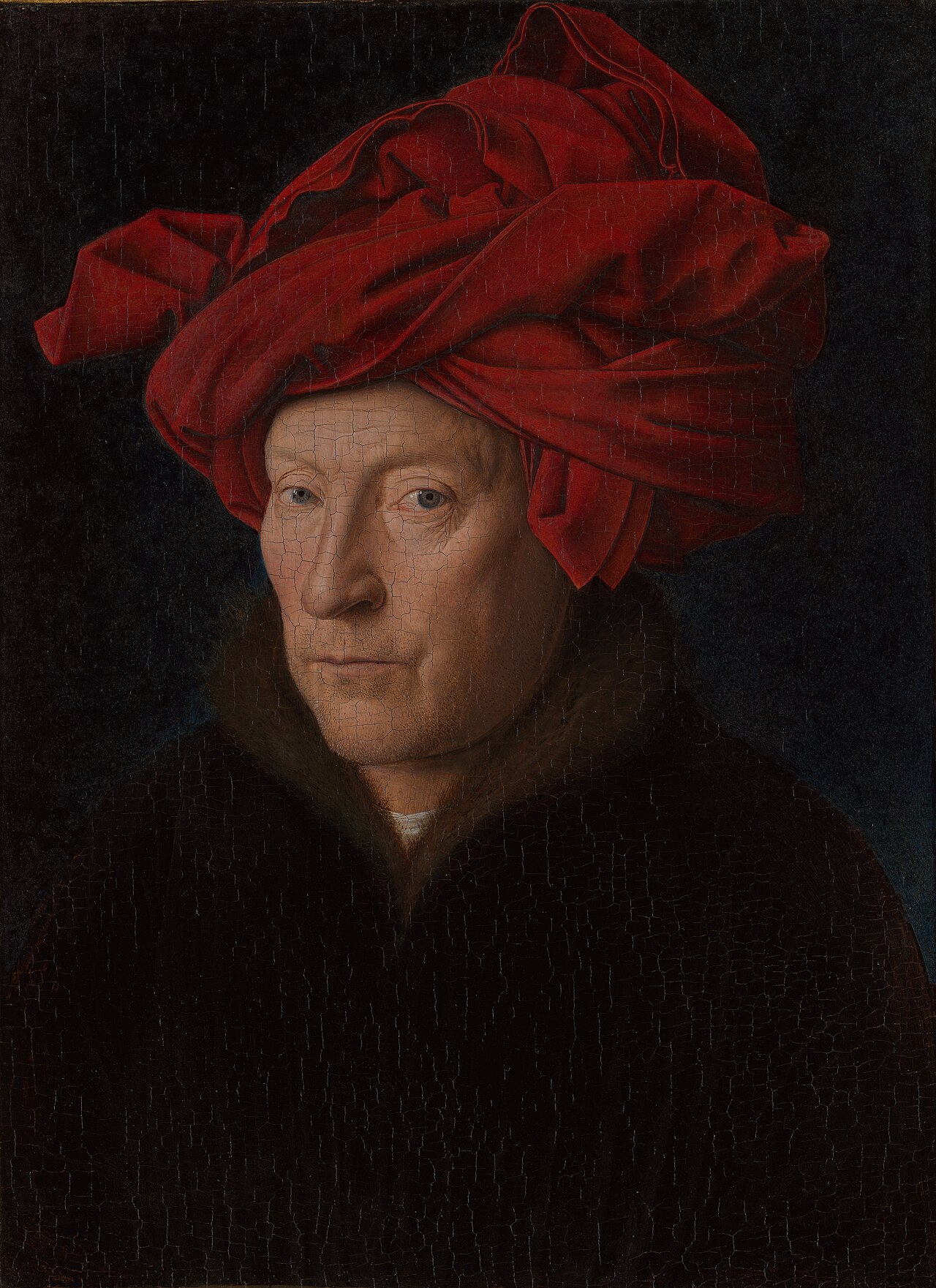
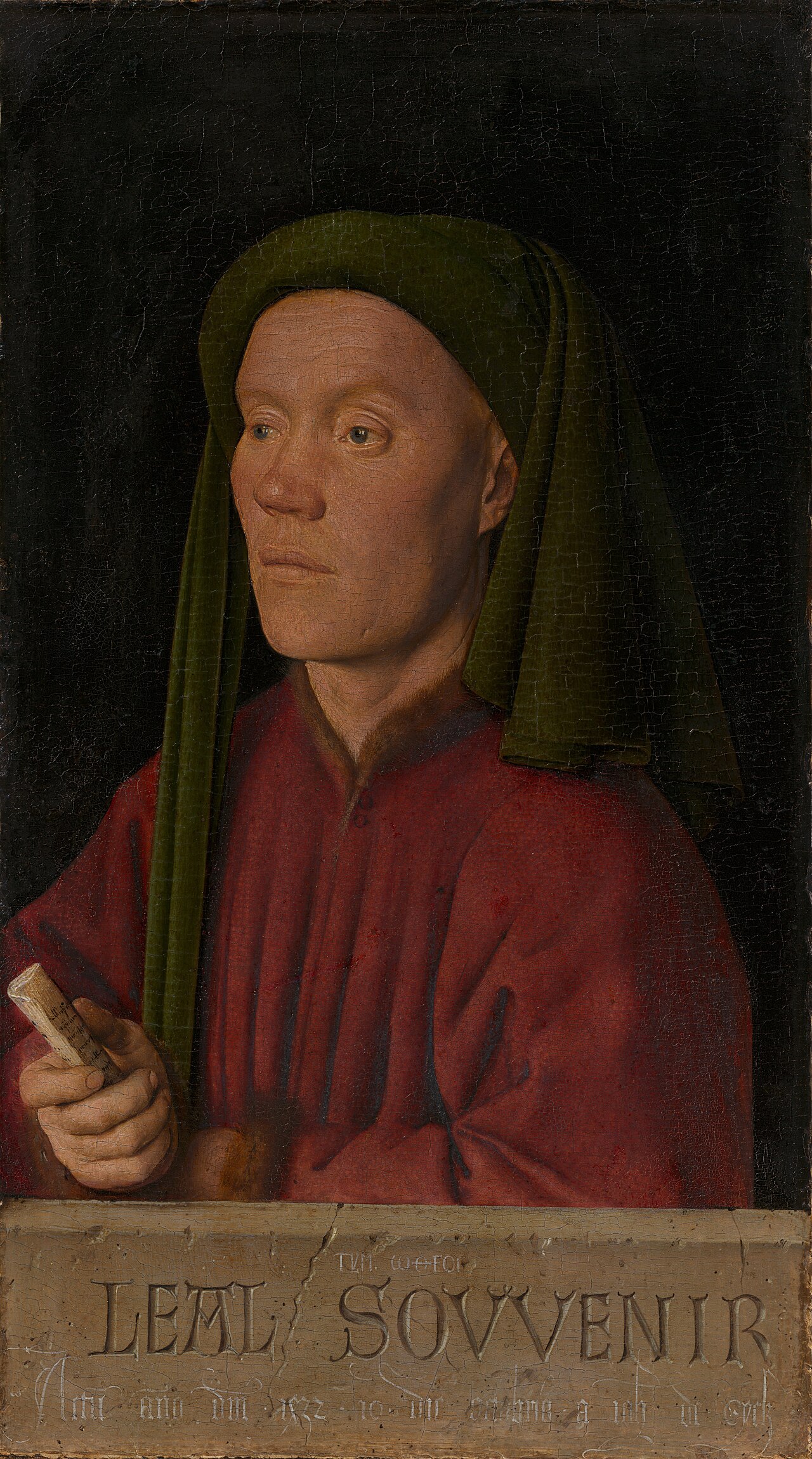
Portrait of a Man (Self Portrait?)
Jan van Eyck · 1433
 Painting
Secondary source
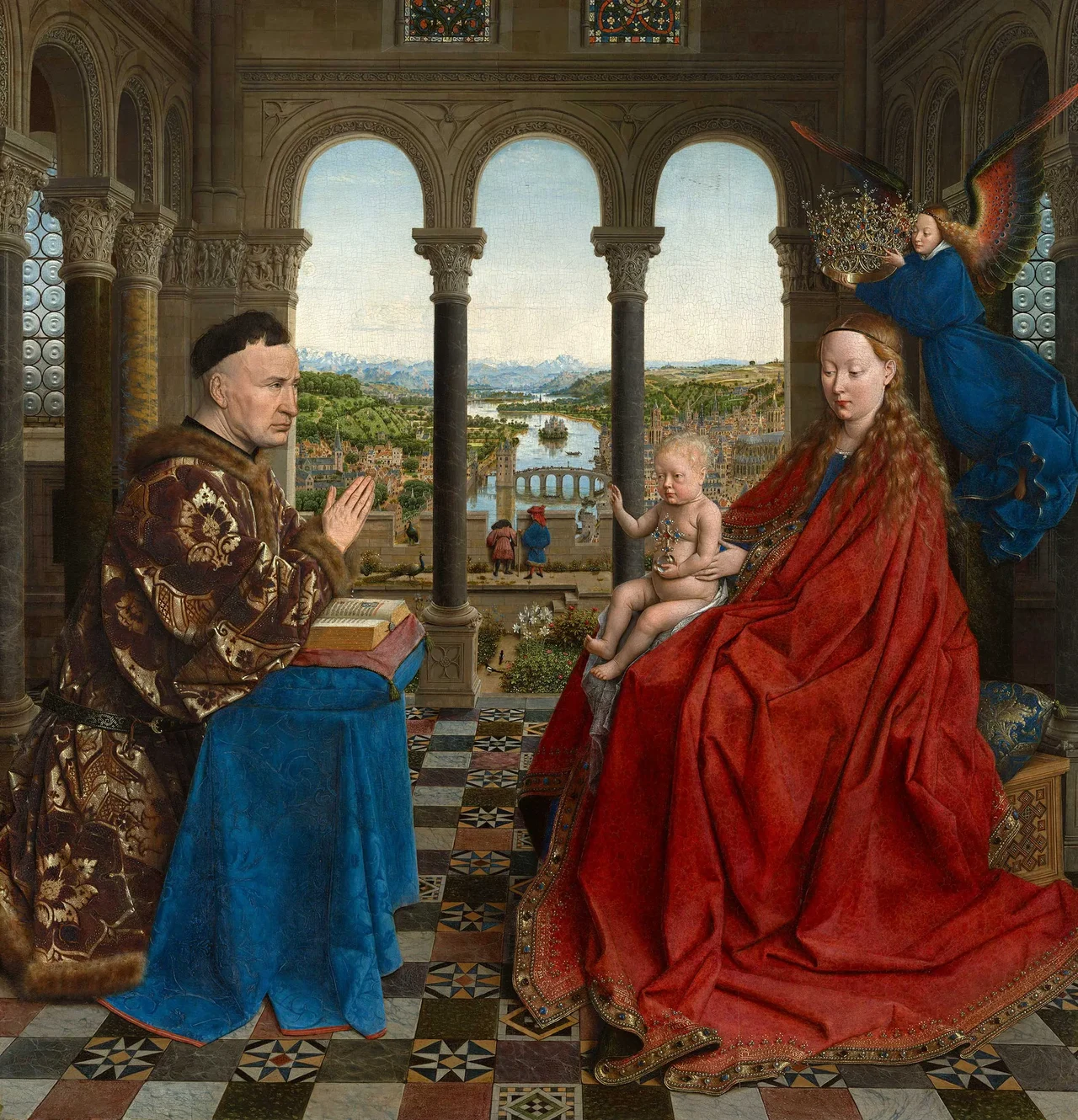
Madonna of Chancellor Rolin
Jan van Eyck · c. 1435
Free account
Read every Jan van Eyck source
Sign up free →
Ready when you are
Start chatting with Jan van Eyck now.
20 messages free · No credit card · Available in 50+ languages.