


Primary sourcePhotograph1923 (depicting earlier work)
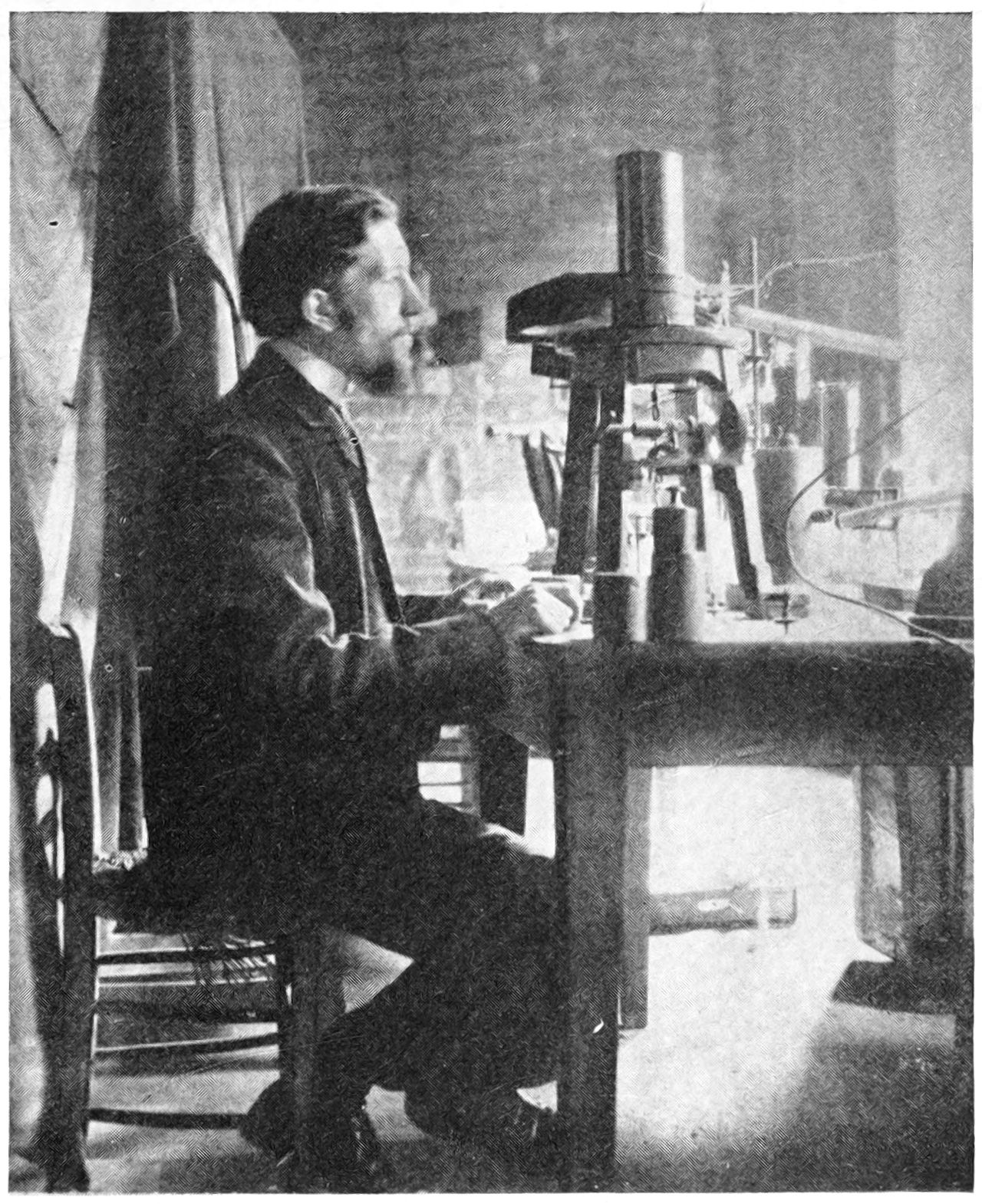
Pierre Curie with quartz piezo-electroscope
Marie Curie · 1923 (depicting earlier work)
A photograph of Pierre Curie with the piezoelectric instrument he invented to measure radium's rays, from Marie Curie's 1923 biography.
Marie Curie included this image in her biography to show Pierre's invention, which was central to their joint research on radioactivity.
About this source
What it is
This black-and-white photograph shows a bearded man seated at a laboratory table, facing an apparatus with cylindrical parts and tubes. The caption identifies him as Pierre Curie with the quartz piezo-electroscope he invented, used to measure the rays given off by radium. It appeared in Marie Curie's 1923 book.
Why it matters
Pierre Curie's piezoelectric instrument was essential to detecting and measuring radioactivity, work he carried out alongside Marie Curie. This image, selected by Marie for her own account, highlights the technical ingenuity behind their shared scientific achievements.
Look closer
- What does the instrument's complexity suggest about the precision needed to study invisible rays?
- Why might Marie Curie have wanted to highlight Pierre's role as an inventor in this biography?
- What does this image not tell you about how the instrument actually worked or what results it produced?
This photograph is part of the curated material that grounds the AI version of Marie Curie on Humy.ai — when students ask about related events, the AI can quote it and cite it.
More Marie Curie sources
Meet the AI Marie Curie →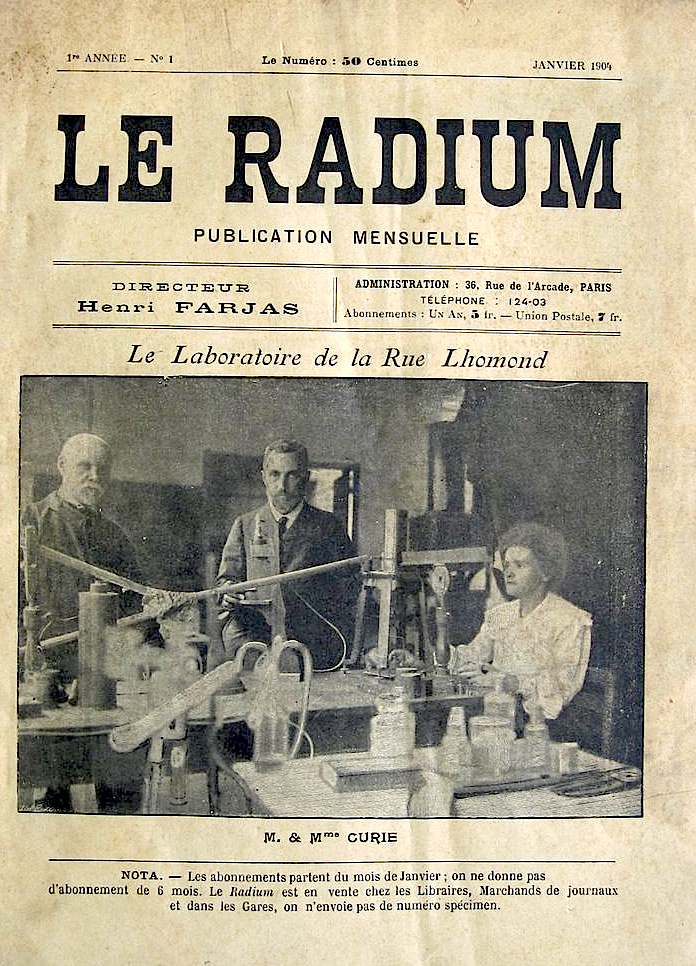 Photograph
Primary source
Photograph of Pierre and Marie Curie in their Laboratory, rue Lhomond
c. 1898-1904
 Book
Primary source
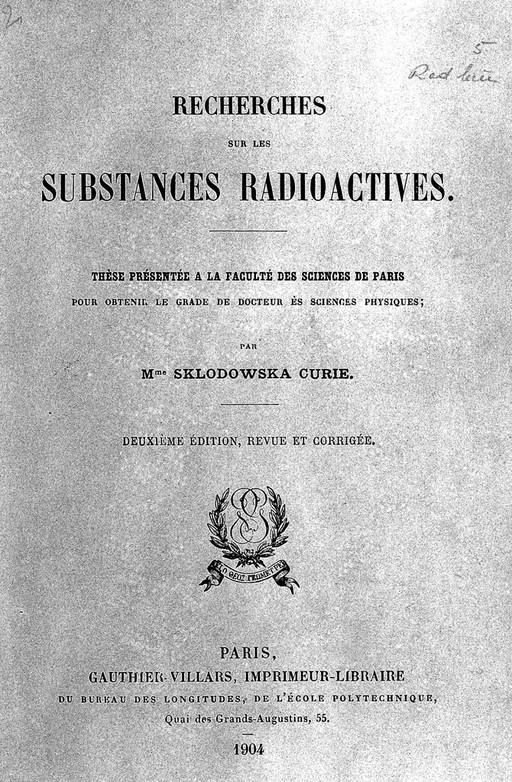
Recherches sur les substances radioactives
Marie Curie · 1904
Primary source
Rayons émis par les composés de l'uranium et du thorium
Marie Curie · 12 April 1898
 Artifact
Primary source
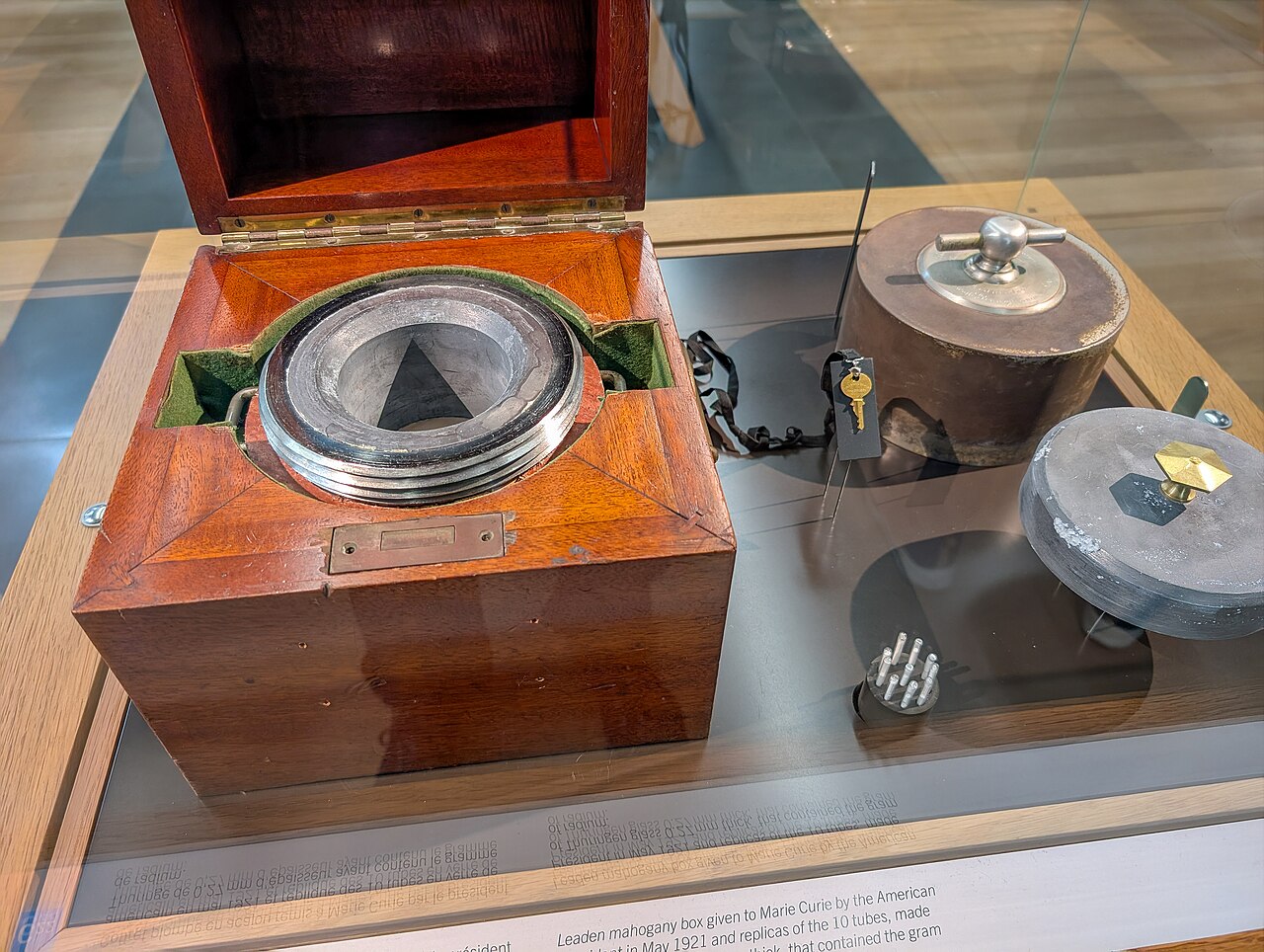
International Radium Standard
Marie Curie · 1911
 Artifact
Primary source
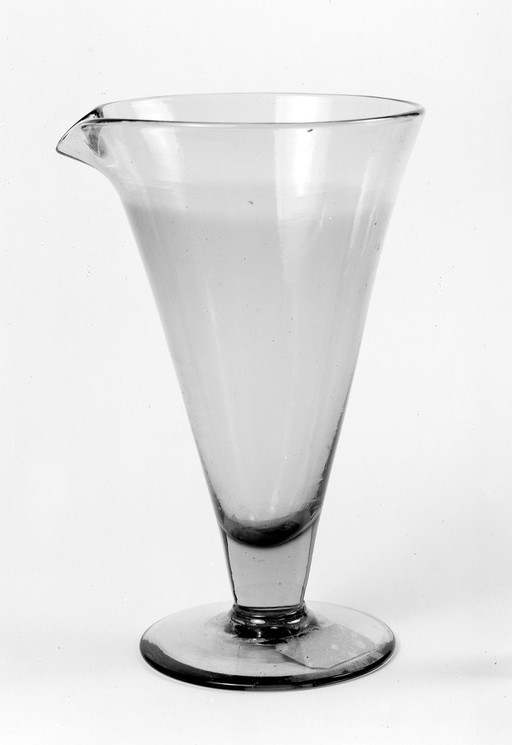
Glass beaker used for the first radium salt solution
Ready when you are
Start chatting with Marie Curie now.
20 messages free · No credit card · Available in 50+ languages.