


Secondary sourceSculpture1498-1499
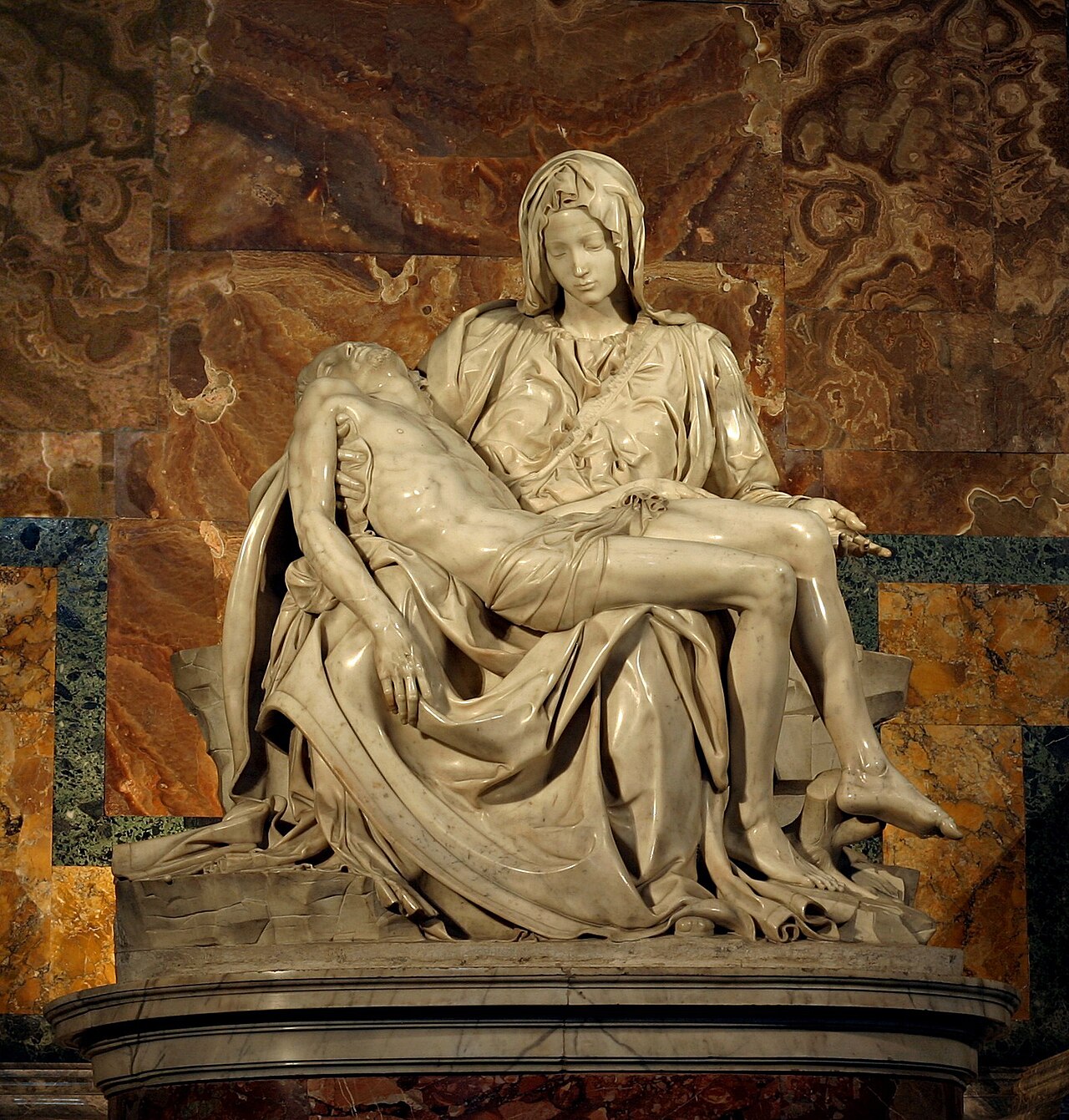
Pietà
Michelangelo · 1498-1499
Michelangelo's marble sculpture of Mary cradling the dead body of Jesus after the Crucifixion.
The sculpture depicts Jesus's dead body after the Crucifixion, held by his mother Mary, as the central image of Christian mourning.
About this source
What it is
The Pietà is a marble sculpture carved by Michelangelo around 1498–1499, showing the Virgin Mary holding the body of her son Jesus after he was taken down from the cross. It was commissioned by Cardinal Jean Bilhères de Lagraulas for his funeral chapel and now stands in St. Peter's Basilica, Vatican City. It is the only sculpture Michelangelo ever signed.
Why it matters
The work is considered a defining achievement of Renaissance sculpture, combining realistic detail with idealized classical beauty. Michelangelo's choice to depict Mary as youthful, rather than aged, has long puzzled and fascinated scholars, and the sculpture shaped how later artists portrayed grief and the Passion of Christ.
- Why might Michelangelo have chosen to show Mary as young rather than as a woman in her late forties?
- What do the small, restrained wounds on Christ's body suggest about what the sculptor wanted viewers to focus on?
- Why do you think this became one of the most copied and admired artworks in history?
This sculpture is part of the curated material that grounds the AI version of Jesus Christ and Michelangelo Buonarroti on Humy.ai — when students ask about related events, the AI can quote it and cite it.
More Jesus Christ sources
Meet the AI Jesus Christ →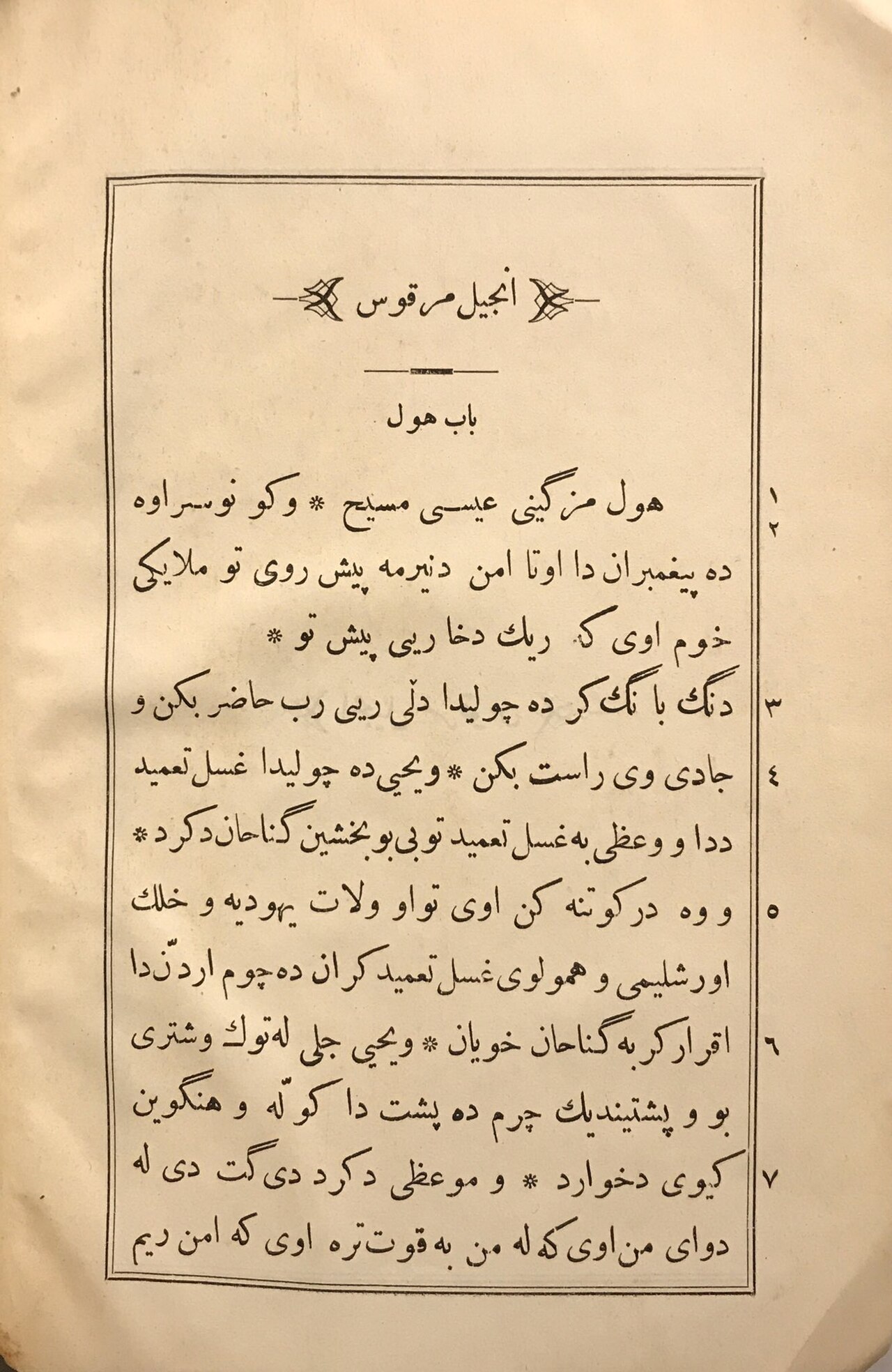 Book
Secondary source
Gospel of Mark
Mark the Evangelist · c. AD 66-75
 Artifact
Secondary source
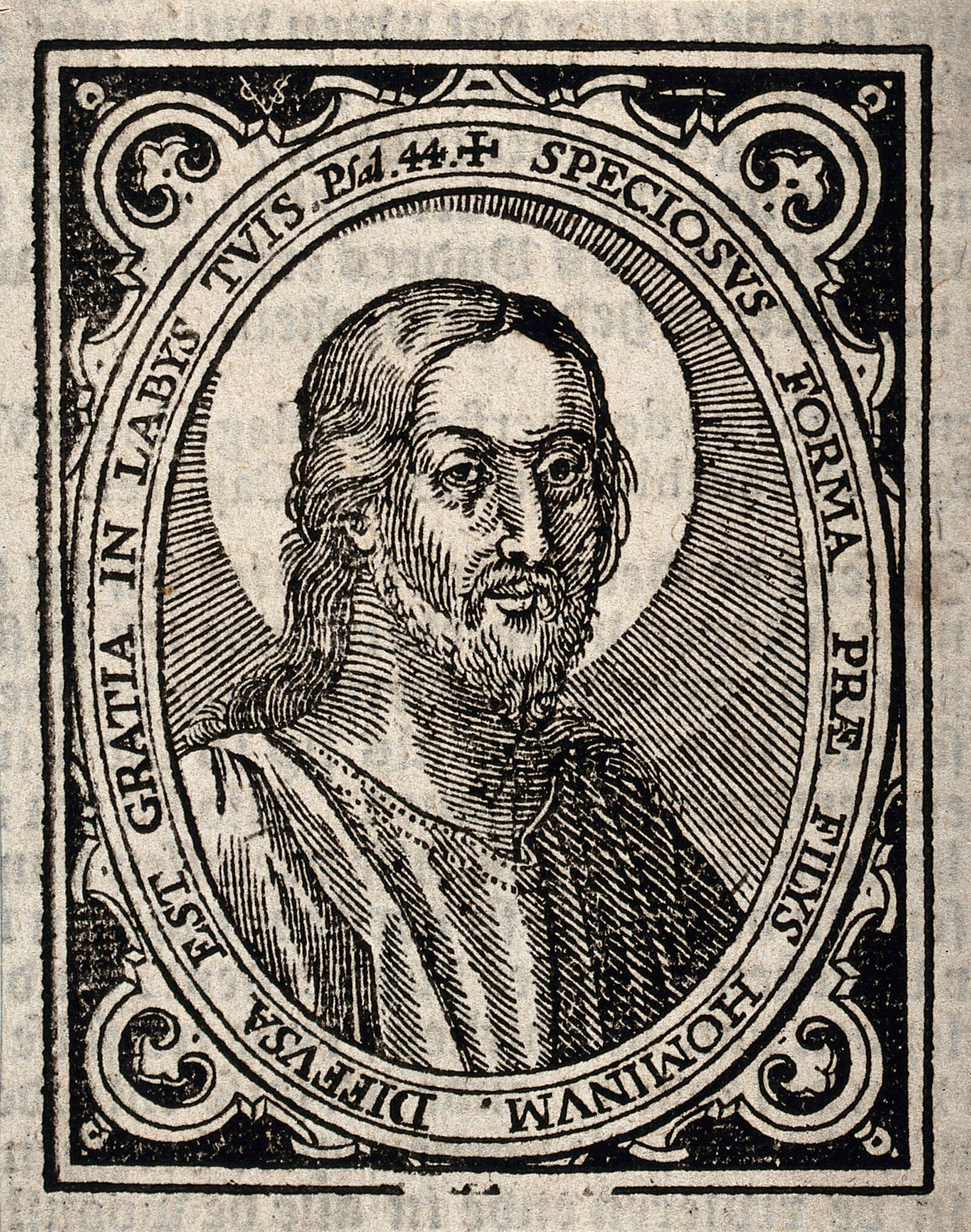
Jesus Christ, woodcut by Christoffel van Sichem III
Christoffel van Sichem III · c. 1645
 Book
Secondary source
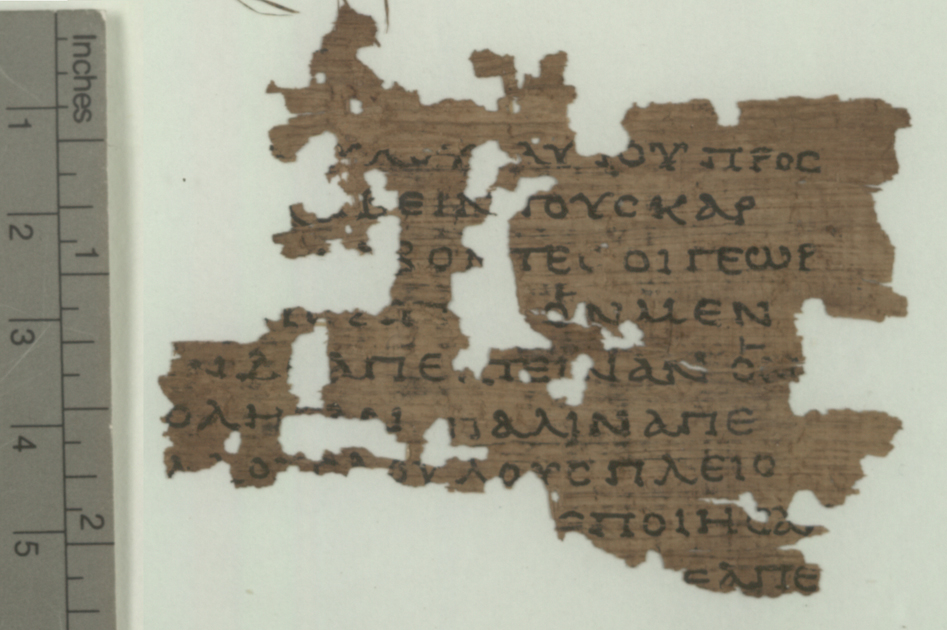
Gospel of Matthew
Matthew the Apostle · late 1st century AD
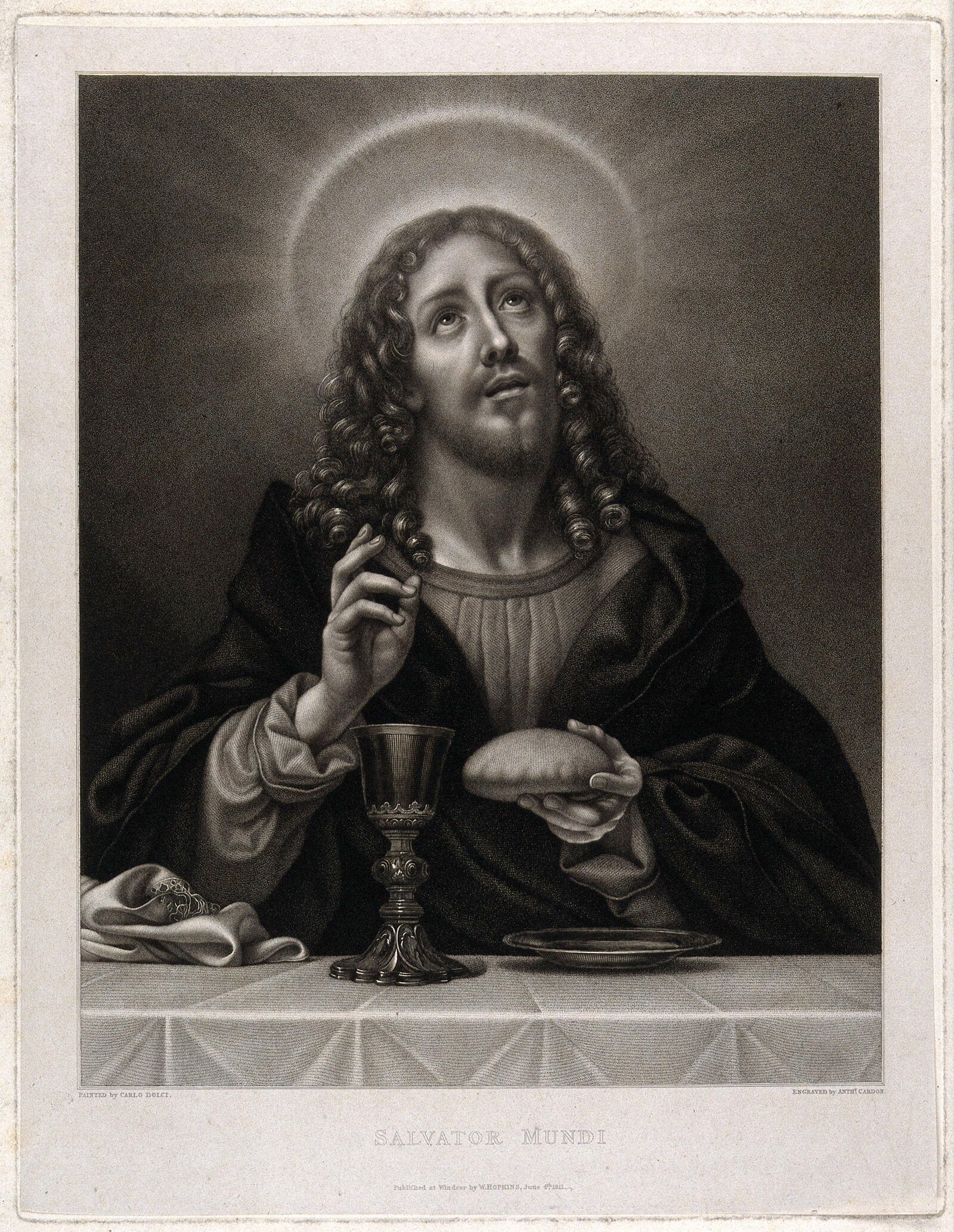 Painting
Secondary source
Jesus Christ blessing the Host
Carlo Dolci (painting); Anth. Cardon (engraving) · 4 June 1811
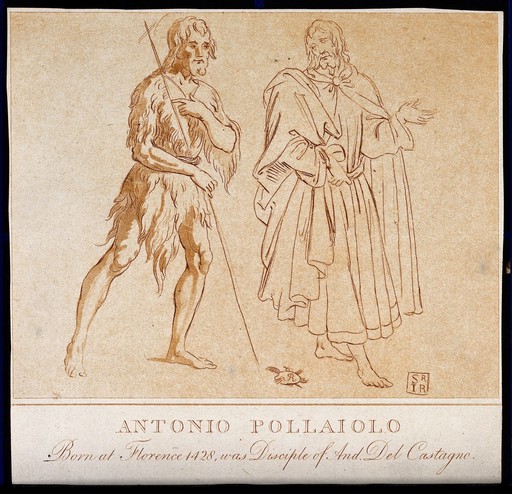 Painting
Secondary source
John the Baptist Meets Jesus Christ
Antonio Pollaiuolo
Ready when you are
Start chatting with Jesus Christ now.
20 messages free · No credit card · Available in 50+ languages.