


Secondary sourcePaintingc. 1455
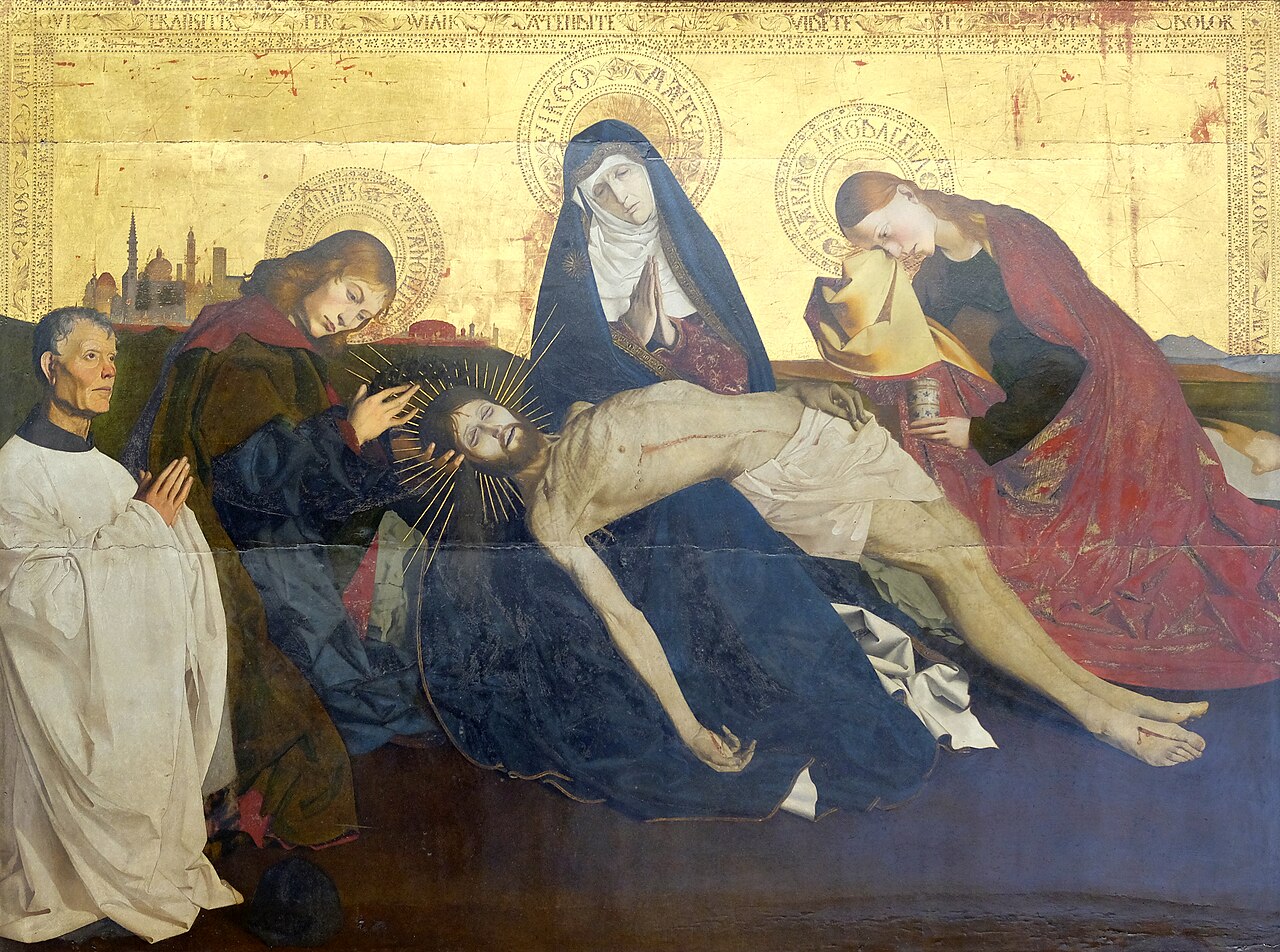
Pietà of Villeneuve-lès-Avignon
Enguerrand Quarton · c. 1455
A mid-15th-century masterpiece showing John gently lifting Christ's crown of thorns beside the grieving Virgin Mary.
John is shown lifting Christ's crown of thorns, a gesture emphasizing his closeness to Christ at the Pietà.
About this source
What it is
This oil painting, attributed to Enguerrand Quarton, was made in the mid-15th century and is now in the Louvre. It shows the dead Christ supported by his mother, with a kneeling clerical donor, John the Evangelist, and Mary Magdalene around them, set against a gold background with a distant city.
Why it matters
Considered one of the great masterpieces of late medieval French art, the painting is notable for its restrained, dignified treatment of grief rather than overt emotional display. John's gesture near Christ's head and his gentle handling of the crown of thorns reflect his traditional closeness to Christ. The unidentified donor shows how patrons placed themselves within sacred scenes.
Look closer
- How does the artist show sorrow without dramatic gestures or expressions?
- Why might the donor have asked to be painted into this scene?
- What might the distant city in the background represent, and why include it?
This painting is part of the curated material that grounds the AI version of John the Apostle and Mary Magdalene on Humy.ai — when students ask about related events, the AI can quote it and cite it.
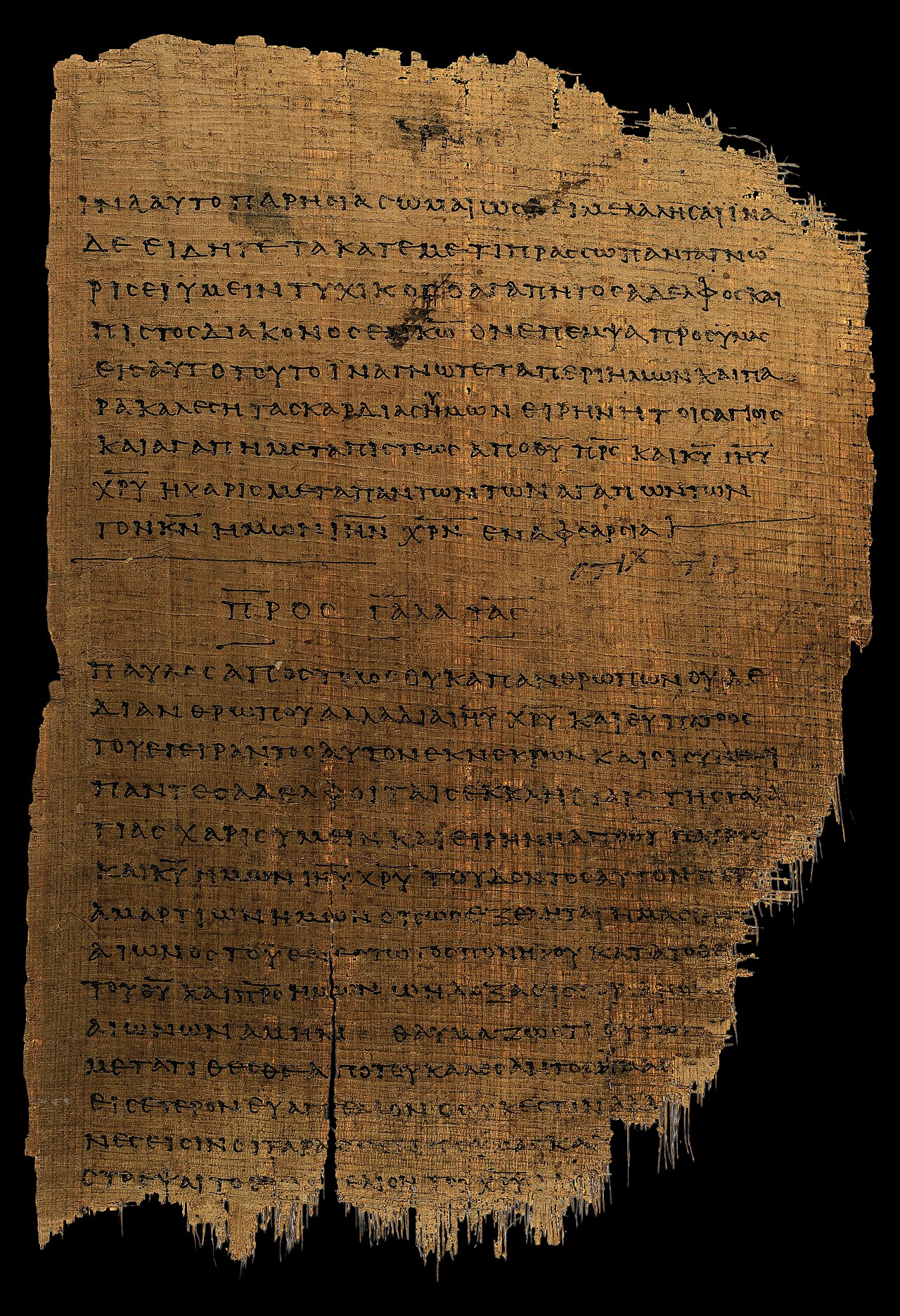
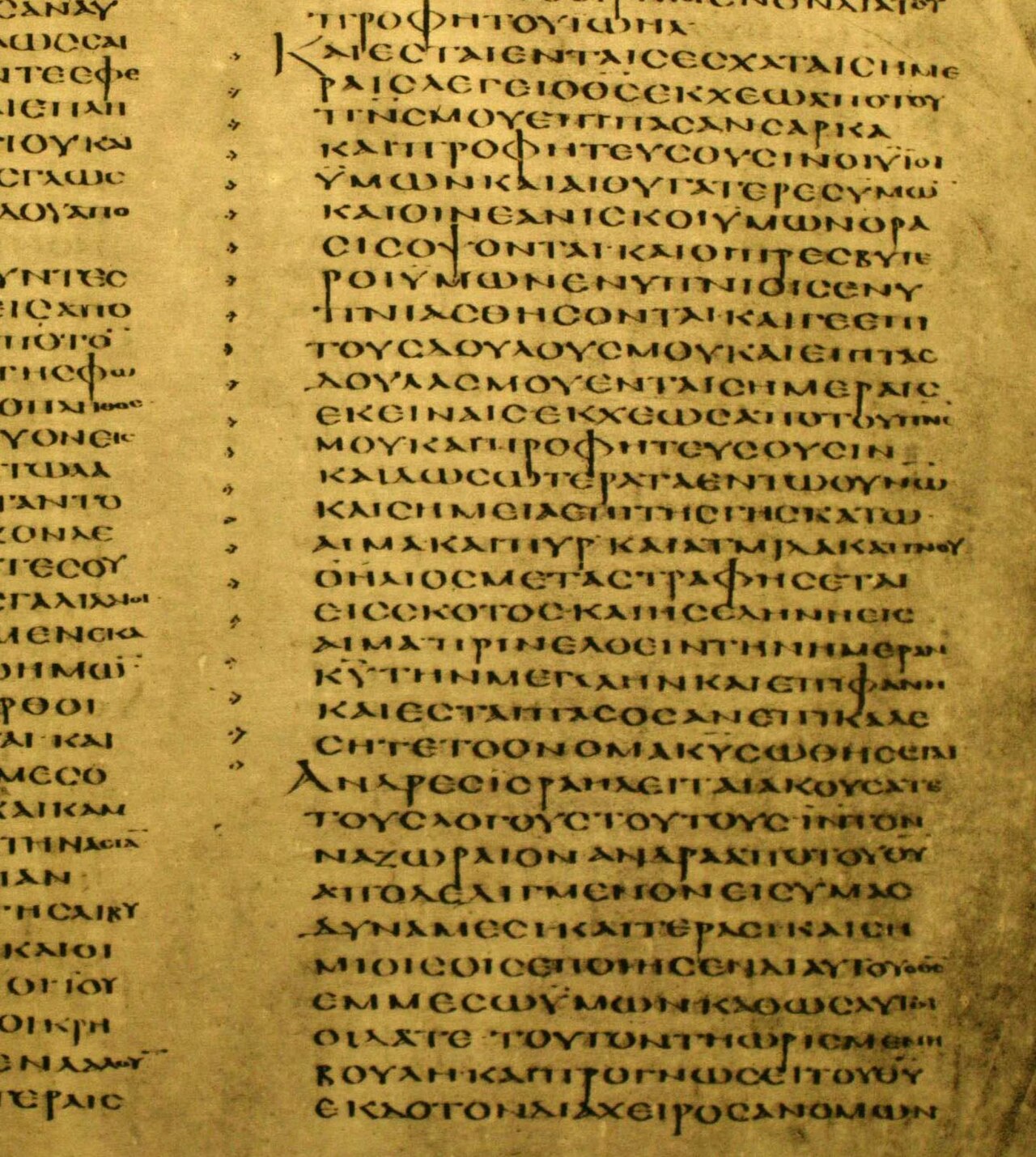
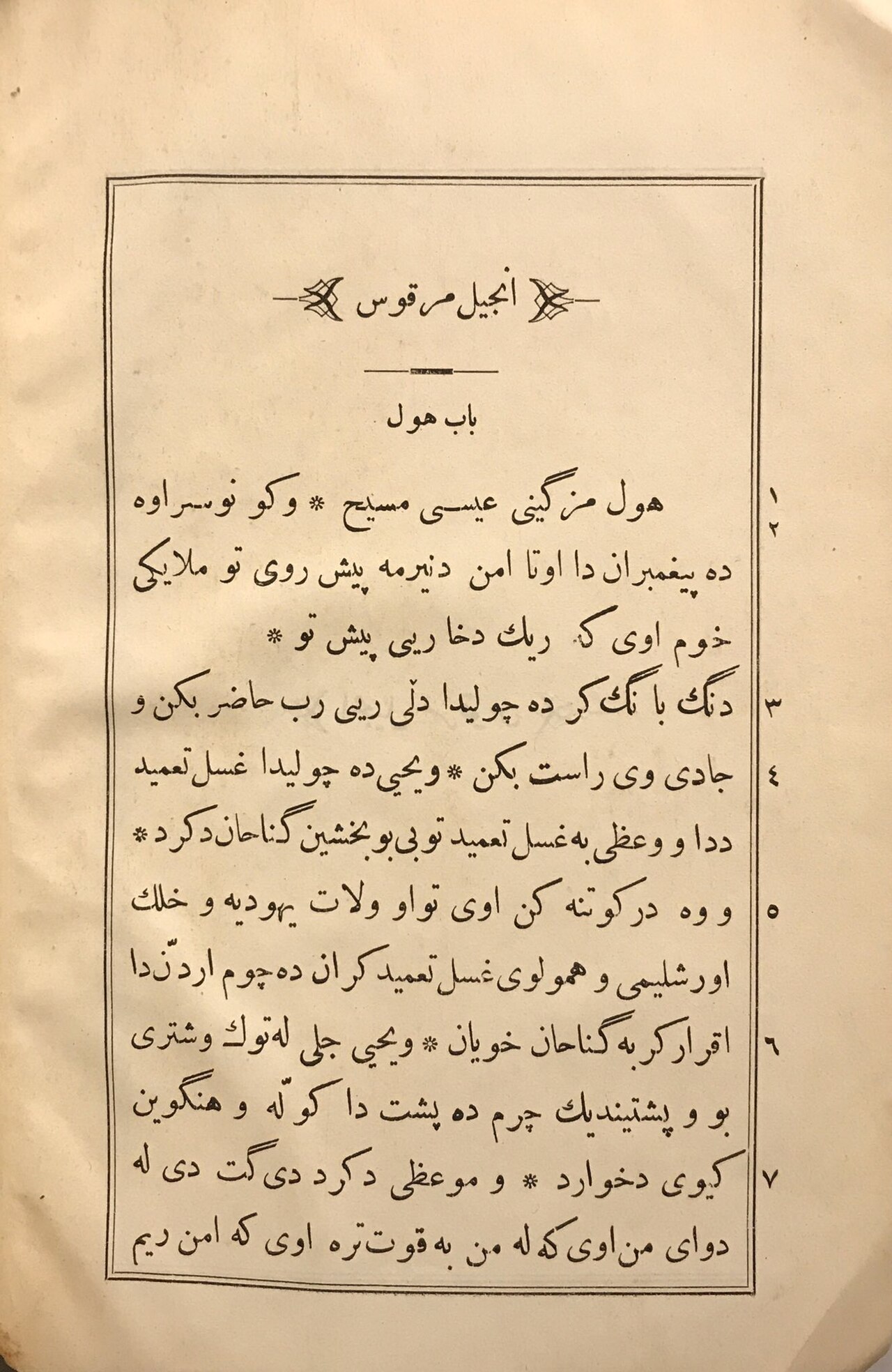
More John the Apostle sources
Browse all 87 →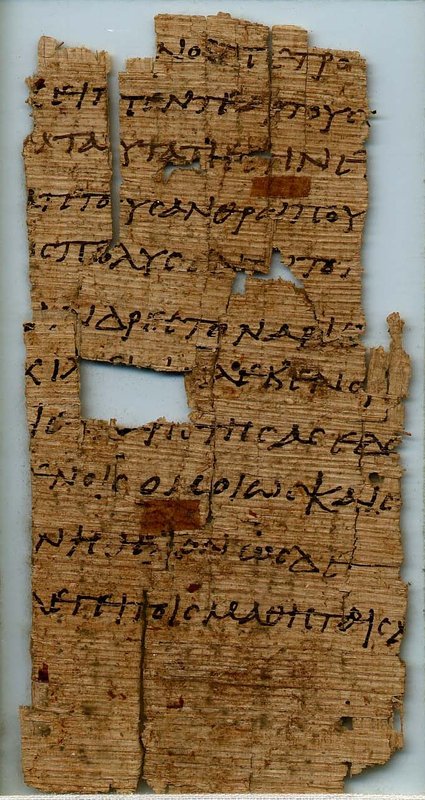 Book
Secondary source
Gospel of John
John the Evangelist · c. AD 90-100
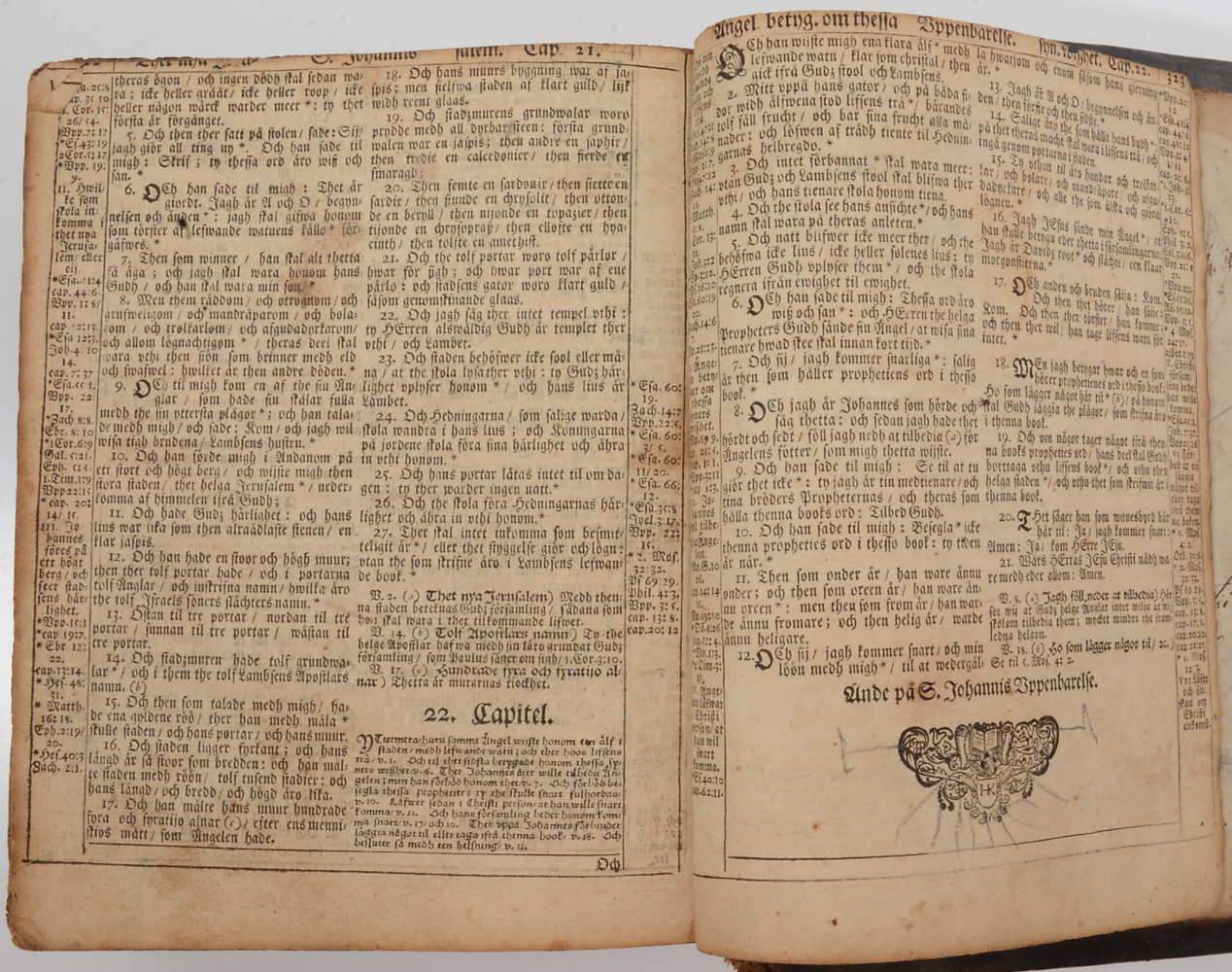 Book
Primary source
Book of Revelation
John of Patmos · c. 95 AD
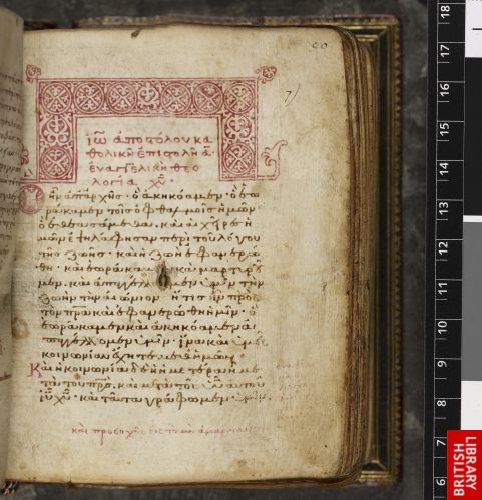 Letter
Secondary source
First Epistle of John
John the Presbyter · c. 95-110 AD
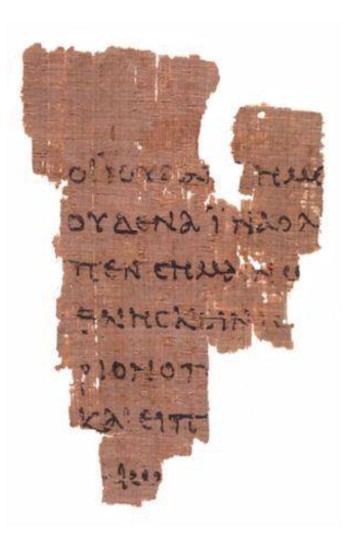 Document
Secondary source
Rylands Library Papyrus P52
c. 125-175 AD
Free account
Read every John the Apostle source
Sign up free →
Ready when you are
Start chatting with John the Apostle now.
20 messages free · No credit card · Available in 50+ languages.