


Secondary sourceDocumentc. 125-175 AD
Rylands Library Papyrus P52
c. 125-175 AD
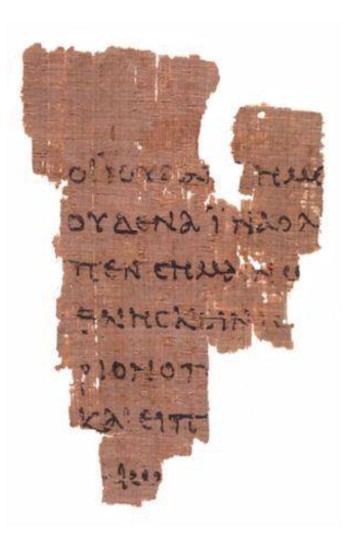
A small fragment of papyrus bearing part of the Gospel of John, often cited as the earliest surviving manuscript piece of any gospel about Jesus.
This fragment preserves part of the Gospel account of Jesus's trial before Pilate, among the earliest physical evidence of any gospel text.
About this source
What it is
This credit-card-sized scrap of papyrus, kept at the John Rylands Library in Manchester, carries parts of the Gospel of John chapter 18, describing Jesus's trial before Pilate. It was bought on the Egyptian market in 1920 and later published by scholars who dated its handwriting to the 2nd century, though the exact date is debated, with some proposing later dates.
Why it matters
If the early dating is correct, this fragment is the oldest surviving piece of any New Testament manuscript, written only decades after the Gospel of John is thought to have been composed. It shows how quickly accounts of Jesus's trial and death were being copied and circulated, and how fragile and incomplete our physical evidence for the Gospels really is.
Look closer
- Why is dating a handwriting style on a torn fragment so difficult?
- What does it mean that scholars still disagree about this fragment's age?
- How might holding such a small, damaged piece change how we think about history?
This document is part of the curated material that grounds the AI version of Jesus Christ on Humy.ai — when students ask about related events, the AI can quote it and cite it.
More Jesus Christ sources
Meet the AI Jesus Christ →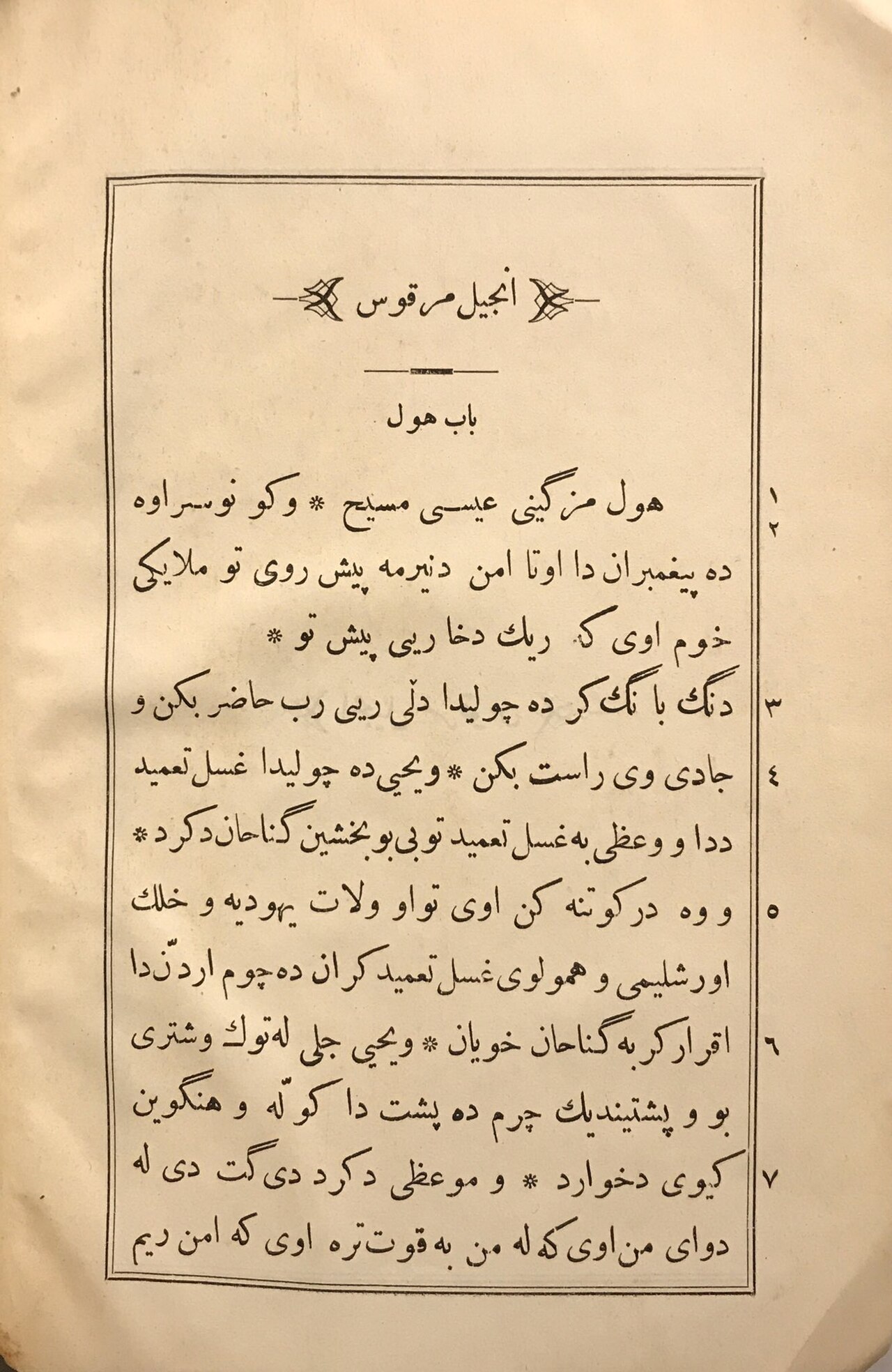 Book
Secondary source
Gospel of Mark
Mark the Evangelist · c. AD 66-75
 Artifact
Secondary source
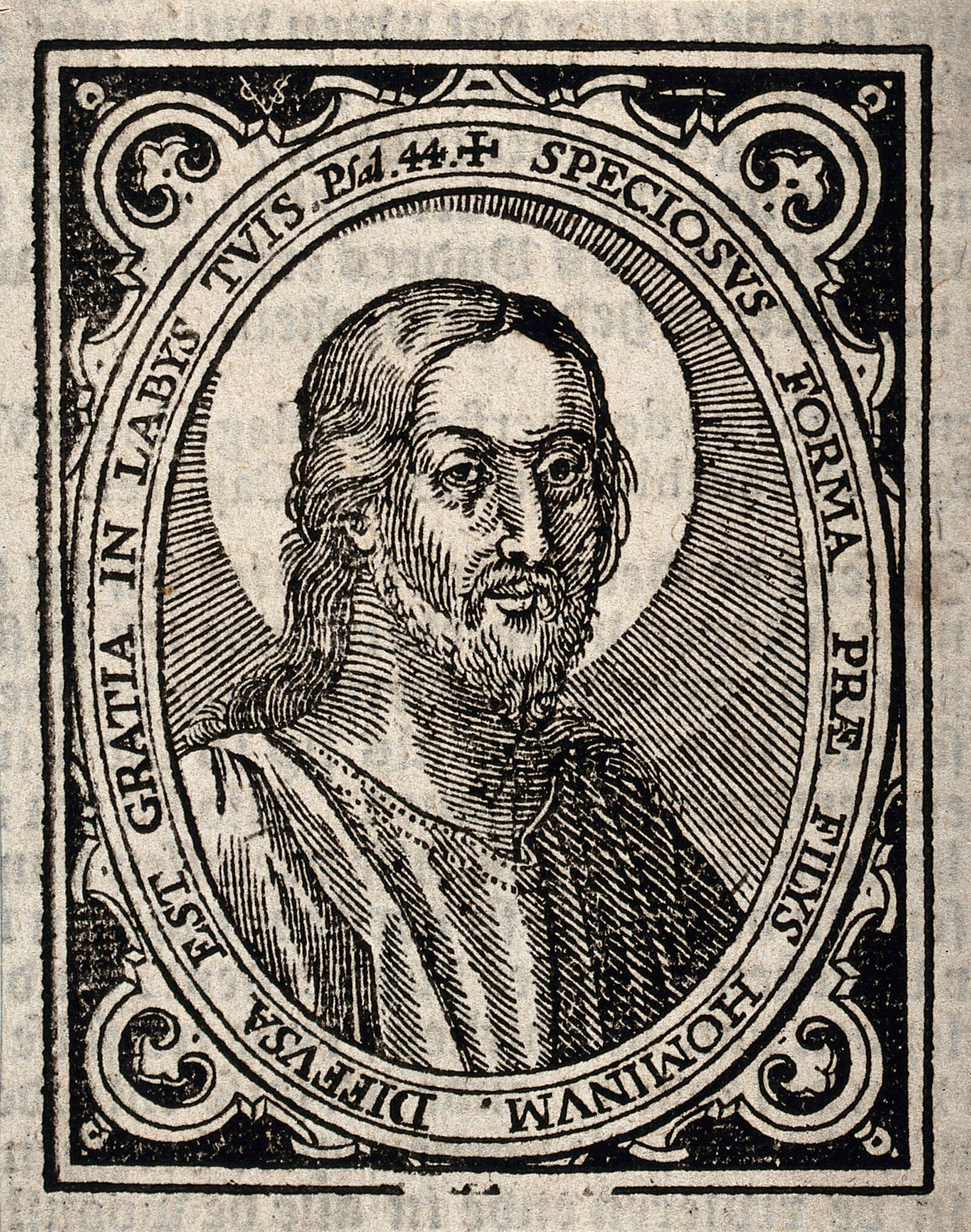
Jesus Christ, woodcut by Christoffel van Sichem III
Christoffel van Sichem III · c. 1645
 Book
Secondary source
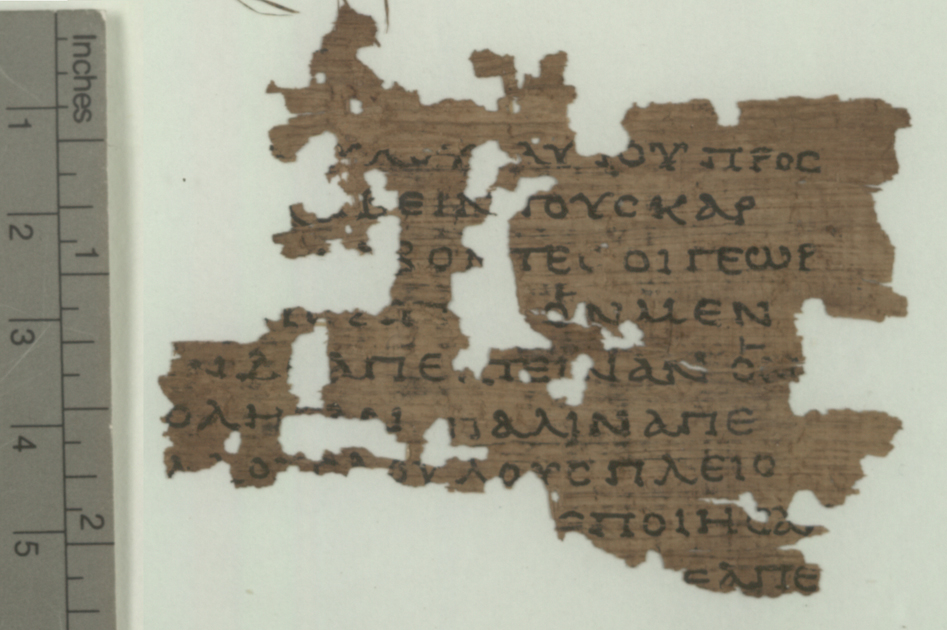
Gospel of Matthew
Matthew the Apostle · late 1st century AD
 Painting
Secondary source
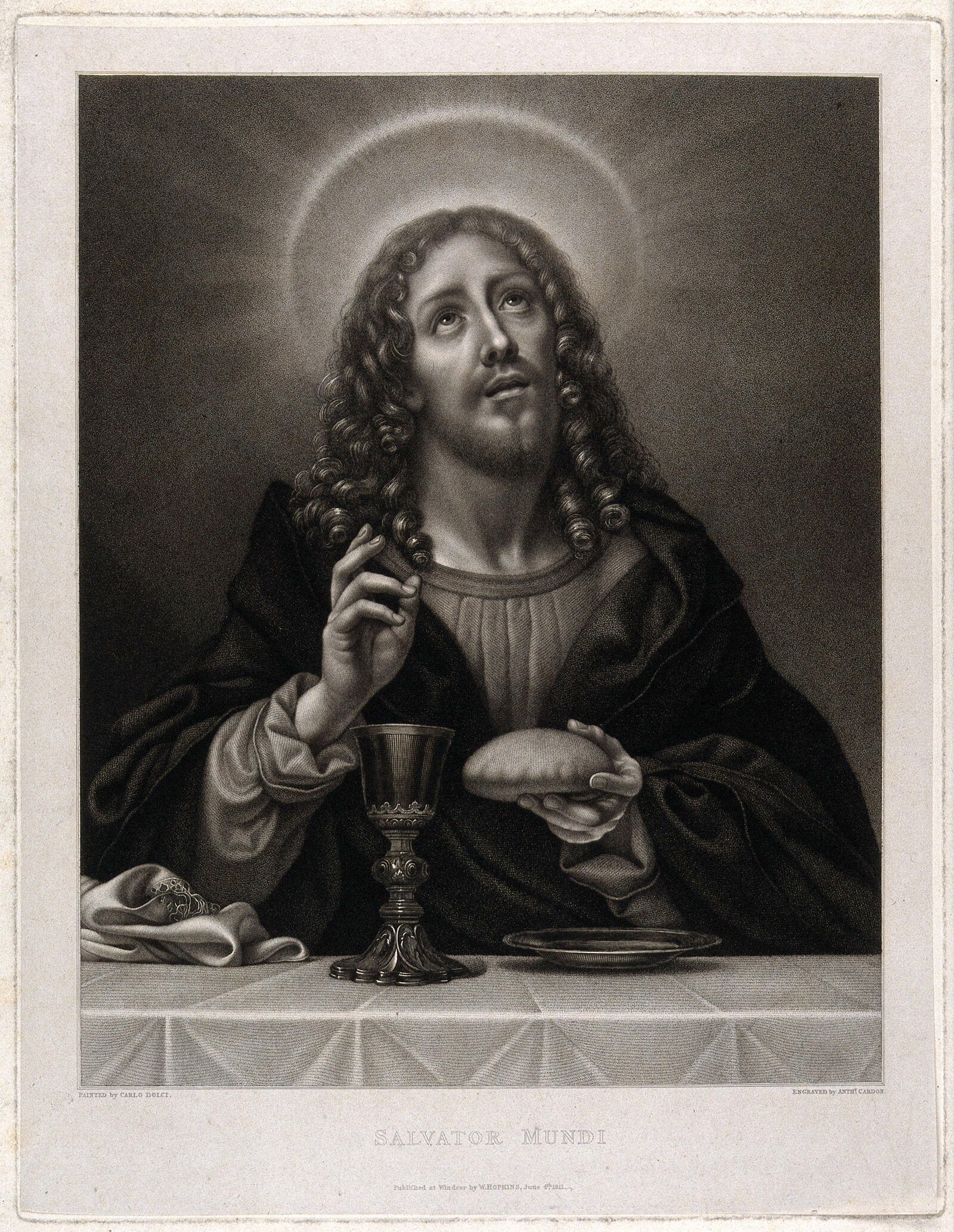
Jesus Christ blessing the Host
Carlo Dolci (painting); Anth. Cardon (engraving) · 4 June 1811
 Painting
Secondary source
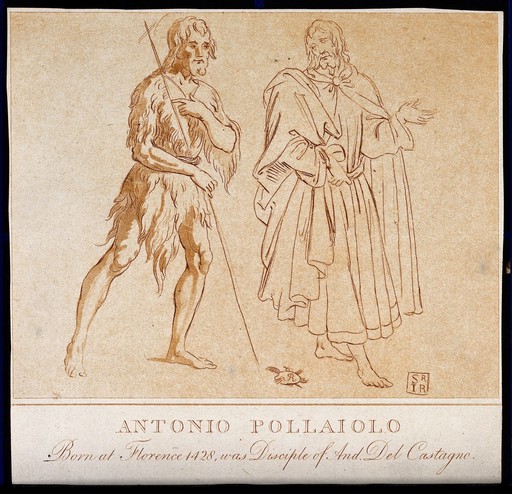
John the Baptist Meets Jesus Christ
Antonio Pollaiuolo
Ready when you are
Start chatting with Jesus Christ now.
20 messages free · No credit card · Available in 50+ languages.