


Primary sourceArtifact1st century AD
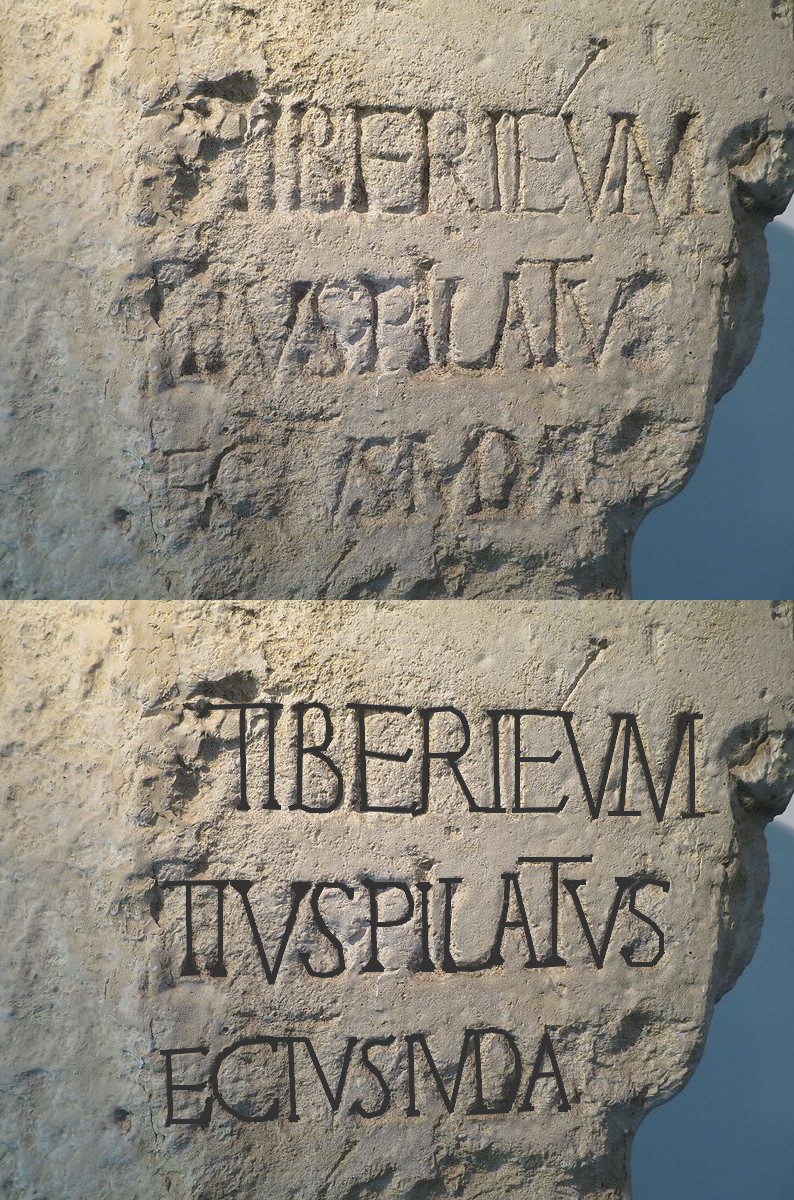
Pilate Stone
1st century AD
A carved limestone block naming Pontius Pilate as prefect of Judaea, archaeological evidence for the Roman official who, according to the Gospels, ordered Jesus's crucifixion.
This inscription provides independent archaeological evidence for Pontius Pilate, the official the Gospels say ordered Jesus's crucifixion.
About this source
What it is
The Pilate Stone is a damaged block of limestone discovered in 1961 at Caesarea Maritima, bearing part of a Latin dedication inscription that names '[Pon]tius Pilatus' as prefect of Judea. It was originally part of a building dedicated to the emperor Tiberius, later reused as a building block, and is now held at the Israel Museum.
Why it matters
This stone is the earliest surviving and only contemporary record of Pontius Pilate, the Roman governor the Gospels describe as presiding over Jesus's trial. Because it was made during Pilate's own lifetime, independent of the New Testament, it gives historians physical confirmation that this official really held this position in this province.
Look closer
- Why does archaeological evidence like this matter for checking historical texts?
- What does the stone actually say, and what has had to be reconstructed by guesswork?
- What can't a dedication stone like this tell us about Pilate's role in Jesus's trial?
This artifact is part of the curated material that grounds the AI version of Jesus Christ on Humy.ai — when students ask about related events, the AI can quote it and cite it.
More Jesus Christ sources
Meet the AI Jesus Christ →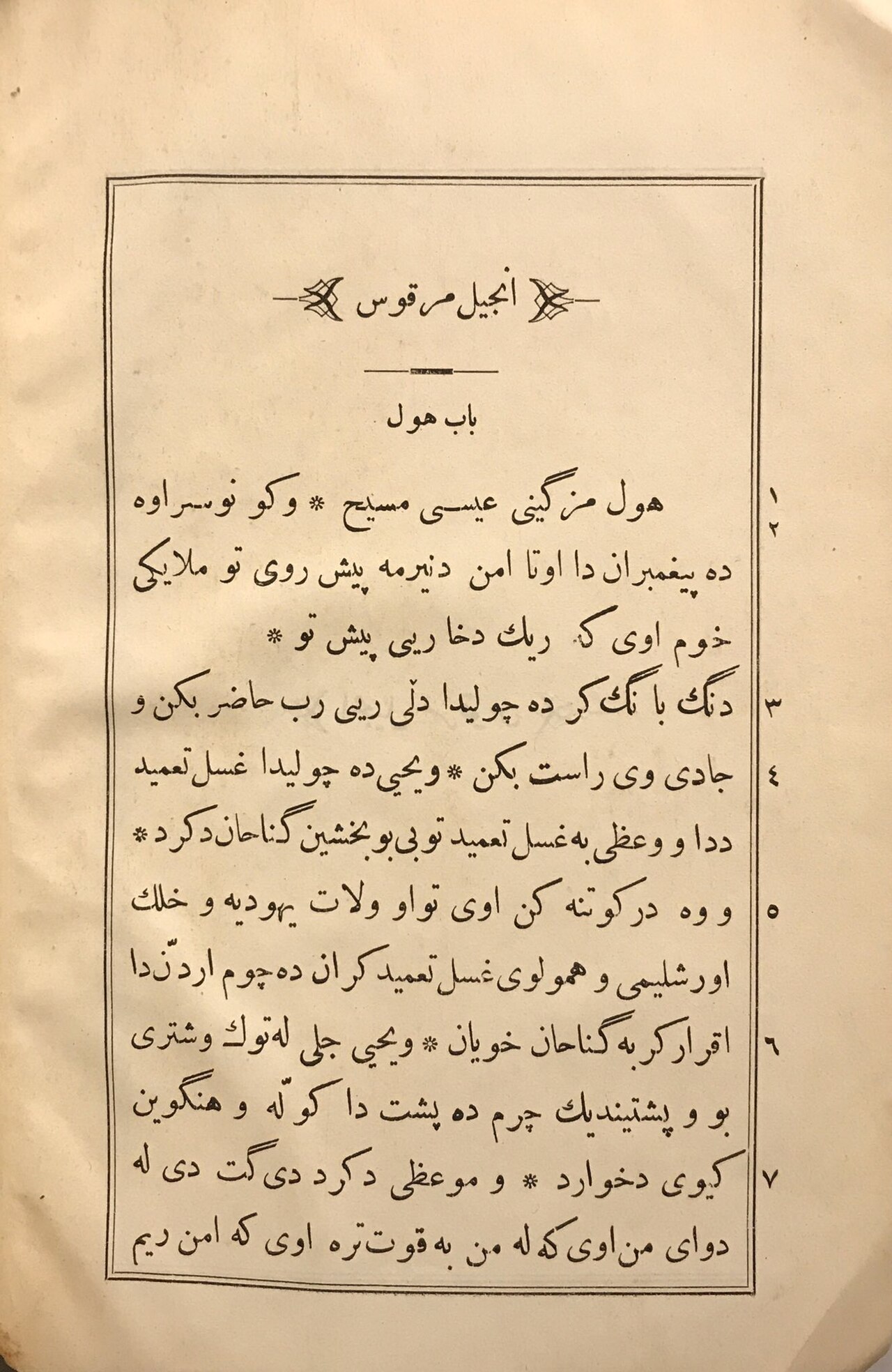 Book
Secondary source
Gospel of Mark
Mark the Evangelist · c. AD 66-75
 Artifact
Secondary source
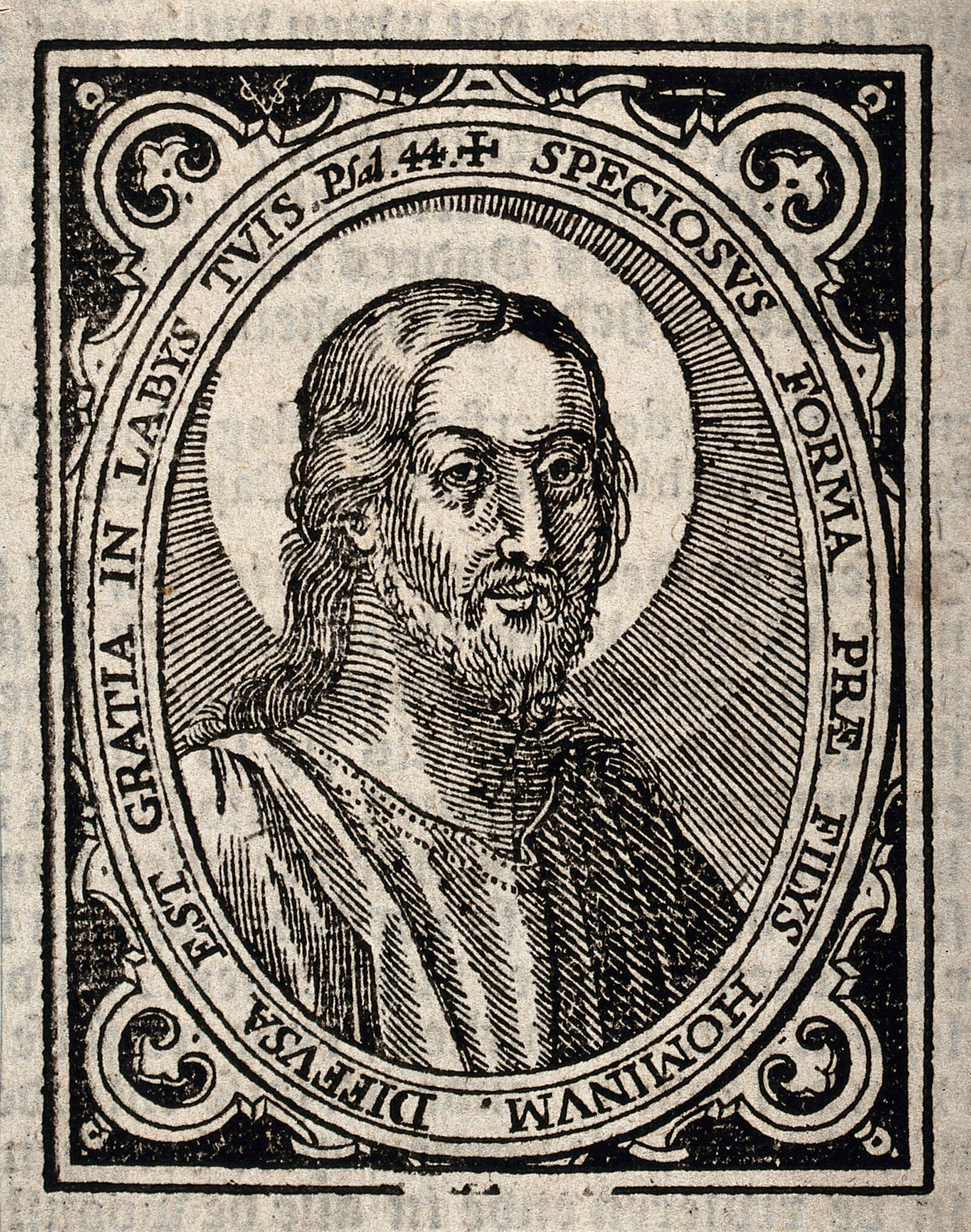
Jesus Christ, woodcut by Christoffel van Sichem III
Christoffel van Sichem III · c. 1645
 Book
Secondary source
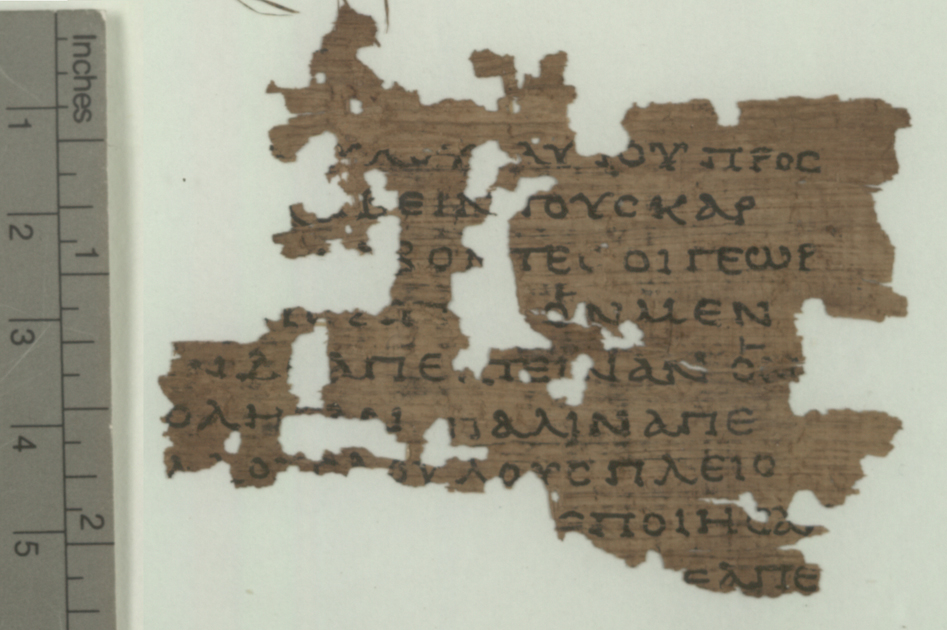
Gospel of Matthew
Matthew the Apostle · late 1st century AD
 Painting
Secondary source
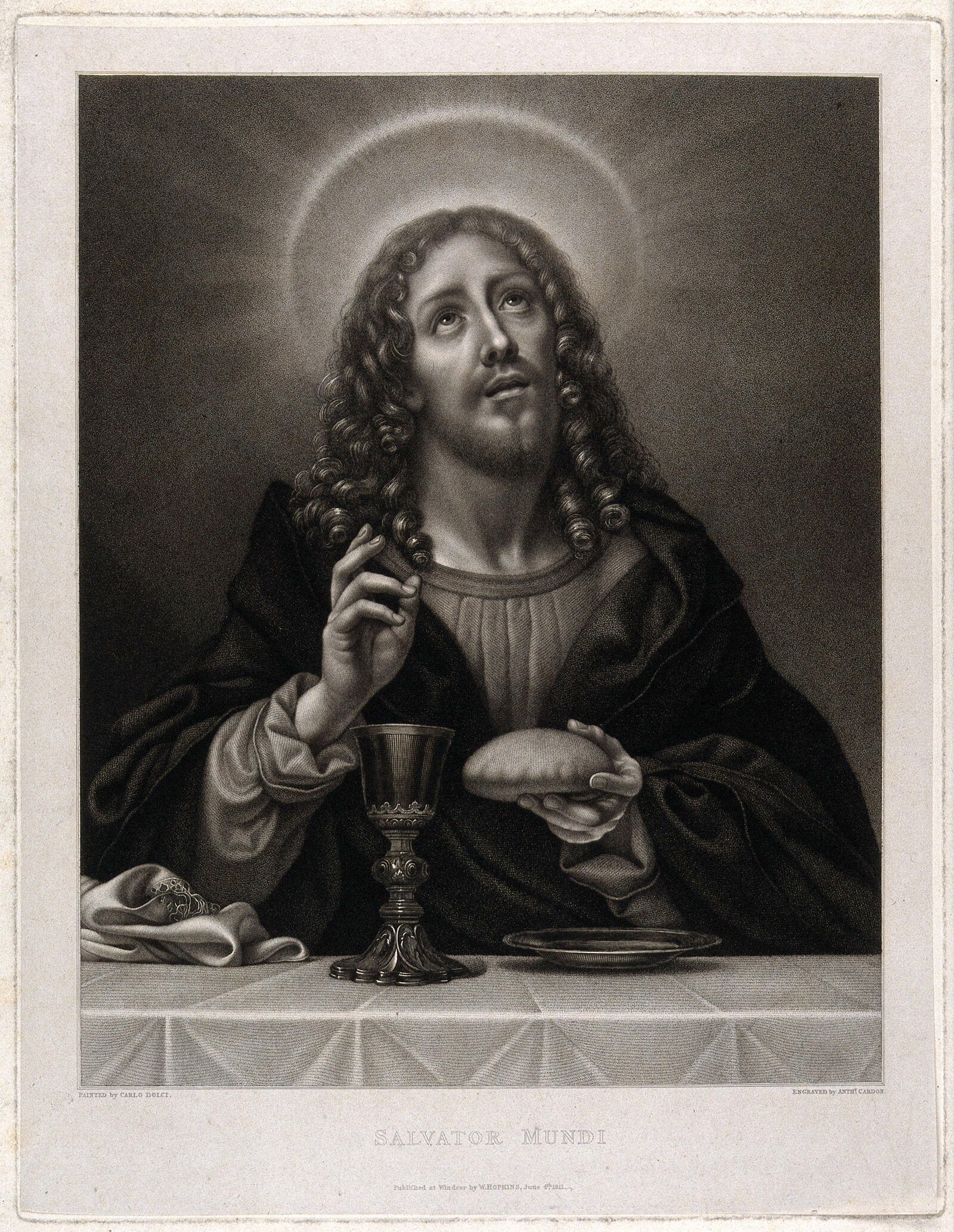
Jesus Christ blessing the Host
Carlo Dolci (painting); Anth. Cardon (engraving) · 4 June 1811
 Painting
Secondary source
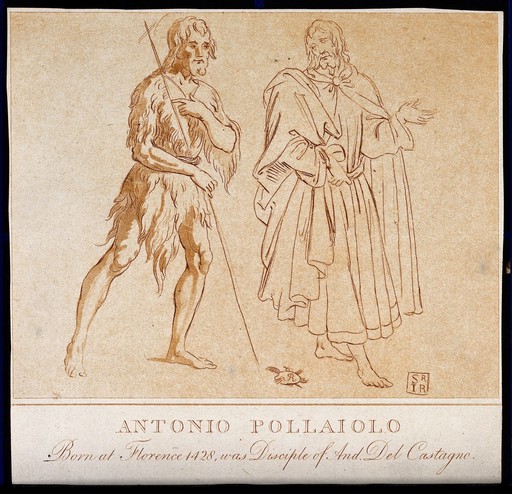
John the Baptist Meets Jesus Christ
Antonio Pollaiuolo
Ready when you are
Start chatting with Jesus Christ now.
20 messages free · No credit card · Available in 50+ languages.