


Primary sourceArtifactc. 1492–1473 BCE
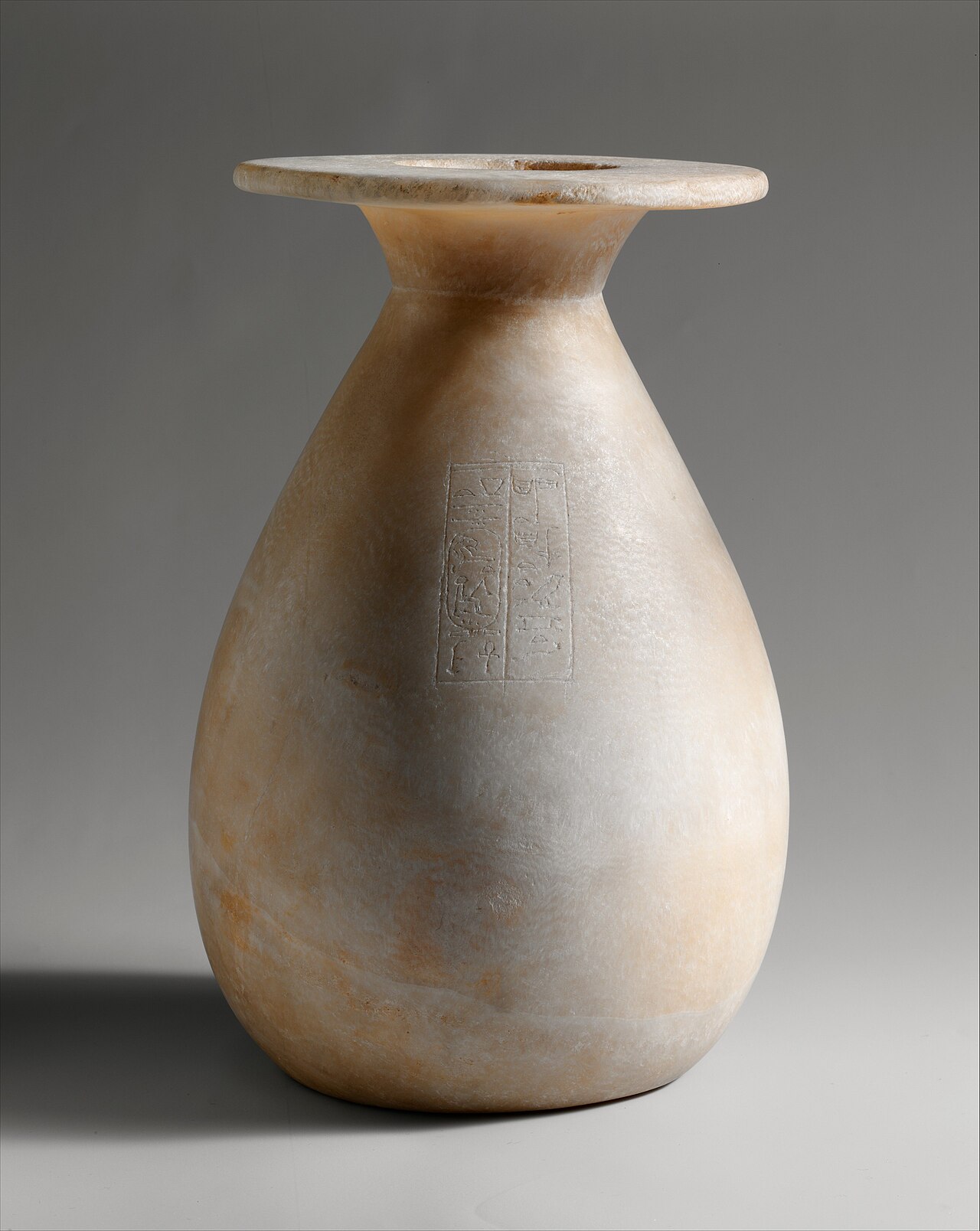
Piriform Jar Inscribed with Hatshepsut's Titles as Queen
c. 1492–1473 BCE
A pear-shaped alabaster jar carved with hieroglyphic titles naming Hatshepsut as queen, from before she became pharaoh.
This jar is inscribed with Hatshepsut's titles from her time as queen, before she became pharaoh.
About this source
What it is
This is a pear-shaped (piriform) alabaster jar with a narrow neck and wide flat rim, dating from around 1492–1473 BCE. A rectangular panel of incised hieroglyphs is carved on the front of its body, recording Hatshepsut's titles.
Why it matters
Like the spherical jar from the same period, this object was inscribed while Hatshepsut held the title of queen, before she became pharaoh. Such inscribed vessels are primary evidence historians use to track her rise from queen to ruler of Egypt.
Look closer
- Why might the shape of a jar change even if its purpose stays similar?
- What could the hieroglyphs on this jar tell us that a plain, unlabelled jar could not?
- How do objects like this help build a timeline of Hatshepsut's life?
This artifact is part of the curated material that grounds the AI version of Hatshepsut on Humy.ai — when students ask about related events, the AI can quote it and cite it.
More Hatshepsut sources
Meet the AI Hatshepsut →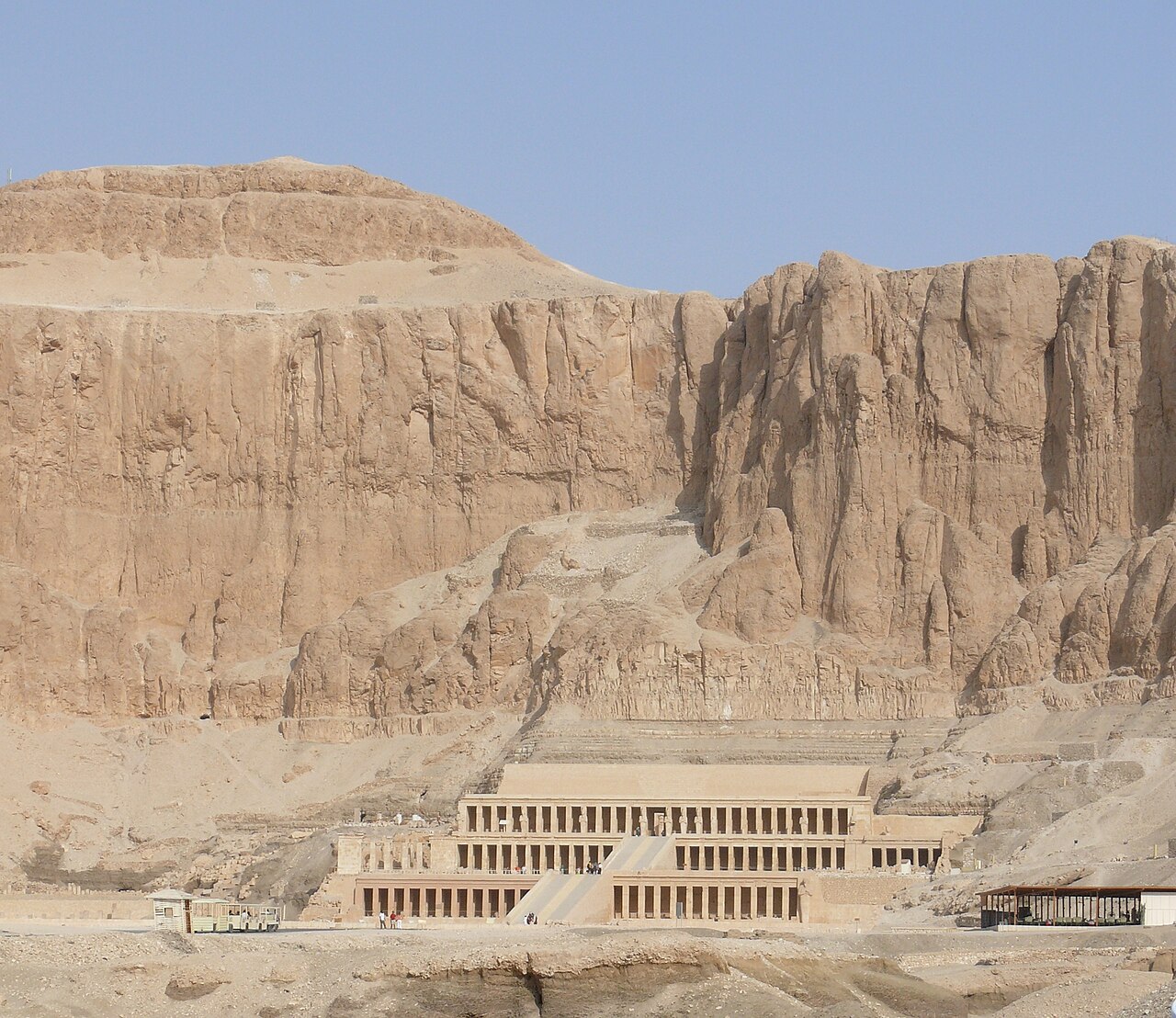 Artifact
Primary source
Mortuary Temple of Hatshepsut
Senenmut and/or Hapuseneb (attributed) · c. 1479–1458 BCE
 Photograph
Secondary source
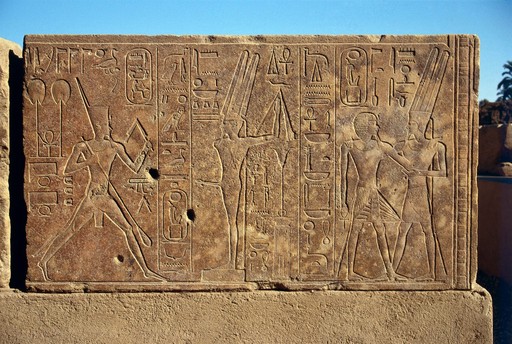
Hatshepsut Dancing Before Min, Karnak Relief
Carole Reeves · 1989
 Sculpture
Primary source
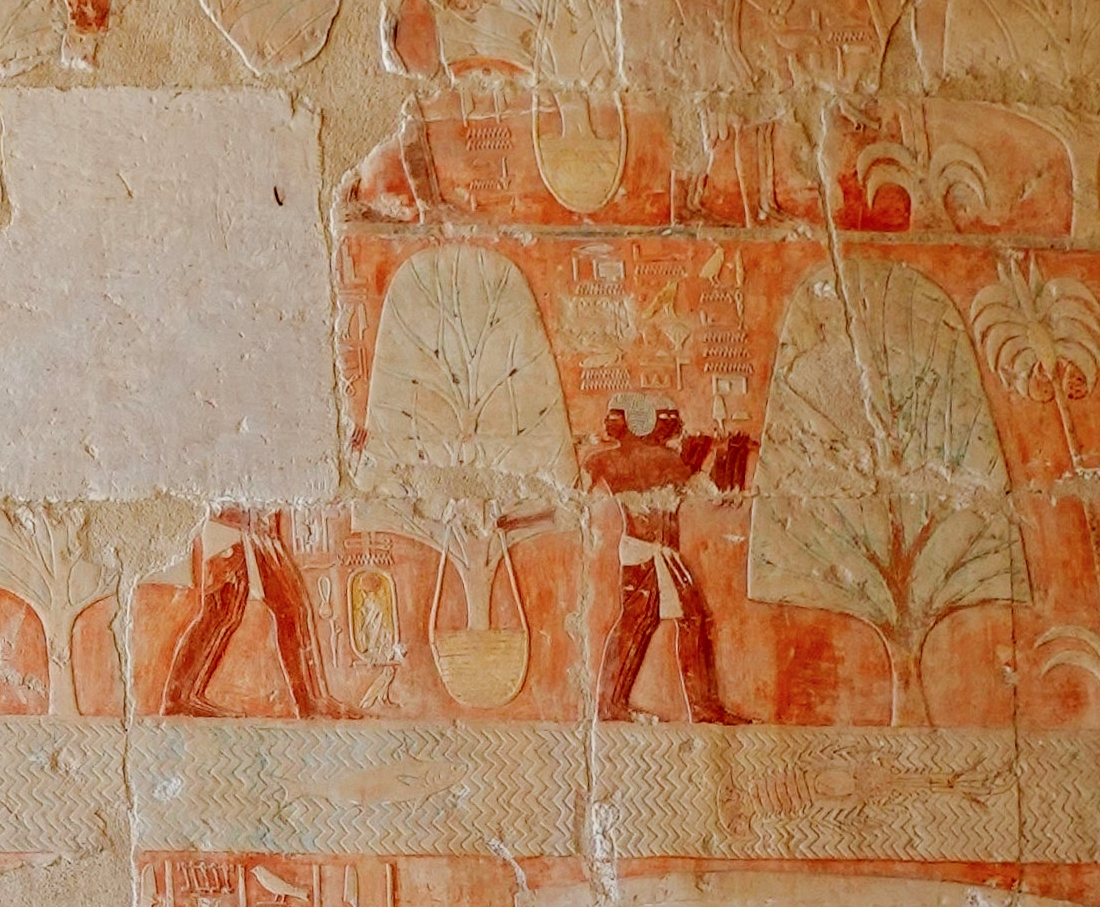
Punt Expedition Reliefs
Royal workshops of Hatshepsut · c. 1470 BCE
 Sculpture
Primary source
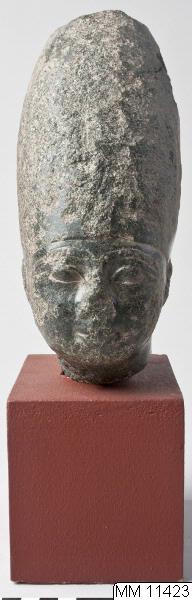
Sculpture Head Probably of Hatshepsut
 Sculpture
Primary source
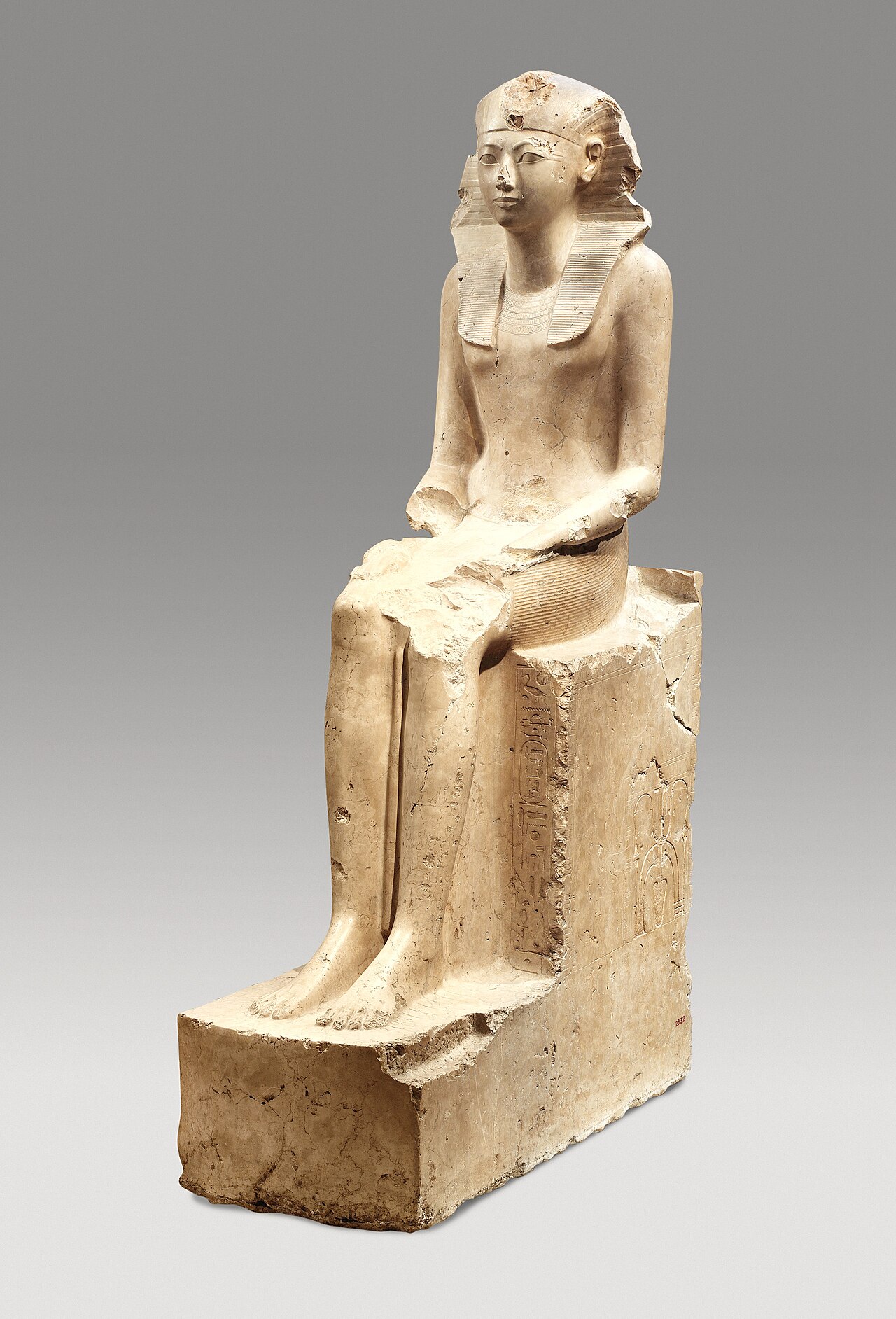
Seated Statue of Hatshepsut
c. 1466 BCE
Ready when you are
Start chatting with Hatshepsut now.
20 messages free · No credit card · Available in 50+ languages.