


Primary sourceBook1817
Plan of Parliamentary Reform, in the Form of a Catechism
Jeremy Bentham · 1817
Bentham's 1817 pamphlet arguing for near-universal suffrage, annual parliaments and the secret ballot, marking his turn to democratic radicalism.
Bentham wrote this 1817 pamphlet demanding radical parliamentary reform, marking his shift towards democratic politics.
About this source
What it is
This is a pamphlet written by Jeremy Bentham in 1817, set out as a catechism of questions and answers, arguing for sweeping parliamentary reform in Britain.
Why it matters
In it Bentham called for near-universal suffrage, annual parliaments and the secret ballot, demands that placed him firmly among the radical reformers of his day. The opening passage mocks the arguments of opponents who defended the existing system on the basis of property and birth ('blood'), showing Bentham's sharp, satirical style when attacking privilege.
Look closer
- How does Bentham use invented voices and slang to mock his opponents' arguments?
- Why might Bentham have chosen the question-and-answer catechism format for a political pamphlet?
- What does this pamphlet suggest about who held power in Britain's Parliament at the time?
This book is part of the curated material that grounds the AI version of Jeremy Bentham on Humy.ai — when students ask about related events, the AI can quote it and cite it.
More Jeremy Bentham sources
Meet the AI Jeremy Bentham →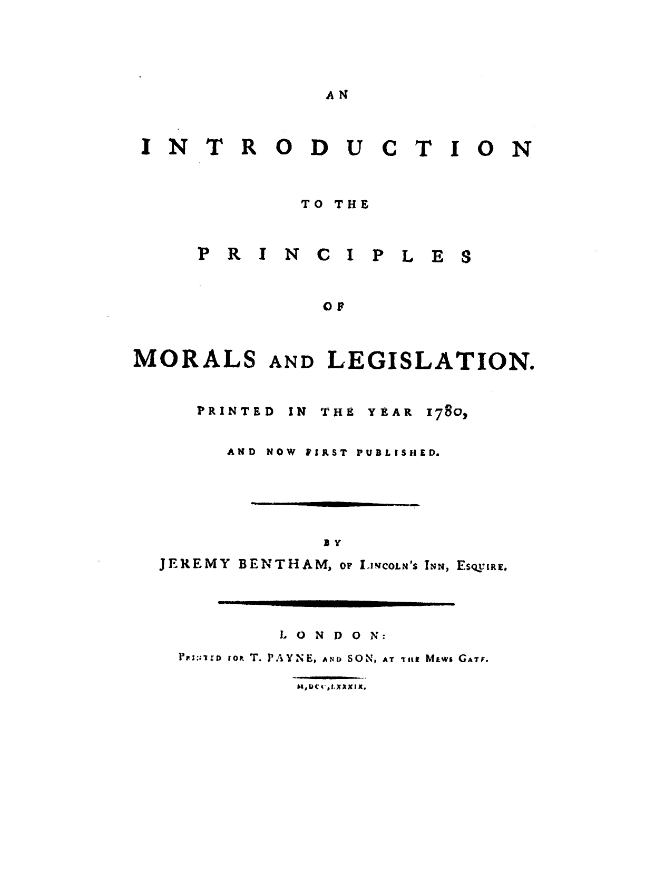 Book
Primary source
An Introduction to the Principles of Morals and Legislation
Jeremy Bentham · 1789 (printed 1780)
 Book
Primary source
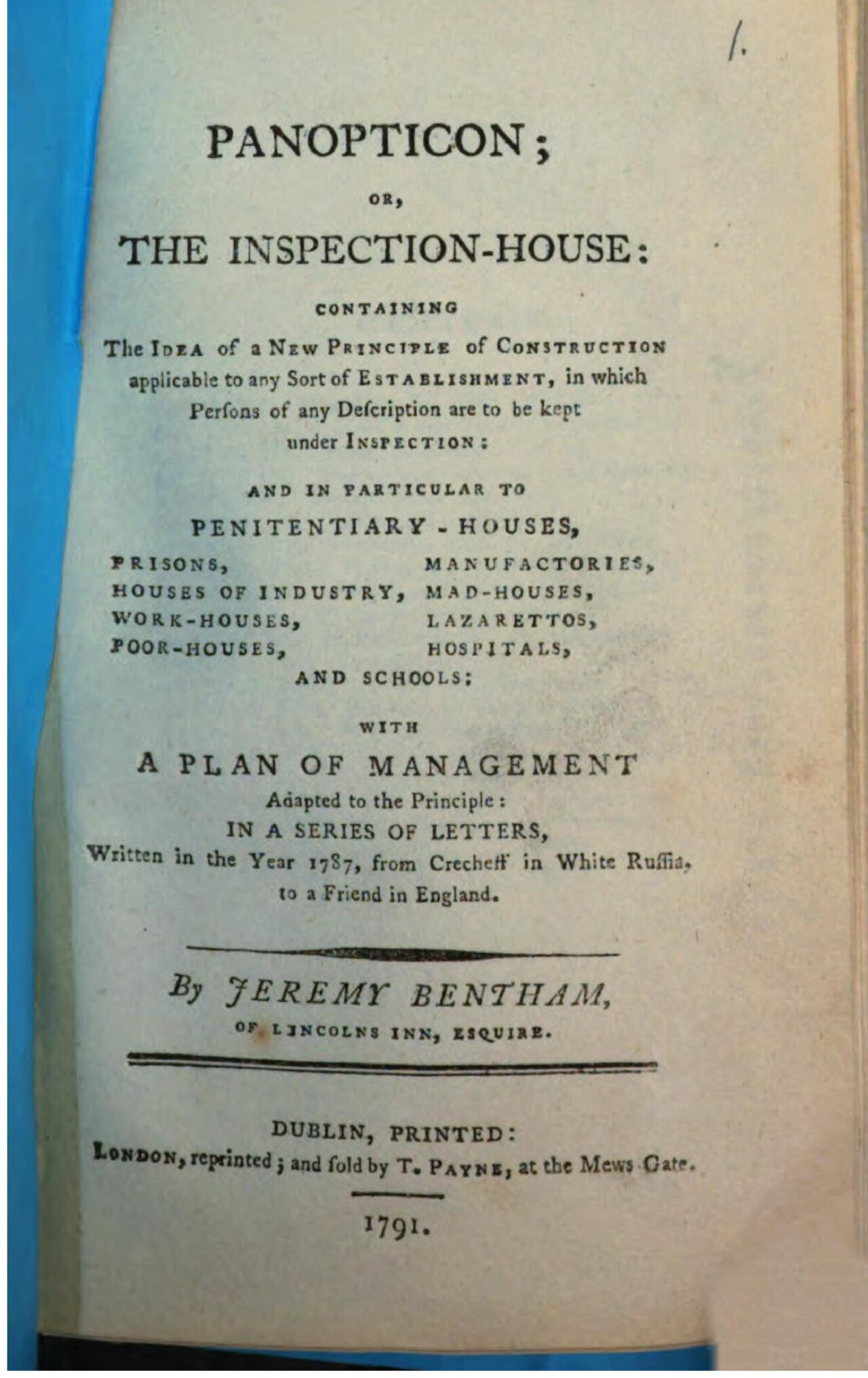
Panopticon; or, The Inspection-House
Jeremy Bentham · 1791 (letters written 1787)
 Artifact
Primary source
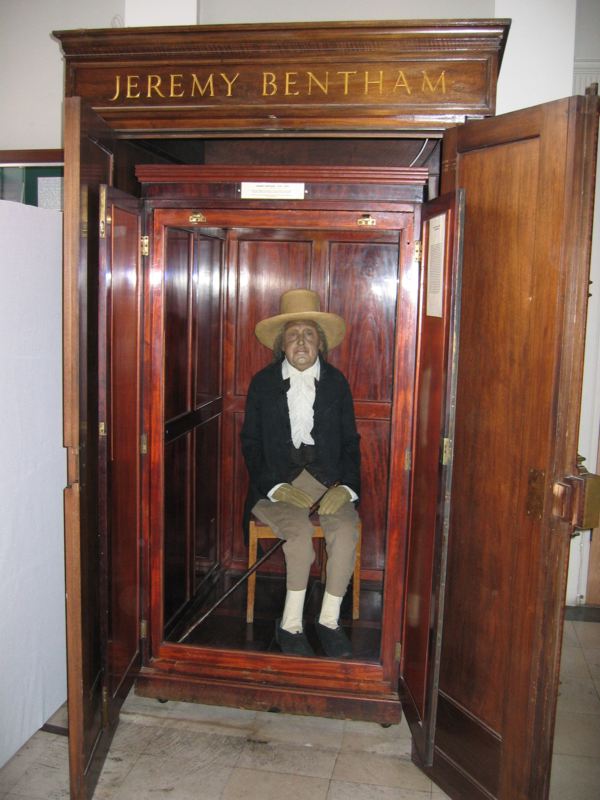
Auto-icon of Jeremy Bentham
Thomas Southwood Smith · 1832
 Book
Primary source
A Fragment on Government
Jeremy Bentham · 1776
 Painting
Primary source
Jeremy Bentham
Henry William Pickersgill · c. 1829
Ready when you are
Start chatting with Jeremy Bentham now.
20 messages free · No credit card · Available in 50+ languages.