


Secondary sourcePhotograph1 May 2010
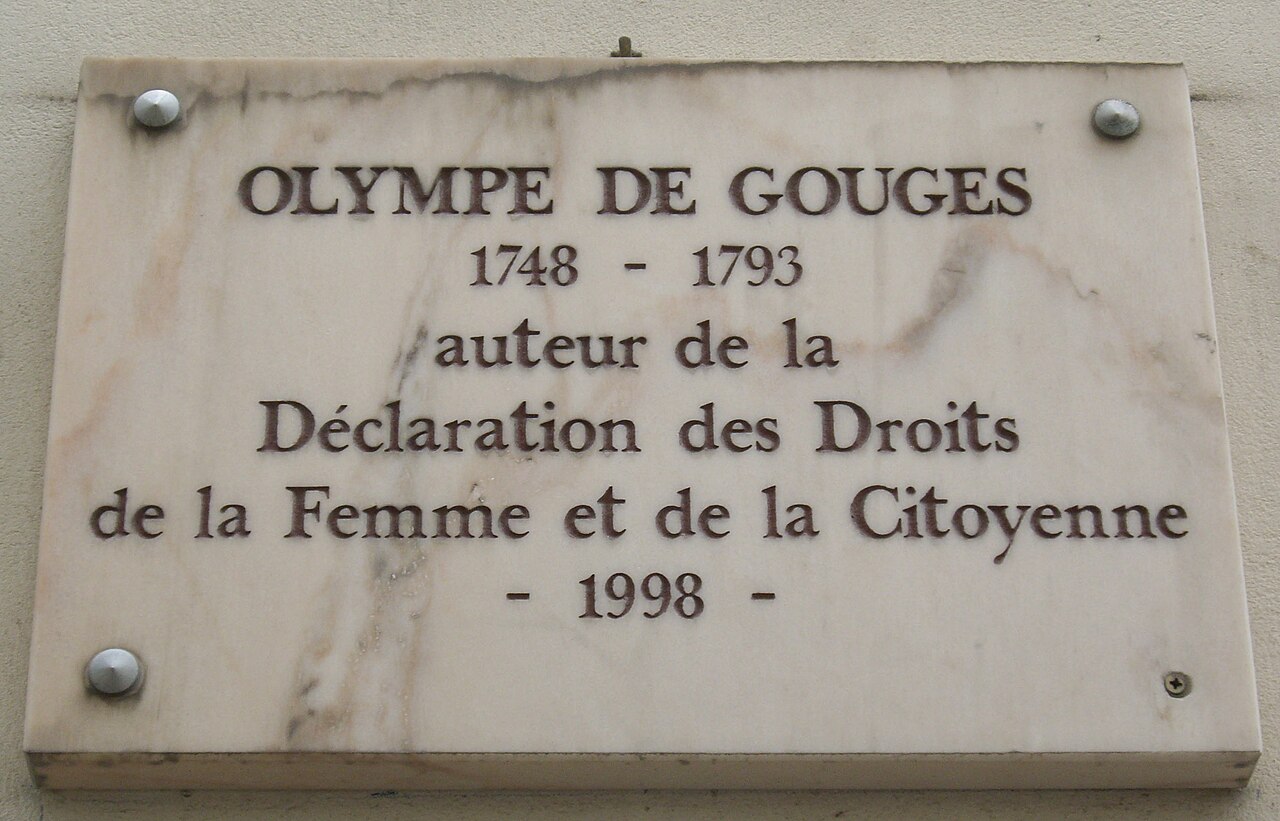
Plaque at 20 rue Servandoni Marking Gouges's Residence
Wikimedia Commons / Mu · 1 May 2010
A 2010 photograph of a commemorative plaque in Paris marking the house where Olympe de Gouges once lived.
This plaque publicly commemorates the house where Gouges lived and her authorship of her famous Declaration.
About this source
What it is
This photograph, taken in 2010, shows a marble plaque mounted on a wall at number 20, rue Servandoni, in Paris's 6th arrondissement. The plaque, installed in 1998, marks the building where Olympe de Gouges lived and identifies her as the author of the Declaration of the Rights of Woman and the Female Citizen.
Why it matters
This plaque is a modern act of public memory, honoring Gouges nearly two centuries after her death for her pioneering feminist writing. It shows how cities use physical markers to recognize historical figures and shape what the public remembers about them.
Look closer
- Why might it have taken until 1998 to install this plaque?
- What does the wording chosen for the plaque emphasize about Gouges's legacy?
- What might a plaque leave out about a person's full life and ideas?
This photograph is part of the curated material that grounds the AI version of Olympe de Gouges on Humy.ai — when students ask about related events, the AI can quote it and cite it.
More Olympe de Gouges sources
Meet the AI Olympe de Gouges →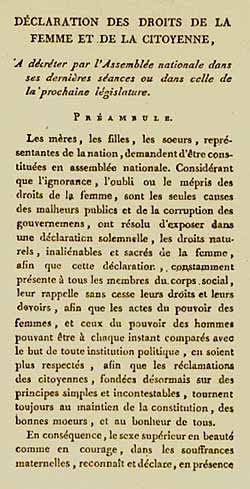 Document
Primary source
Declaration of the Rights of Woman and the Female Citizen
Olympe de Gouges · 1791
 Document
Primary source
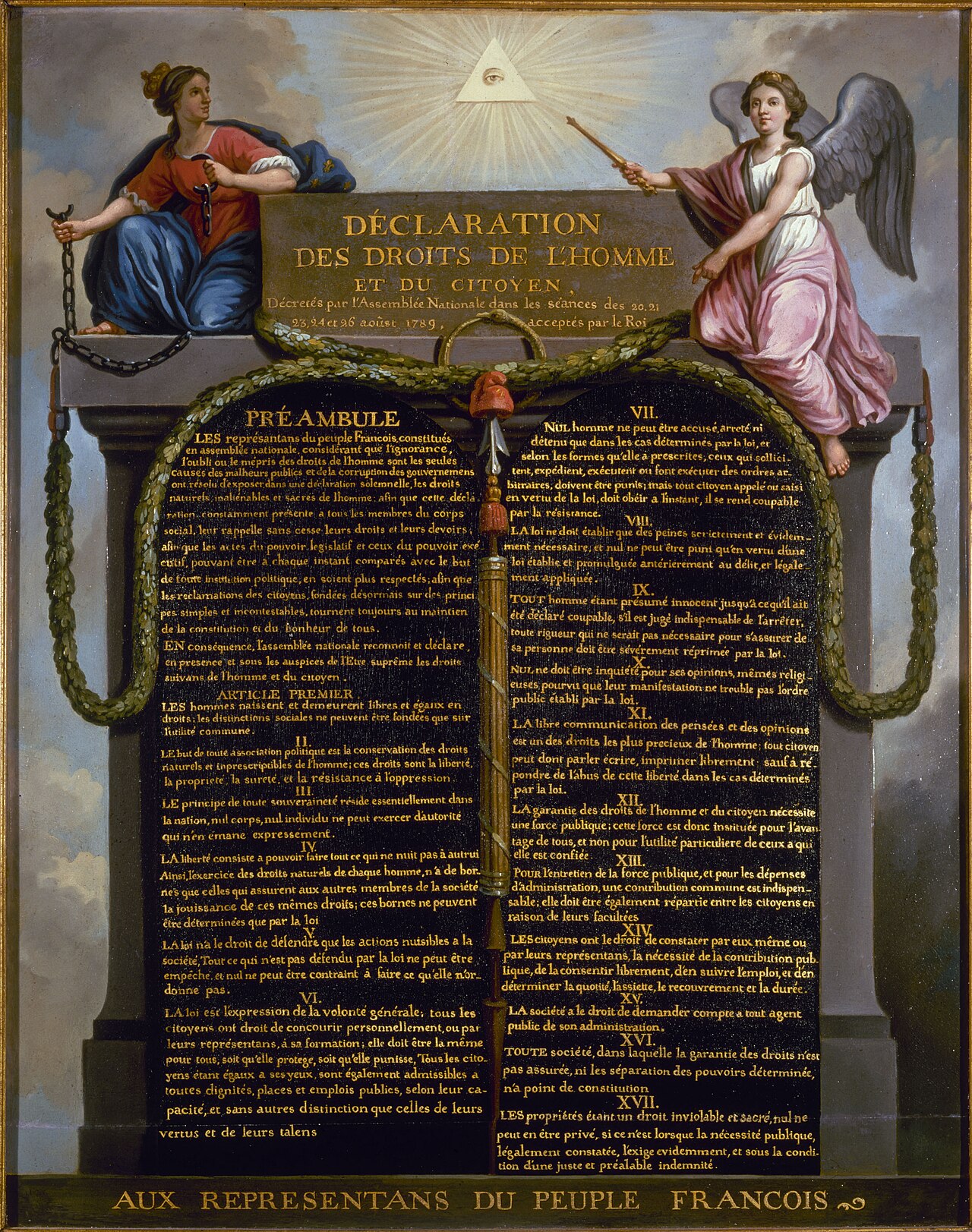
Declaration of the Rights of Man and of the Citizen
National Constituent Assembly · 1789
 Document
Primary source
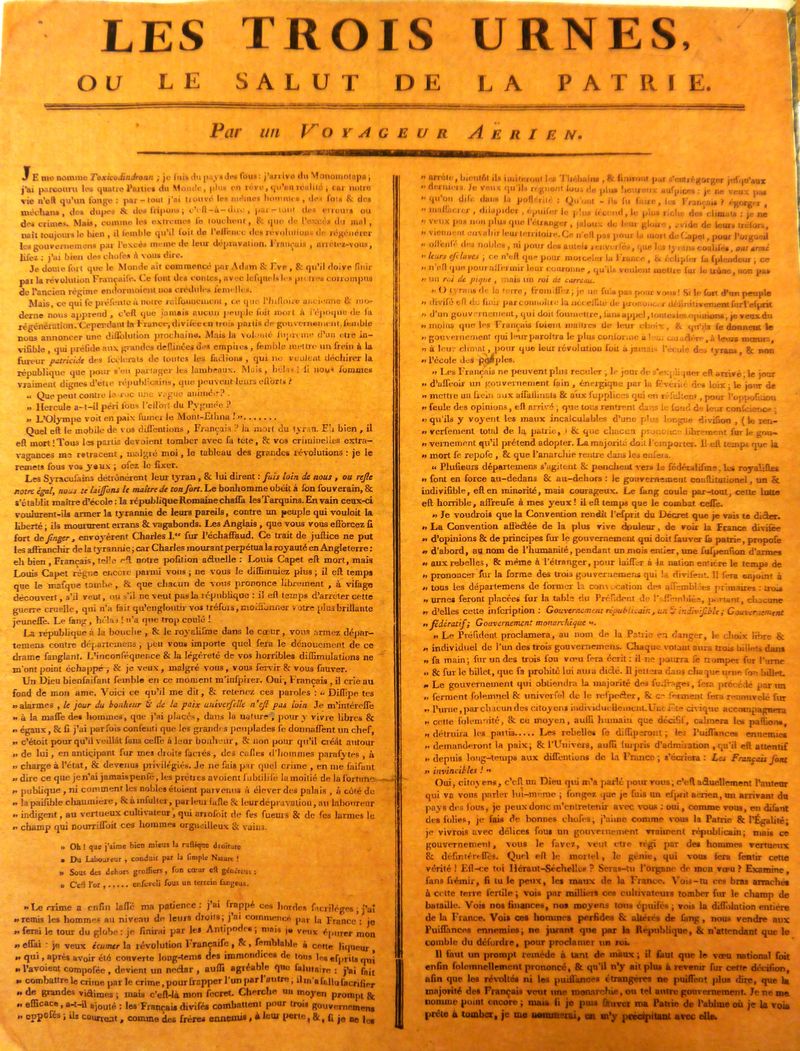
Les Trois Urnes, ou le Salut de la Patrie, par un voyageur aérien
Olympe de Gouges · 1793
 Painting
Primary source
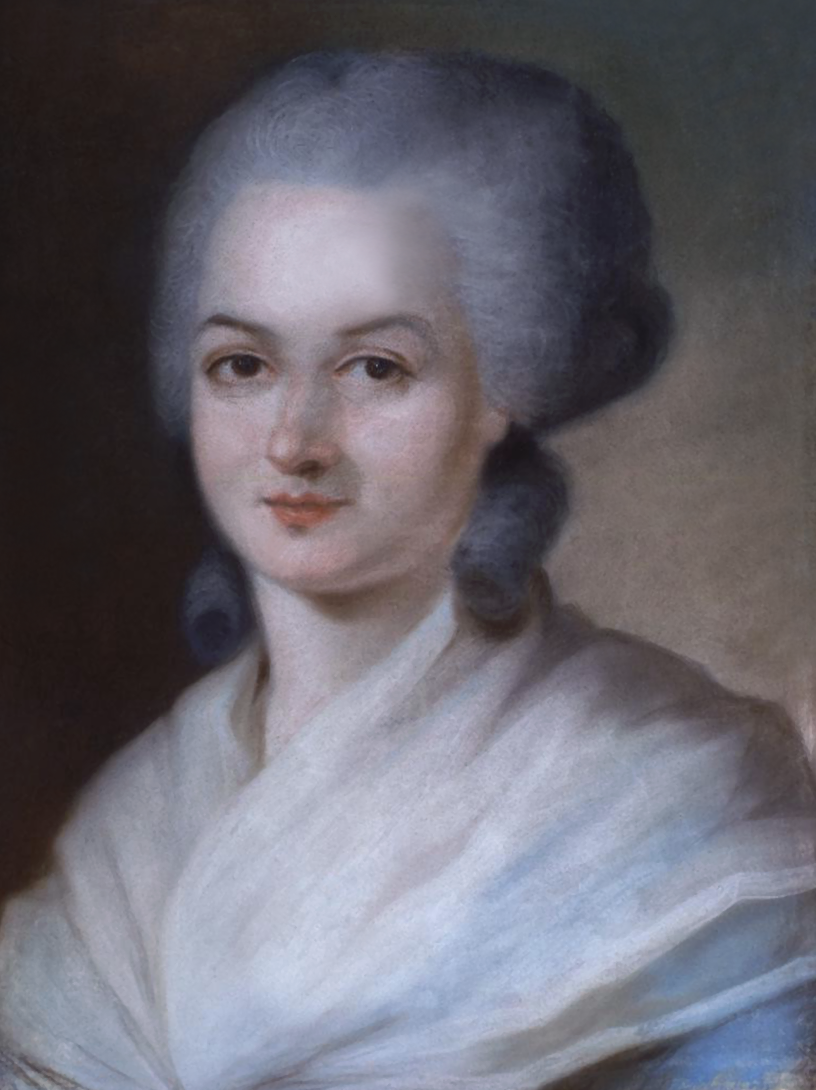
Portrait of Olympe de Gouges
Alexander Kucharsky
 Document
Primary source
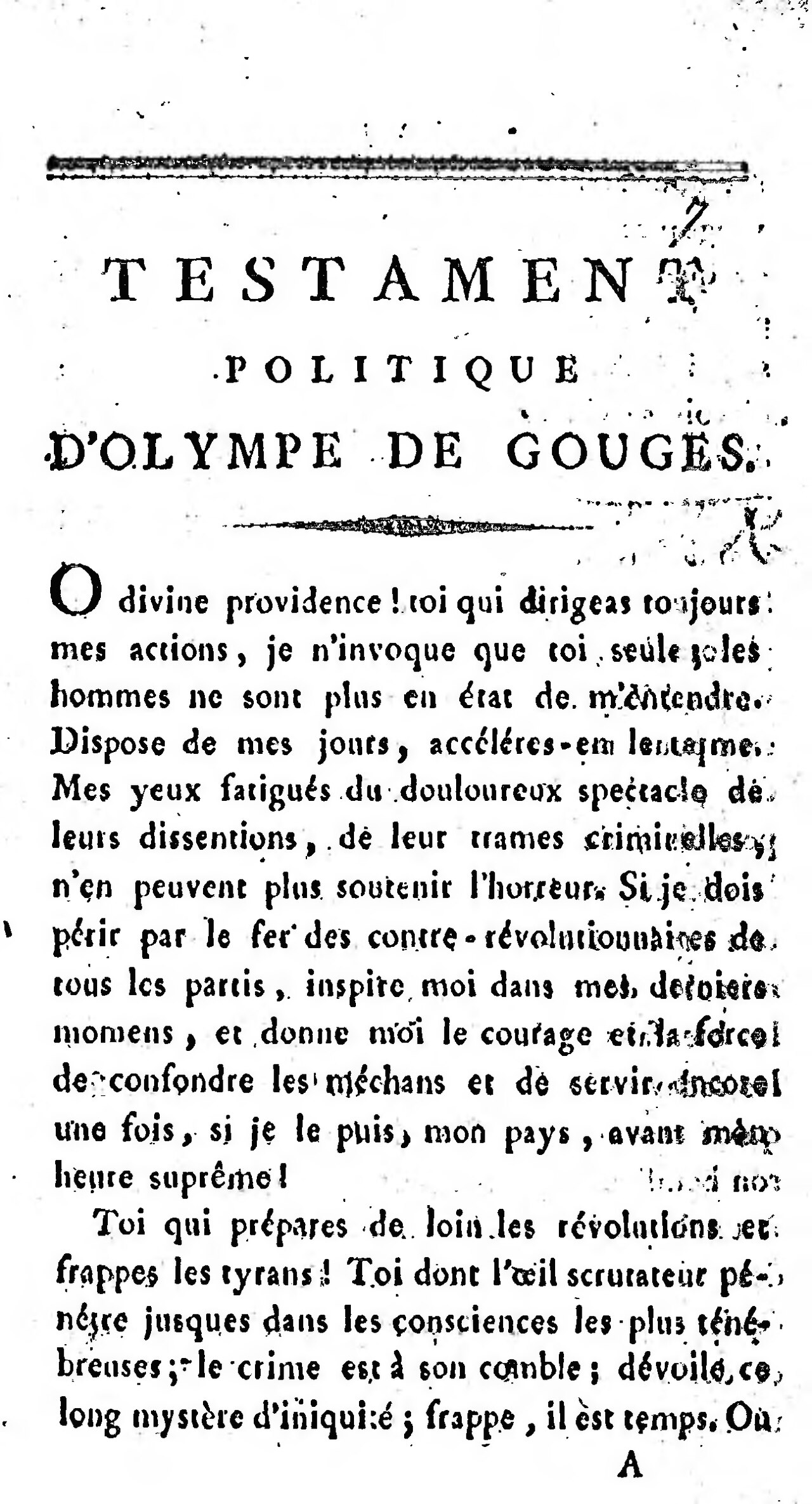
Testament politique d'Olympe de Gouges
Olympe de Gouges · June 1793
Ready when you are
Start chatting with Olympe de Gouges now.
20 messages free · No credit card · Available in 50+ languages.