


Secondary sourcePhotograph11 June 2017
Plaque at The Eagle Pub, Cambridge
N Chadwick · 11 June 2017
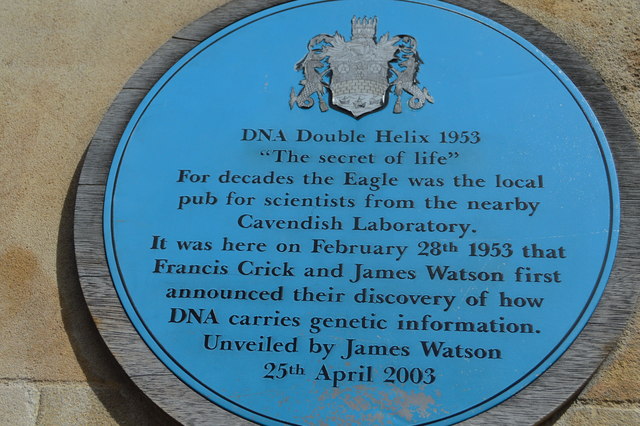
A commemorative blue plaque at The Eagle pub in Cambridge, marking the 1953 announcement of the DNA double helix discovery.
This plaque, unveiled by Watson himself in 2003, commemorates the announcement of the DNA double helix that he and Crick made.
About this source
What it is
This photograph shows a circular blue plaque mounted on the wall of The Eagle, a pub in Cambridge. The plaque marks the pub as a meeting place for scientists from the Cavendish Laboratory and records that Francis Crick and James Watson announced their DNA discovery there on 28 February 1953. The plaque itself was unveiled by James Watson in 2003.
Why it matters
This plaque shows how the discovery of the DNA double helix became a celebrated moment in science history, with Watson himself helping to mark the site decades later. It reflects how scientific breakthroughs are remembered and commemorated in public spaces, not just in laboratories or journals.
Look closer
- Why might a pub be an important place in the story of a scientific discovery?
- What does it mean that Watson unveiled this plaque himself, years after the event?
- What is left out of a plaque like this that a fuller history might include?
This photograph is part of the curated material that grounds the AI version of James Watson on Humy.ai — when students ask about related events, the AI can quote it and cite it.
More James Watson sources
Meet the AI James Watson →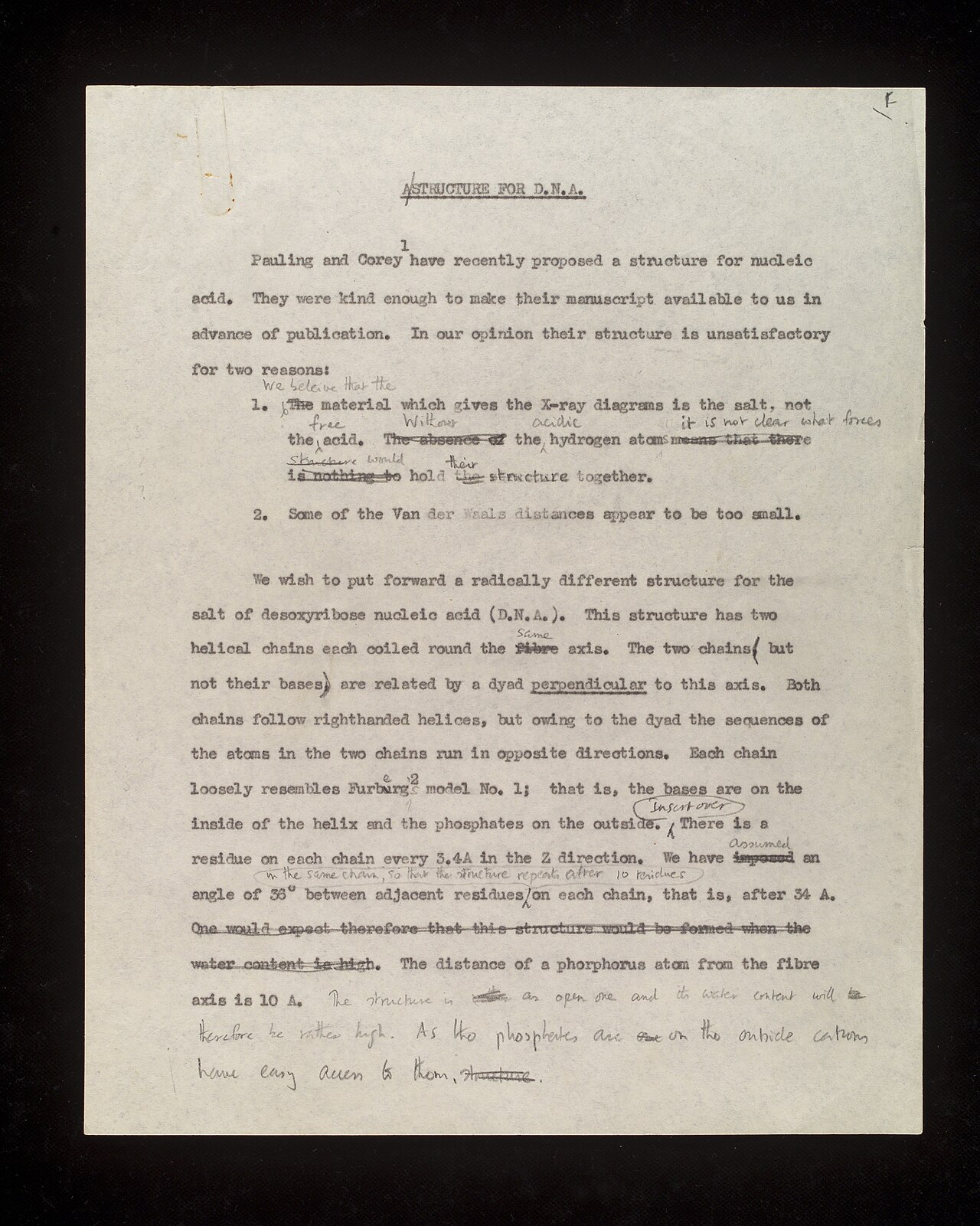 Document
Primary source
A Structure for Deoxyribonucleic Acid
James D. Watson and Francis Crick · 25 April 1953
 Photograph
Primary source
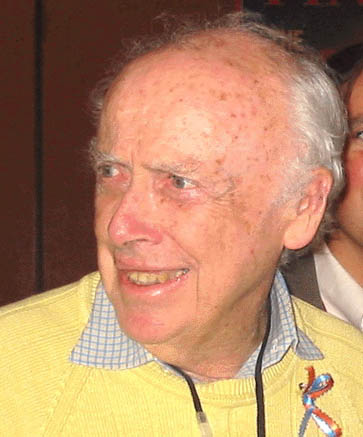
James Watson
Steve Jurvetson · 2003
 Document
Primary source
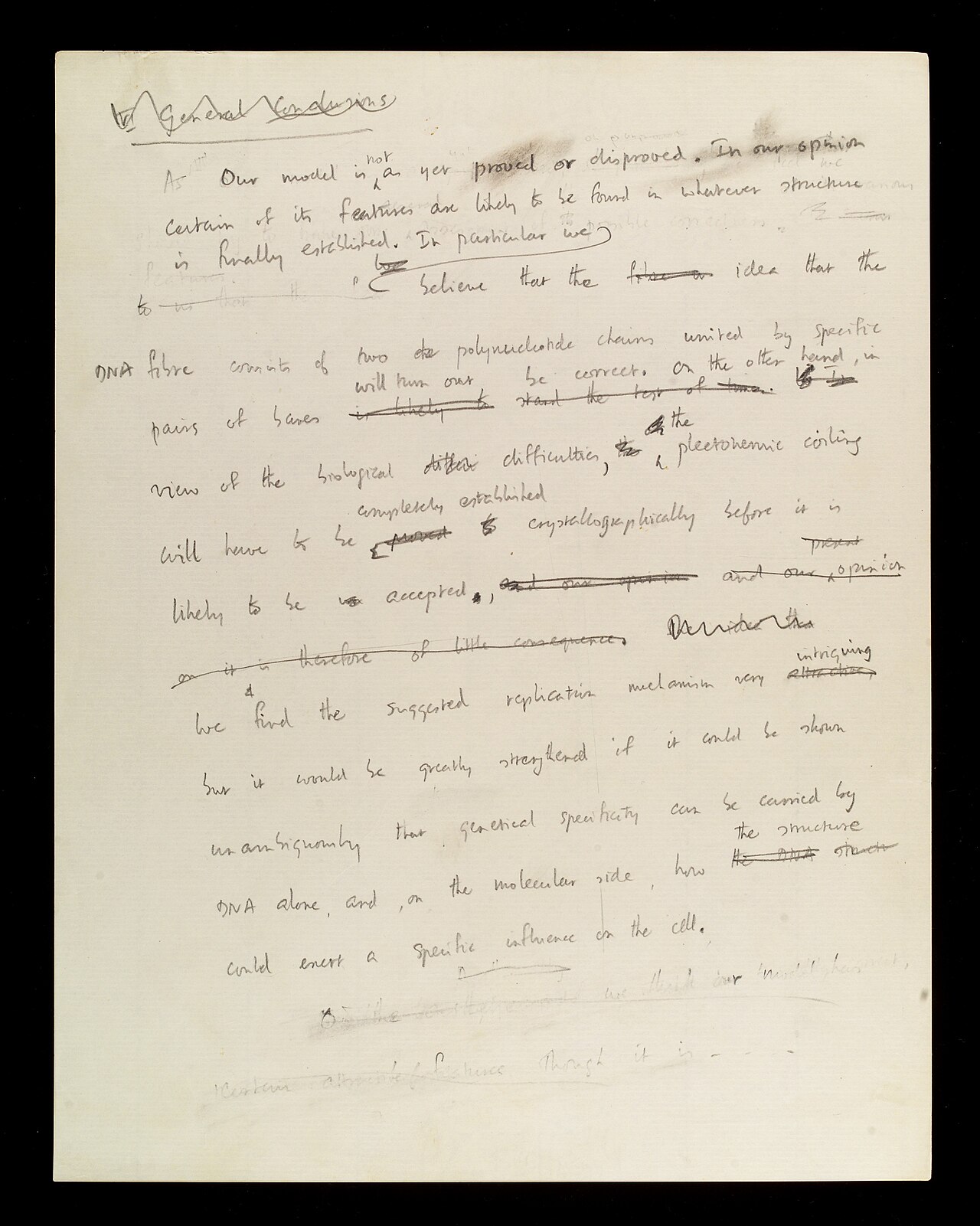
Genetical Implications of the Structure of Deoxyribonucleic Acid
James D. Watson and Francis Crick · 30 May 1953
 Photograph
Primary source
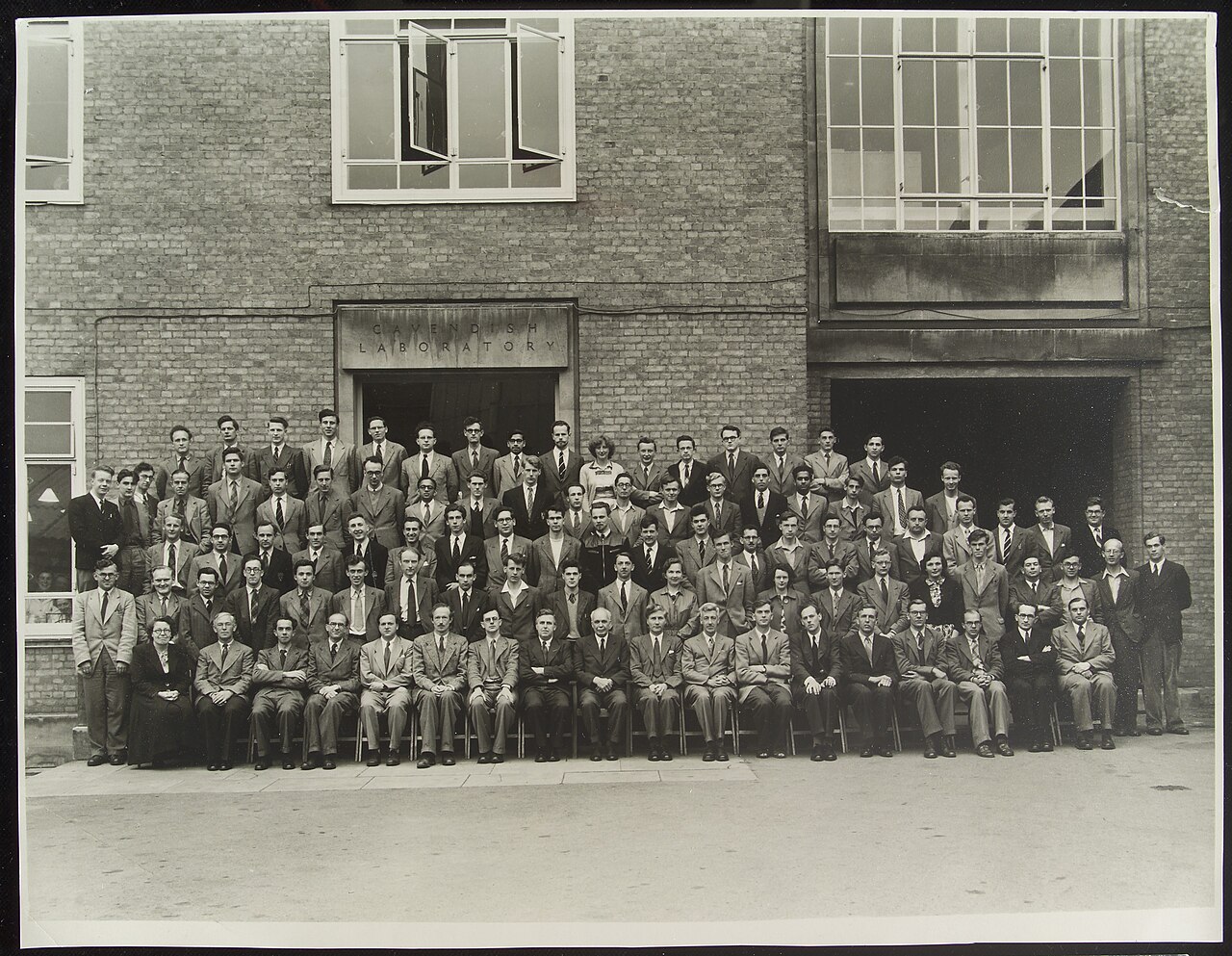
Physics Research Students, Cavendish Laboratory, 1952
June 1952
 Artifact
Primary source
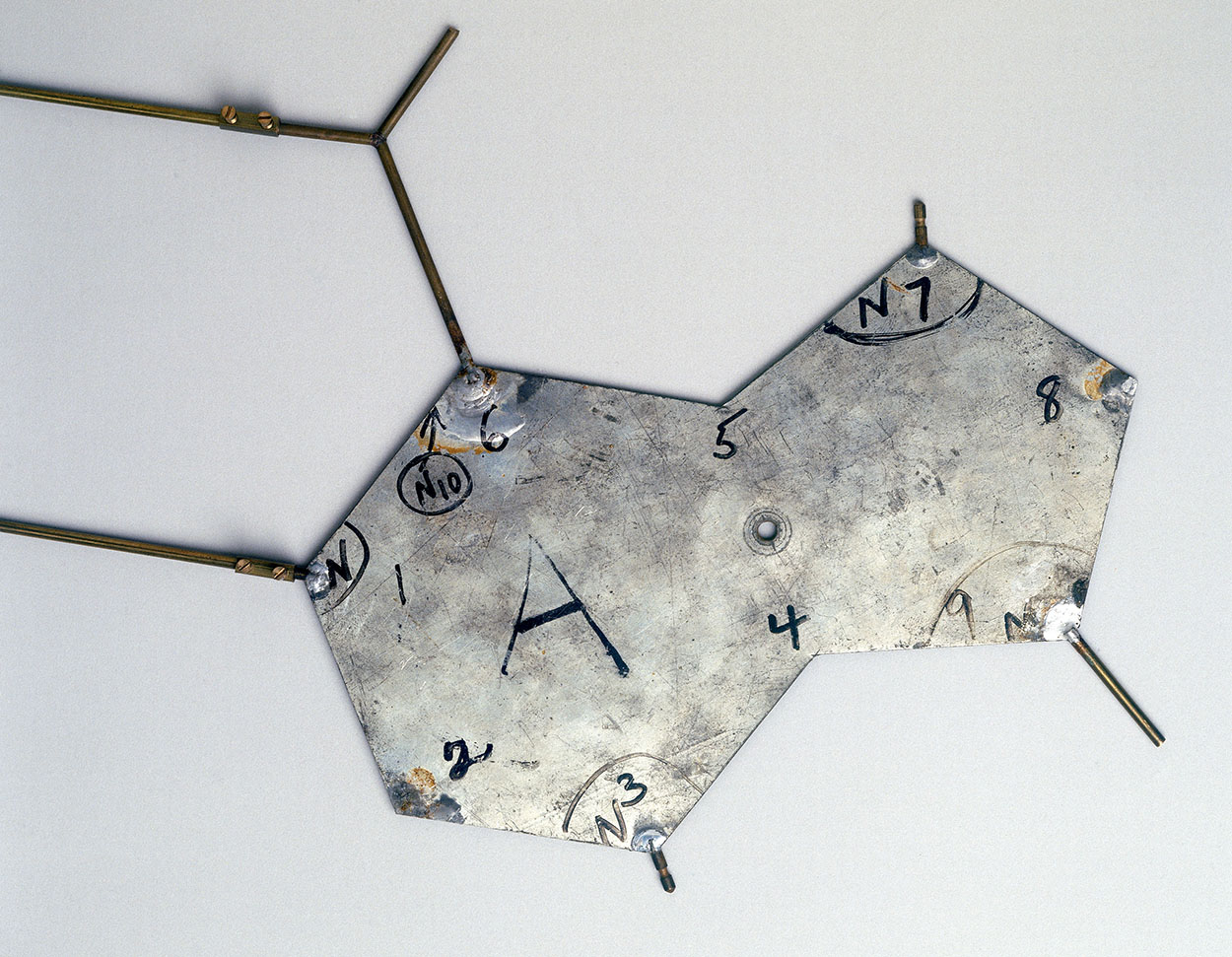
Thymine Template from the DNA Molecular Model
James Watson and Francis Crick · 1953
Ready when you are
Start chatting with James Watson now.
20 messages free · No credit card · Available in 50+ languages.