


Primary sourceArtifact
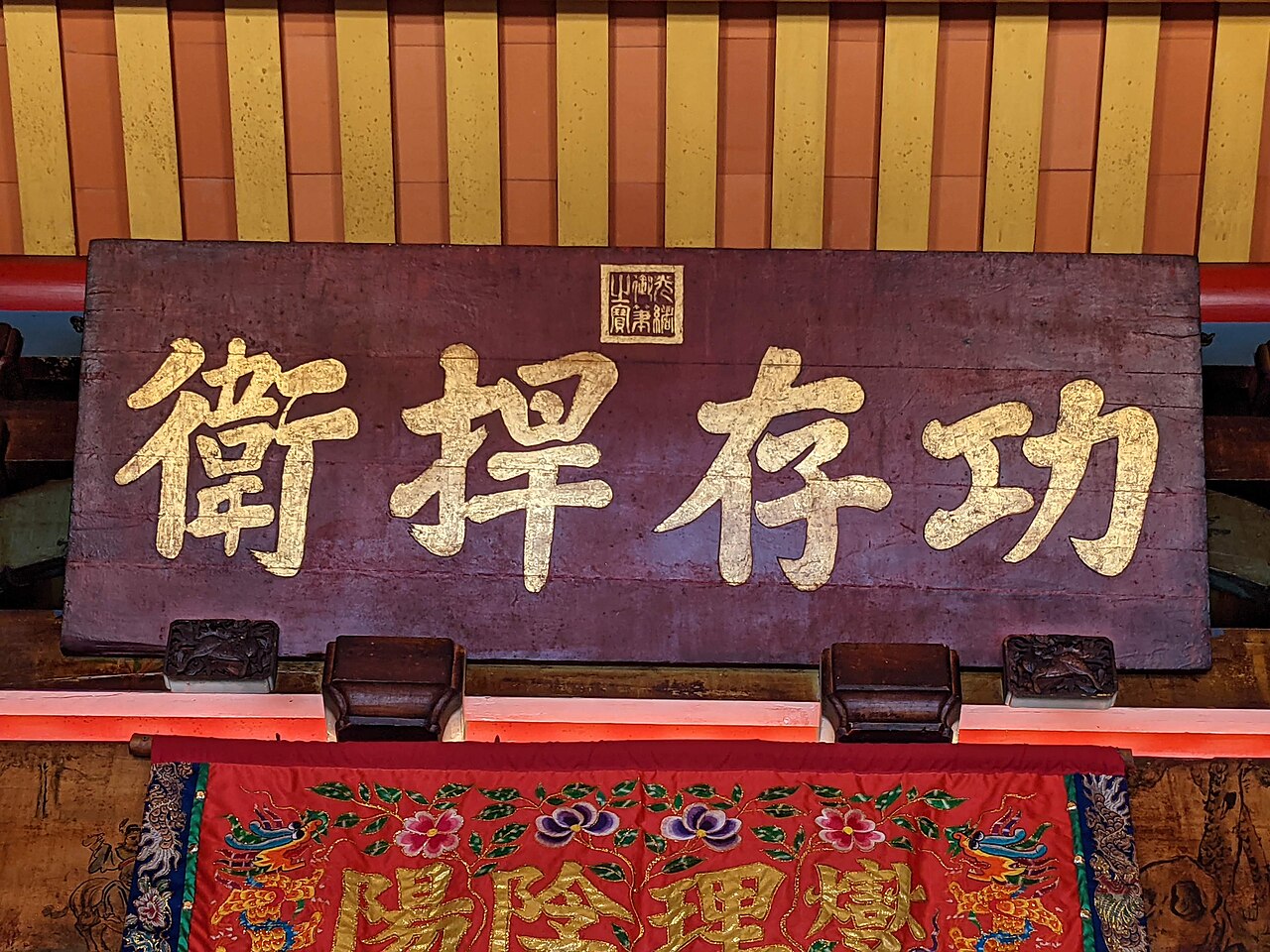
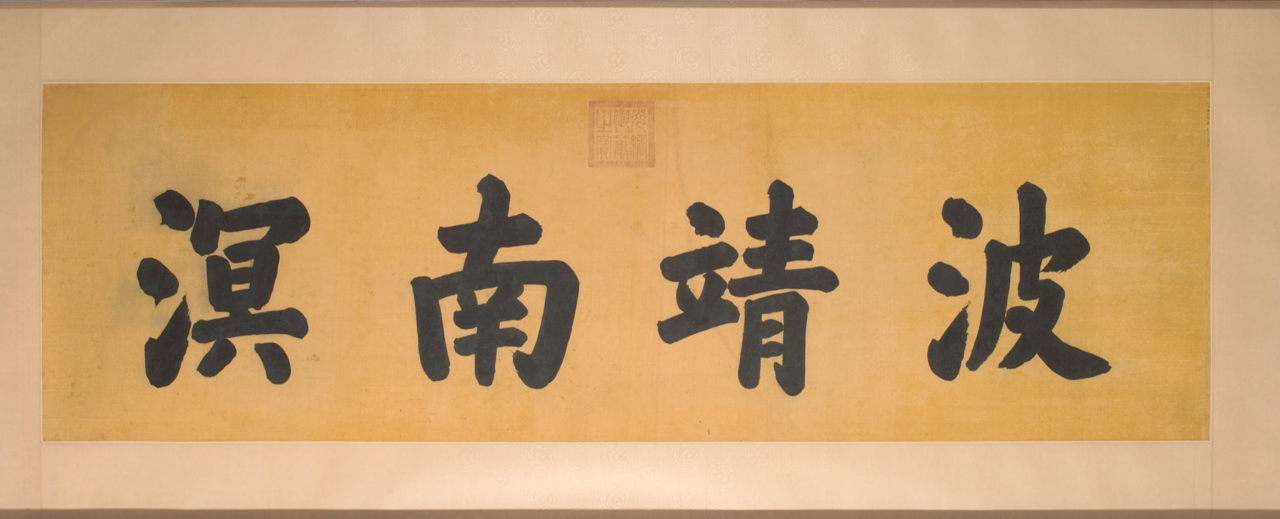
Plaque: Merit Preserved in Defense, Imperial Brush of Guangxu
Guangxu Emperor
A temple plaque bearing calligraphy attributed to Guangxu Emperor, honoring defenders at a Penghu temple.
This plaque bears calligraphy credited to Guangxu, showing how his imperial brush was used to confer honors across the empire.
About this source
What it is
This is a wooden plaque carved with large gold Chinese characters reading "功存捍衛" (merit preserved in defense), bearing a seal marking it as the "imperial brush" of Guangxu Emperor. It hangs at a temple in Penghu, Taiwan.
Why it matters
Such plaques were a common way for Chinese emperors to honor local achievements or loyalty, with the calligraphy credited to the emperor even if produced by court calligraphers in his name. The plaque shows how imperial authority reached into local communities across the empire, including distant island territories like Penghu, through symbolic gestures bearing the emperor's name and seal.
Look closer
- What does the fact that this plaque survives in a specific temple suggest about its original purpose?
- Why might an emperor's name and seal be given more weight than the content of the message itself?
- What would you need to know to confirm whether Guangxu personally wrote these characters himself?
This artifact is part of the curated material that grounds the AI version of Guangxu Emperor on Humy.ai — when students ask about related events, the AI can quote it and cite it.
More Guangxu Emperor sources
Browse all 88 →Primary source
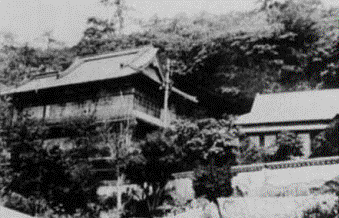
Chinese declaration of war against Japan
Guangxu Emperor · 1 August 1894
 Document
Primary source
Treaty of Shimonoseki
17 April 1895
 Painting
Primary source
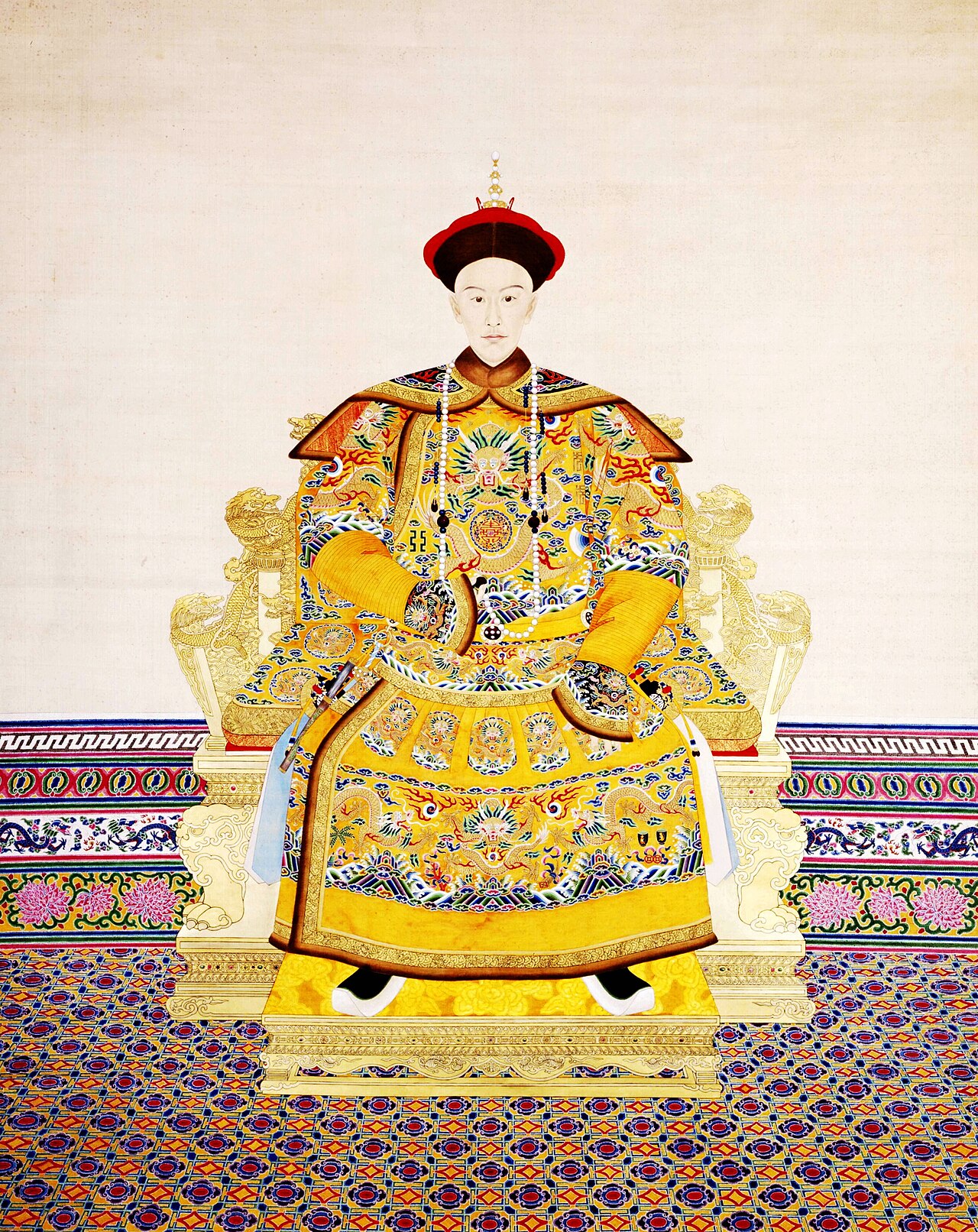
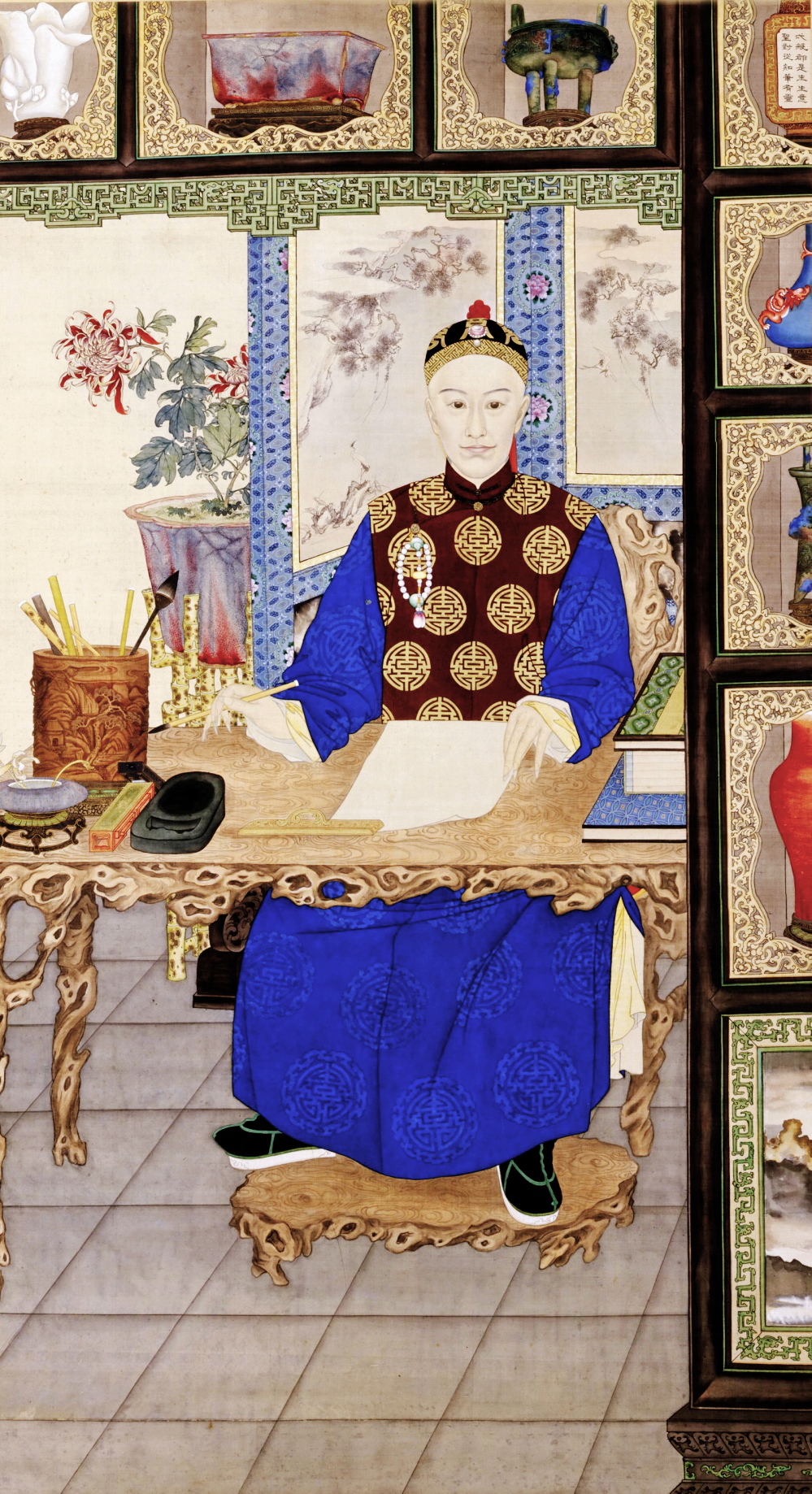
Emperor Guangxu
Qing Dynasty Court Painter
Primary source
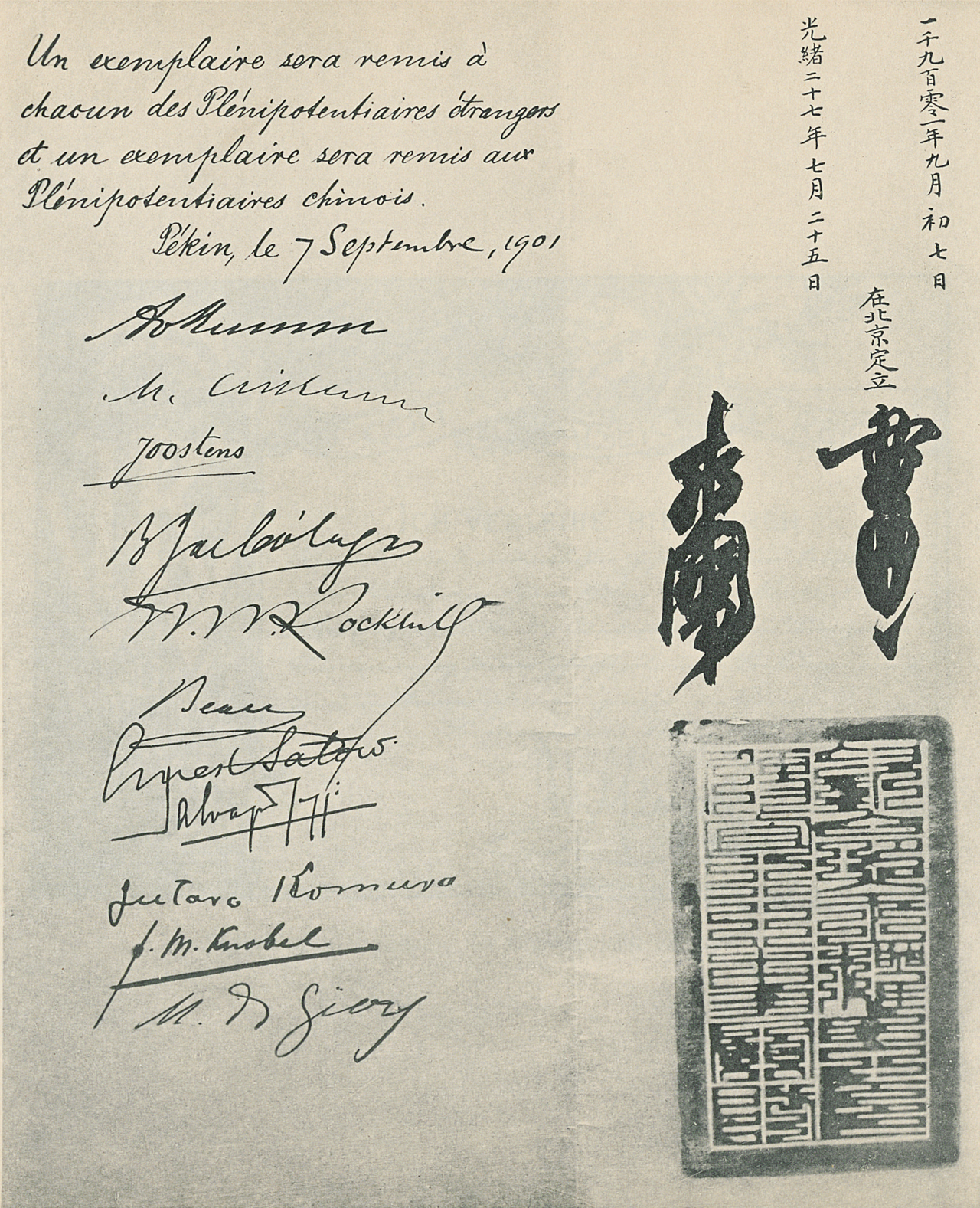
Imperial Decree of Declaration of War Against Foreign Powers
Guangxu Emperor · 21 June 1900
Free account
Read every Guangxu Emperor source
Sign up free →
Ready when you are
Start chatting with Guangxu Emperor now.
20 messages free · No credit card · Available in 50+ languages.