


Secondary sourceArtifactmid-13th century
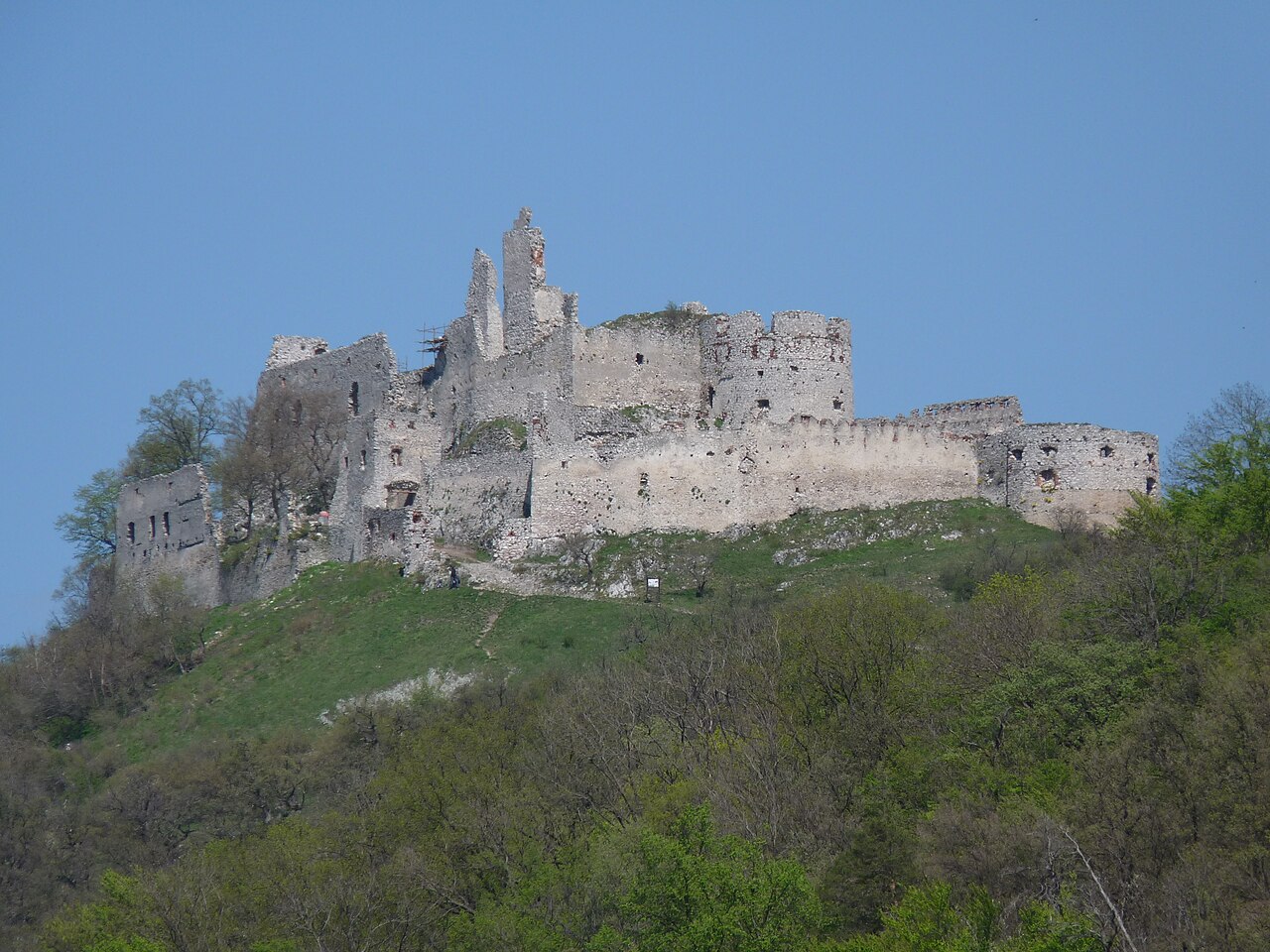
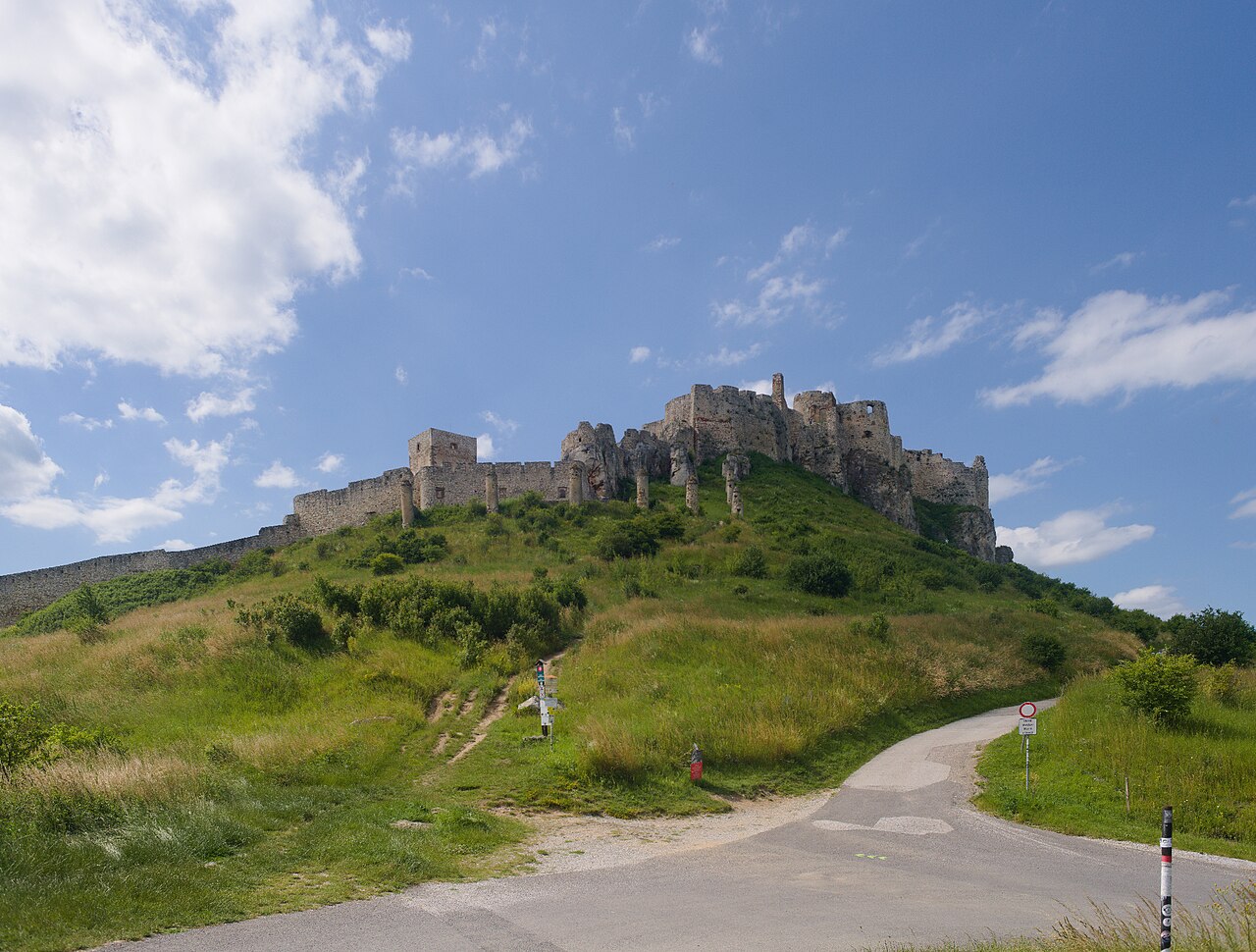
Plavecký Castle
mid-13th century
A ruined border castle in southwest Slovakia, likely built on the initiative of King Béla IV as part of his post-invasion fortress policy.
Likely built on Béla IV's initiative as part of his frontier fortress-building policy after the Mongol invasion.
About this source
What it is
Plavecký Castle is a ruined medieval castle in southwest Slovakia, built shortly after the middle of the 13th century on the frontier of the Kingdom of Hungary. It is believed to have been built on the initiative of King Béla IV. The castle later passed through many noble families before being damaged and abandoned.
Why it matters
The castle fits into the wave of stone fortress construction that Béla encouraged after the Mongol invasion devastated Hungary in 1241-1242. Border castles like this one were meant to defend the kingdom's frontiers against future attacks and to assert royal control over newly strategic regions. Its later history, including battles and changes of ownership, shows how such fortresses remained important for centuries after their builder's death.
Look closer
- Why would a king choose to build a castle on a frontier rather than in the centre of his realm?
- What clues in the ruins might tell us about the castle's original military purpose?
- Why do you think such a castle changed owners so many times over the centuries?
This artifact is part of the curated material that grounds the AI version of Béla IV of Hungary on Humy.ai — when students ask about related events, the AI can quote it and cite it.
More Béla IV of Hungary sources
Browse all 66 →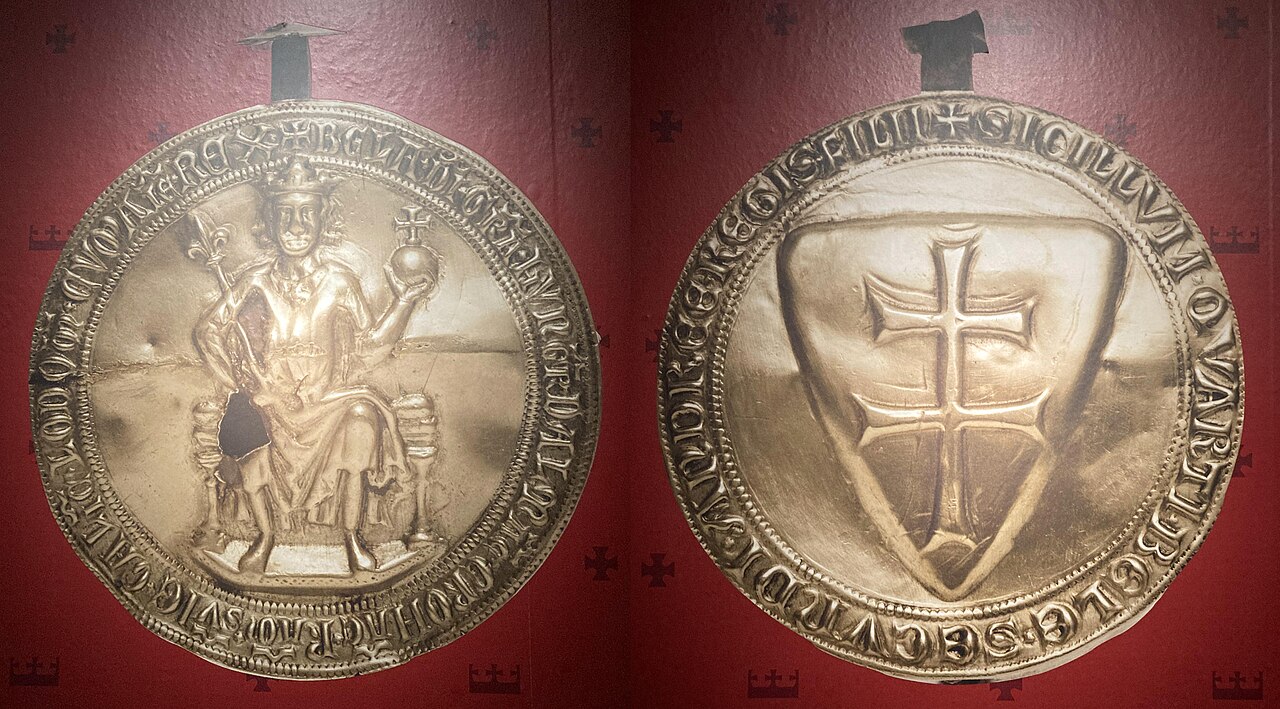 Artifact
Primary source
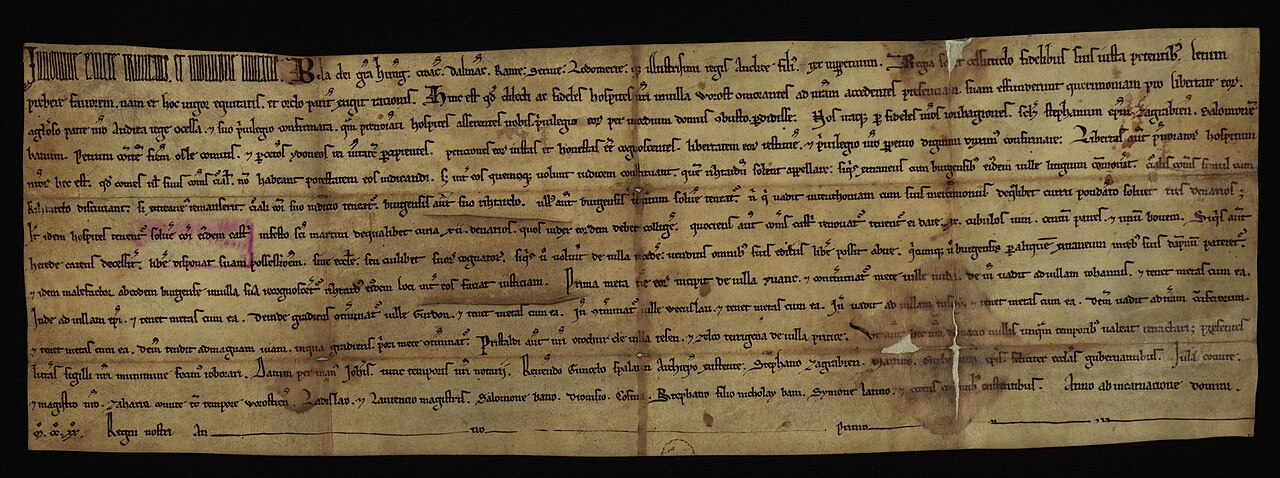
Golden Seal of Béla IV
1235–1270
 Artifact
Primary source
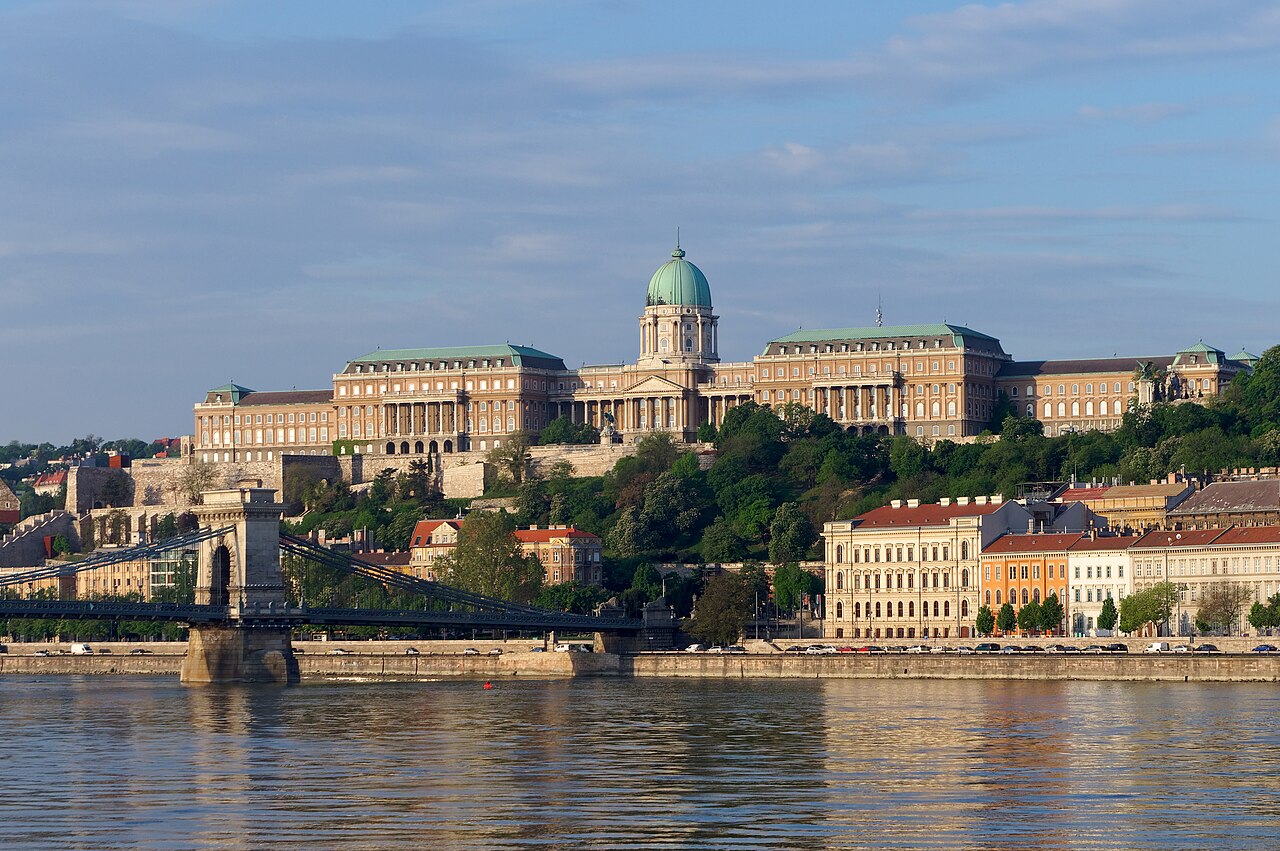
Buda Castle
1244 (rebuilt under Matthias after 1476)
 Artifact
Secondary source
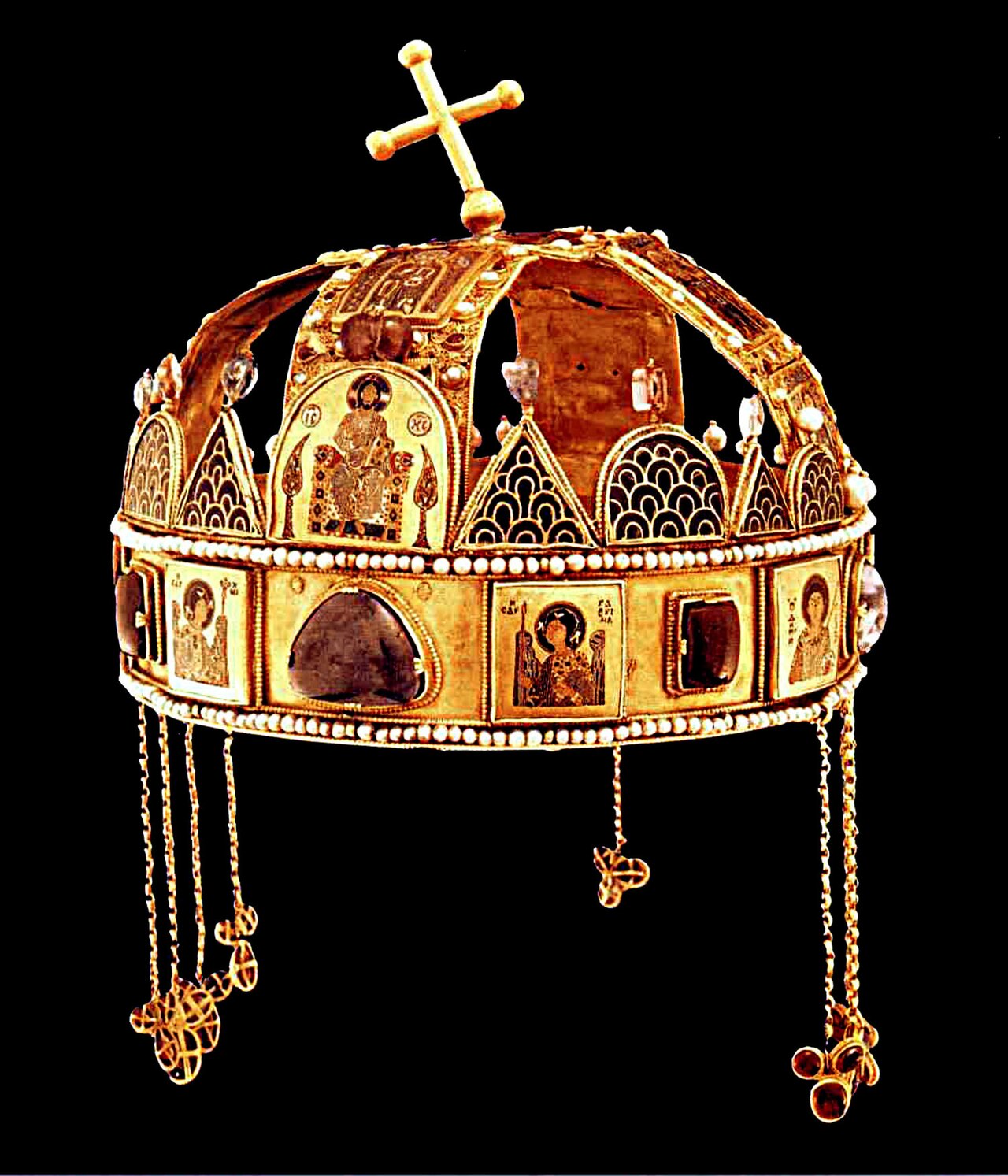
Holy Crown of Hungary
1070s, present form c. late 12th century
 Artifact
Primary source
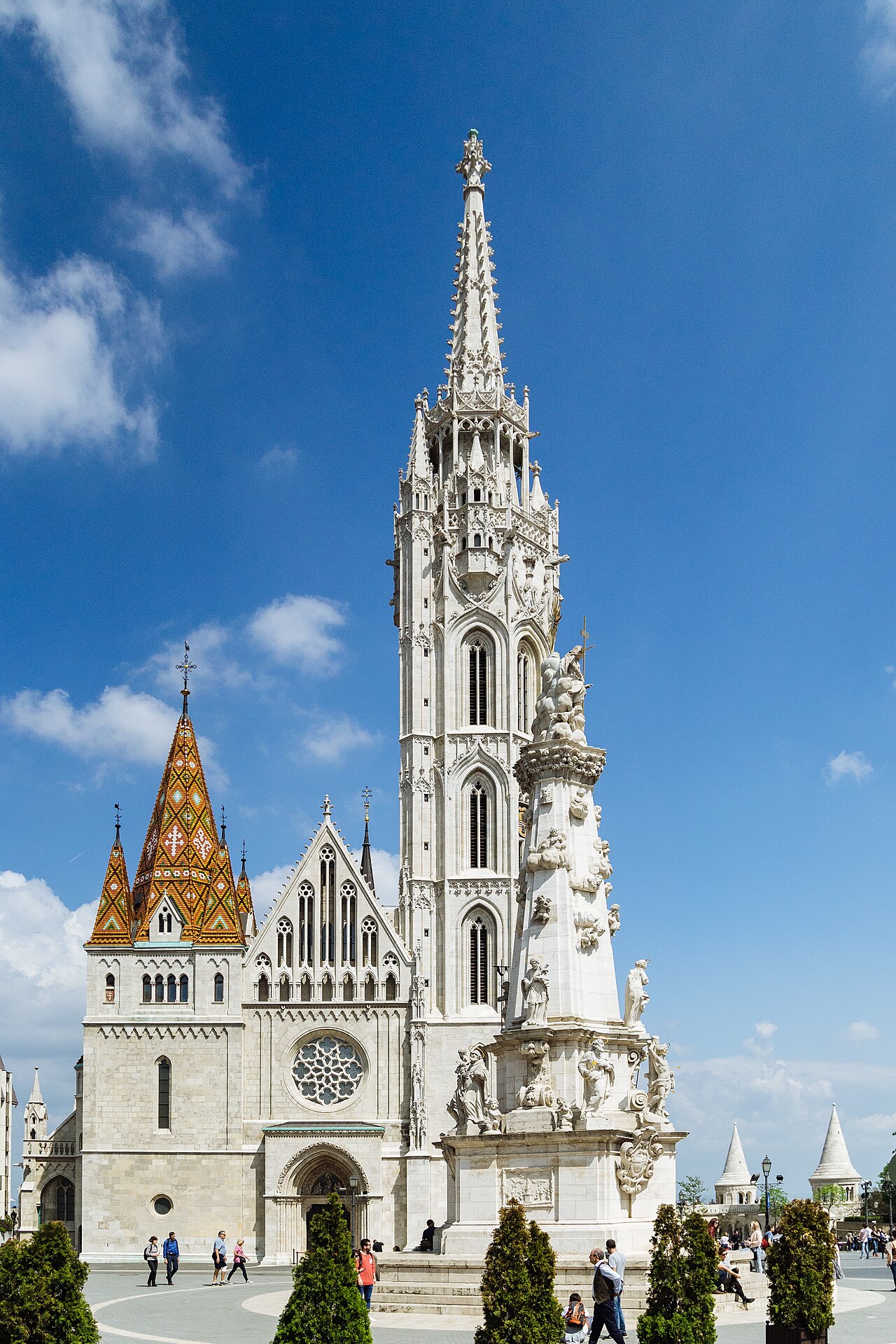
Matthias Church
1255

Free account
Read every Béla IV of Hungary source
Sign up free →
Ready when you are
Start chatting with Béla IV of Hungary now.
20 messages free · No credit card · Available in 50+ languages.