


Secondary sourceArtifact1617–1619
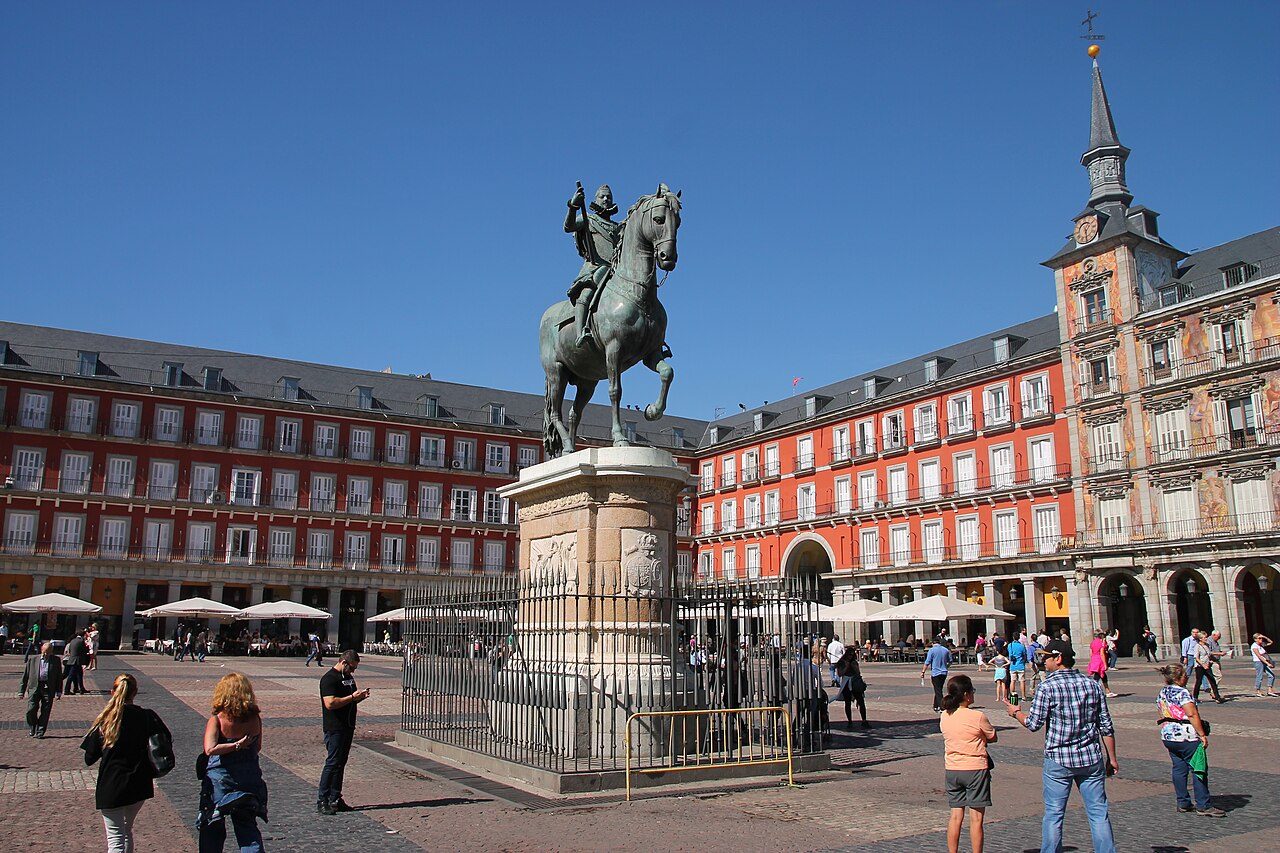
Plaza Mayor, Madrid
Juan Gómez de Mora · 1617–1619
Madrid's main public square, built 1617–1619 under Philip III, marking the city's consolidation as Spain's capital.
Philip III commissioned the construction of this square, which became the symbolic centre of Madrid as Spain's capital.
Free Humy account · No credit card · 120,288 sources to read
About this source
What it is
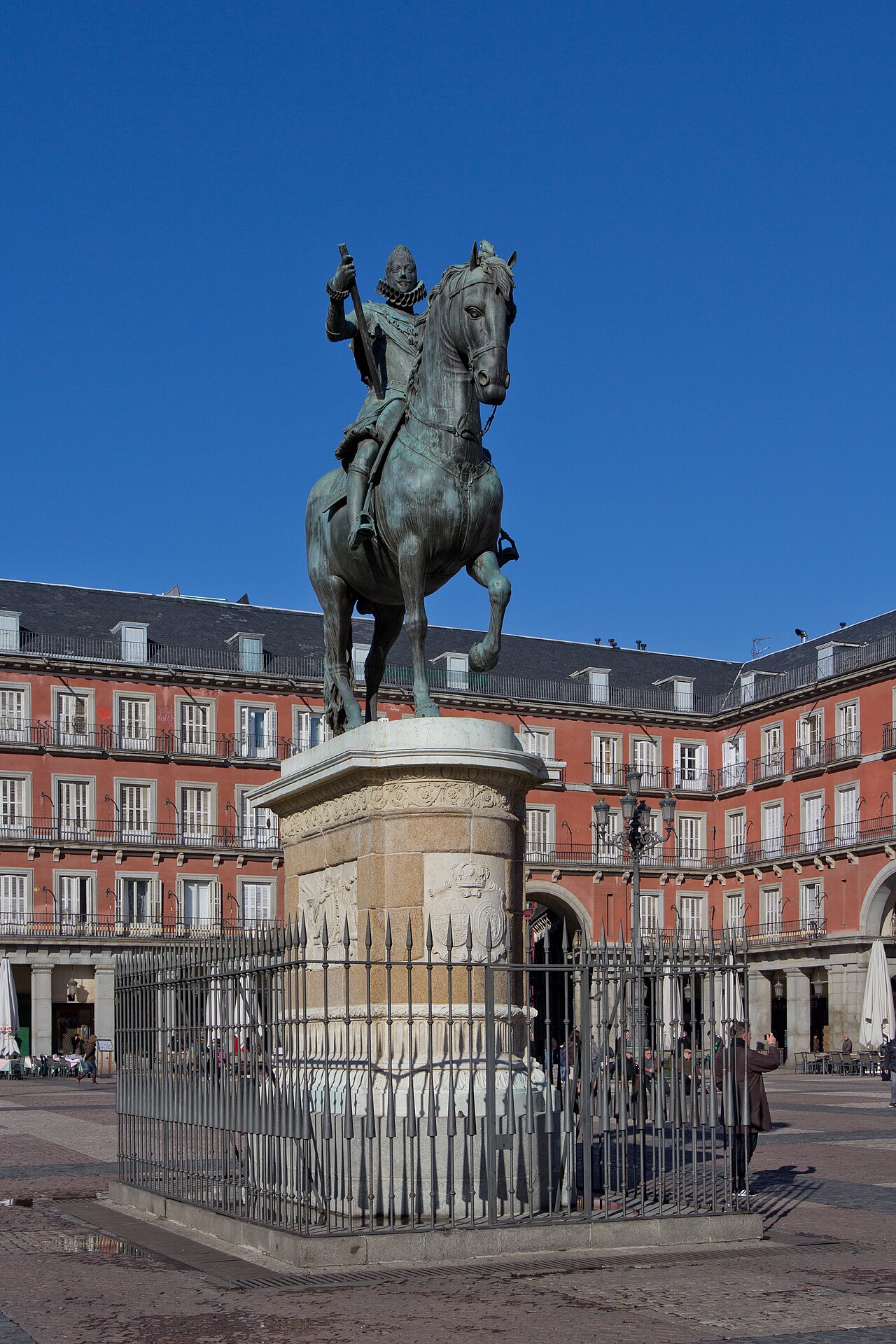
The Plaza Mayor is the principal public square of Madrid. Design work began under Philip II, but construction took place in 1617–1619 under Philip III, directed by the architect Juan Gómez de Mora. A bronze equestrian statue of Philip III, made in 1616 by Giambologna and Pietro Tacca and given by the Medici family, now stands at its centre.
Why it matters
The square's construction marked the consolidation of Madrid as the fixed capital of Spain after the court returned from Valladolid. Over the centuries it has served as a marketplace, a site of public events including executions and an auto-da-fé under the Spanish Inquisition, and today a major gathering place and tourist site. It shows how Philip III shaped the physical identity of his capital.
Look closer
- Why might a king want to build a grand square at the heart of his capital?
- What different uses has the square had over time, and what does that reveal about changing Spanish society?
- What does the statue at its centre tell you about how later rulers wanted Philip III to be remembered?
This artifact is part of the curated material that grounds the AI version of Philip III of Spain on Humy.ai — when students ask about related events, the AI can quote it and cite it.
More Philip III of Spain sources
Browse all 92 →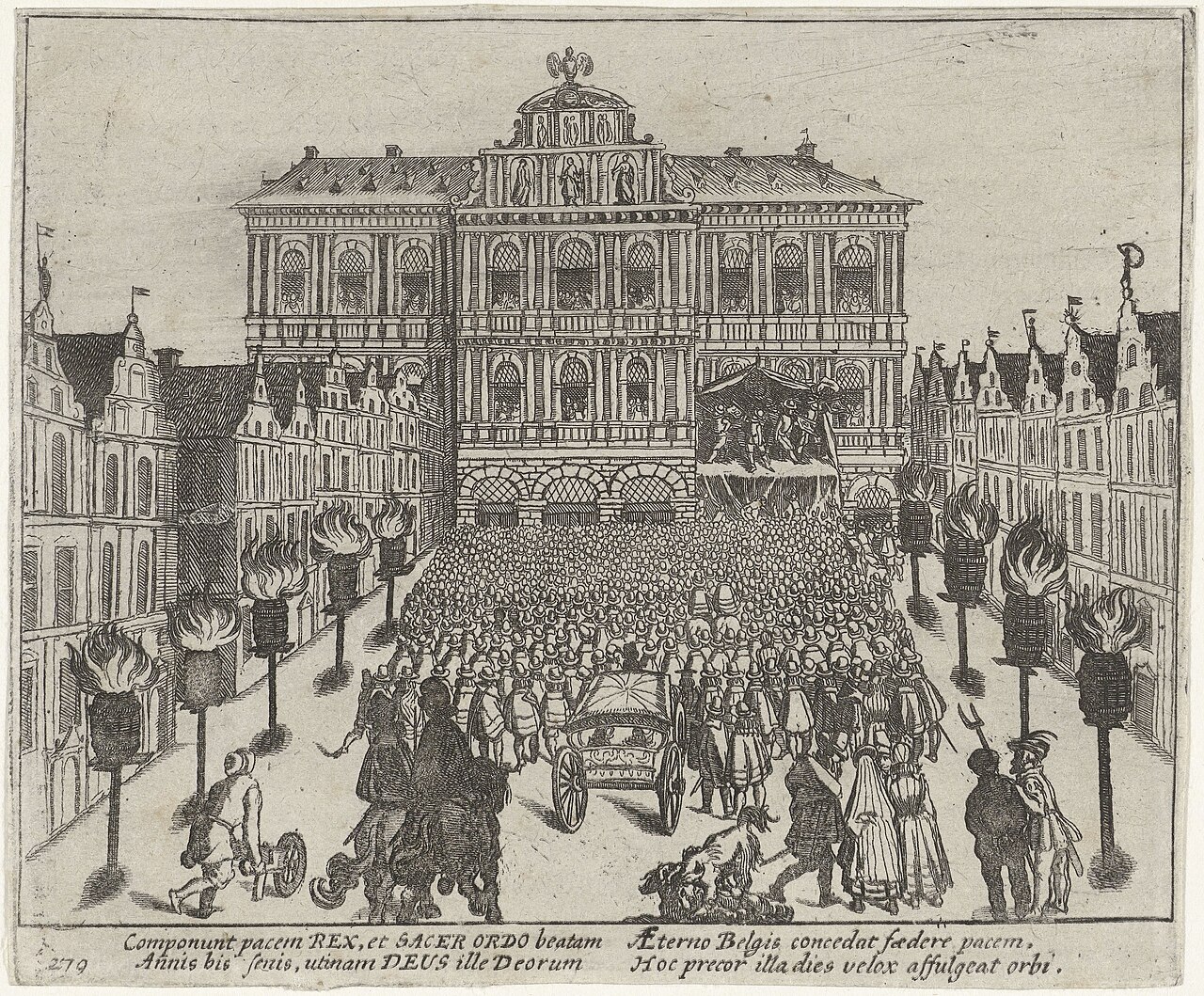 Document
Primary source
Twelve Years' Truce
1609
 Sculpture
Secondary source
Equestrian statue of Philip III of Spain, Madrid
Giambologna · 1616
 Painting
Secondary source
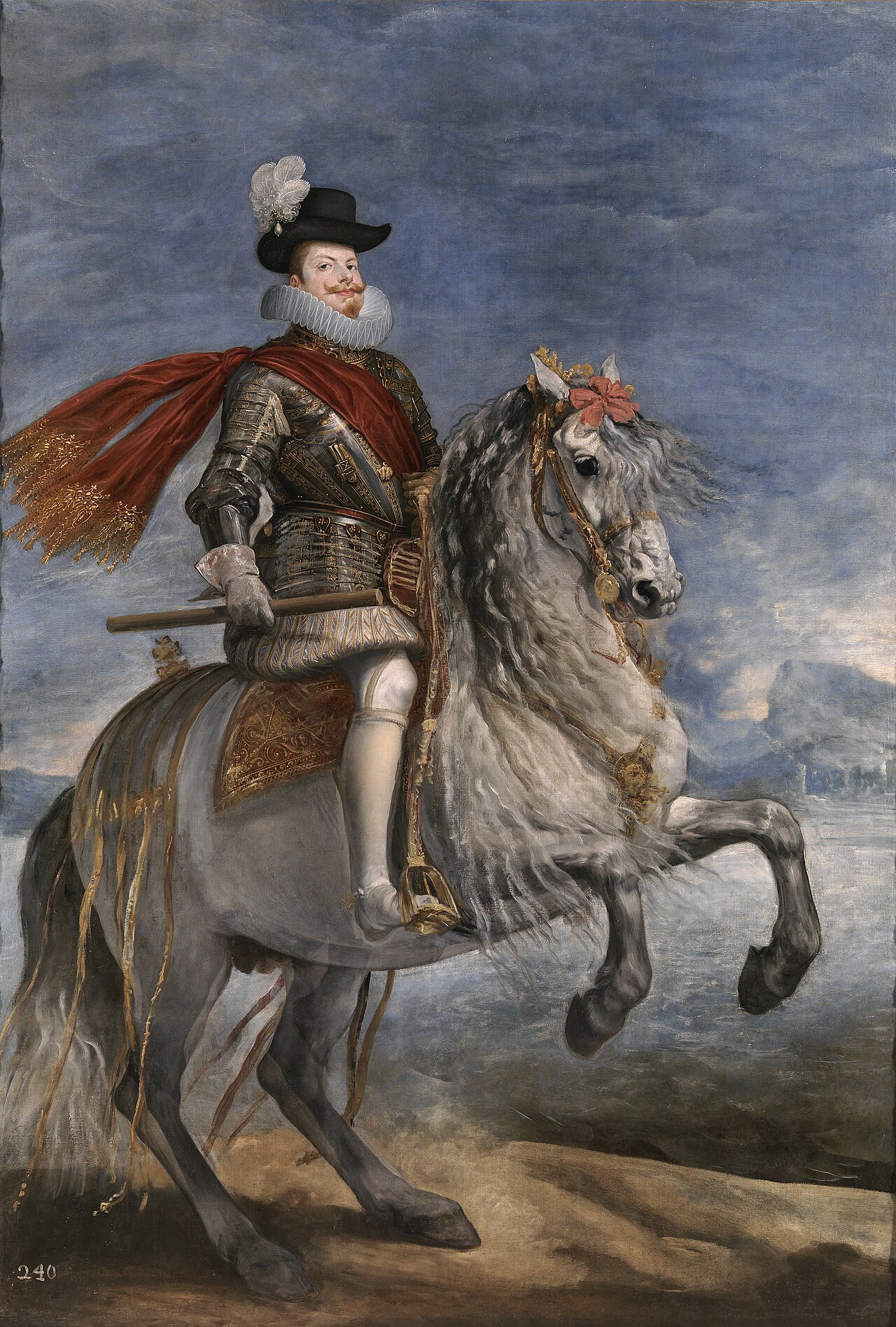
Equestrian Portrait of Philip III
Diego Velázquez · 1634/35
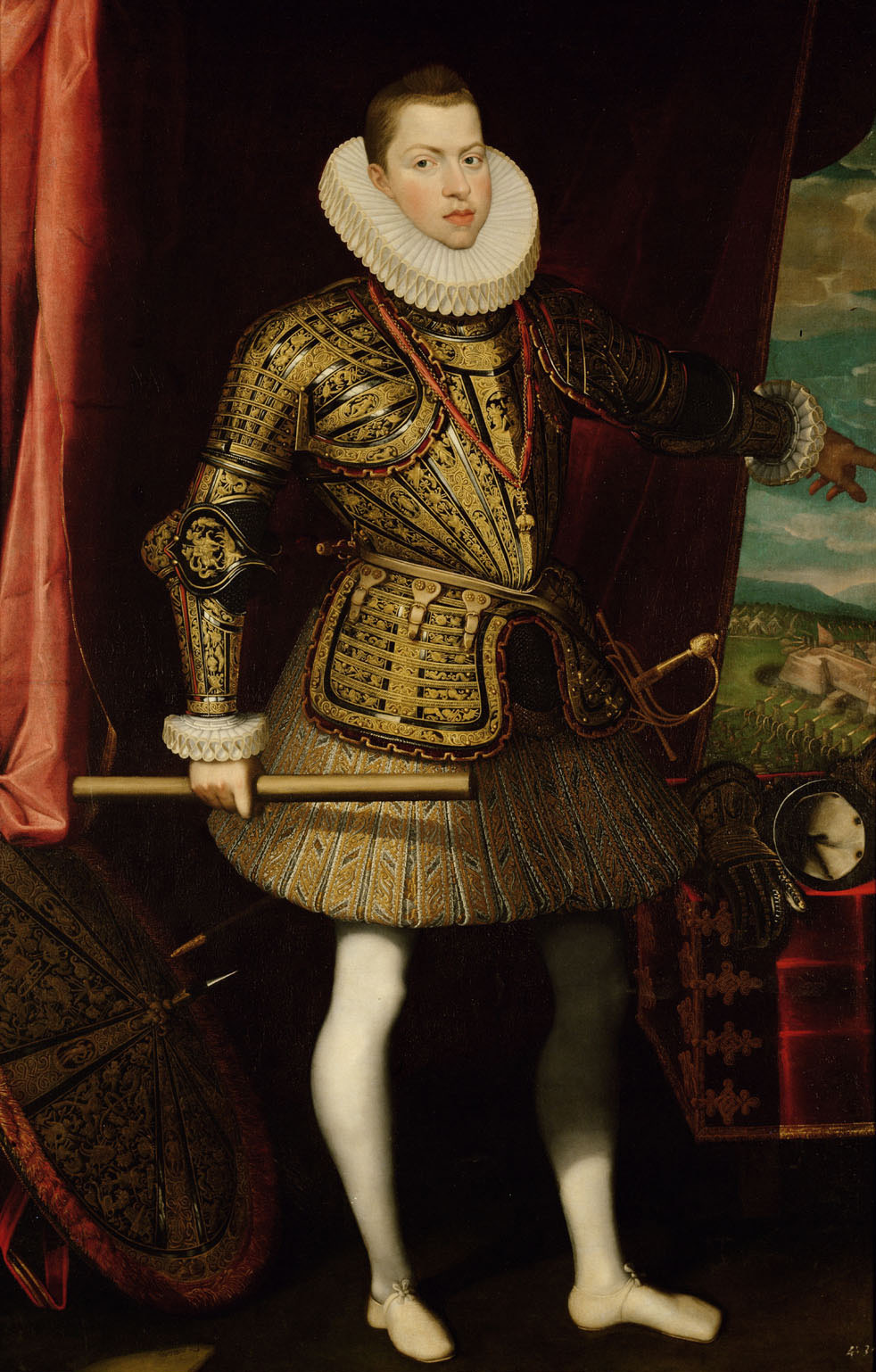 Painting
Primary source
King Philip III of Spain as General of the Infantry
Juan Pantoja de la Cruz · 1601
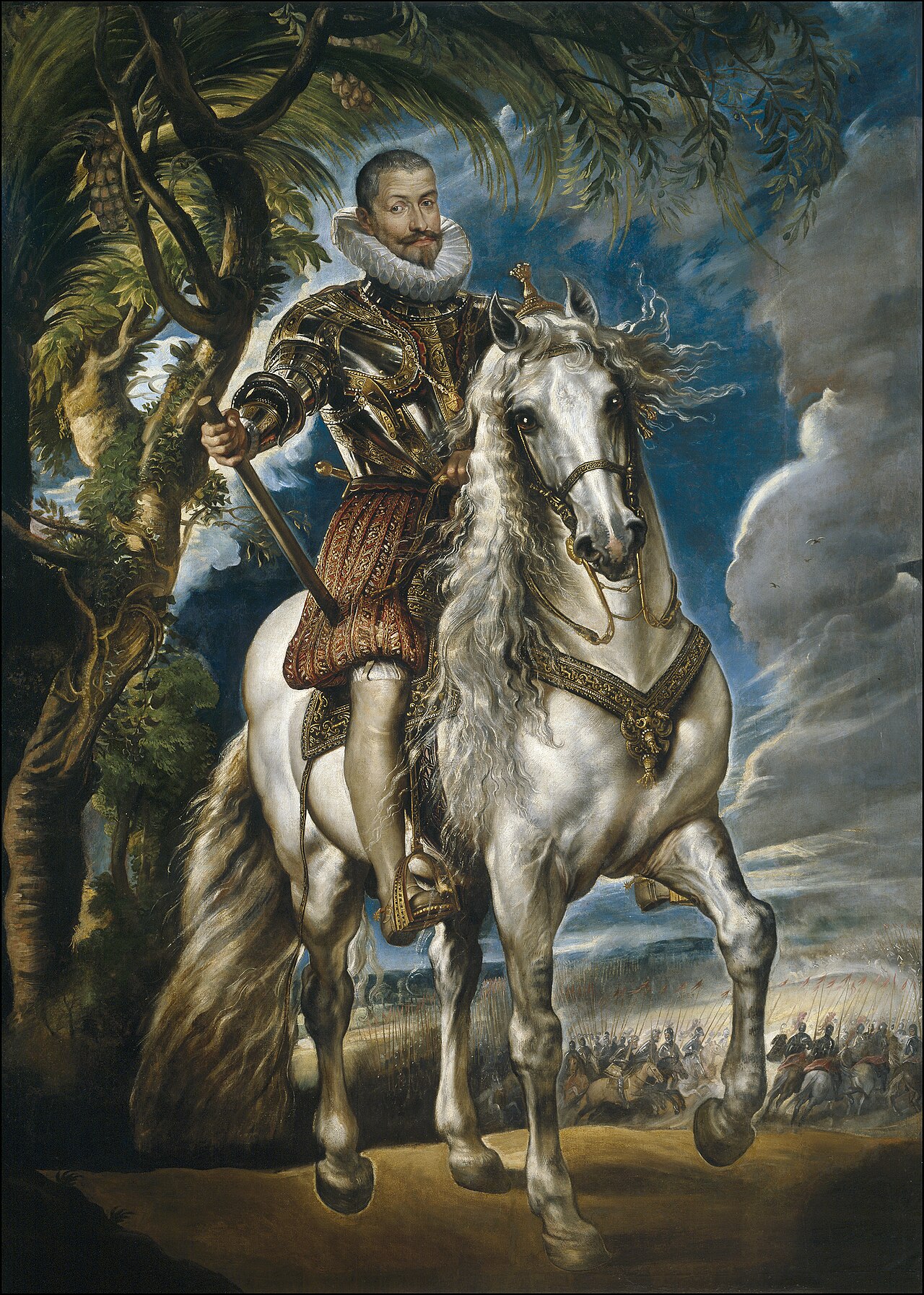
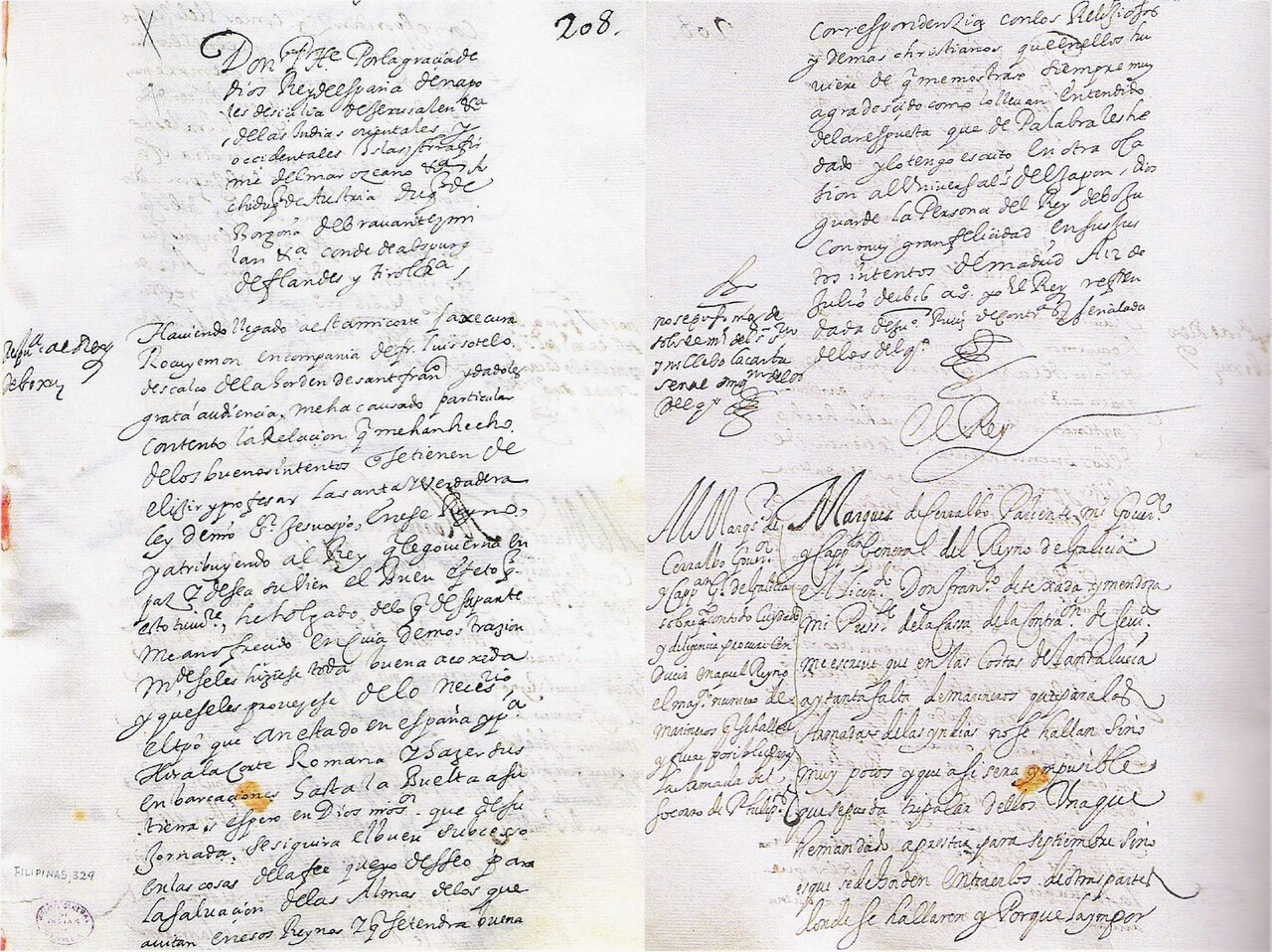
Free account
Read every Philip III of Spain source
Sign up free →
Ready when you are
Start chatting with Philip III of Spain now.
20 messages free · No credit card · Available in 50+ languages.