


Secondary sourceBook1907
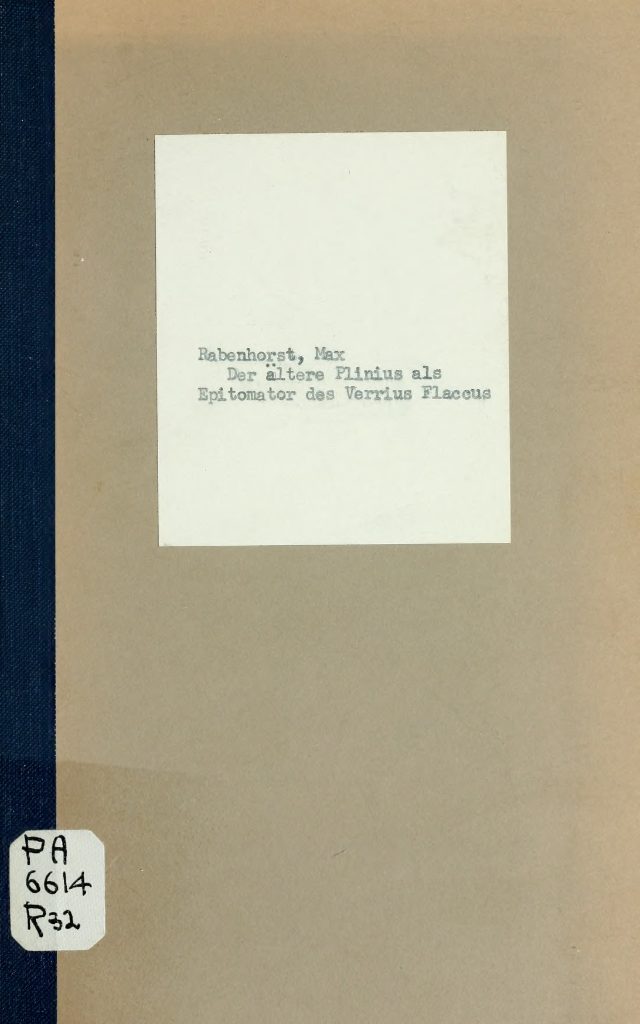
Pliny the Elder as Epitomator of Verrius Flaccus
Max Rabenhorst · 1907
A 1907 German scholarly book analysing how Pliny the Elder used the writings of Verrius Flaccus as a source for Book Seven of his Natural History.
A modern scholarly study of how Pliny the Elder compiled and used his sources in the Natural History.
Free Humy account · No credit card · 120,912 sources to read
About this source
What it is
This is a scholarly book by Max Rabenhorst, published in Berlin in 1907, titled 'Der ältere Plinius als Epitomator des Verrius Flaccus' (Pliny the Elder as Epitomator of Verrius Flaccus). It is a source analysis of the seventh book of Pliny's Natural History, examining how Pliny summarised and drew on the earlier writer Verrius Flaccus.
Why it matters
Pliny the Elder's Natural History was a huge compilation drawing on many earlier writers, and scholars like Rabenhorst have studied exactly how Pliny used his sources. This kind of analysis helps historians understand which parts of Pliny's work were his own observation and which were copied or adapted from others, such as Verrius Flaccus.
Look closer
- Why might it matter to historians whether Pliny copied closely from Verrius Flaccus or changed the material?
- What does this book's existence tell you about how later scholars study ancient texts?
- How might comparing Pliny's work to his sources change how reliable we think the Natural History is?
This book is part of the curated material that grounds the AI version of Pliny the Elder on Humy.ai — when students ask about related events, the AI can quote it and cite it.
More Pliny the Elder sources
Browse all 84 →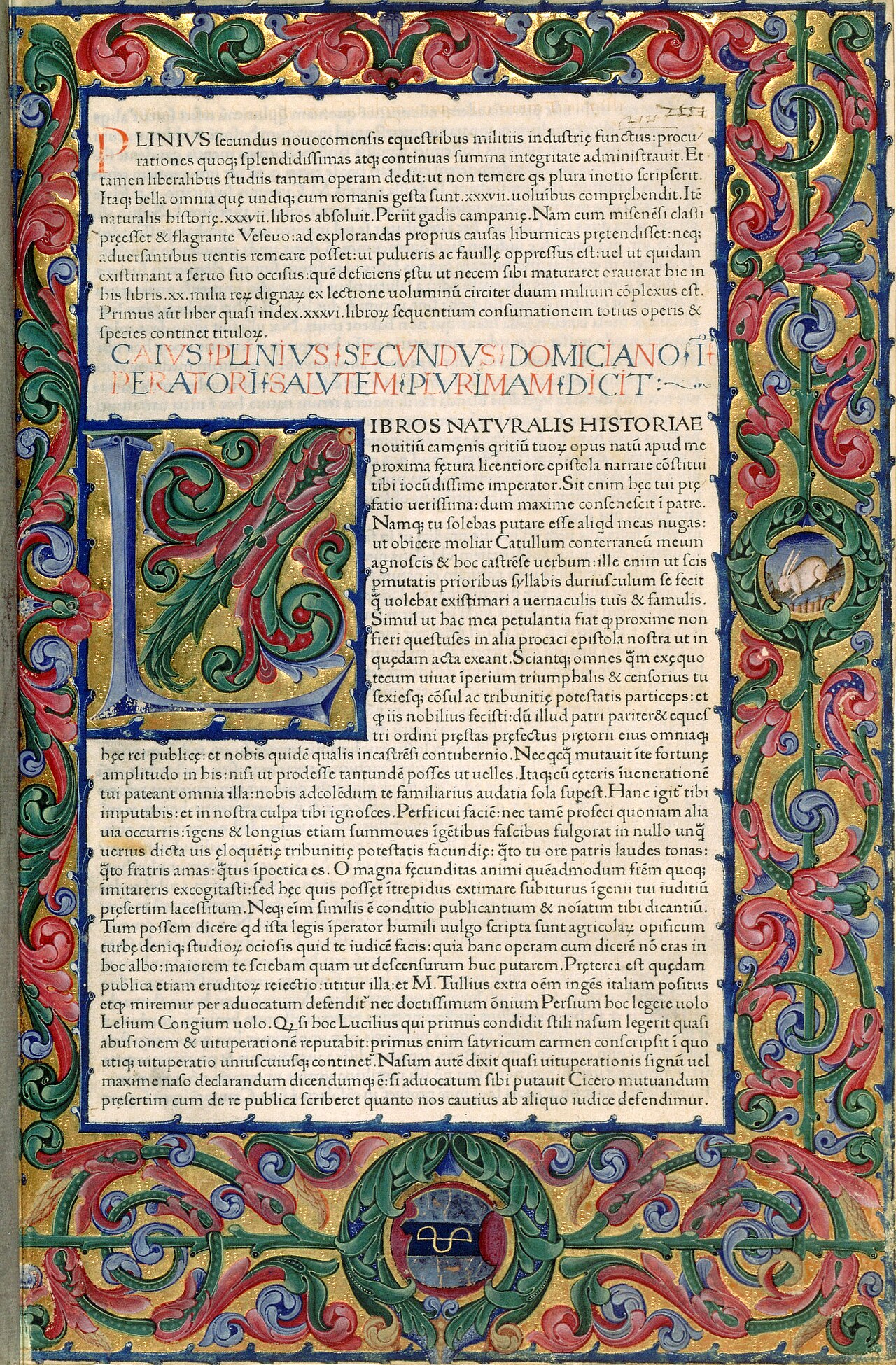 Book
Secondary source
Natural History
Pliny the Elder · 77-79 CE
 Sculpture
Secondary source
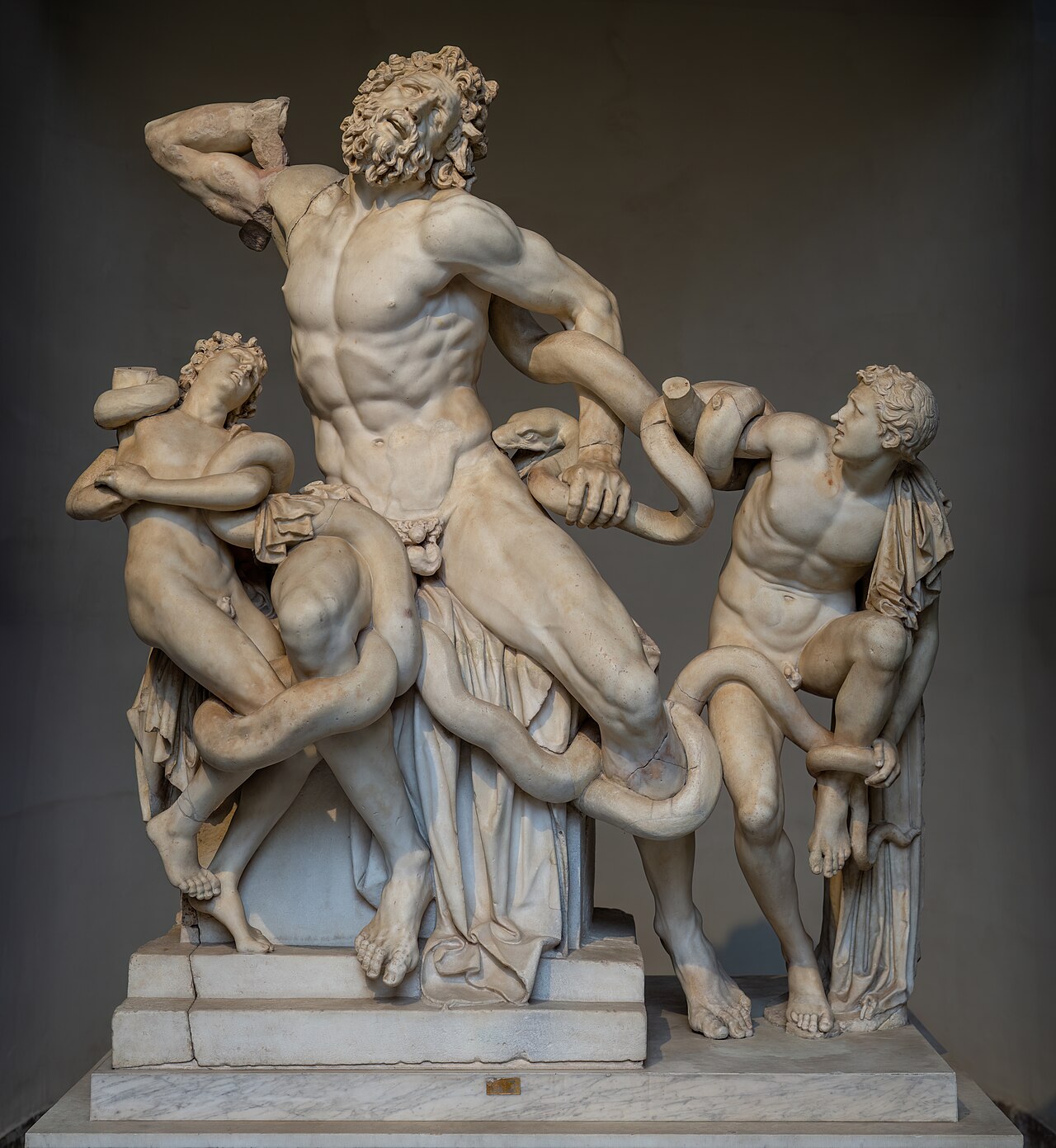
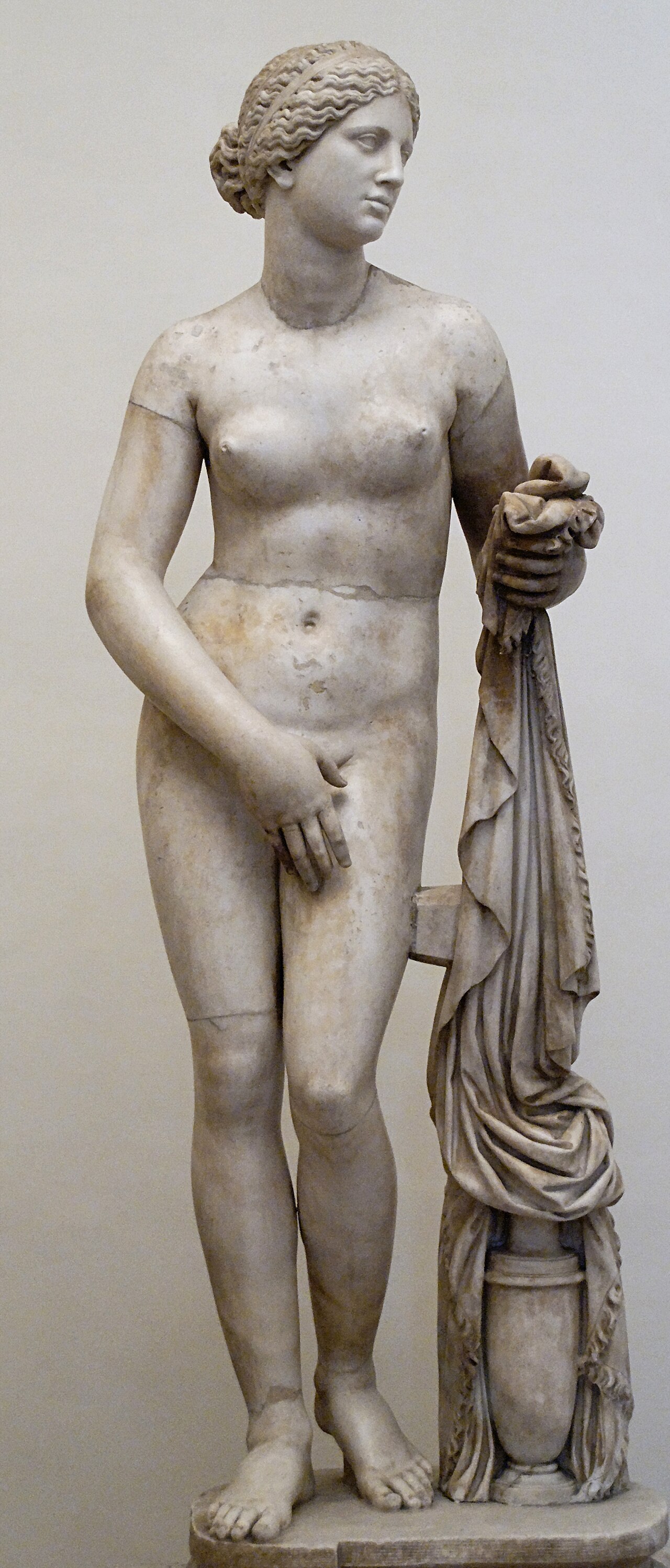
Laocoön and His Sons
Athanadoros · uncertain, Hellenistic to early Imperial period
 Book
Primary source
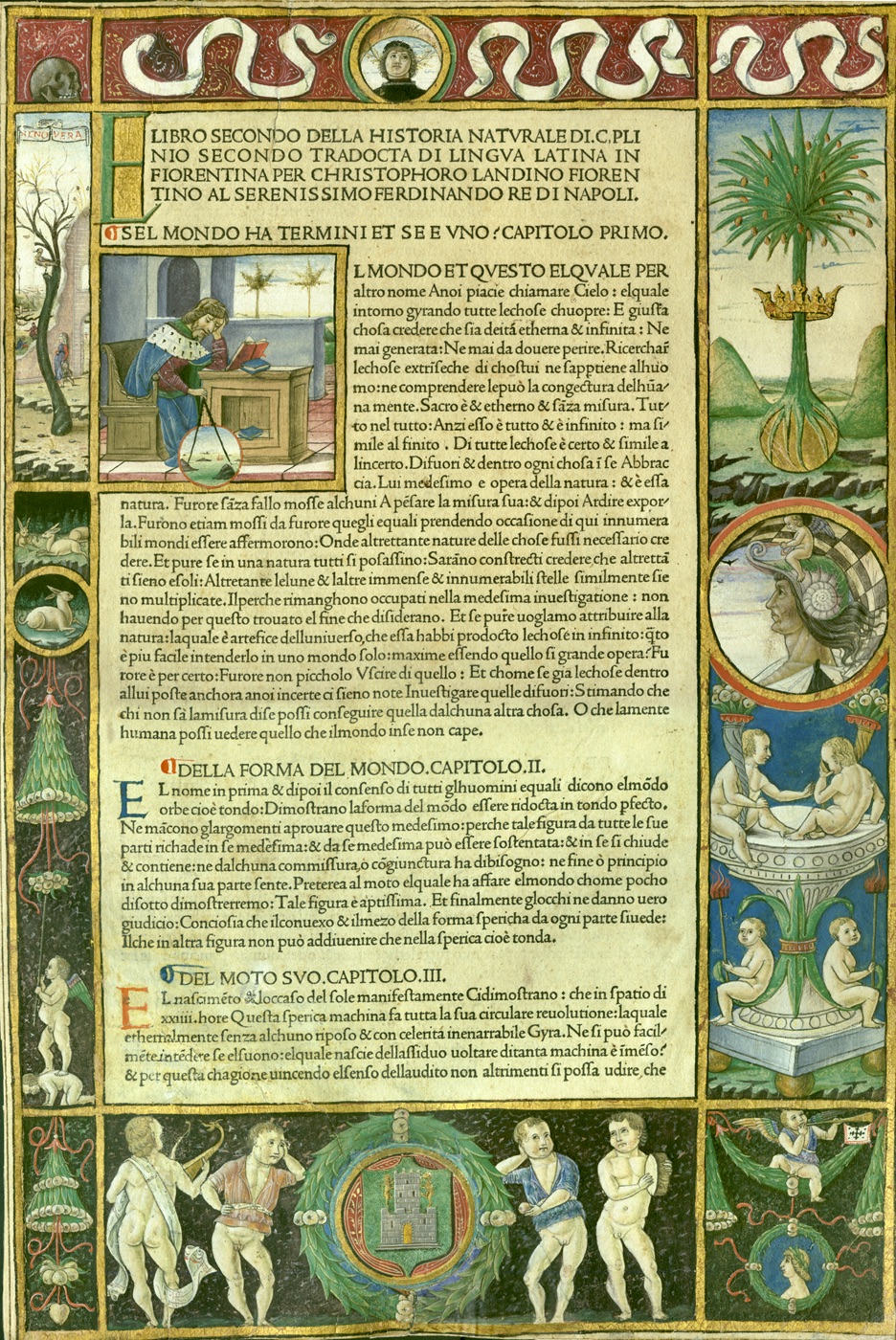
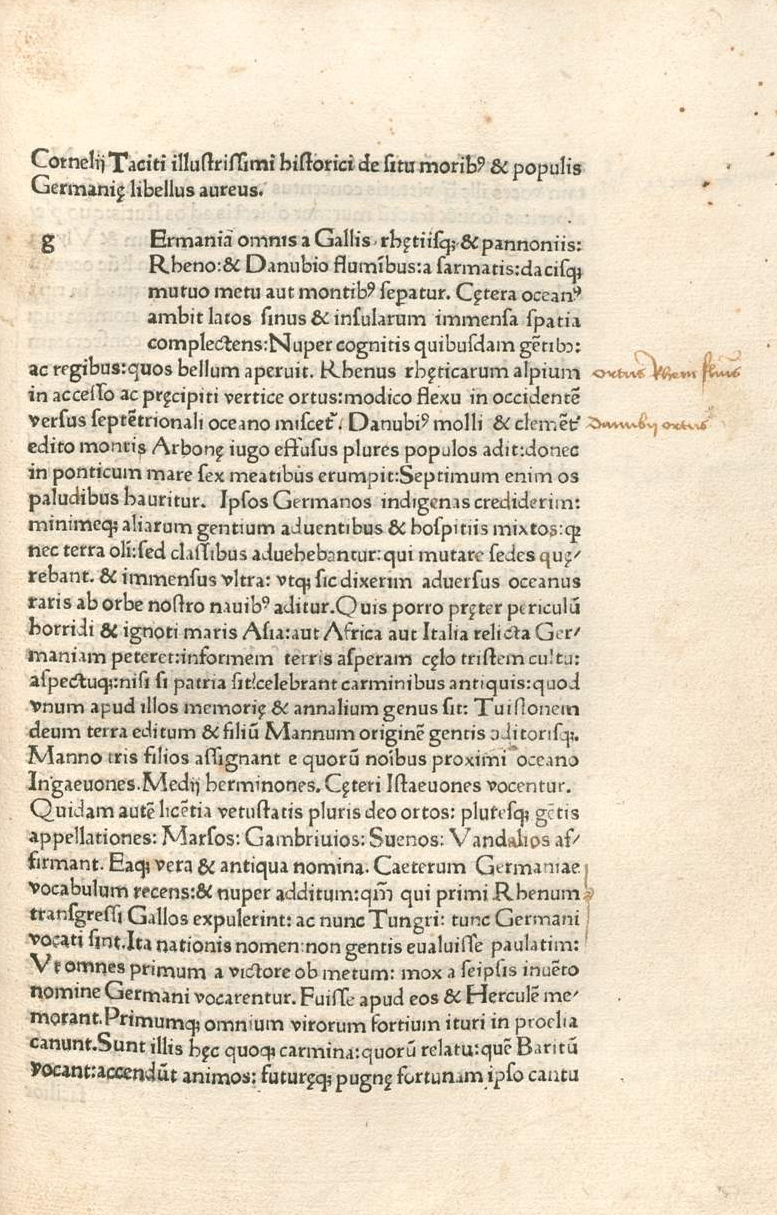
Naturalis historia Illuminated Initial Leaf
Pliny the Elder · c. 1476
 Book
Secondary source
The History of the World, Commonly Called the Naturall Historie of C. Plinius Secundus
Philemon Holland · 1601
Free account
Read every Pliny the Elder source
Sign up free →
Ready when you are
Start chatting with Pliny the Elder now.
20 messages free · No credit card · Available in 50+ languages.