


Secondary sourceBook77-79 CE
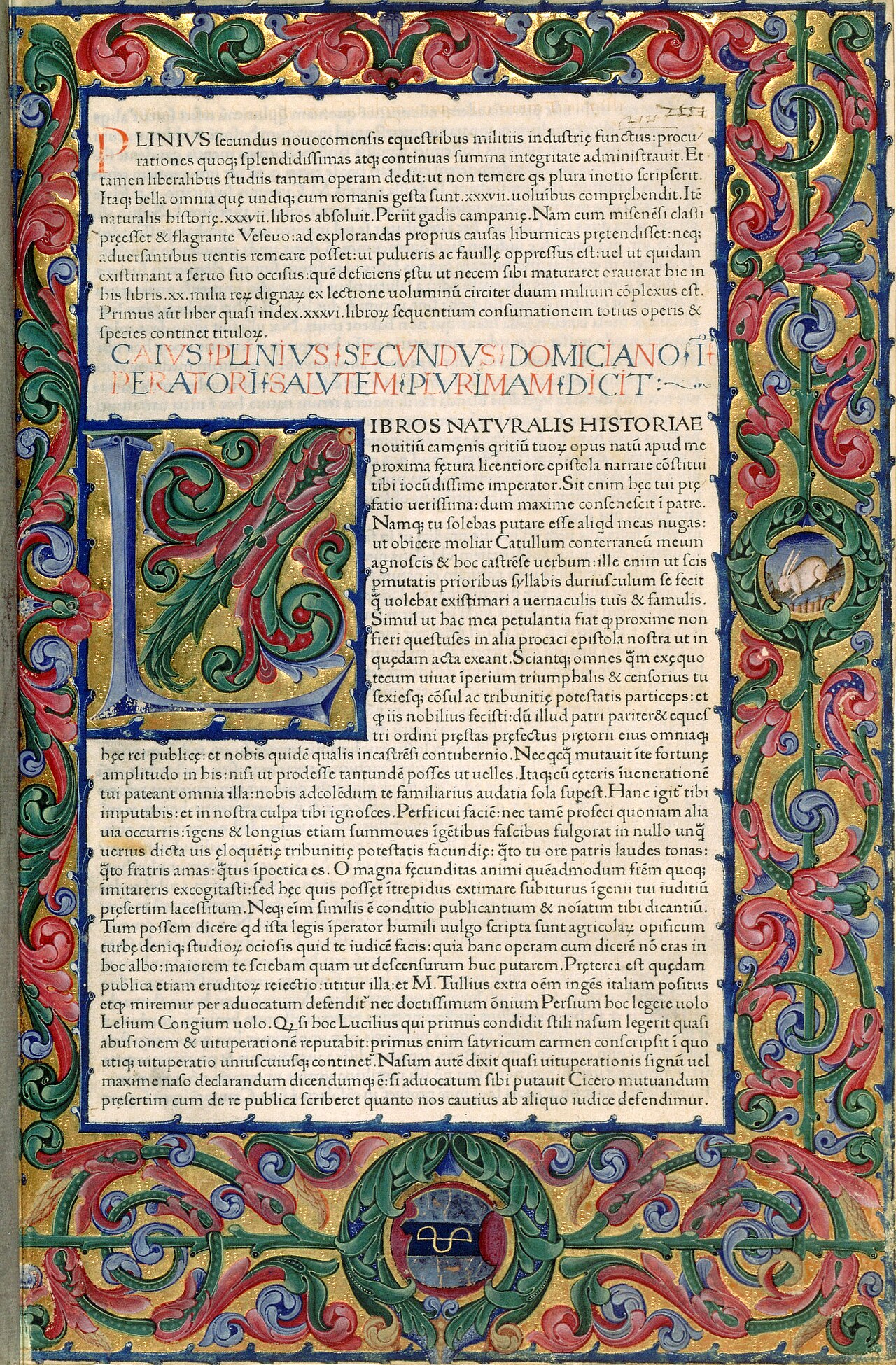
Natural History
Pliny the Elder · 77-79 CE
A Roman encyclopedia by Pliny the Elder containing the famous story of Cleopatra dissolving a pearl in vinegar to win a bet with Mark Antony.
Source of the famous pearl-in-vinegar anecdote that shaped Cleopatra's reputation for extravagance.
About this source
What it is
The Natural History is a huge Latin encyclopedia written by the Roman author Pliny the Elder, published in parts starting in 77 CE, decades after Cleopatra's death. It covers many subjects, including precious stones, and is the only one of Pliny's works to survive.
Why it matters
Among its stories is the famous tale of Cleopatra dissolving an extremely valuable pearl in vinegar and drinking it to win a wager with Mark Antony. This anecdote, written long after Cleopatra died, helped create her lasting reputation for fabulous wealth and extravagance, showing how later Roman writers shaped the way she is remembered.
Look closer
- Pliny wrote this story more than a century after Cleopatra's death — how might that affect how reliable it is?
- Why might Roman writers want to portray Cleopatra as excessively luxurious?
- What does this story tell us more about: Cleopatra herself, or Roman attitudes toward her?
This book is part of the curated material that grounds the AI version of Cleopatra on Humy.ai — when students ask about related events, the AI can quote it and cite it.
More Cleopatra sources
Meet the AI Cleopatra →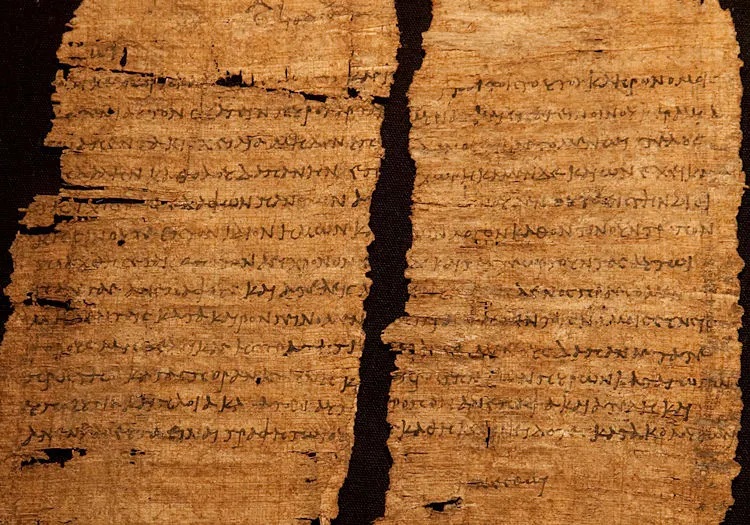 Document
Primary source
Papyrus with Signature of Cleopatra VII
Ptolemaic scribe; possibly countersigned by Cleopatra VII · February 33 BCE
 Painting
Secondary source
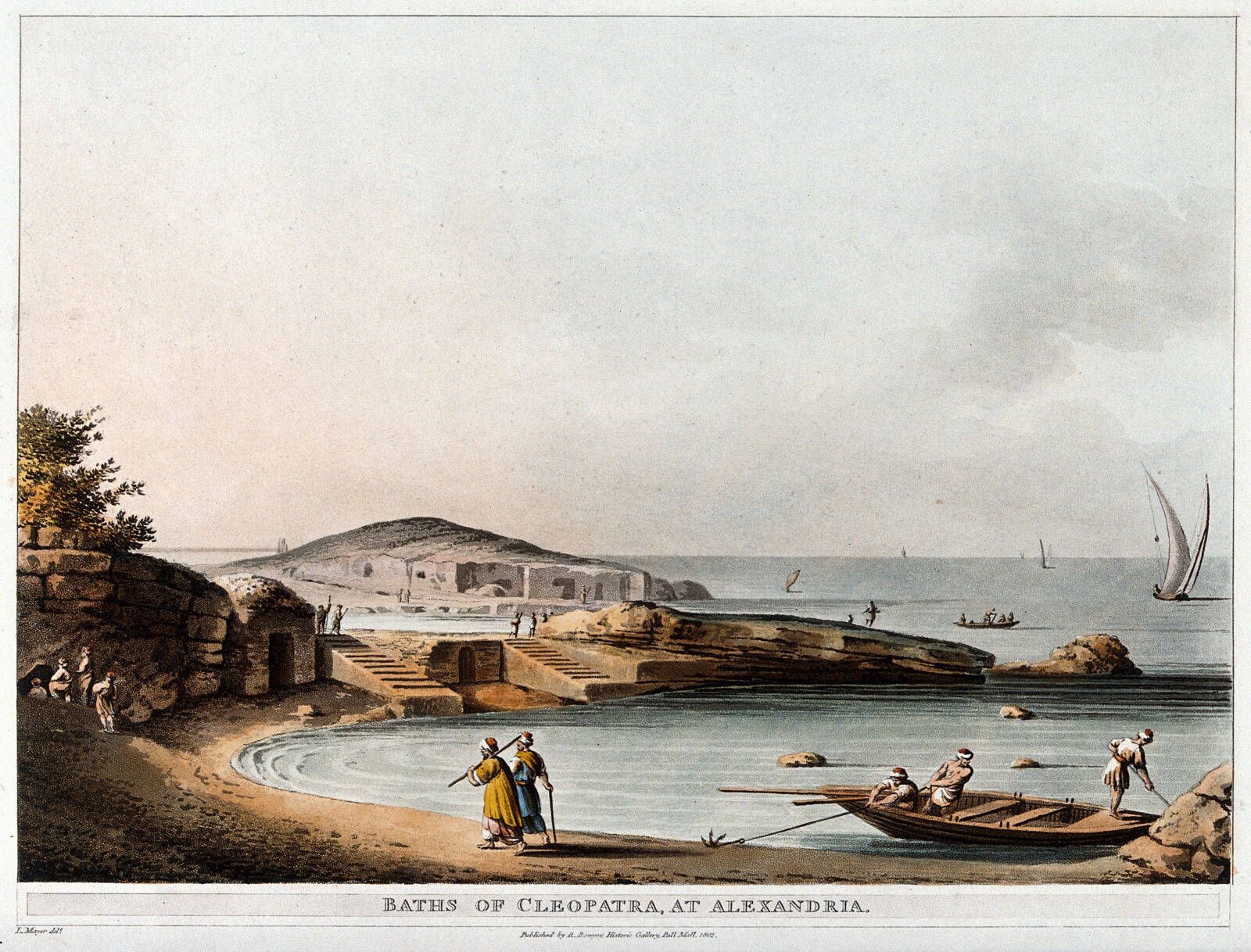
Baths of Cleopatra, at Alexandria
Luigi Mayer · 1802
 Sculpture
Secondary source
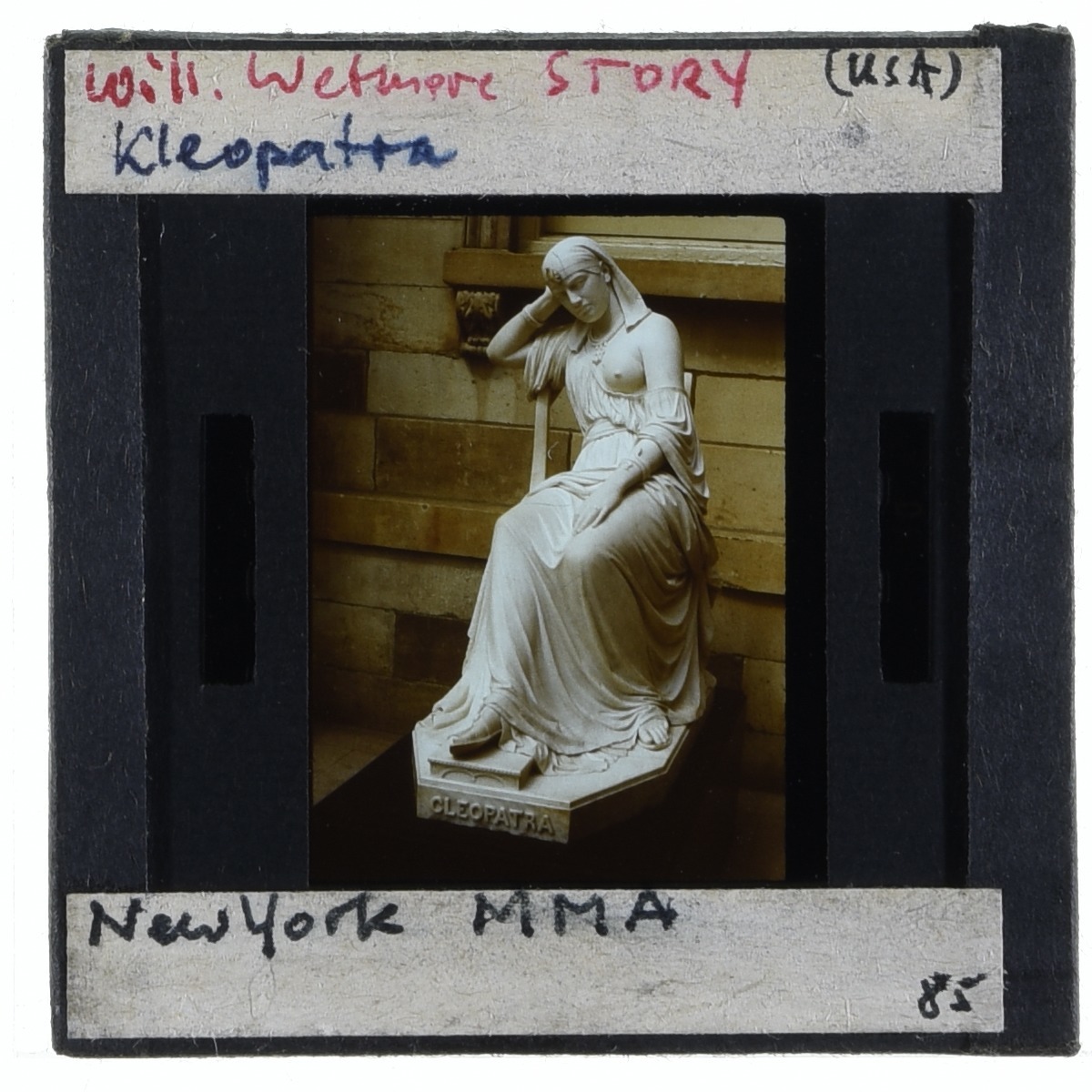
Cleopatra
William Wetmore Story
 Sculpture
Primary source
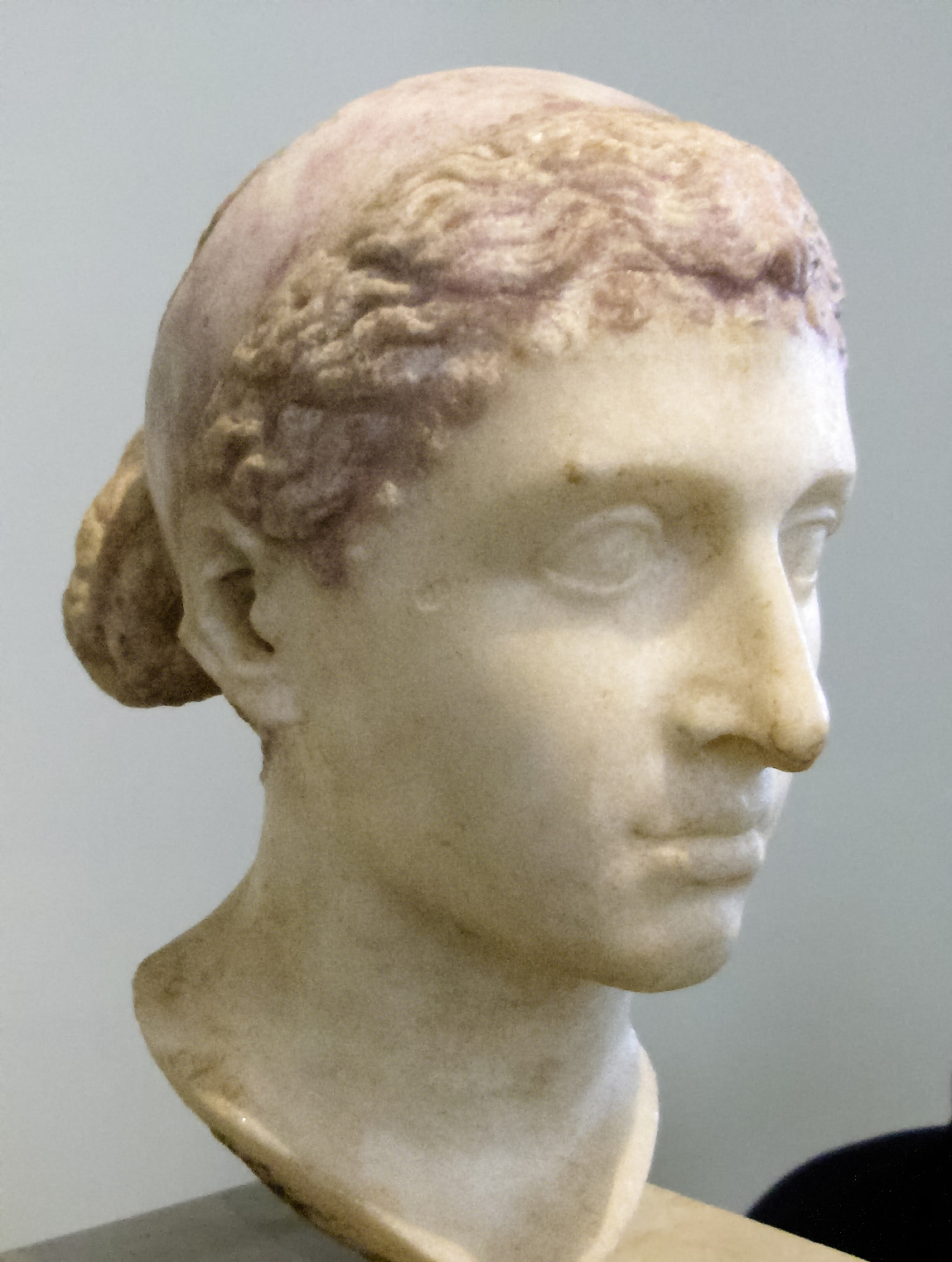
Portrait of Cleopatra (Berlin Bust)
c. 40-30 BCE
 Sculpture
Primary source
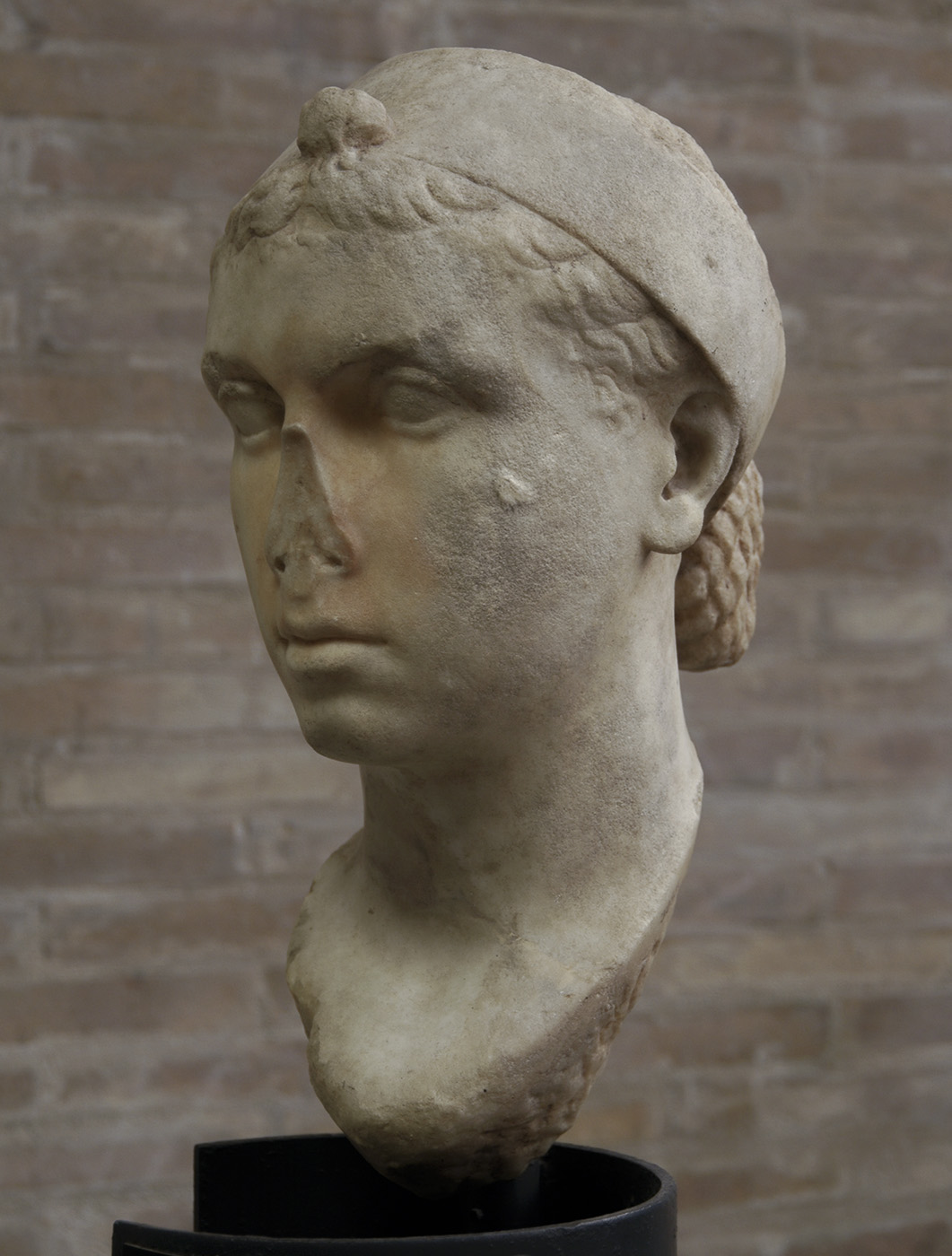
Head-Portrait of Cleopatra VII (Vatican Bust)
c. 40-30 BCE
Ready when you are
Start chatting with Cleopatra now.
20 messages free · No credit card · Available in 50+ languages.