


Secondary sourcePainting1802
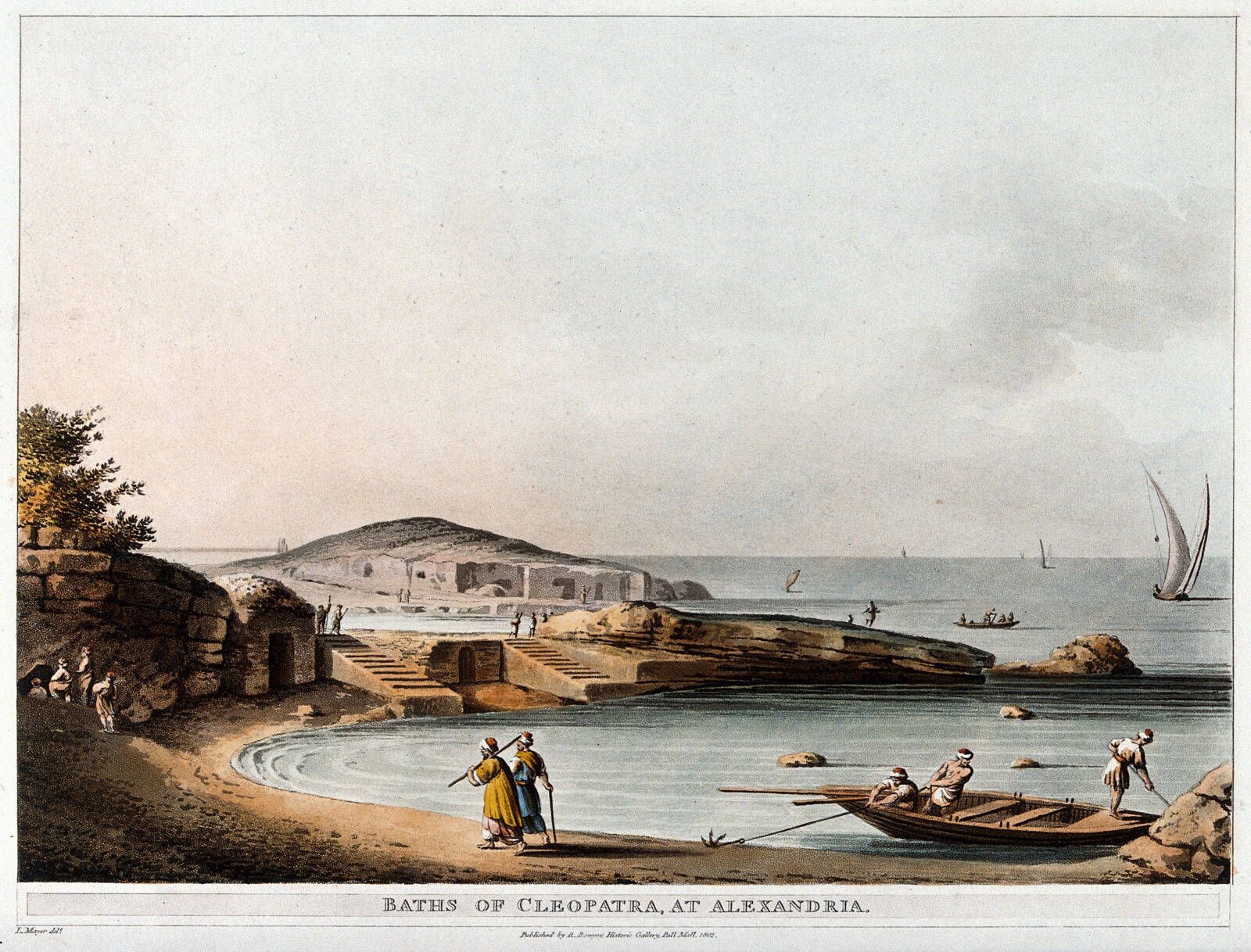
Baths of Cleopatra, at Alexandria
Luigi Mayer · 1802
A hand-coloured aquatint of 1802 showing a coastal site in Alexandria traditionally associated with Cleopatra.
Depicts a site traditionally linked to Cleopatra's name, showing how later generations remembered her through place and legend.
About this source
What it is
This is a hand-coloured aquatint print made in 1802 by Luigi Mayer, showing a rocky coastal scene in Alexandria known as the "Baths of Cleopatra." It shows stone steps, an arched doorway, ruined structures on a hill, sailing boats, and local figures on the shore and in a rowboat. It is held by the Wellcome Collection in London.
Why it matters
The print was made many centuries after Cleopatra's lifetime, but it shows how later European travellers and artists imagined and depicted places linked to her legend. It reveals more about 18th/19th-century European fascination with Egypt and Cleopatra's legacy than about Cleopatra herself.
Look closer
- What details in the image suggest this is an artist's romantic view rather than an exact record?
- Why might a place be named after Cleopatra even centuries after her death?
- What does the presence of local figures in the scene tell us about who the artist expected to view this print?
This painting is part of the curated material that grounds the AI version of Cleopatra on Humy.ai — when students ask about related events, the AI can quote it and cite it.
More Cleopatra sources
Meet the AI Cleopatra →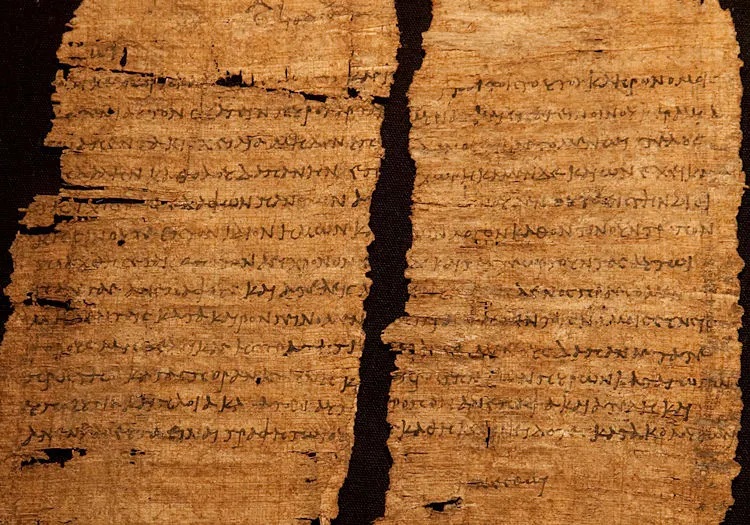 Document
Primary source
Papyrus with Signature of Cleopatra VII
Ptolemaic scribe; possibly countersigned by Cleopatra VII · February 33 BCE
 Sculpture
Secondary source
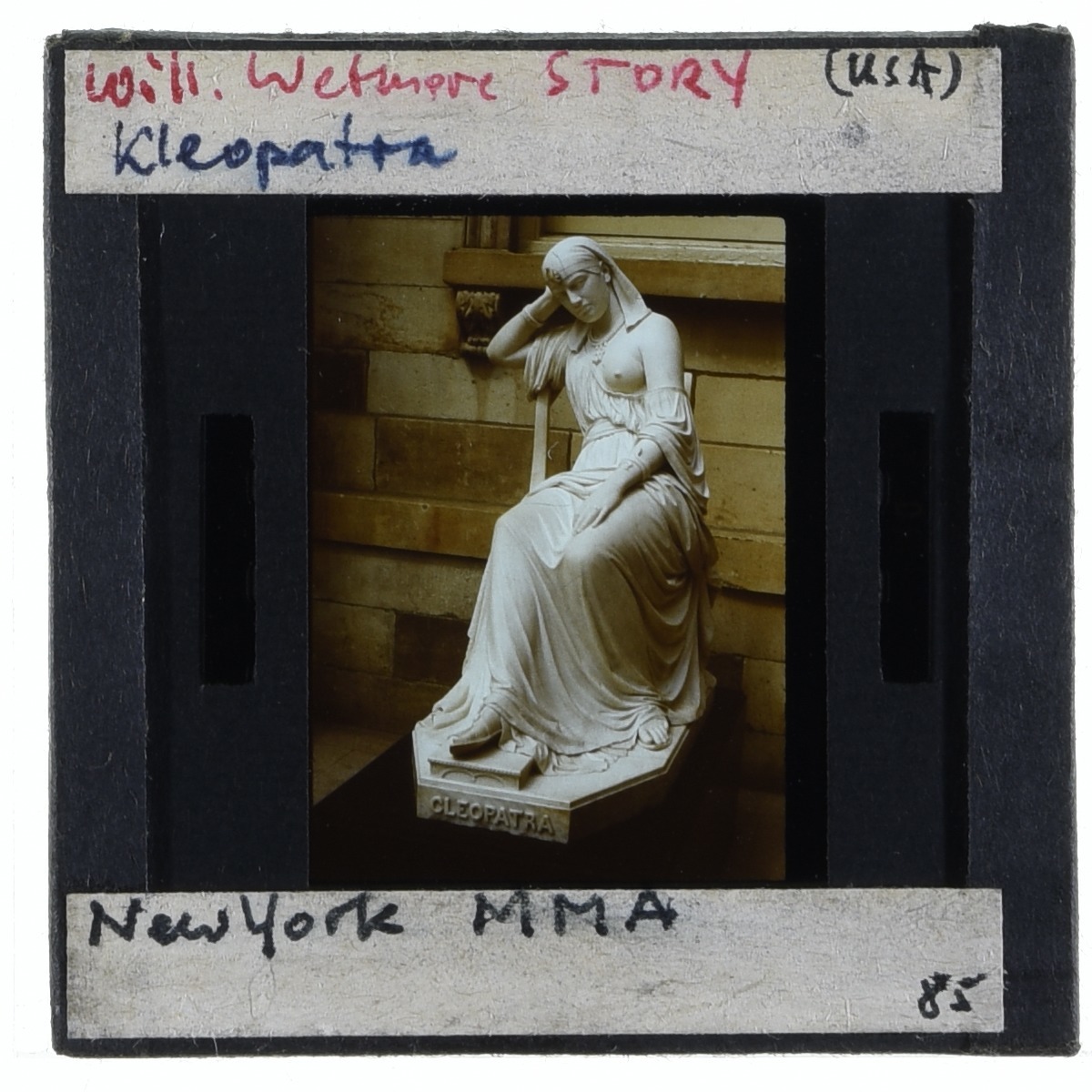
Cleopatra
William Wetmore Story
 Sculpture
Primary source
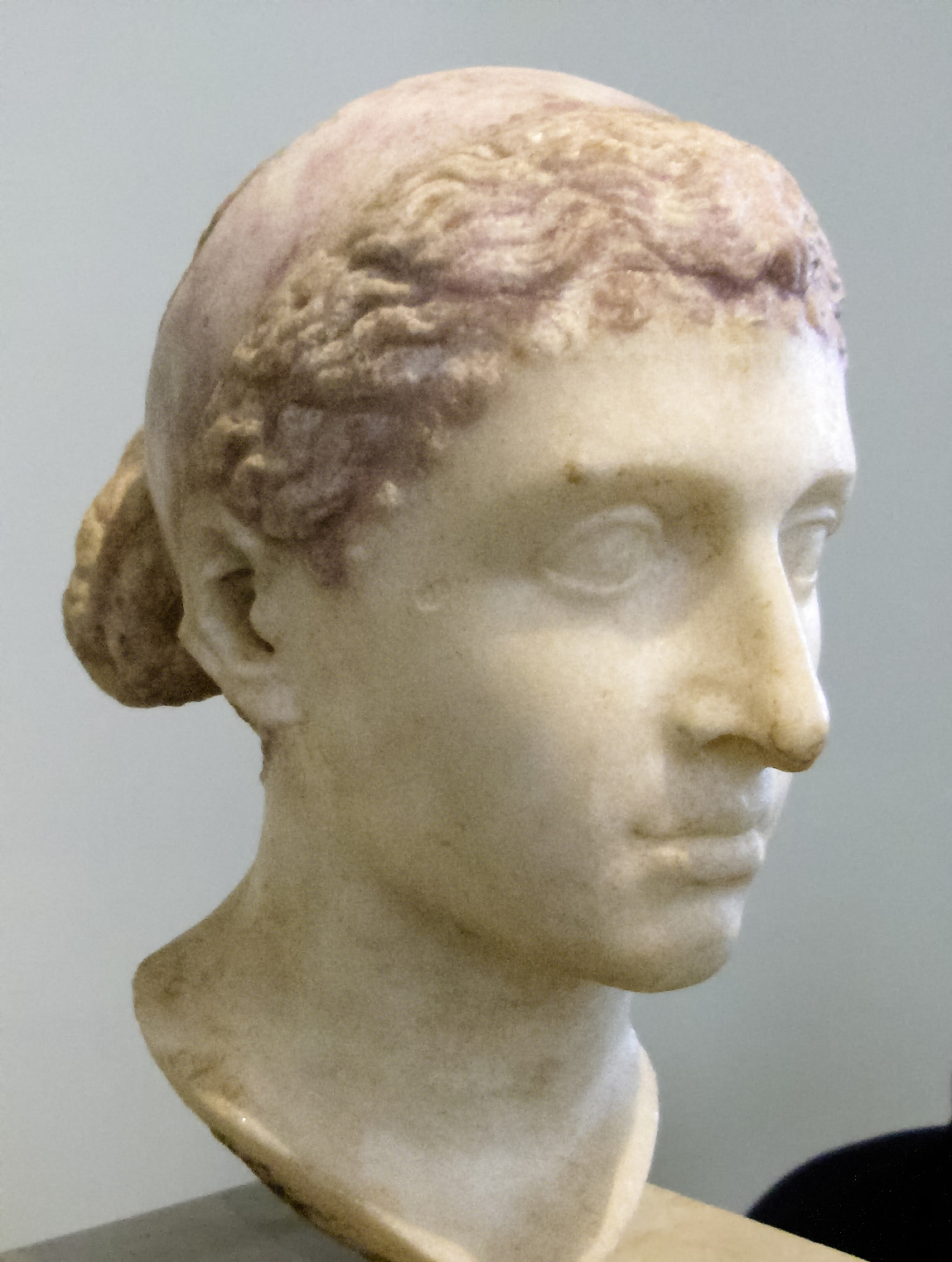
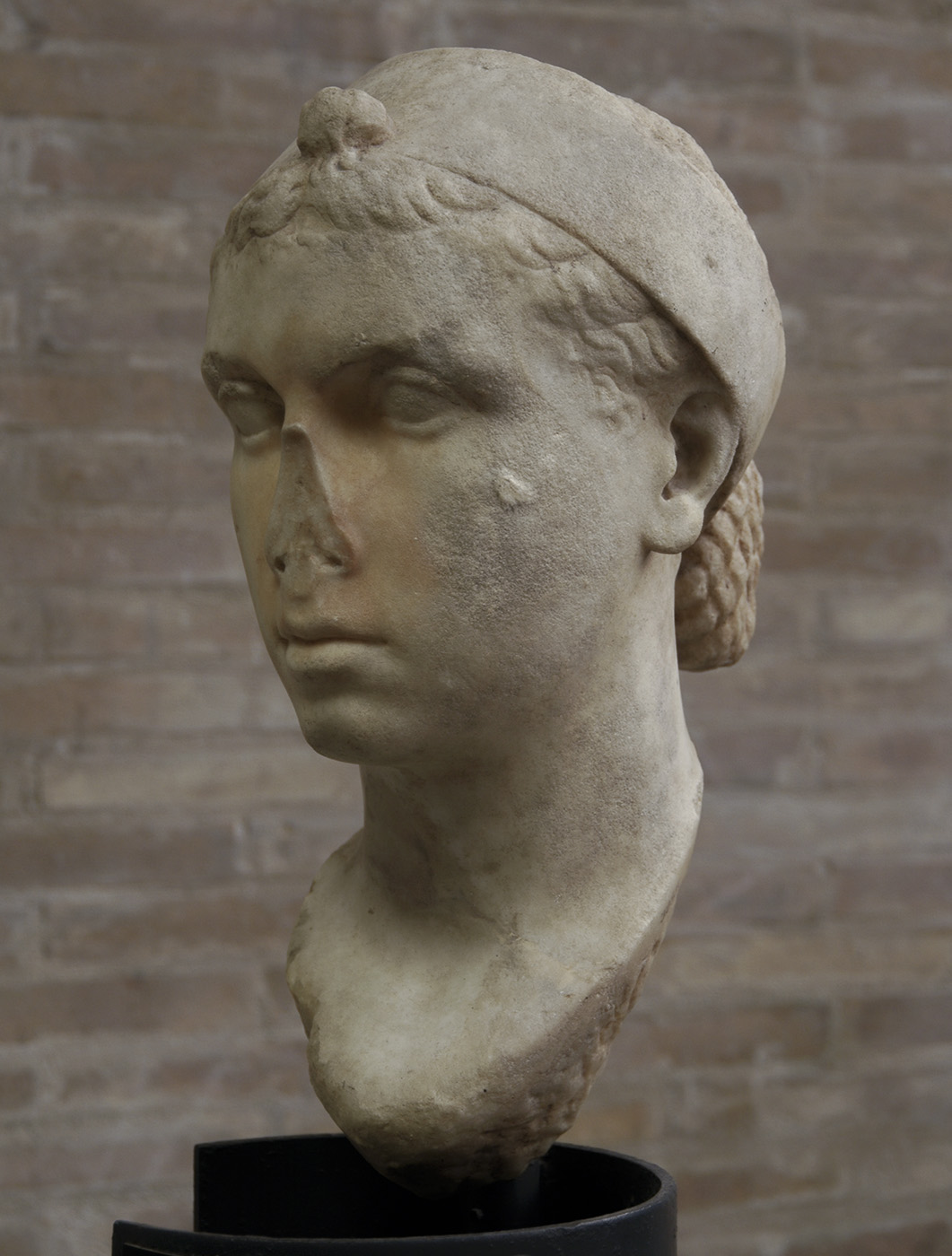
Portrait of Cleopatra (Berlin Bust)
c. 40-30 BCE
 Sculpture
Primary source
Head-Portrait of Cleopatra VII (Vatican Bust)
c. 40-30 BCE
 Artifact
Primary source
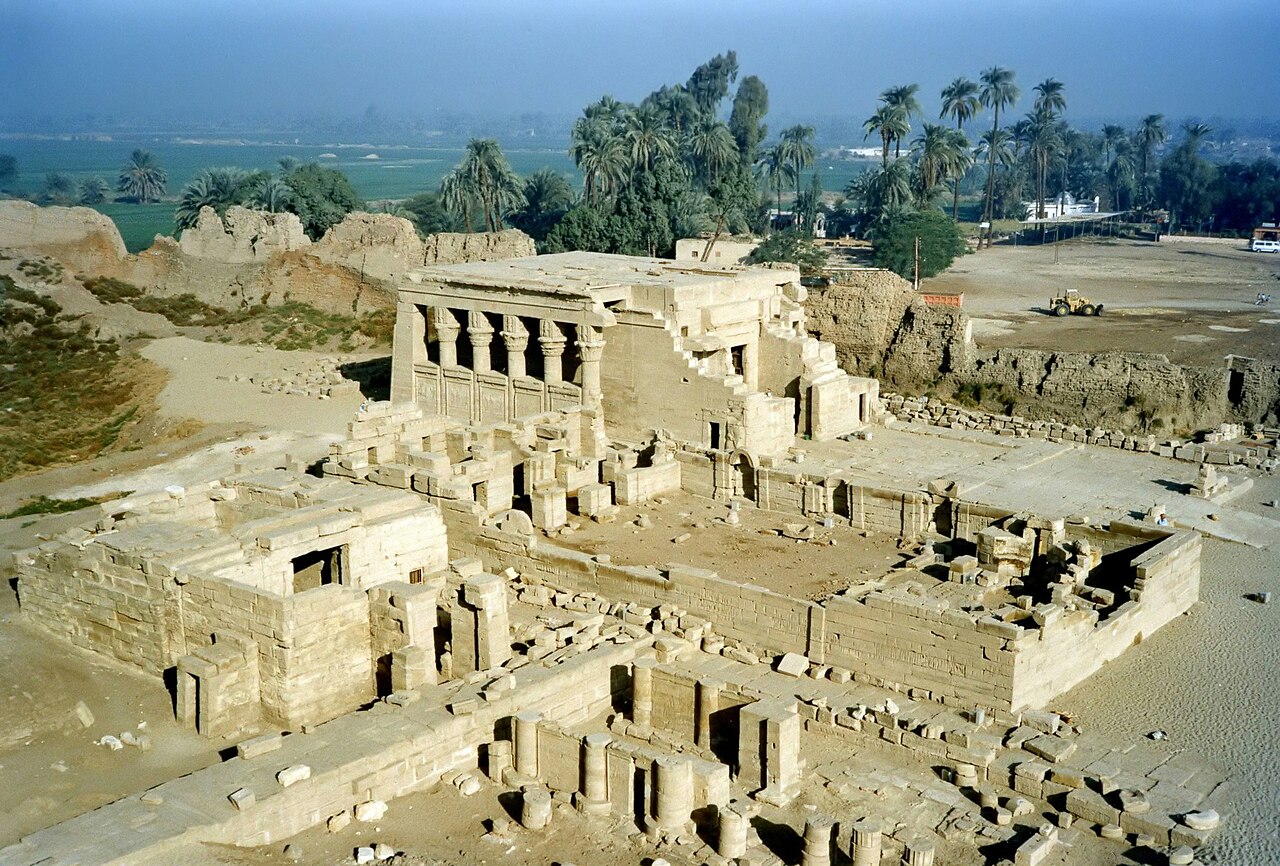
Dendera Temple Relief of Cleopatra and Caesarion
Ready when you are
Start chatting with Cleopatra now.
20 messages free · No credit card · Available in 50+ languages.