


Primary sourceDocumentFebruary 33 BCE
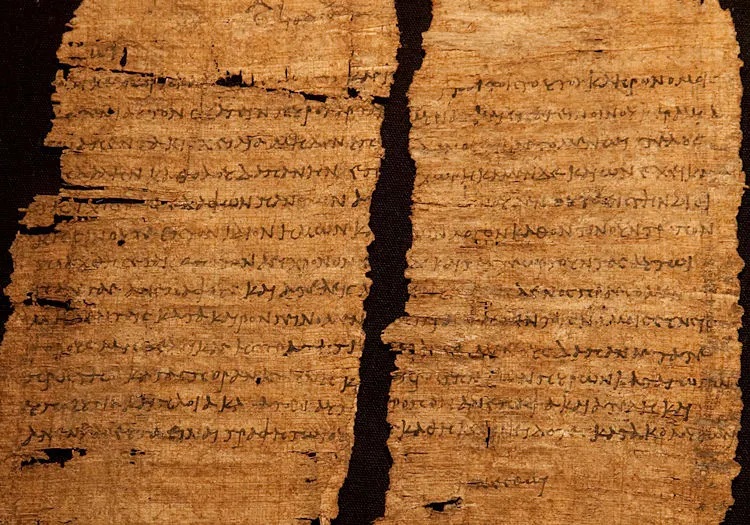
Papyrus with Signature of Cleopatra VII
Ptolemaic scribe; possibly countersigned by Cleopatra VII · February 33 BCE
A 33 BCE Egyptian tax ordinance that may carry Cleopatra's own handwritten approval, 'let it be done.'
Possibly the only surviving trace of Cleopatra's own handwriting, showing her governing directly.
About this source
What it is
This is a papyrus document from Ptolemaic Egypt, dated to February 33 BCE. It records an official order granting tax exemptions to Publius Canidius Crassus, a Roman general allied with Mark Antony. The document was recovered from mummy wrappings and first published in 2000.
Why it matters
A note in different handwriting reads 'let it be done' in Greek. Many scholars believe this is Cleopatra's own writing, added to approve the order. If true, it is one of the only surviving examples of her handwriting and shows her directly managing taxes and rewarding Roman allies who supported her rule.
Look closer
- What does the countersigned note suggest about how Ptolemaic rulers approved official documents?
- Why might a tax exemption for a Roman general matter to Cleopatra's political position?
- What does this document NOT tell us about Cleopatra as a person?
This document is part of the curated material that grounds the AI version of Cleopatra on Humy.ai — when students ask about related events, the AI can quote it and cite it.
More Cleopatra sources
Meet the AI Cleopatra →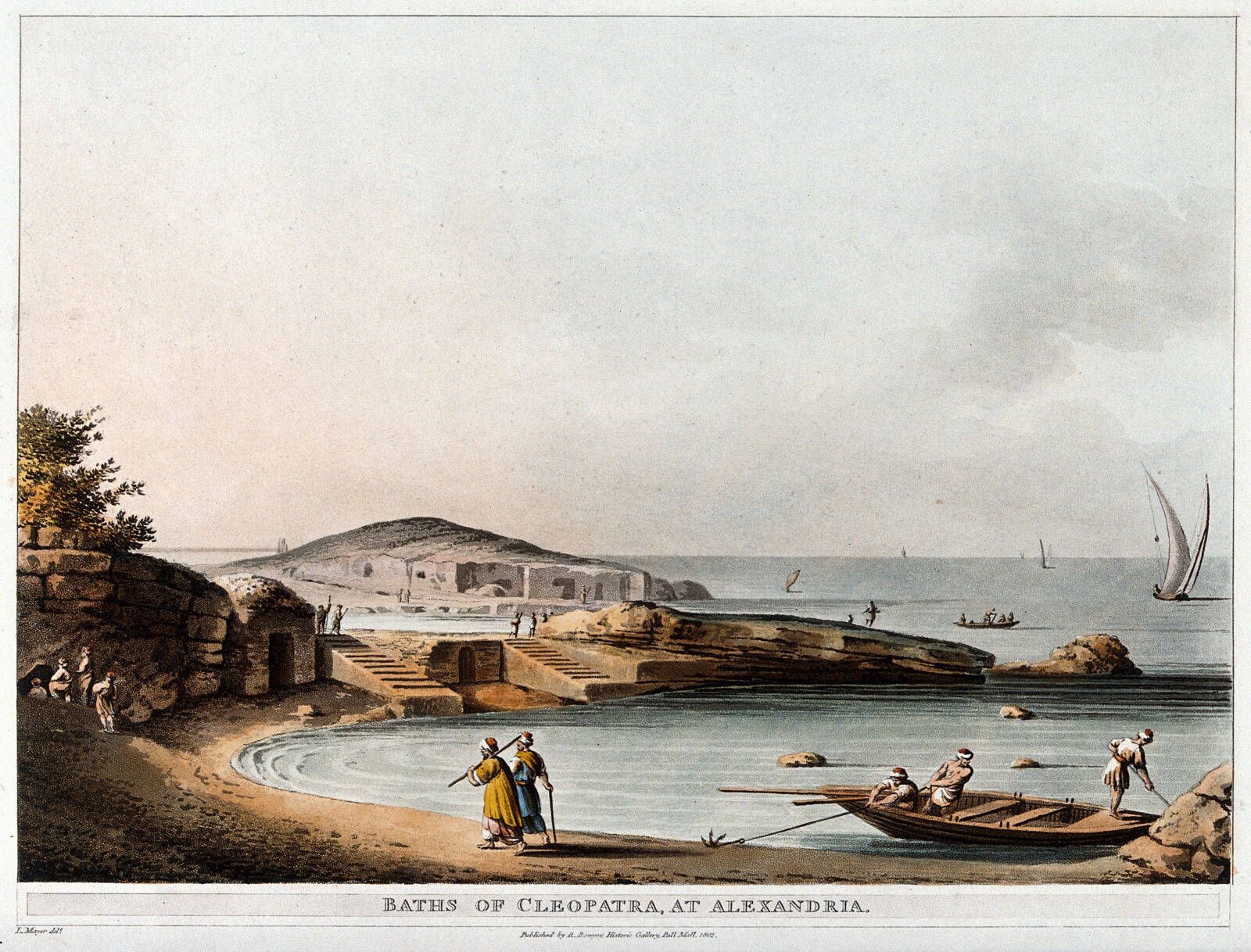 Painting
Secondary source
Baths of Cleopatra, at Alexandria
Luigi Mayer · 1802
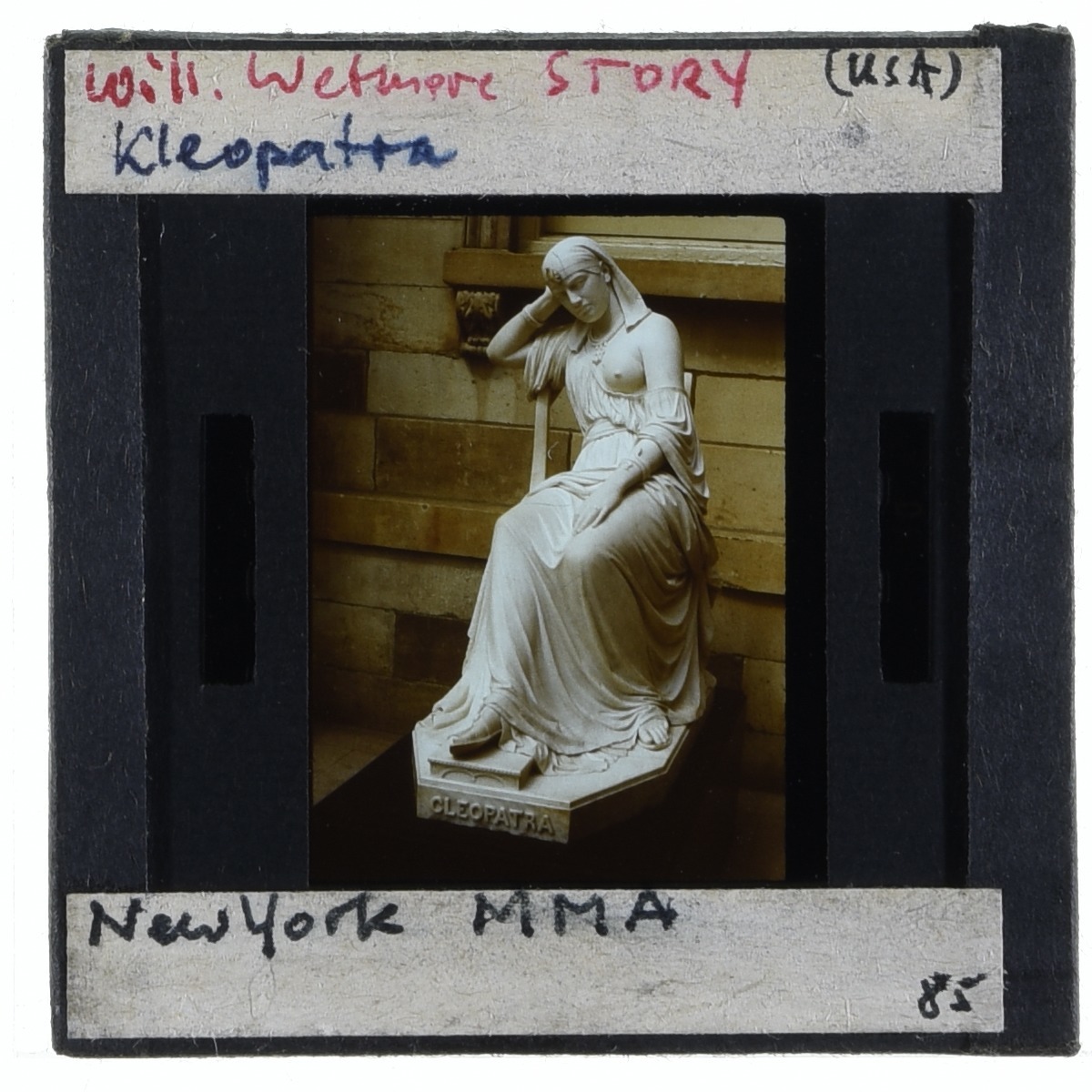 Sculpture
Secondary source
Cleopatra
William Wetmore Story
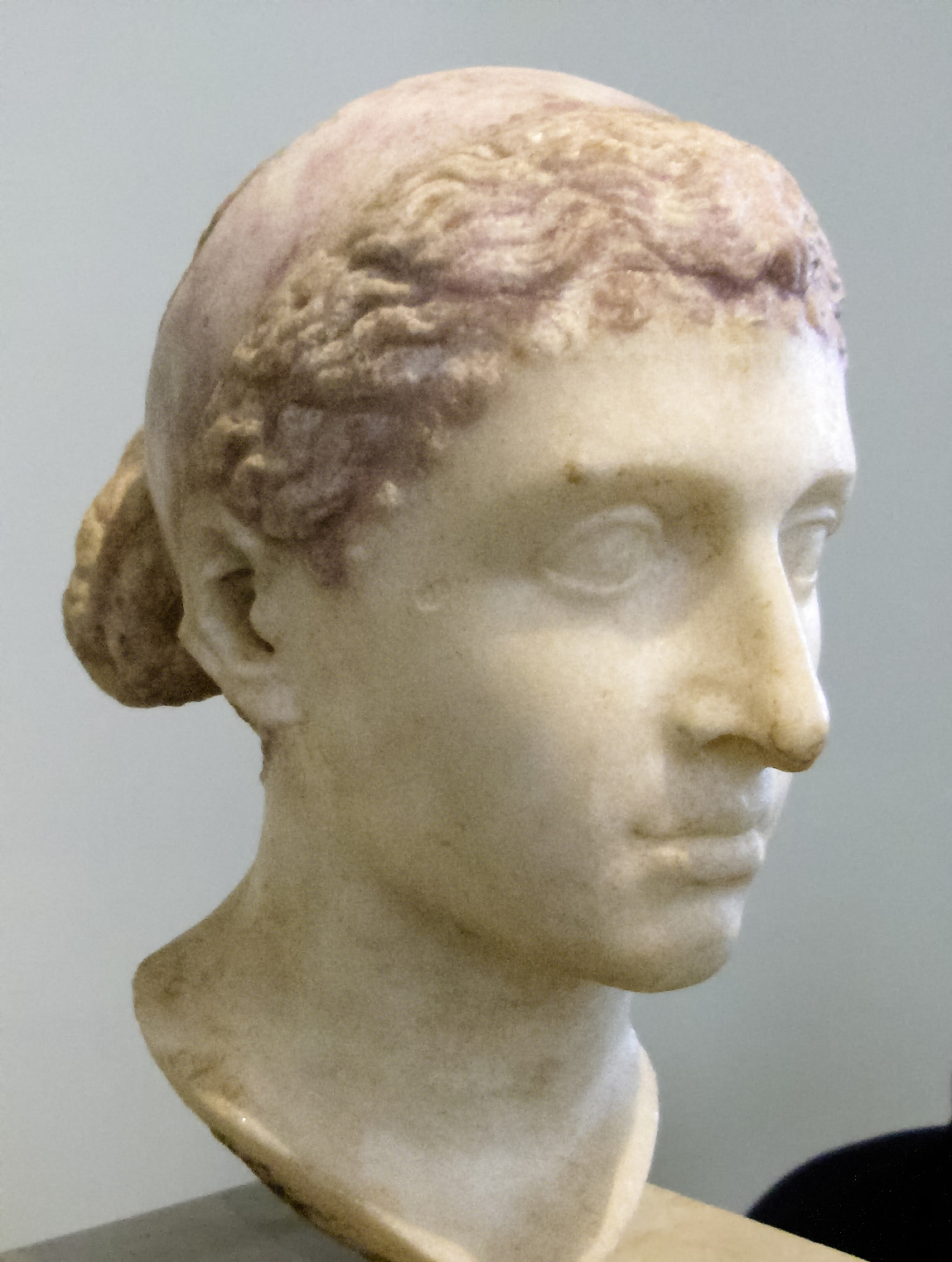 Sculpture
Primary source
Portrait of Cleopatra (Berlin Bust)
c. 40-30 BCE
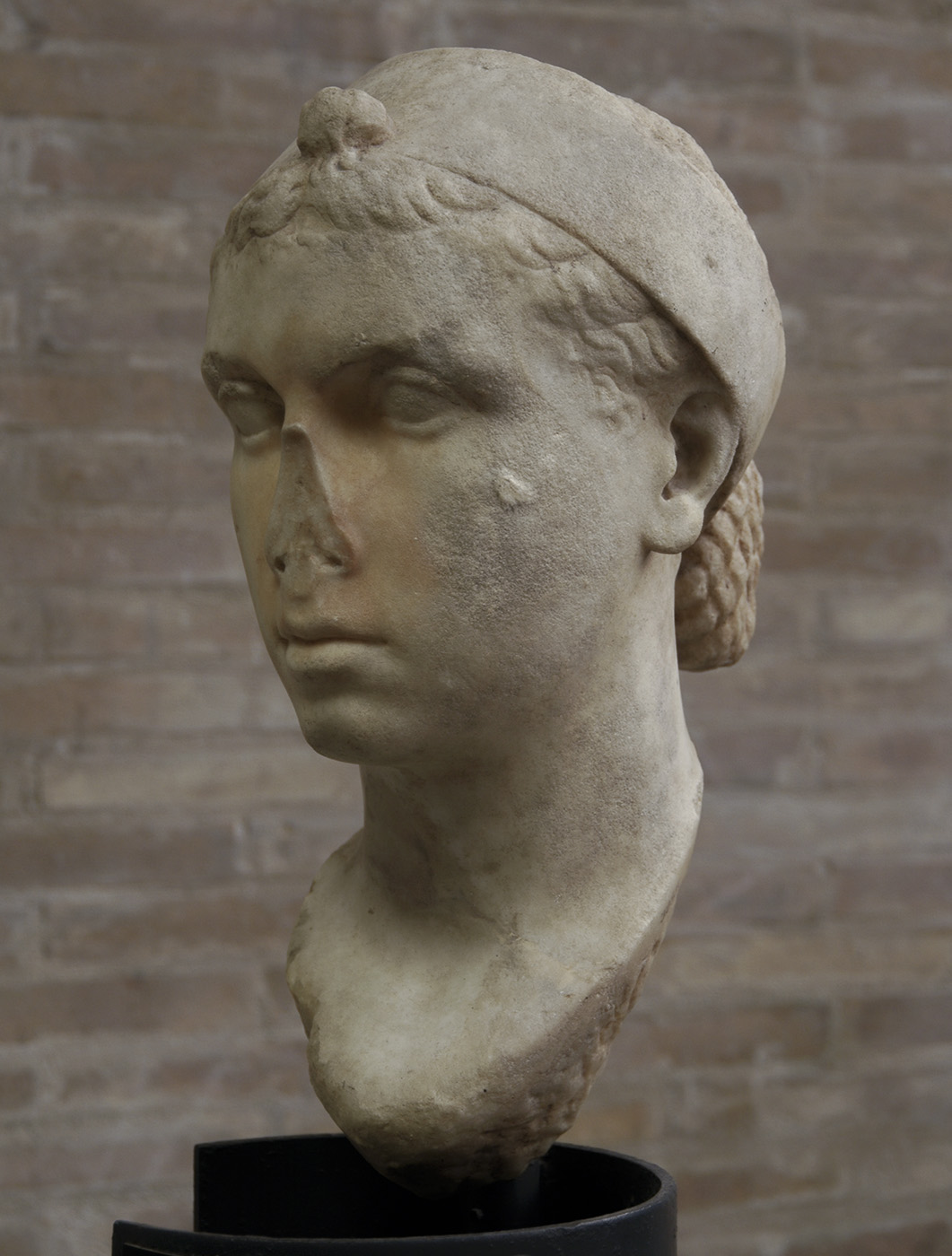 Sculpture
Primary source
Head-Portrait of Cleopatra VII (Vatican Bust)
c. 40-30 BCE
 Artifact
Primary source
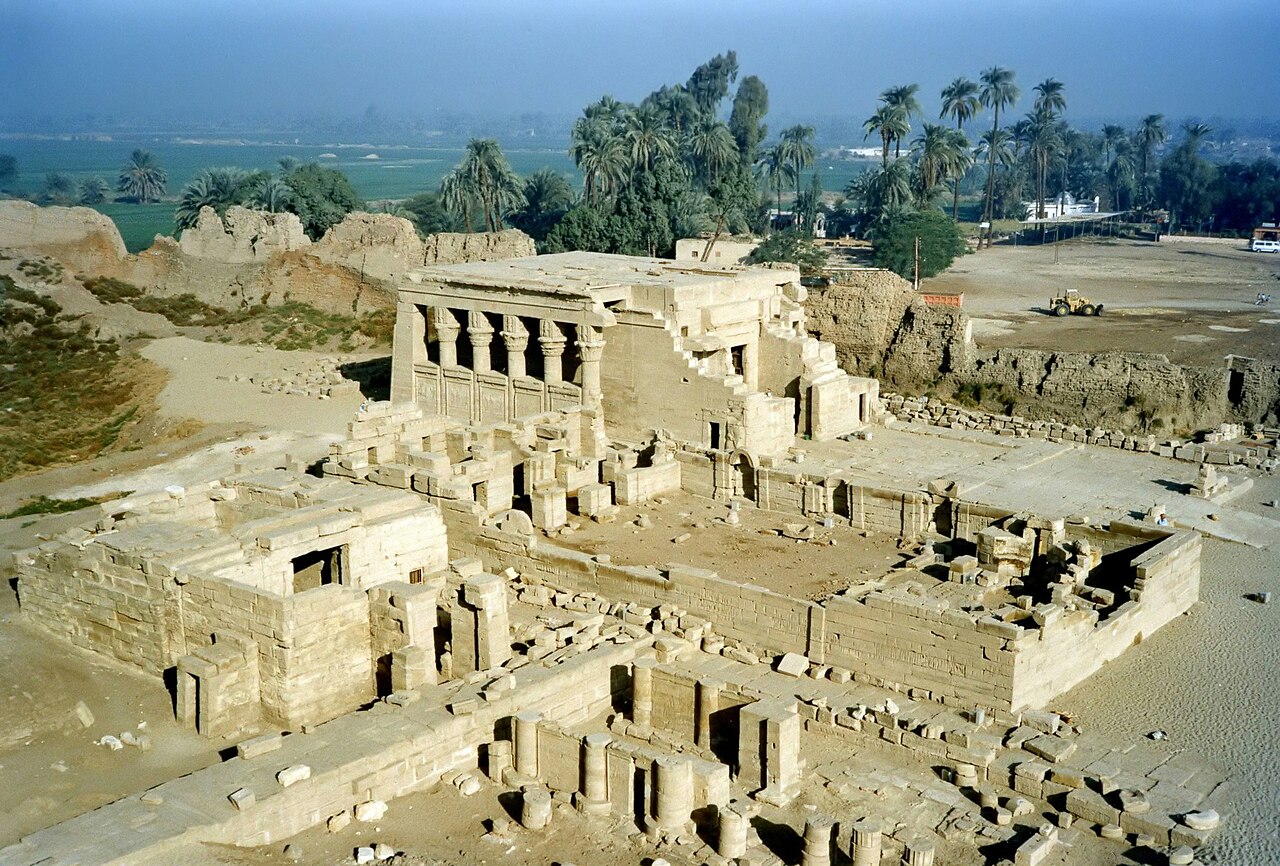
Dendera Temple Relief of Cleopatra and Caesarion
Ready when you are
Start chatting with Cleopatra now.
20 messages free · No credit card · Available in 50+ languages.