


Primary sourceSculpturec. 40-30 BCE
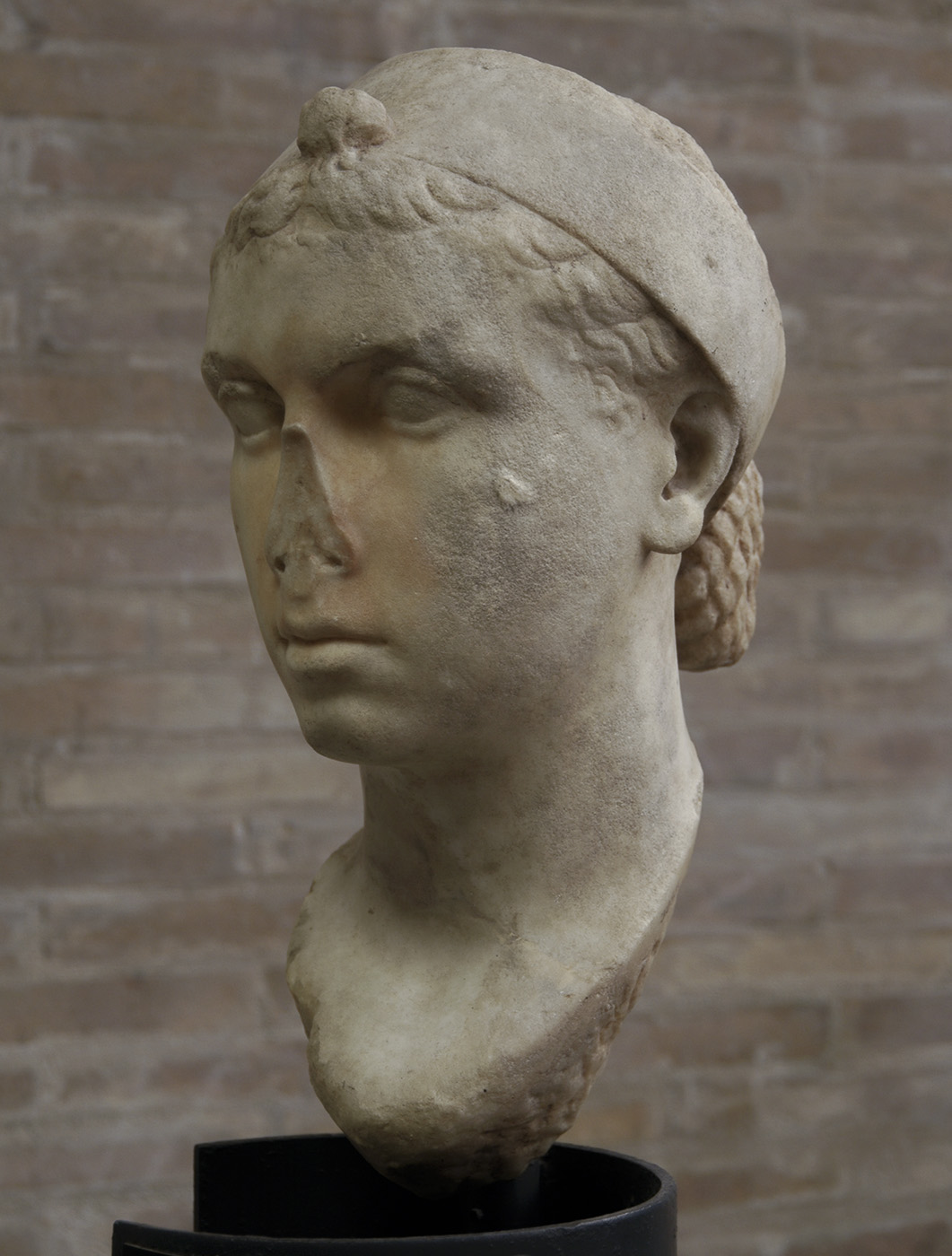
Head-Portrait of Cleopatra VII (Vatican Bust)
c. 40-30 BCE
A marble head likely carved while Cleopatra was staying in Rome with Julius Caesar.
Likely carved during Cleopatra's stay in Rome, documenting her presence and image there.
About this source
What it is
This marble head and upper neck sculpture is dated to around 40-30 BCE and is held in the Gregoriano Profano Museum in the Vatican. It shows a woman with hair pulled back under a band, tied in a braided bun.
Why it matters
This portrait was likely made while Cleopatra was staying in Rome with Julius Caesar, between 46 and 44 BCE. It is evidence that her image circulated in the Roman capital itself, showing how Romans represented a foreign queen who was deeply entangled in their politics.
Look closer
- What does the calm, composed expression suggest about how the sculptor wanted Cleopatra to be seen?
- Why might a portrait of Cleopatra have been made in Rome rather than in Egypt?
- What questions can't this sculpture answer about Cleopatra's actual personality?
This sculpture is part of the curated material that grounds the AI version of Cleopatra on Humy.ai — when students ask about related events, the AI can quote it and cite it.
More Cleopatra sources
Meet the AI Cleopatra → Document
Primary source
Papyrus with Signature of Cleopatra VII
Ptolemaic scribe; possibly countersigned by Cleopatra VII · February 33 BCE
 Painting
Secondary source
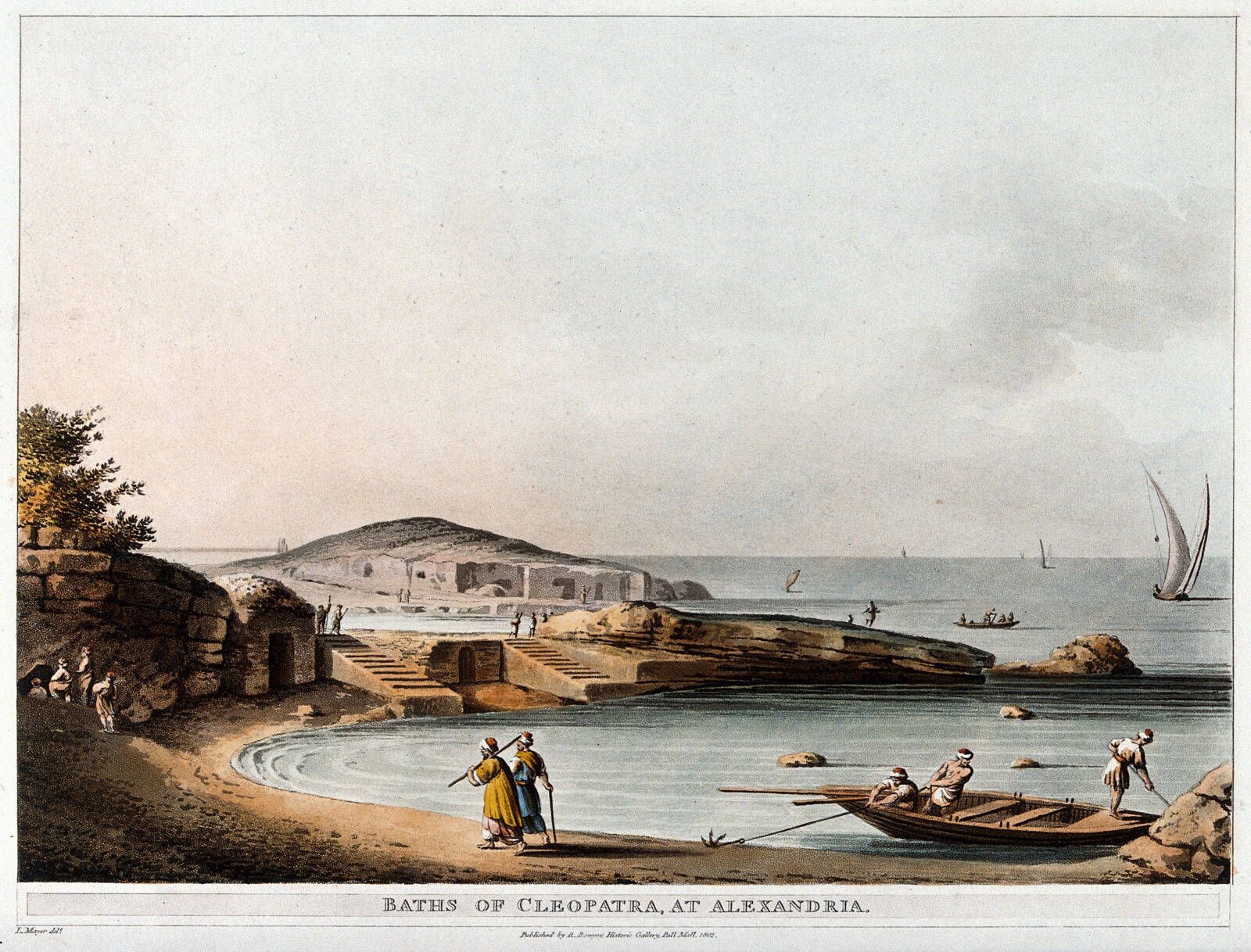
Baths of Cleopatra, at Alexandria
Luigi Mayer · 1802
 Sculpture
Secondary source
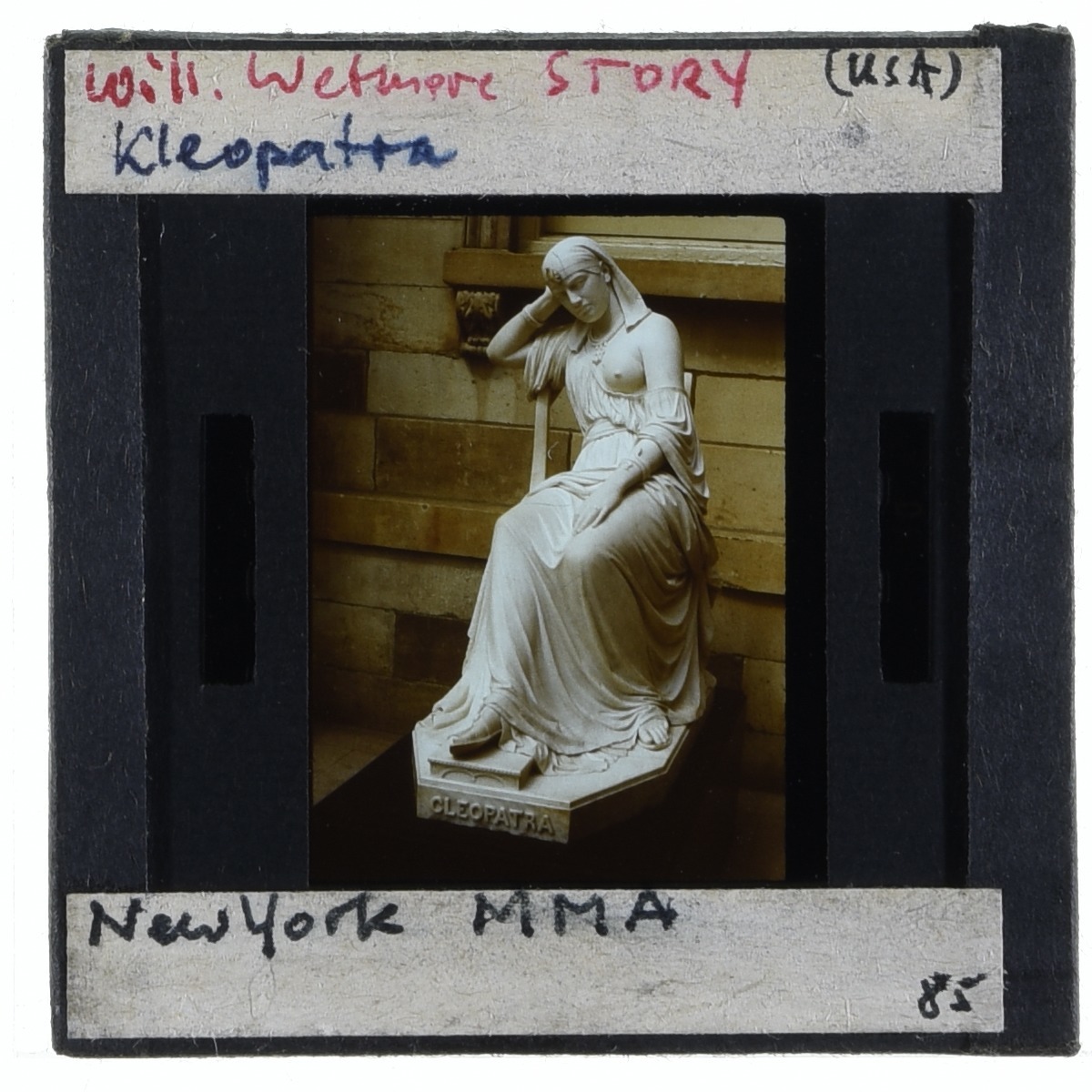
Cleopatra
William Wetmore Story
 Sculpture
Primary source
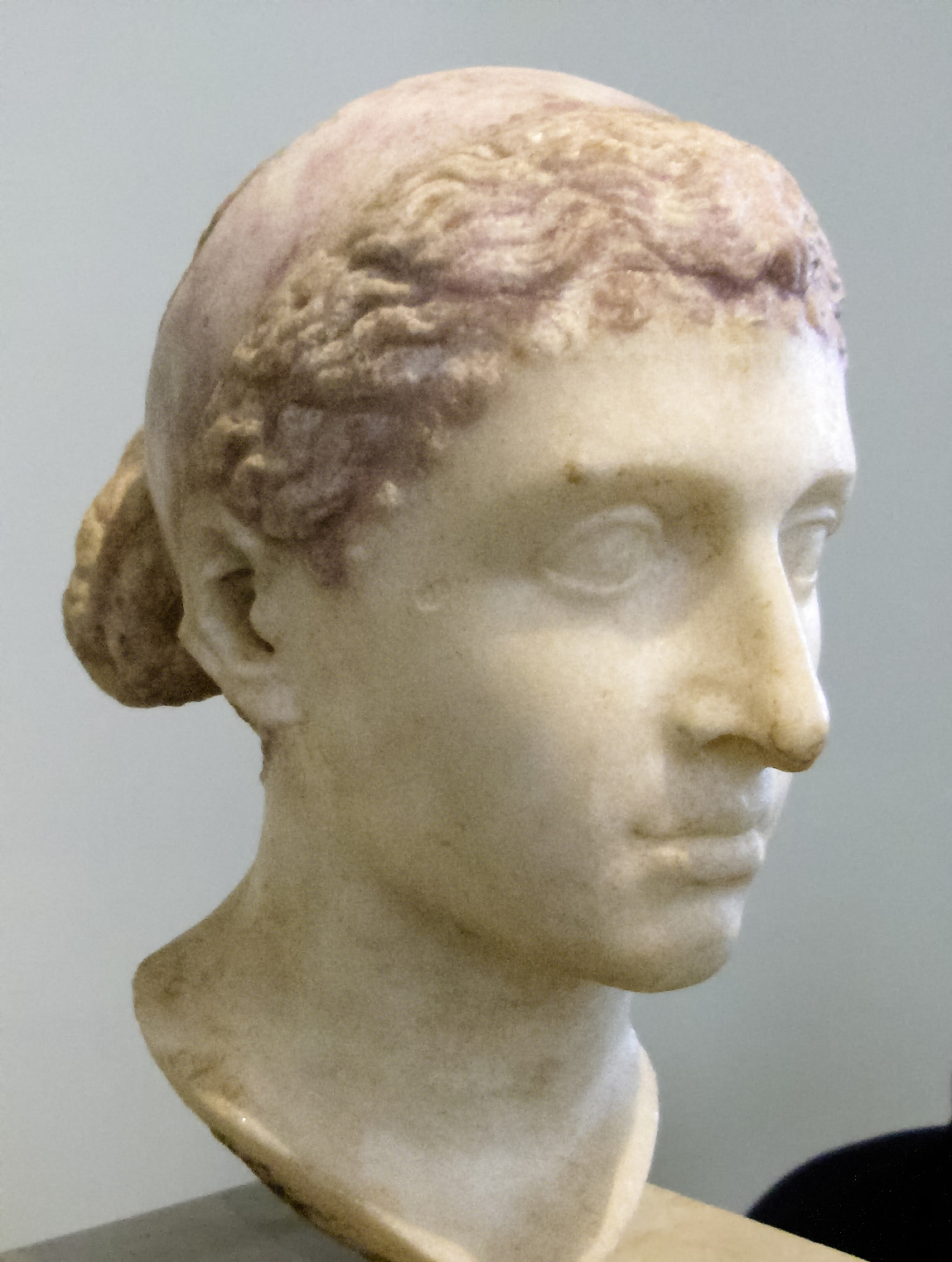
Portrait of Cleopatra (Berlin Bust)
c. 40-30 BCE
 Artifact
Primary source
Dendera Temple Relief of Cleopatra and Caesarion
Ready when you are
Start chatting with Cleopatra now.
20 messages free · No credit card · Available in 50+ languages.