


Primary sourceSculpturec. 40-30 BCE
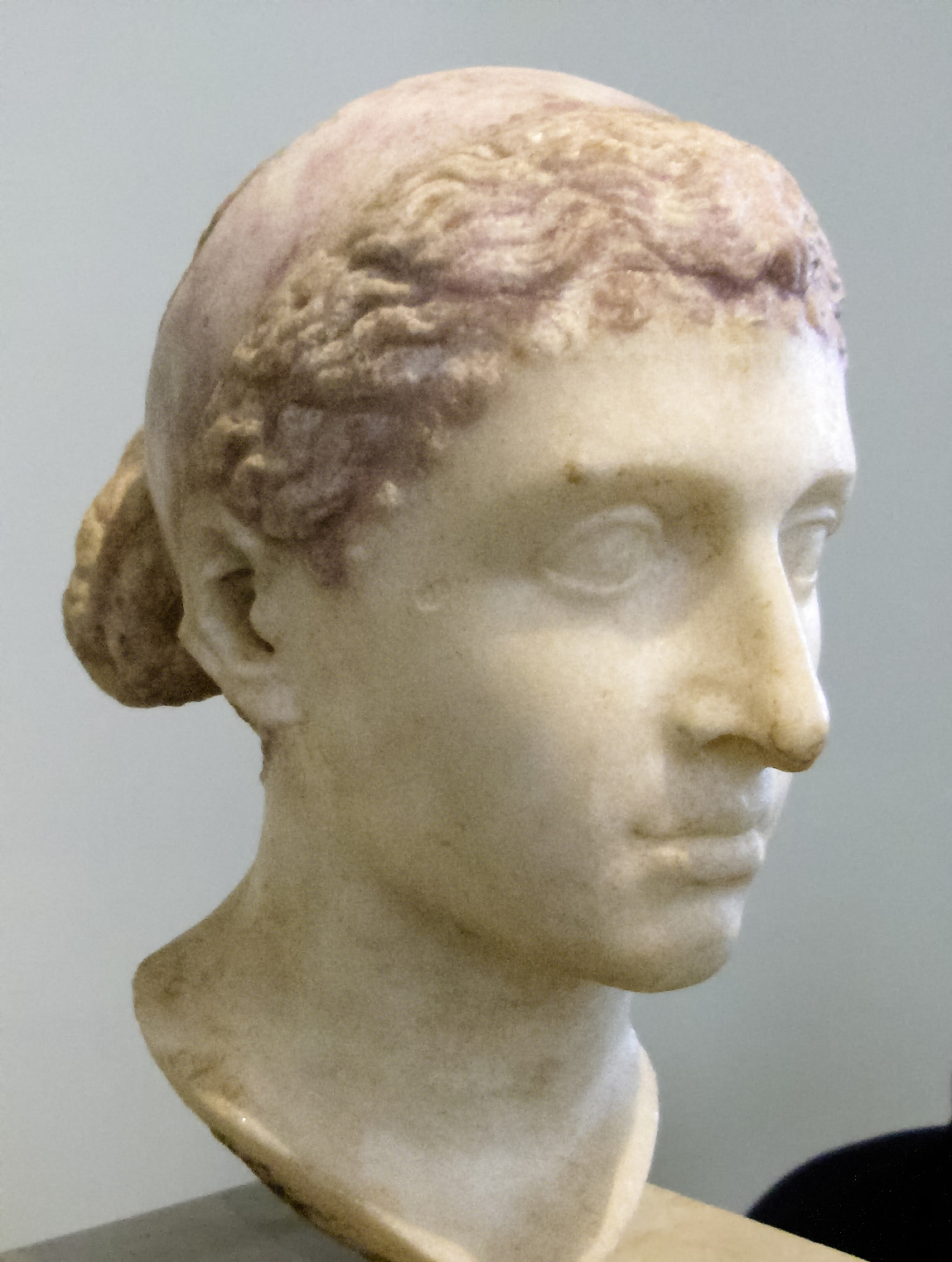
Portrait of Cleopatra (Berlin Bust)
c. 40-30 BCE
A marble bust of Cleopatra VII made during her lifetime, showing her in a Greek royal hairstyle and diadem.
A lifetime portrait offering direct evidence of Cleopatra's royal image to a Greek/Roman audience.
About this source
What it is
This marble bust shows the head and upper neck of a woman wearing a royal diadem band. It dates from around 40-30 BCE, close to the time of Cleopatra's visit to Rome, and was found in a villa along the Via Appia. It is now in the Altes Museum in Berlin.
Why it matters
The bust shows Cleopatra with a Hellenistic 'melon' hairstyle and a royal diadem, a Greek-style image rather than the Egyptian pharaoh style sometimes used in her propaganda. It gives historians a sense of how she was shown to a Roman or Greek audience during her own lifetime, challenging popular legends about her appearance.
Look closer
- What details in the hairstyle and diadem tell us this is meant to show a Hellenistic queen?
- Why might Cleopatra have wanted to be shown in a Greek style rather than an Egyptian one in this context?
- What can't a sculpted portrait tell us about a real person's appearance or character?
This sculpture is part of the curated material that grounds the AI version of Cleopatra on Humy.ai — when students ask about related events, the AI can quote it and cite it.
More Cleopatra sources
Meet the AI Cleopatra → Document
Primary source
Papyrus with Signature of Cleopatra VII
Ptolemaic scribe; possibly countersigned by Cleopatra VII · February 33 BCE
 Painting
Secondary source
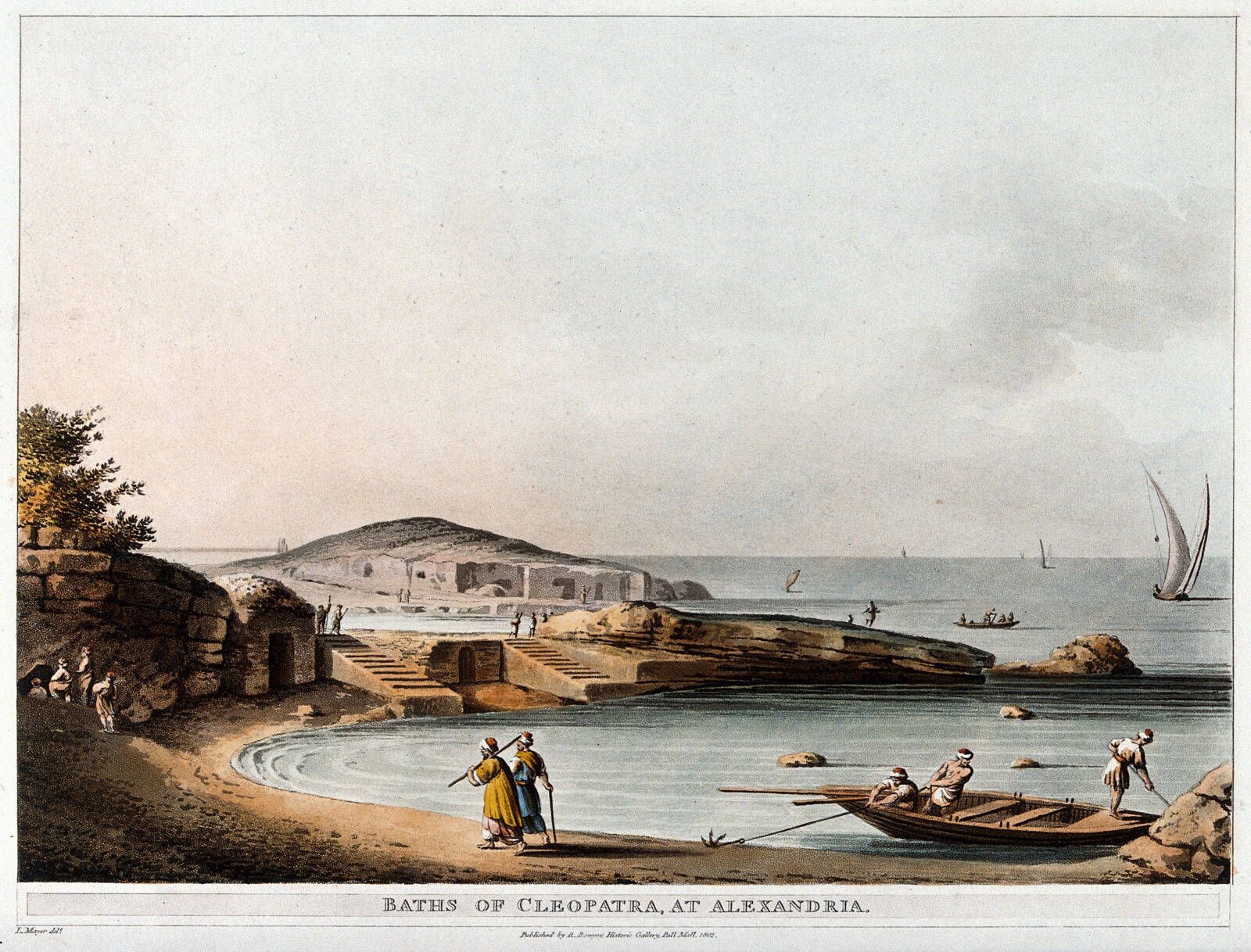
Baths of Cleopatra, at Alexandria
Luigi Mayer · 1802
 Sculpture
Secondary source
Cleopatra
William Wetmore Story
 Sculpture
Primary source
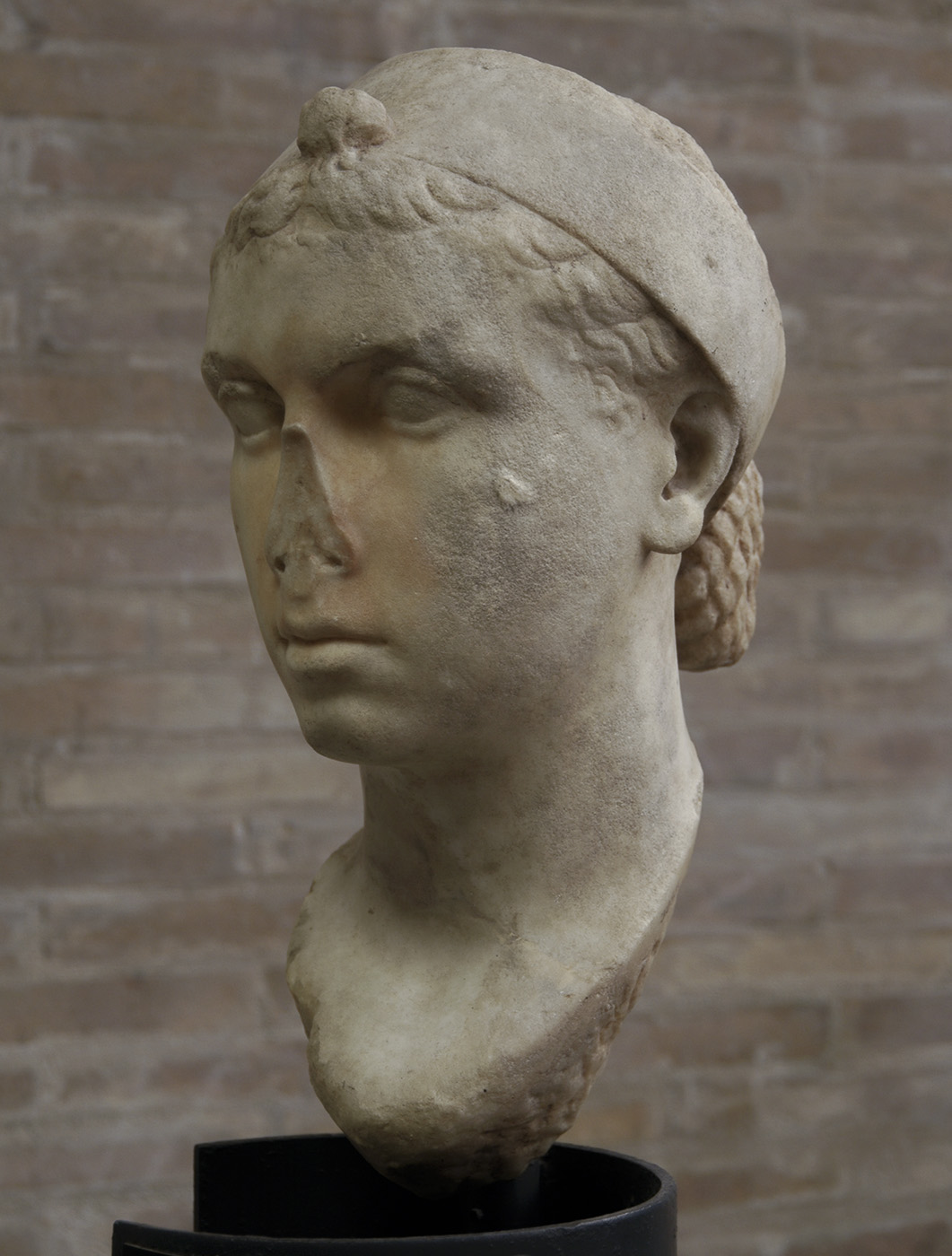
Head-Portrait of Cleopatra VII (Vatican Bust)
c. 40-30 BCE
 Artifact
Primary source
Dendera Temple Relief of Cleopatra and Caesarion
Ready when you are
Start chatting with Cleopatra now.
20 messages free · No credit card · Available in 50+ languages.