


Secondary sourceSculpturec. AD 125
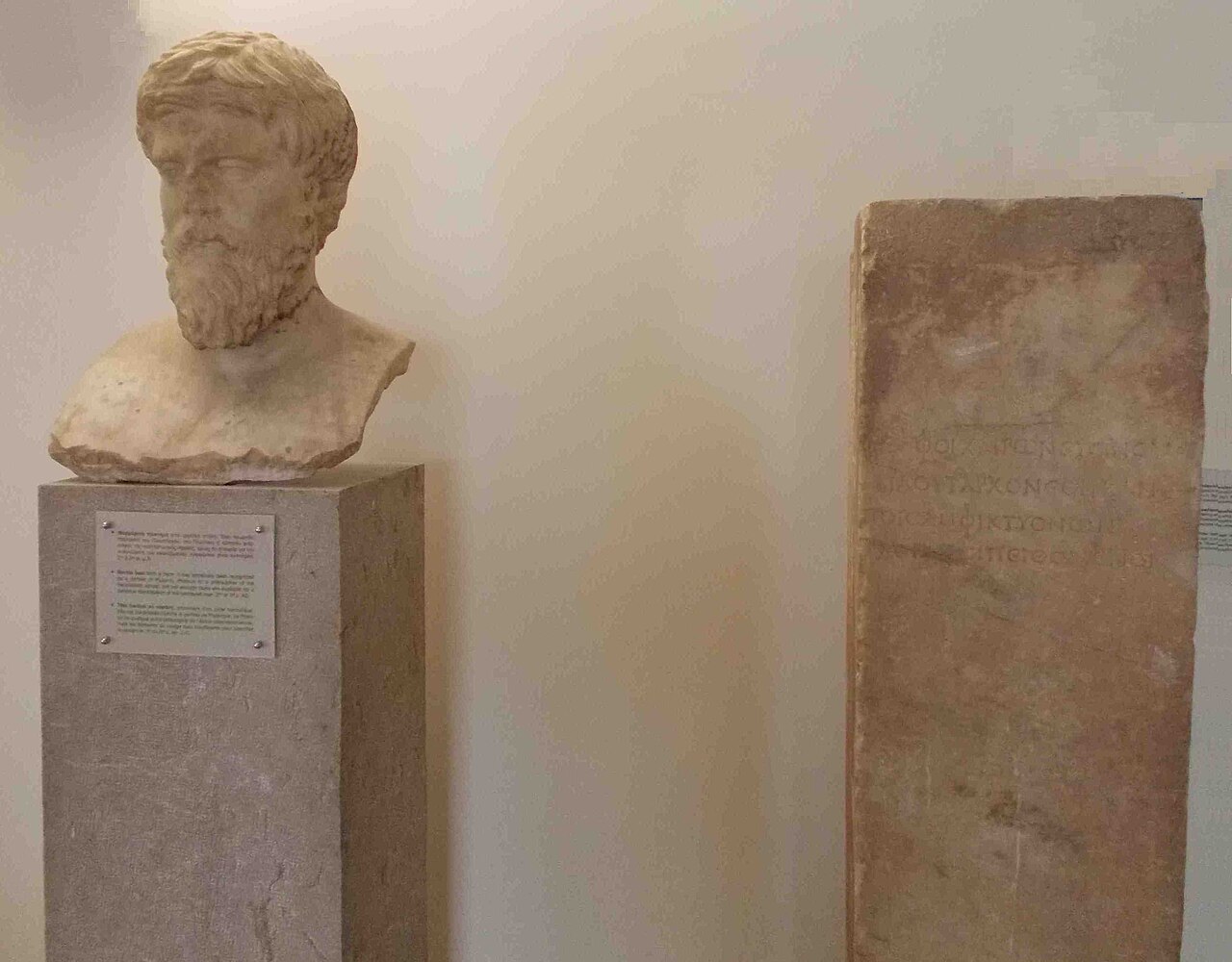
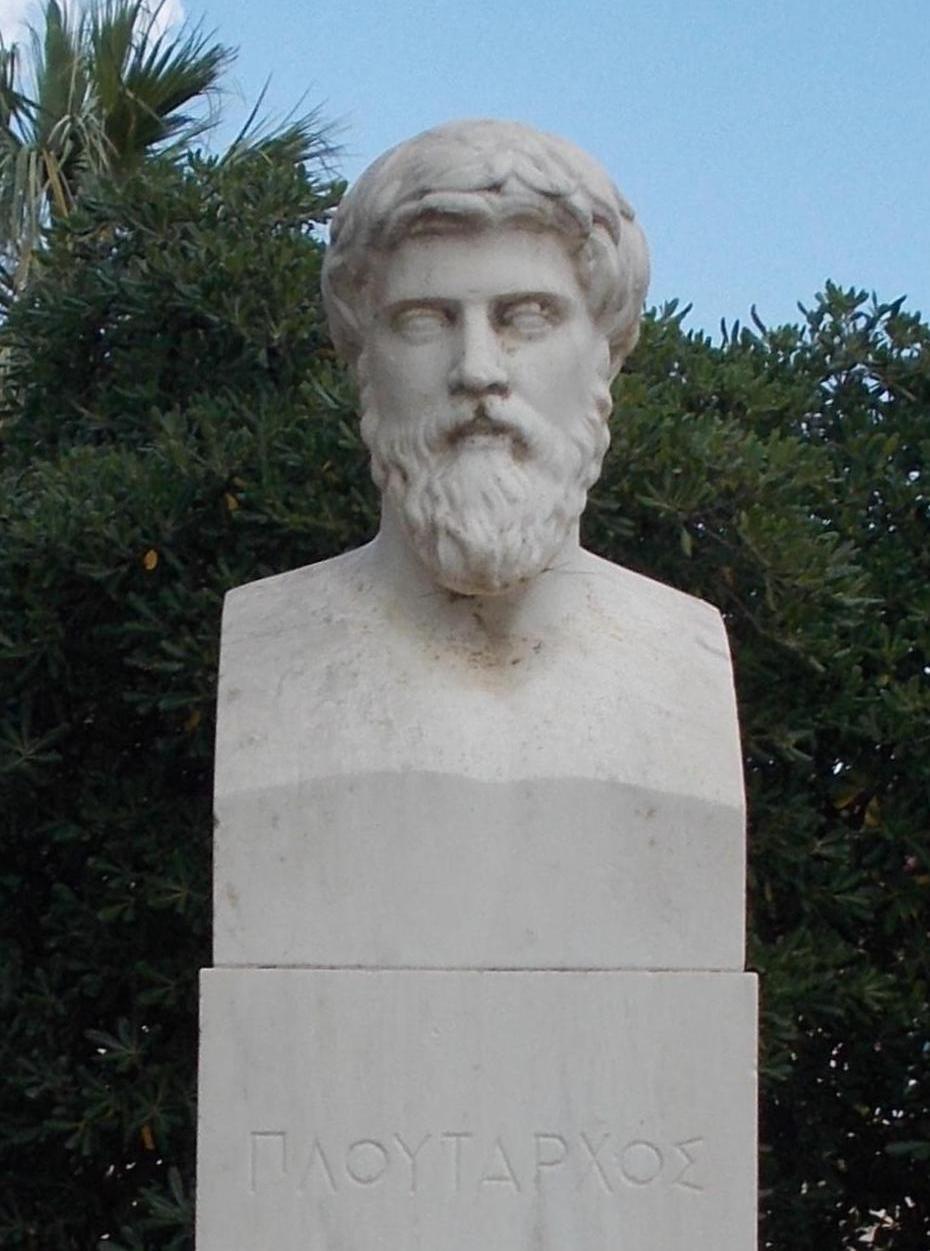
Plutarch Herm with Bust, Delphi
c. AD 125
A marble bust of a bearded man beside an inscribed herm set up at Delphi around AD 125 in honour of Plutarch. The inscription is an ancient public honour.
Records the honour Delphi gave Plutarch, showing his reputation as an author and priest of Apollo.
About this source
What it is
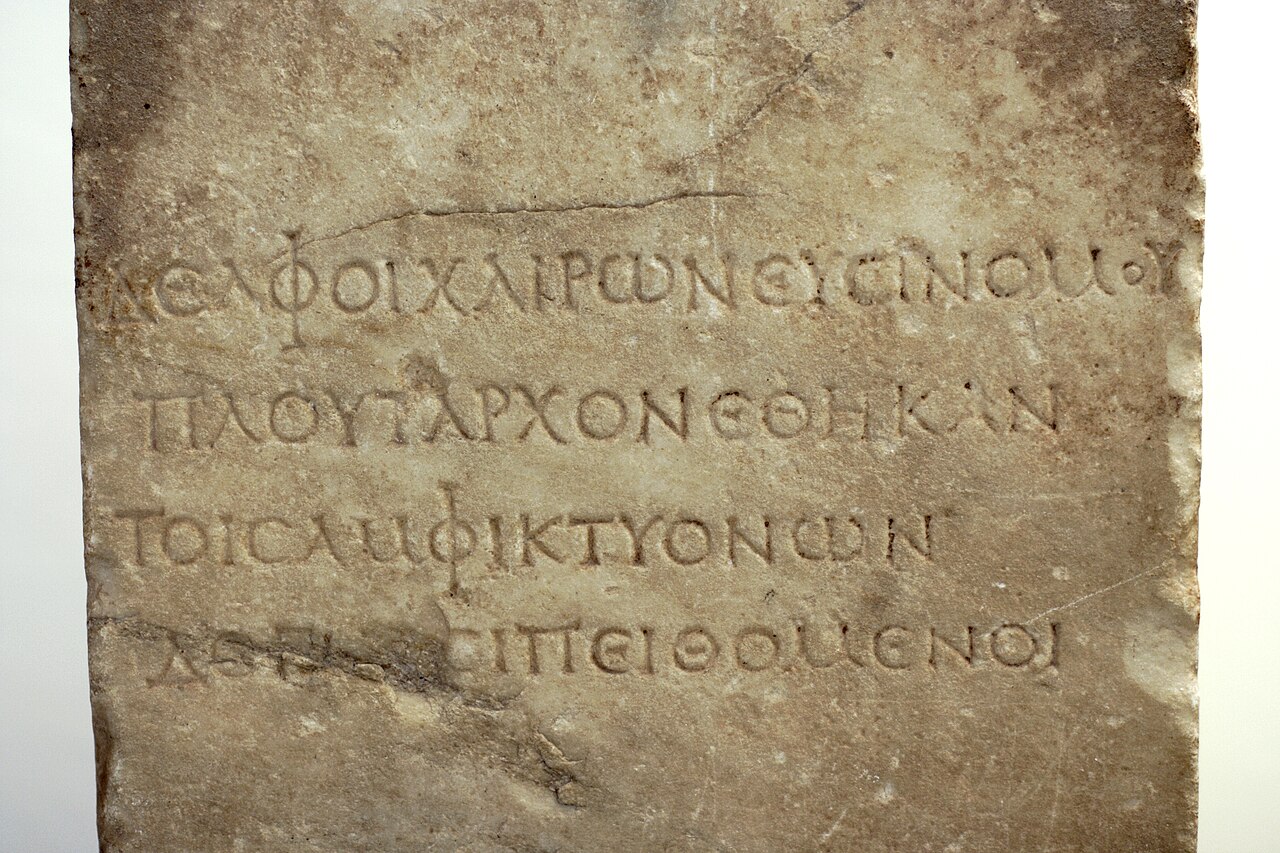
This photograph shows two marble objects found near the southeast corner of the temple of Apollo at Delphi. On the left is a bust that may show Plutarch or another Neoplatonic philosopher. On the right is a headless herm, a stone pillar, with a bust of Plutarch. Its Greek inscription says the people of Delphi set it up, and the record says the citizens of Chaeronea took part, in honour of Plutarch as an author and priest of Apollo. The record dates the herm to around AD 125.
Why it matters
Setting up a monument to a living or recently dead thinker was a public honour. This herm is evidence that the people of Delphi and of Chaeronea, Plutarch's home town, valued him. The inscription itself is a primary source, because it was carved in stone close to the time when he was honoured. It shows how a writer could become a religious and civic figure in his own region.
Look closer
- What does the inscription say about why Plutarch was honoured, and who honoured him?
- Why might the herm be headless, and how does that affect what we can learn from it?
- Which parts of this monument were made to be seen by visitors to the temple?
This sculpture is part of the curated material that grounds the AI version of Plutarch on Humy.ai — when students ask about related events, the AI can quote it and cite it.
More Plutarch sources
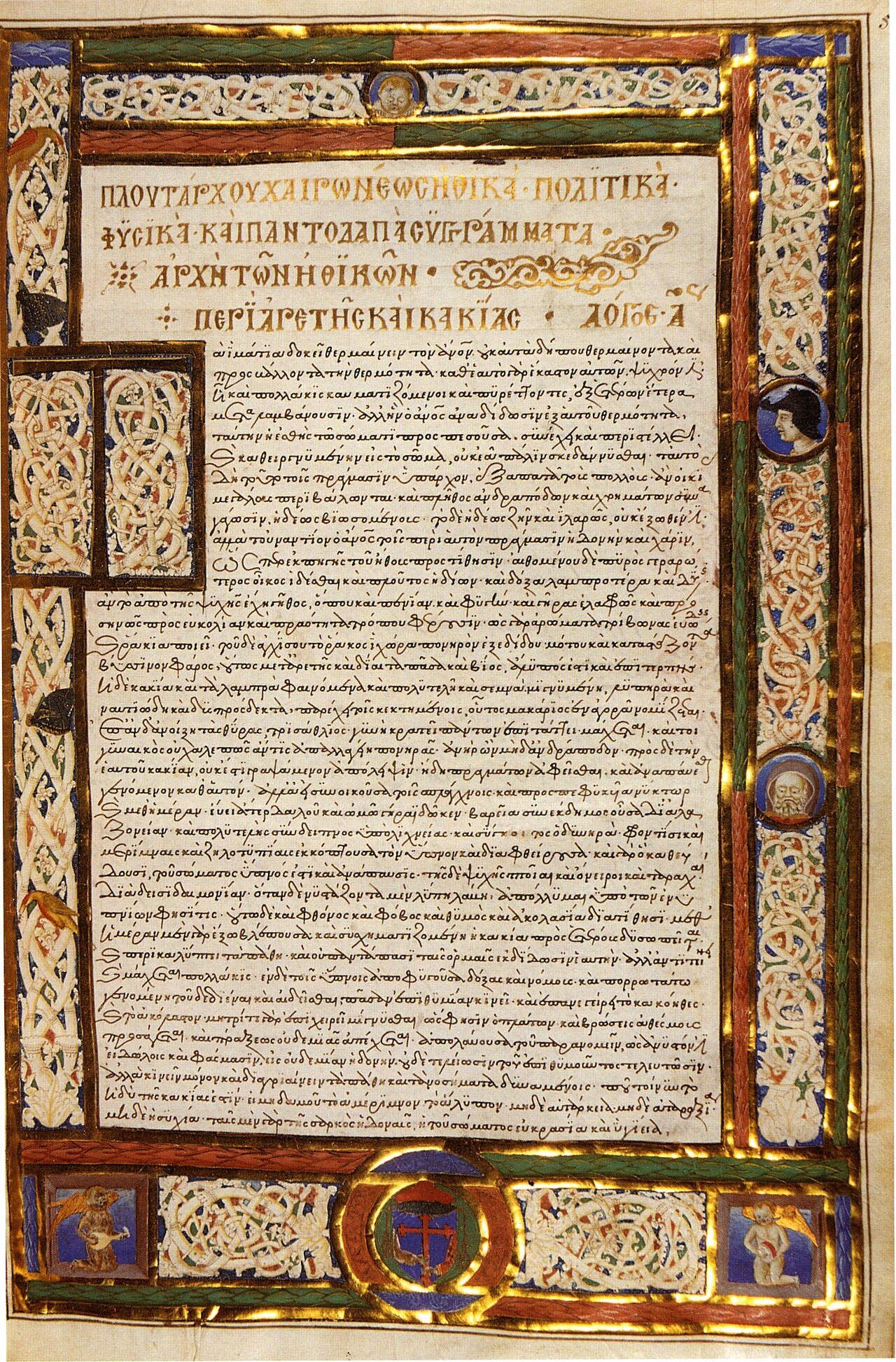
Browse all 90 →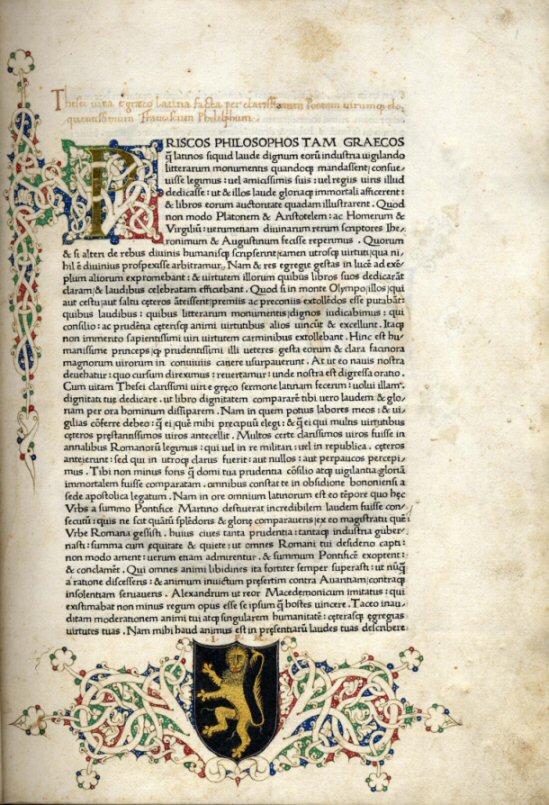



Ready when you are
Start chatting with Plutarch now.
20 messages free · No credit card · Available in 50+ languages.