


Primary sourceArtifact1958
Poème électronique
Edgard Varèse · 1958
An electronic music piece by Edgard Varèse written for Le Corbusier's Philips Pavilion, synchronized with a film of images selected by Le Corbusier.
Le Corbusier titled this piece and chose the film images it was synchronized to within his pavilion.
Free Humy account · No credit card · 120,288 sources to read
About this source
What it is
Poème électronique is an eight-minute electronic composition by Edgard Varèse, written for the Philips Pavilion at the 1958 Brussels World's Fair. Le Corbusier, who designed the pavilion, gave the piece its title and selected the sequence of black-and-white photographs it was synchronized to. The piece used unconventional sounds and was projected through hundreds of speakers controlled by projectionists using telephone dials.
Why it matters
The work shows how Le Corbusier saw architecture as part of a larger sensory experience, combining sound, light and image. He originally wanted his own recorded voice included over the music, but Varèse objected and the idea was dropped — a small but telling clash between architect and composer over whose vision would dominate the pavilion.
Look closer
- Why might Varèse have objected to Le Corbusier's voice being added to the music?
- What does it mean for a building to be designed around a piece of music?
- What themes might the chosen images have been meant to suggest?
This artifact is part of the curated material that grounds the AI version of Le Corbusier on Humy.ai — when students ask about related events, the AI can quote it and cite it.
More Le Corbusier sources
Browse all 88 →Primary source
Toward an Architecture
Le Corbusier · 1923
 Artifact
Primary source
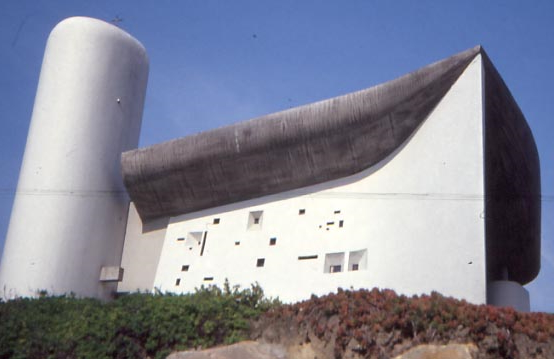
Notre-Dame du Haut
Le Corbusier · 1955
 Artifact
Primary source
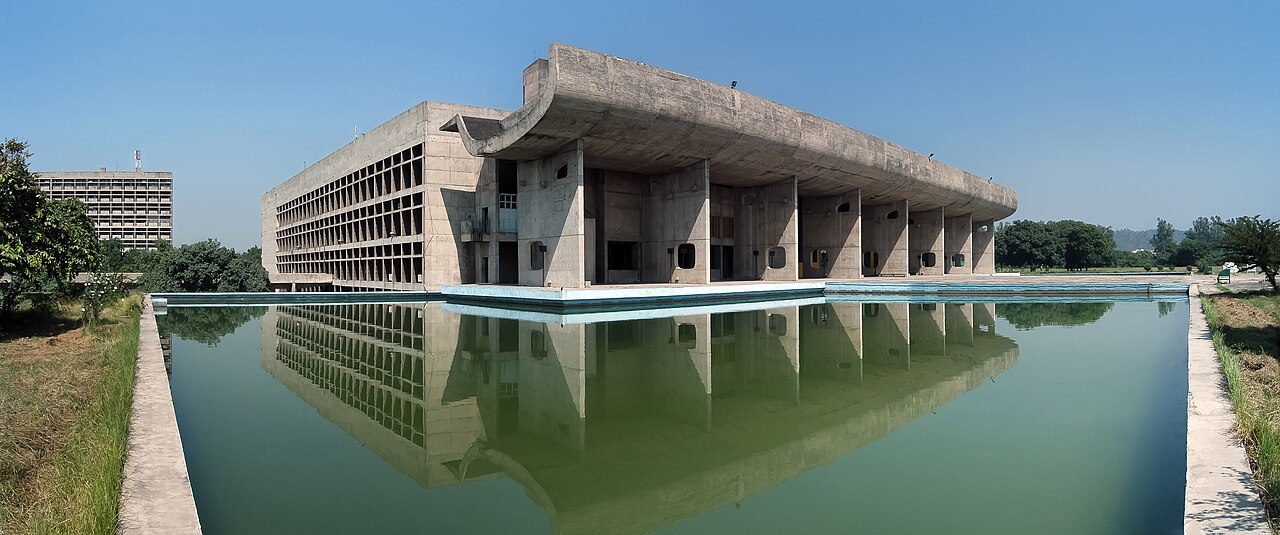
Chandigarh Capitol Complex
Le Corbusier · 1953
 Artifact
Primary source
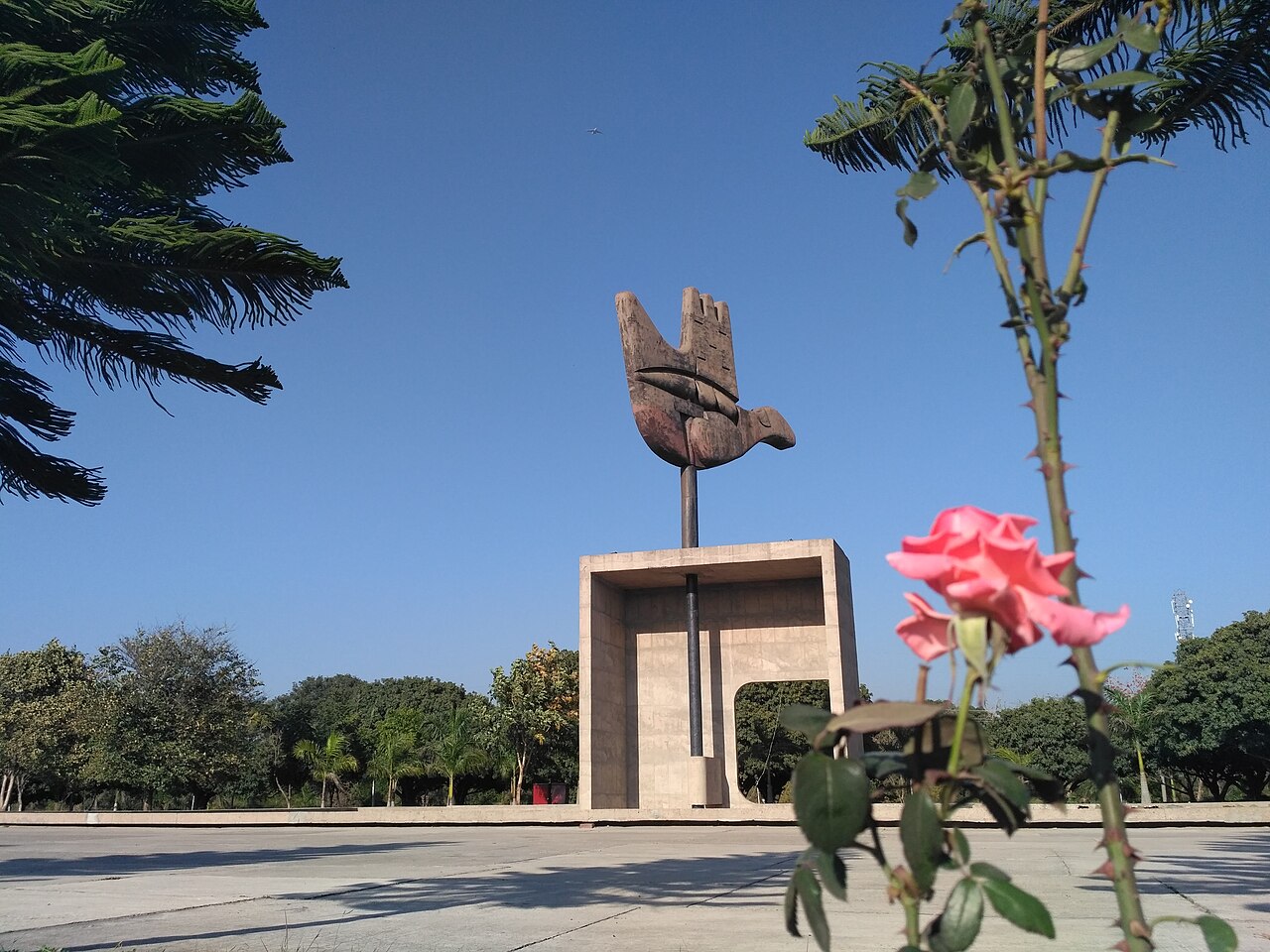
Chandigarh
Le Corbusier · 1953
Free account
Read every Le Corbusier source
Sign up free →
Ready when you are
Start chatting with Le Corbusier now.
20 messages free · No credit card · Available in 50+ languages.