


Secondary sourceBookc. 27 BCE – 14 CE
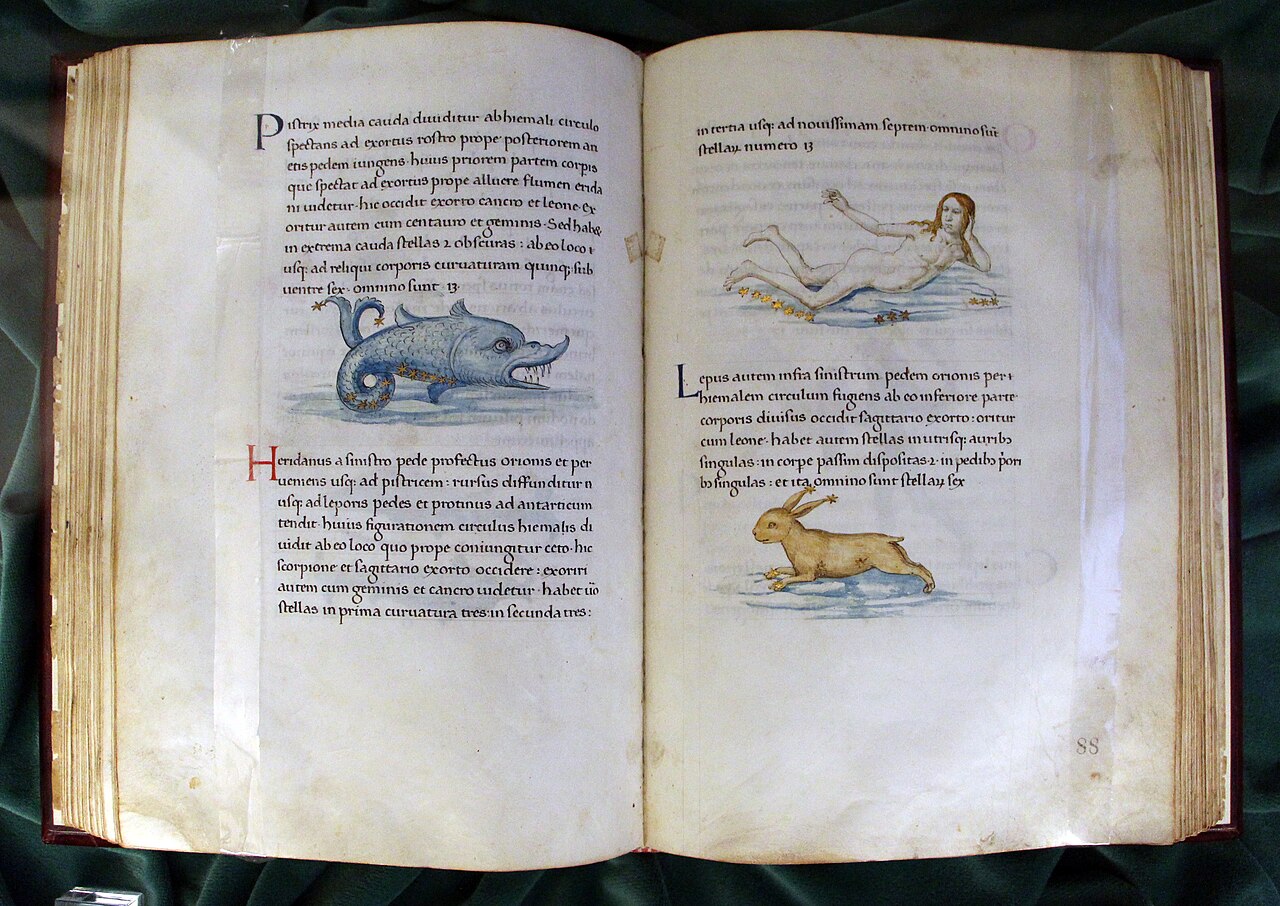
Poeticon astronomicon
Hyginus · c. 27 BCE – 14 CE
A Latin book of star myths that draws heavily on Eratosthenes' lost Catasterismi, spreading his constellation lore through later manuscripts and prints.
Preserves and spreads Eratosthenes' lost work on constellation myths, the Catasterismi.
Free Humy account · No credit card · 120,288 sources to read
About this source
What it is
Poeticon astronomicon (also called De astronomia) is a Latin work describing the Greek and Roman myths behind the constellations, attributed to a writer called Hyginus, probably written around the time of Augustus. Its stories are chiefly based on the Catasterismi, a lost work traditionally credited to Eratosthenes. It was first printed in 1475, and a famous illustrated edition with woodcuts followed in 1482.
Why it matters
Eratosthenes' Catasterismi does not survive on its own, so this later book is one of the main ways his constellation myths were passed down. It shows how his scientific and literary work on astronomy shaped star lore for centuries, even reaching Renaissance printers and illustrators.
Look closer
- Why is it significant that Eratosthenes' own book on constellations is lost, but survives through someone else's text?
- What might change when ideas are passed down through many copies and editions over centuries?
- Why do you think illustrators added pictures of constellations even though they didn't match the real night sky?
This book is part of the curated material that grounds the AI version of Eratosthenes on Humy.ai — when students ask about related events, the AI can quote it and cite it.
More Eratosthenes sources
Browse all 52 →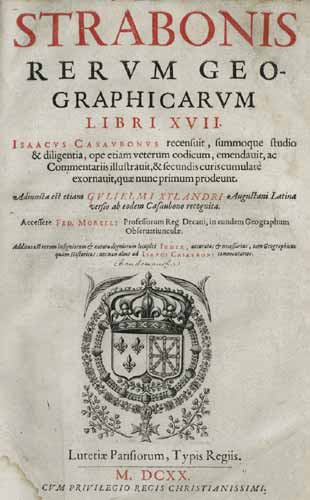 Book
Secondary source
Geography
Strabo · c. 20 AD
 Letter
Primary source
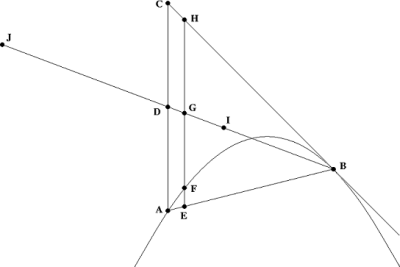
The Method of Mechanical Theorems
Archimedes · c. 250 BCE
 Document
Secondary source
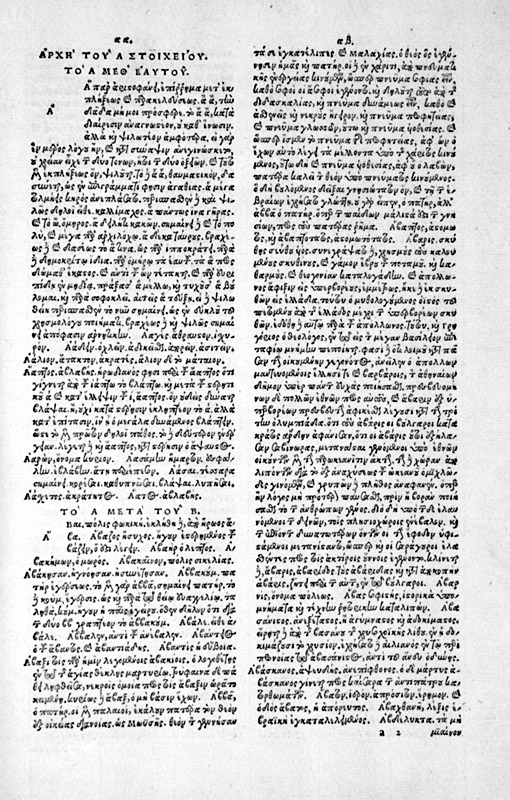
Suda
various authors · c. 1000
Secondary source
Natural History, Book 2, on Eratosthenes' Earth Measurement
Pliny the Elder · c. 77 CE
Free account
Read every Eratosthenes source
Sign up free →
Ready when you are
Start chatting with Eratosthenes now.
20 messages free · No credit card · Available in 50+ languages.