


Primary sourcePainting1891
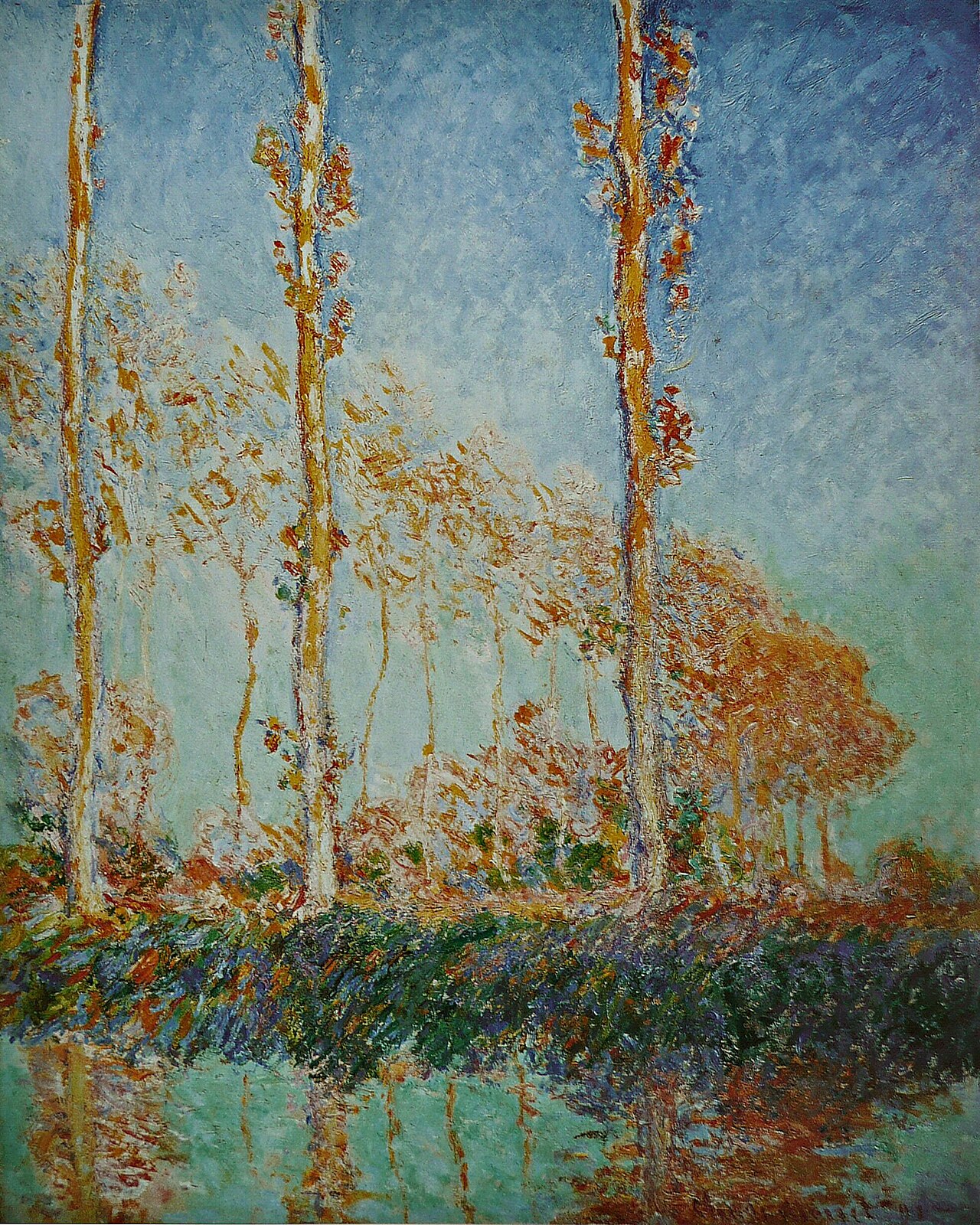
Poplars
Claude Monet · 1891
One of a series of paintings Monet made in 1891 of poplar trees along the Epte River, showing his obsessive study of a single motif.
Part of Monet's famous series paintings, showing his determination to control and repeatedly study a single natural motif.
About this source
What it is
This painting is part of a series of about twenty-three works made by Claude Monet in 1891, showing poplar trees growing in a marsh along the Epte River near his home at Giverny. It is held at the Metropolitan Museum of Art.
Why it matters
The trees belonged to a local commune and were due to be sold for timber before Monet finished painting them. To keep his motif intact, Monet himself bought the trees at auction, then sold them back once the series was complete. This shows how far he would go to preserve the exact scene he wanted to study, and his fascination with how light changes the same subject over time.
Look closer
- What do the colours of the trunks and leaves tell you about the season and time of day?
- Why might an artist want to paint the same trees again and again?
- What does Monet's effort to save the trees reveal about his working methods?
This painting is part of the curated material that grounds the AI version of Claude Monet on Humy.ai — when students ask about related events, the AI can quote it and cite it.
More Claude Monet sources
Meet the AI Claude Monet →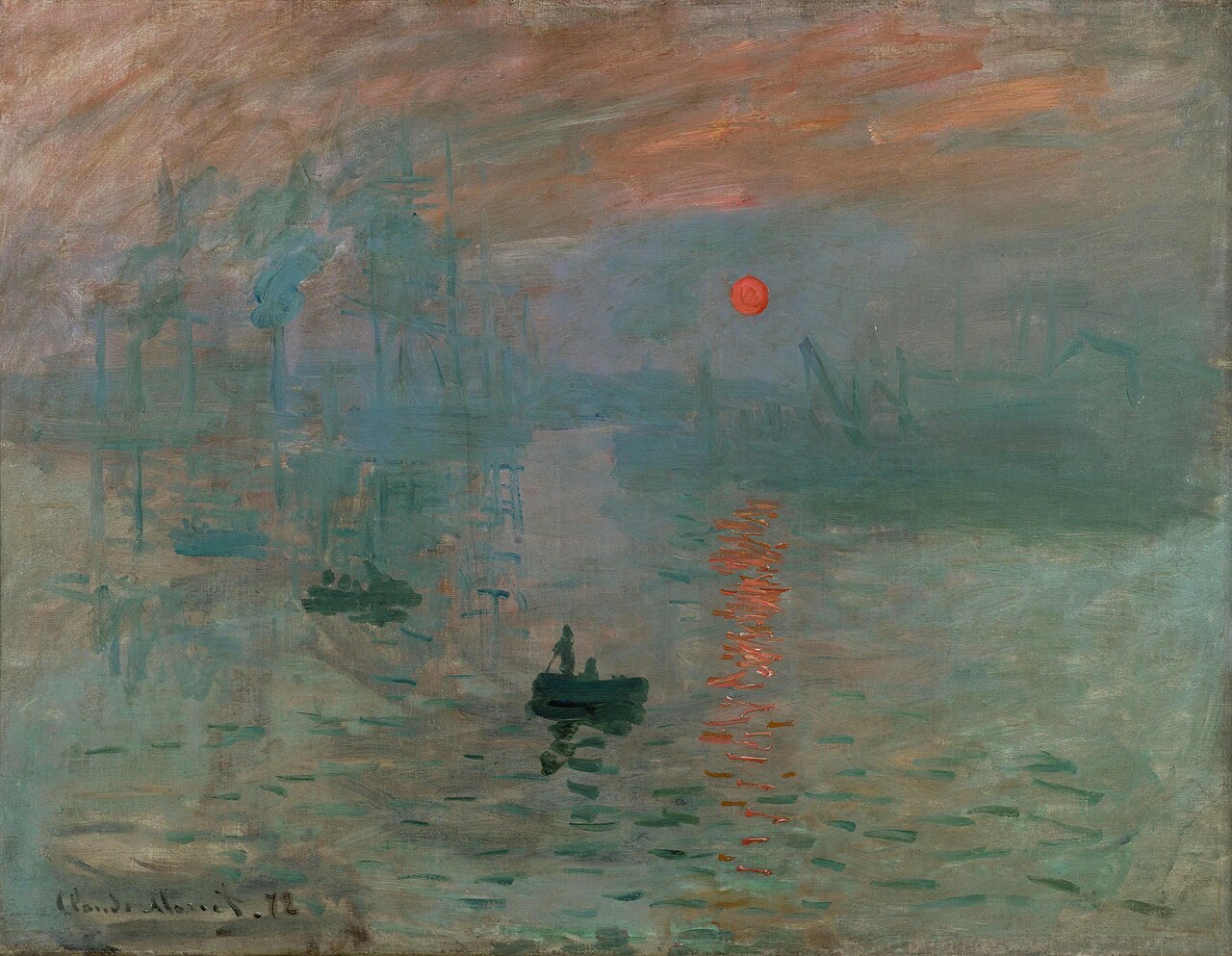 Painting
Primary source
Impression, Sunrise
Claude Monet · 1872
 Painting
Primary source
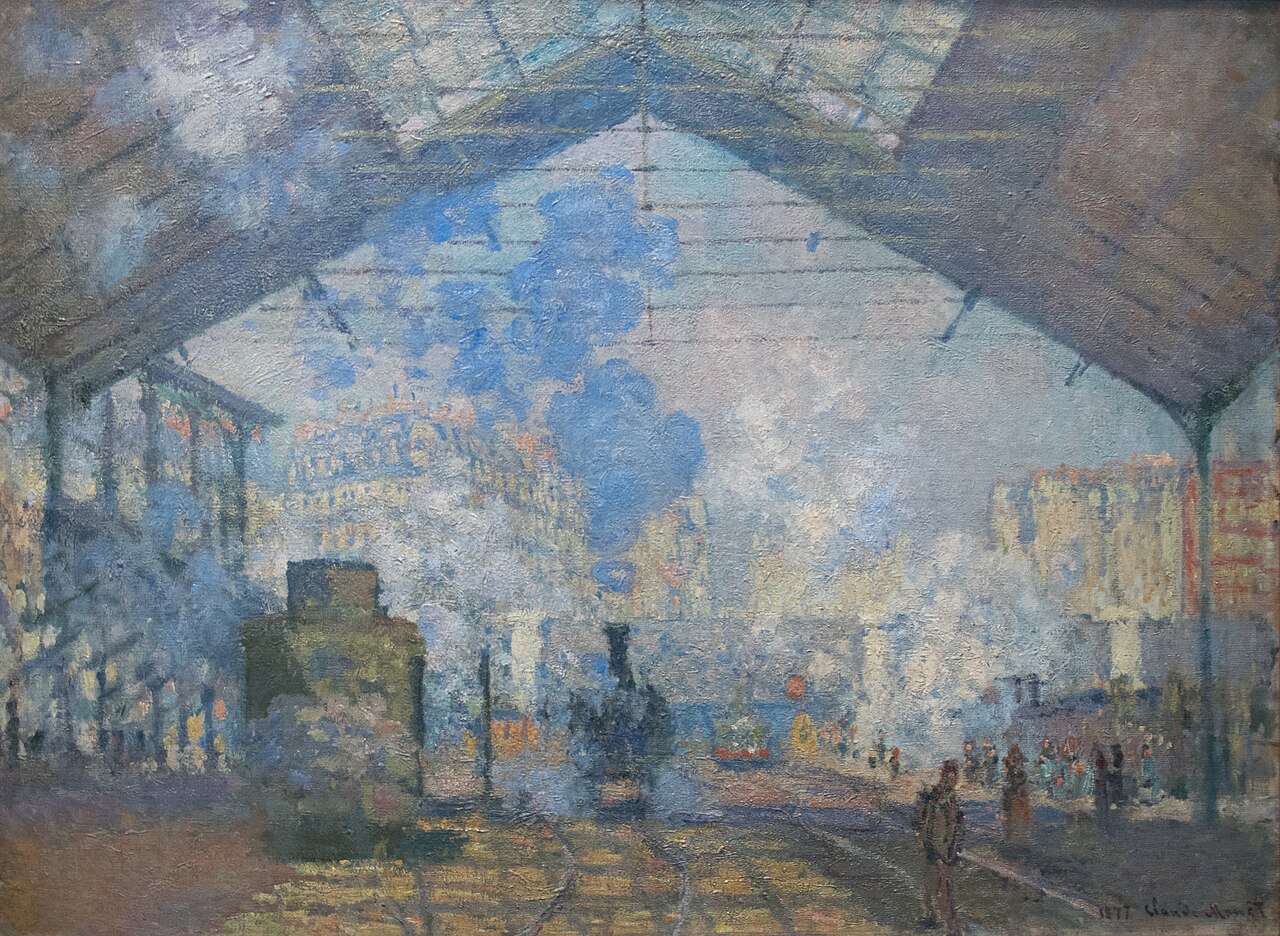
La Gare Saint-Lazare
Claude Monet · 1877
 Painting
Primary source
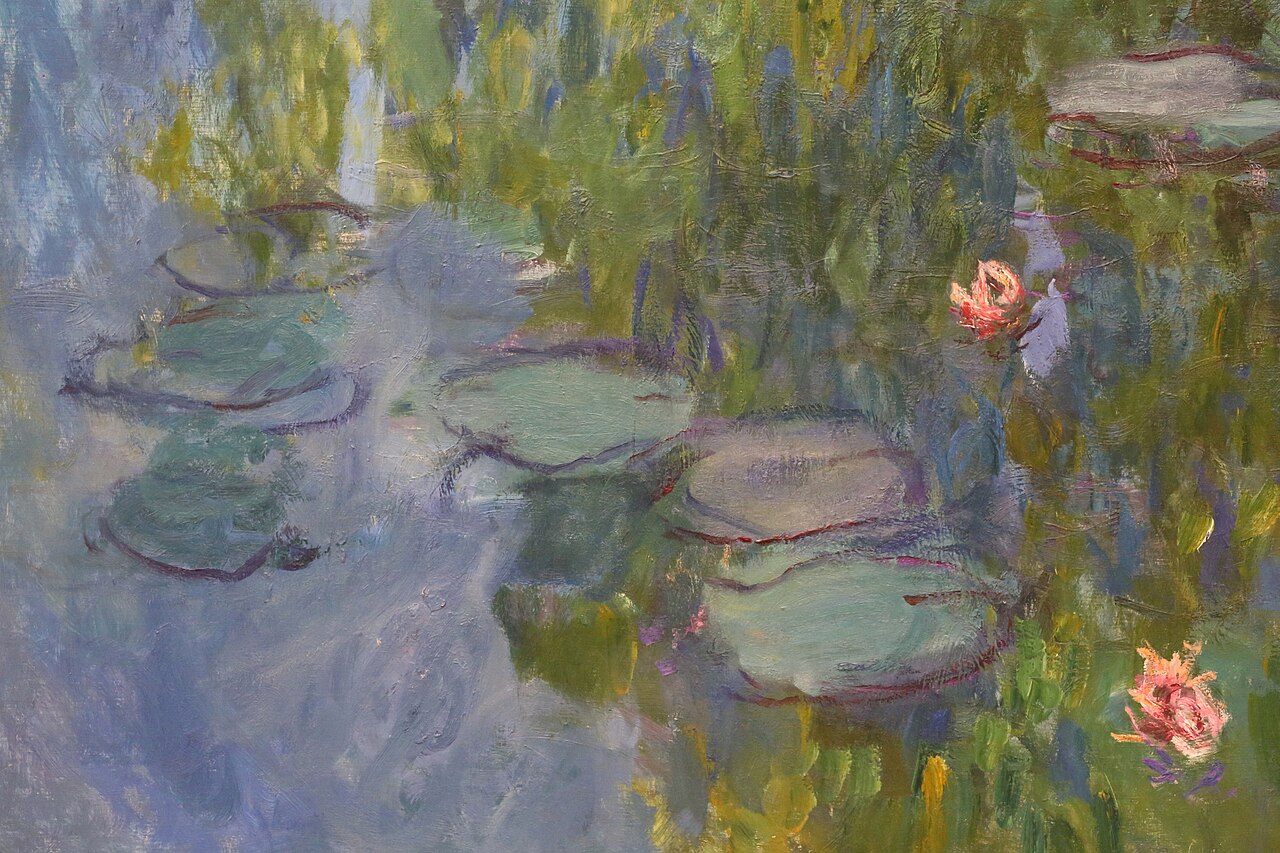
Water Lilies
Claude Monet · 1899 onward
 Painting
Primary source
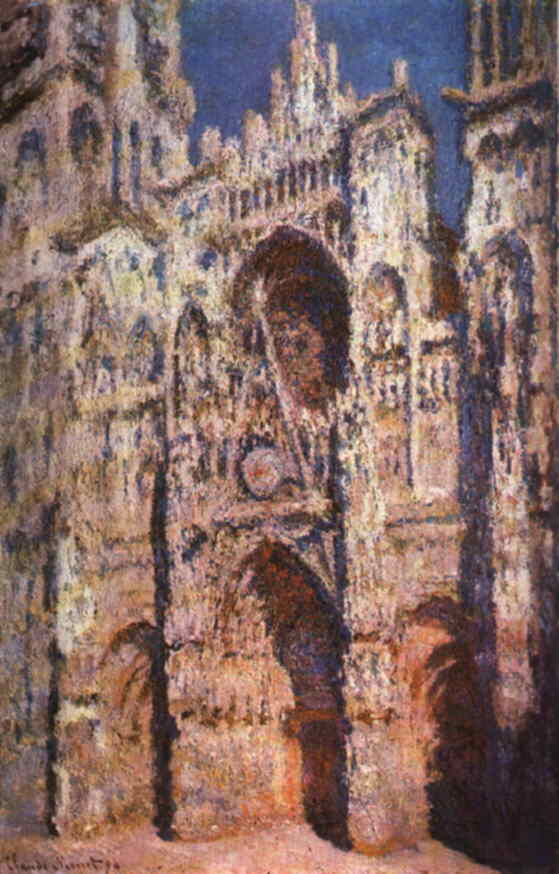
Rouen Cathedral Series
Claude Monet · 1892-1894
 Painting
Primary source
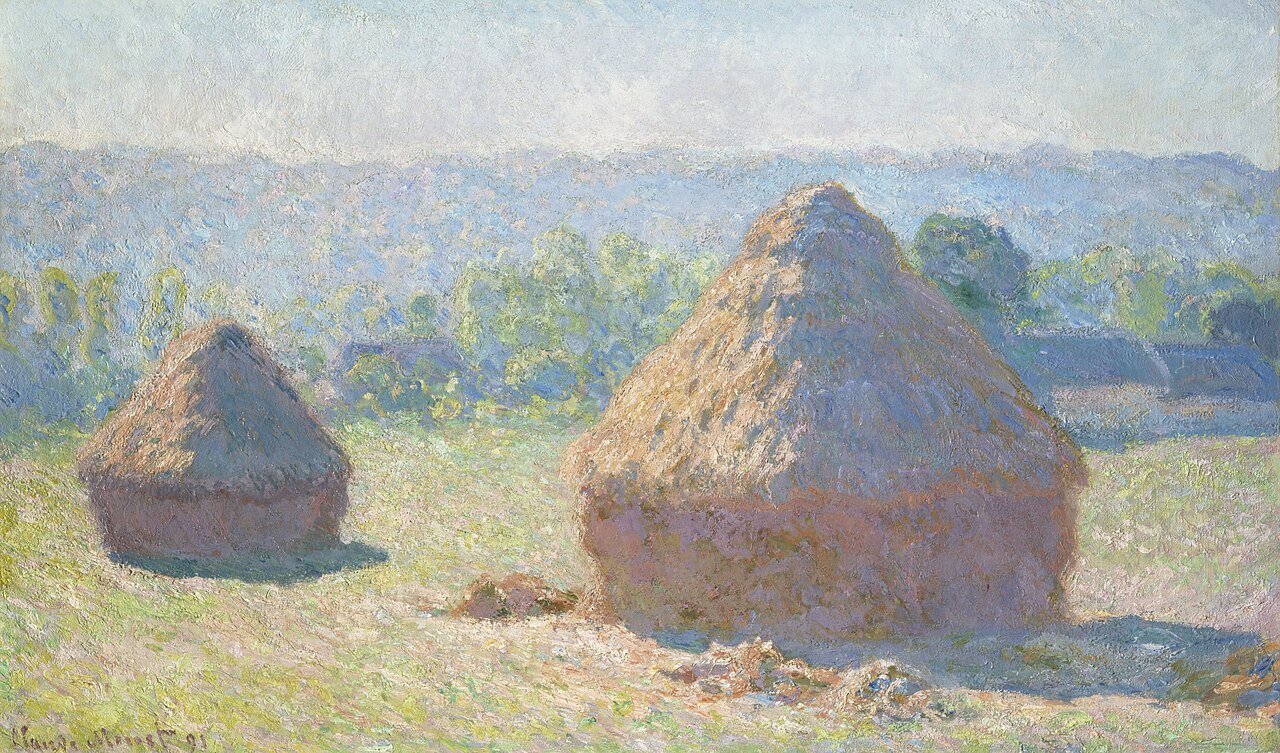
Haystacks
Claude Monet · 1890-1891
Ready when you are
Start chatting with Claude Monet now.
20 messages free · No credit card · Available in 50+ languages.