


Secondary sourceArtifactc. 1810
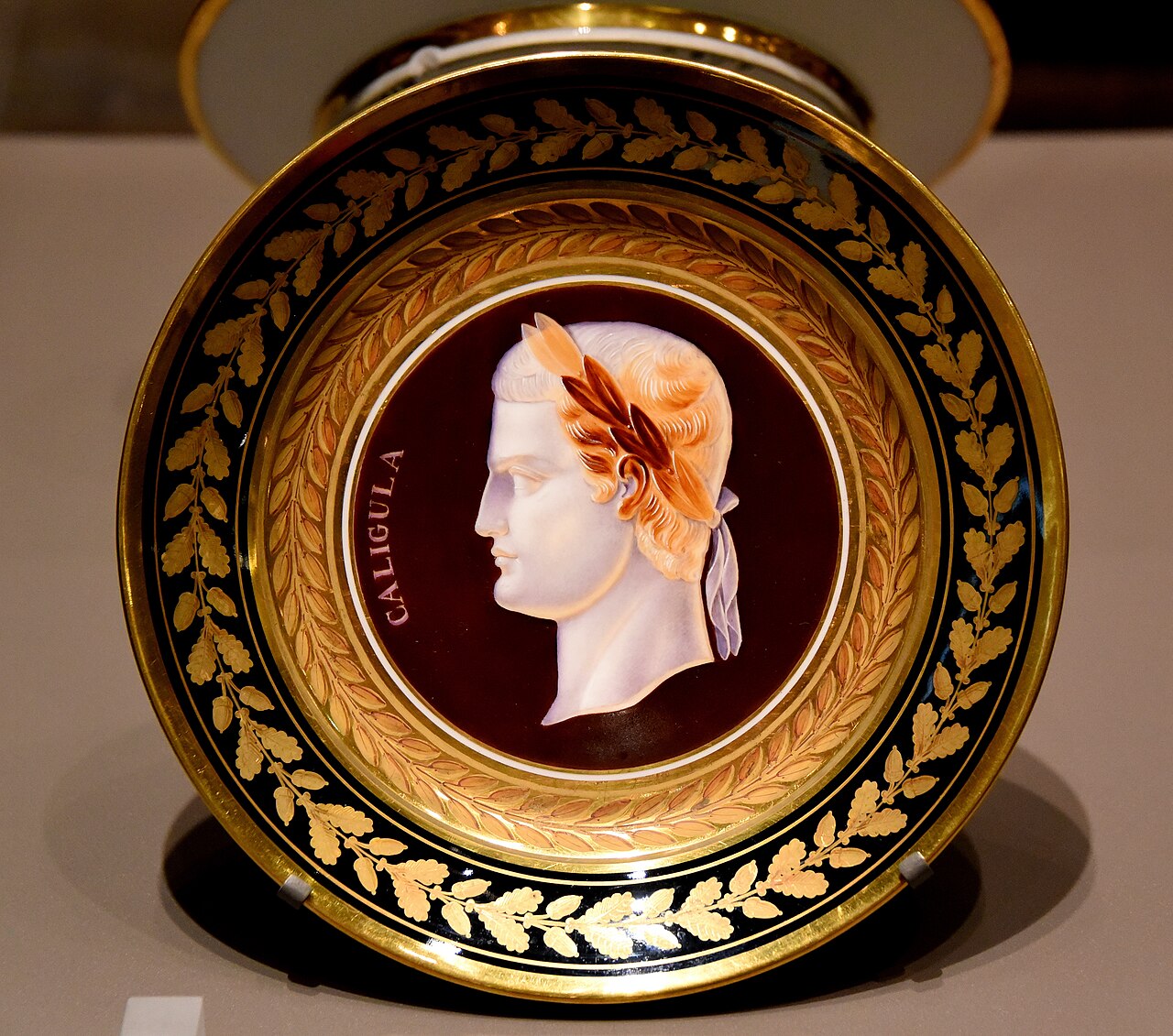
Porcelain Plate Depicting Caligula
Darte Frères · c. 1810
A French porcelain plate from around 1810 decorated with a painted portrait of Caligula, now in the Victoria and Albert Museum.
This decorative porcelain plate bears a labelled portrait of Caligula, showing his continued image in later European decorative art.
About this source
What it is
This porcelain plate was made around 1810 in France by the Darte Frères workshop. It is painted in enamels and gilded, with a central portrait of the Roman emperor Caligula labelled in gold letters. It was later given to the Victoria and Albert Museum in London by Lieutenant Colonel Kenneth Dingwall.
Why it matters
Decorative objects like this show how images of Roman emperors remained popular in European household decoration long after antiquity. The plate reflects the continuing fascination with Roman history and its rulers, including infamous figures like Caligula, among wealthy collectors in the early 19th century.
Look closer
- Why might someone choose to decorate a dinner plate with the portrait of an infamous emperor?
- What does the gilding and craftsmanship suggest about who owned objects like this?
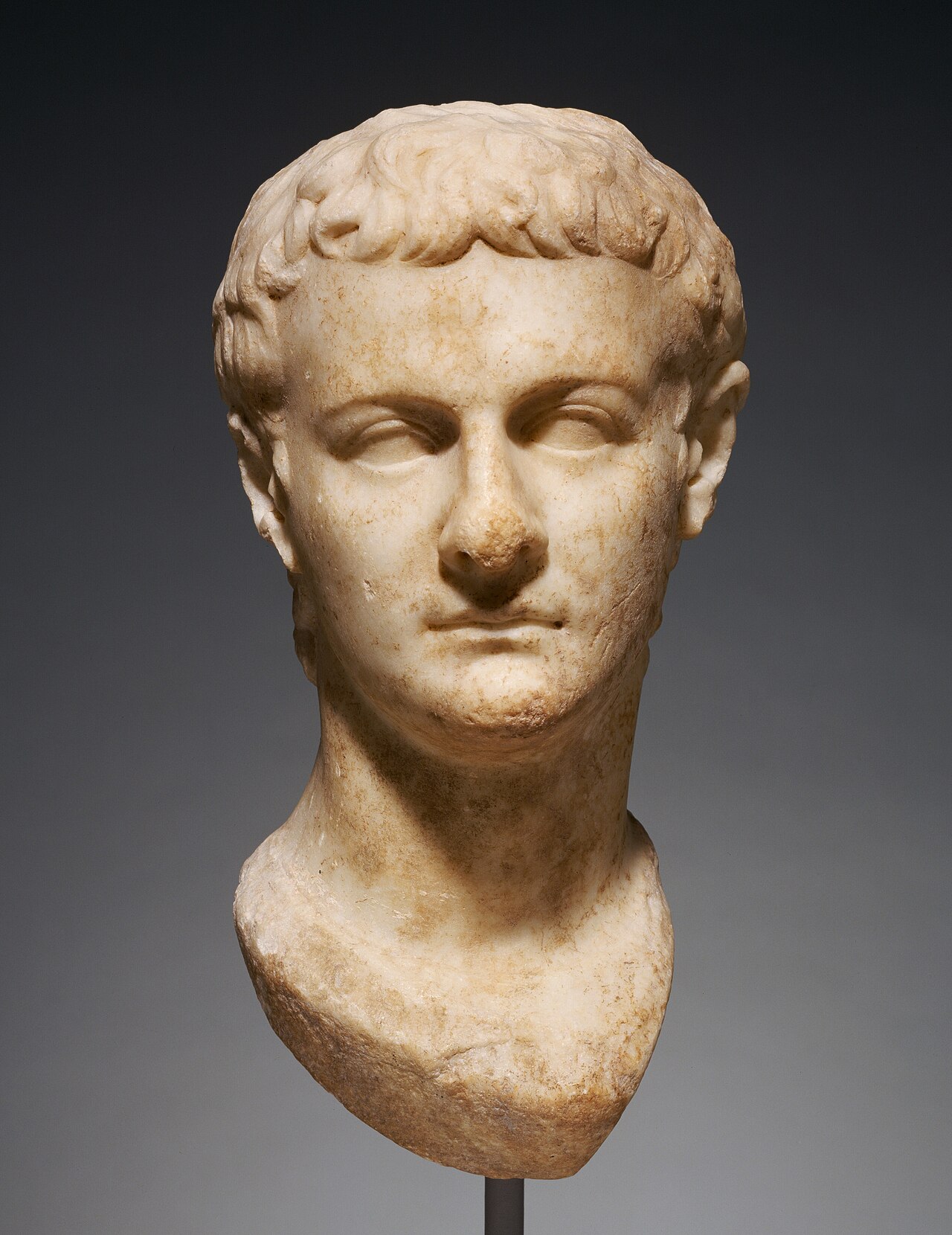
- How does this everyday object differ from other more academic portraits of Caligula?
This artifact is part of the curated material that grounds the AI version of Caligula on Humy.ai — when students ask about related events, the AI can quote it and cite it.
More Caligula sources
Browse all 88 →
Ready when you are
Start chatting with Caligula now.
20 messages free · No credit card · Available in 50+ languages.