


Primary sourceBook
De ira
Seneca
Seneca's Latin essay on anger, explaining the passion through Stoic philosophy and offering advice on controlling it.
Seneca's own essay analysing anger, showing his Stoic philosophy applied to everyday emotional life.
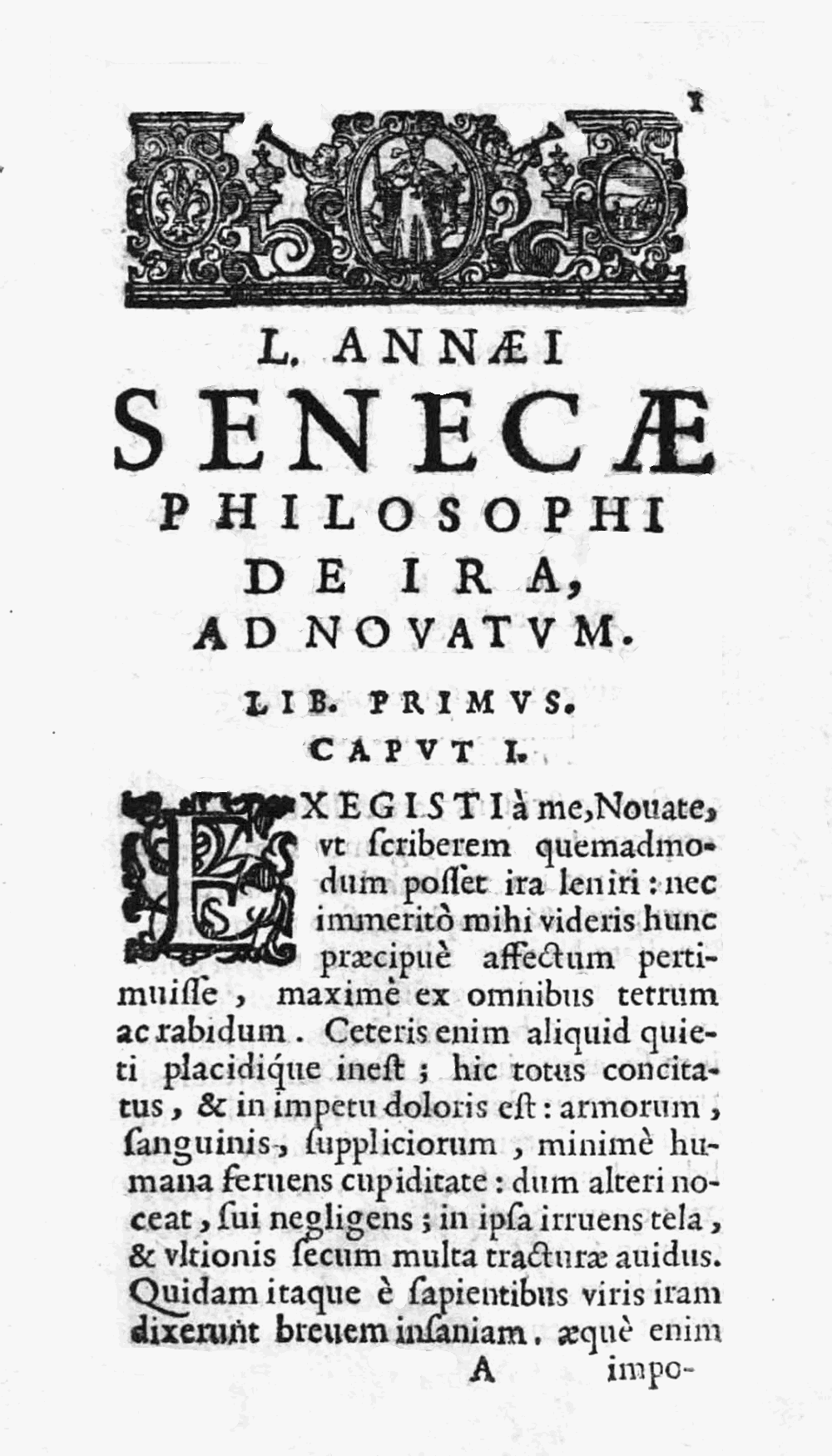
About this source
What it is
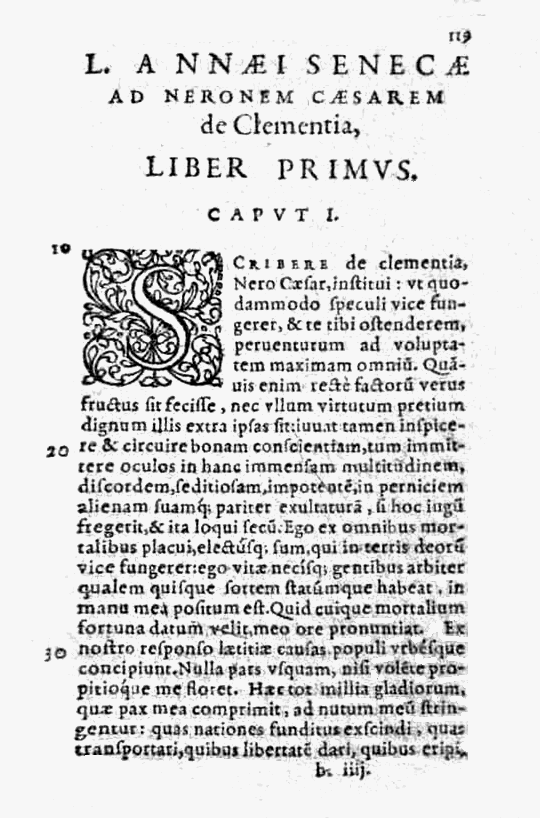
De ira (On Anger) is a Latin work written by Seneca. It defines and analyses anger as a destructive passion and offers Stoic advice for preventing and overcoming it. The page shown here comes from a 1643 printed edition of his collected works.
Why it matters
This is one of Seneca's fullest treatments of Stoic psychology in action, including his practice of nightly self-examination. It reveals how Stoic philosophers like Seneca tried to turn abstract ideas about virtue into daily habits for managing destructive emotion.
Look closer
- Why might Seneca have thought anger was more dangerous than other emotions?
- What does his advice about self-examination tell you about how he tried to live his philosophy?
- How does a printed page from 1643 differ from the original text Seneca wrote over 1500 years earlier?
This book is part of the curated material that grounds the AI version of Seneca on Humy.ai — when students ask about related events, the AI can quote it and cite it.
More Seneca sources
Meet the AI Seneca →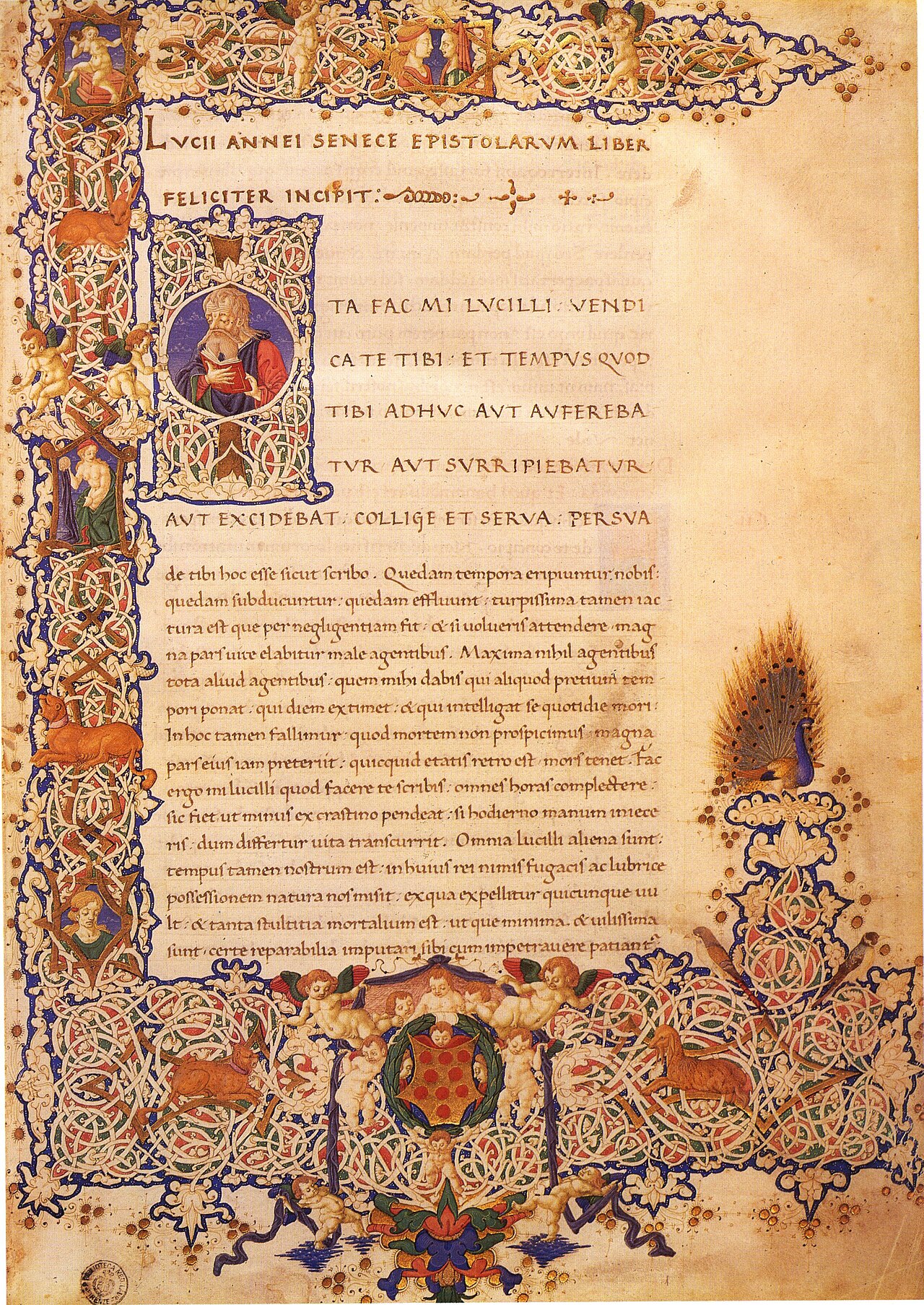 Letter
Primary source
Epistulae Morales ad Lucilium
Seneca · c. 62-65 CE
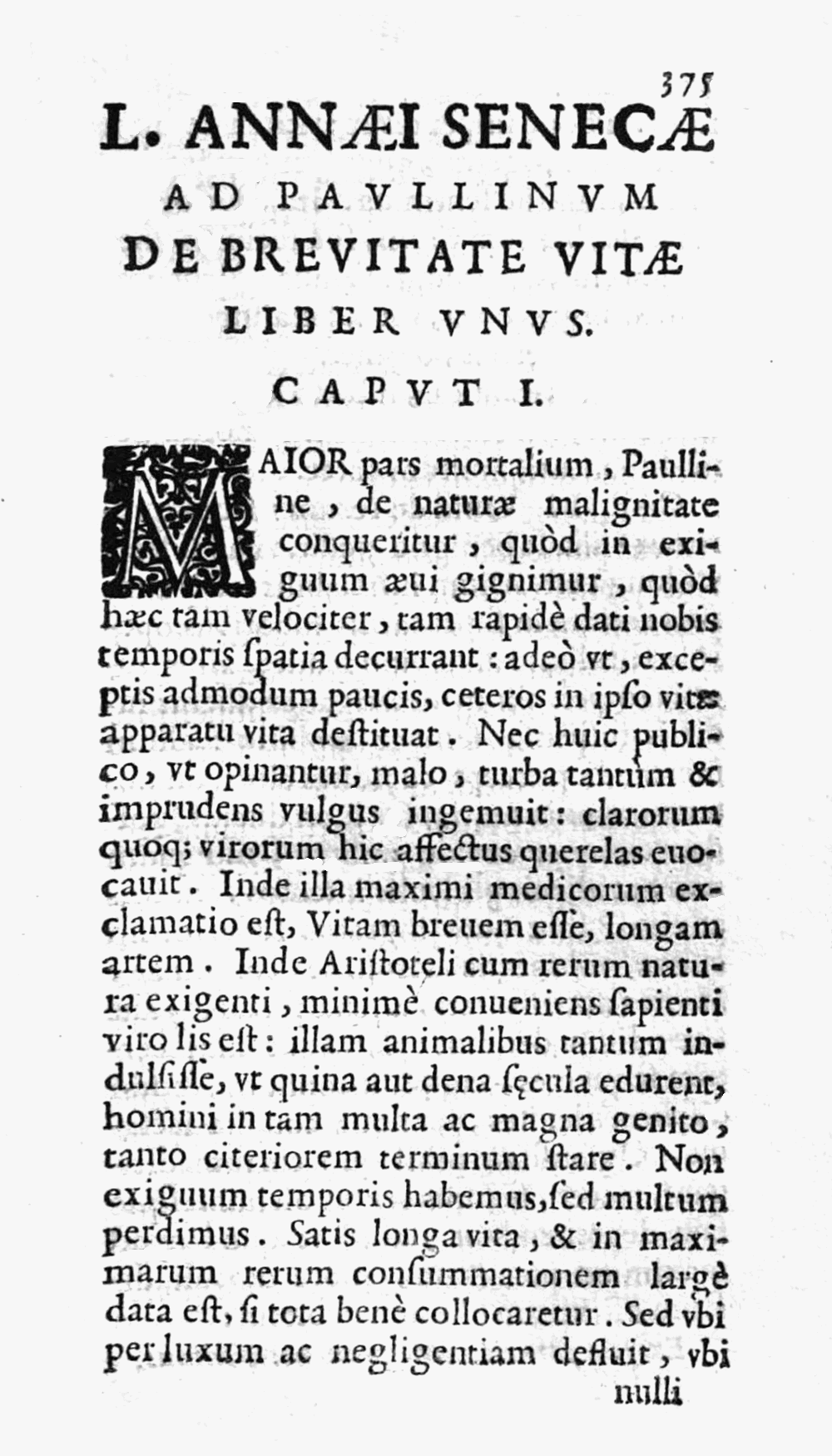 Book
Primary source
De Brevitate Vitae
Seneca · c. 49 CE
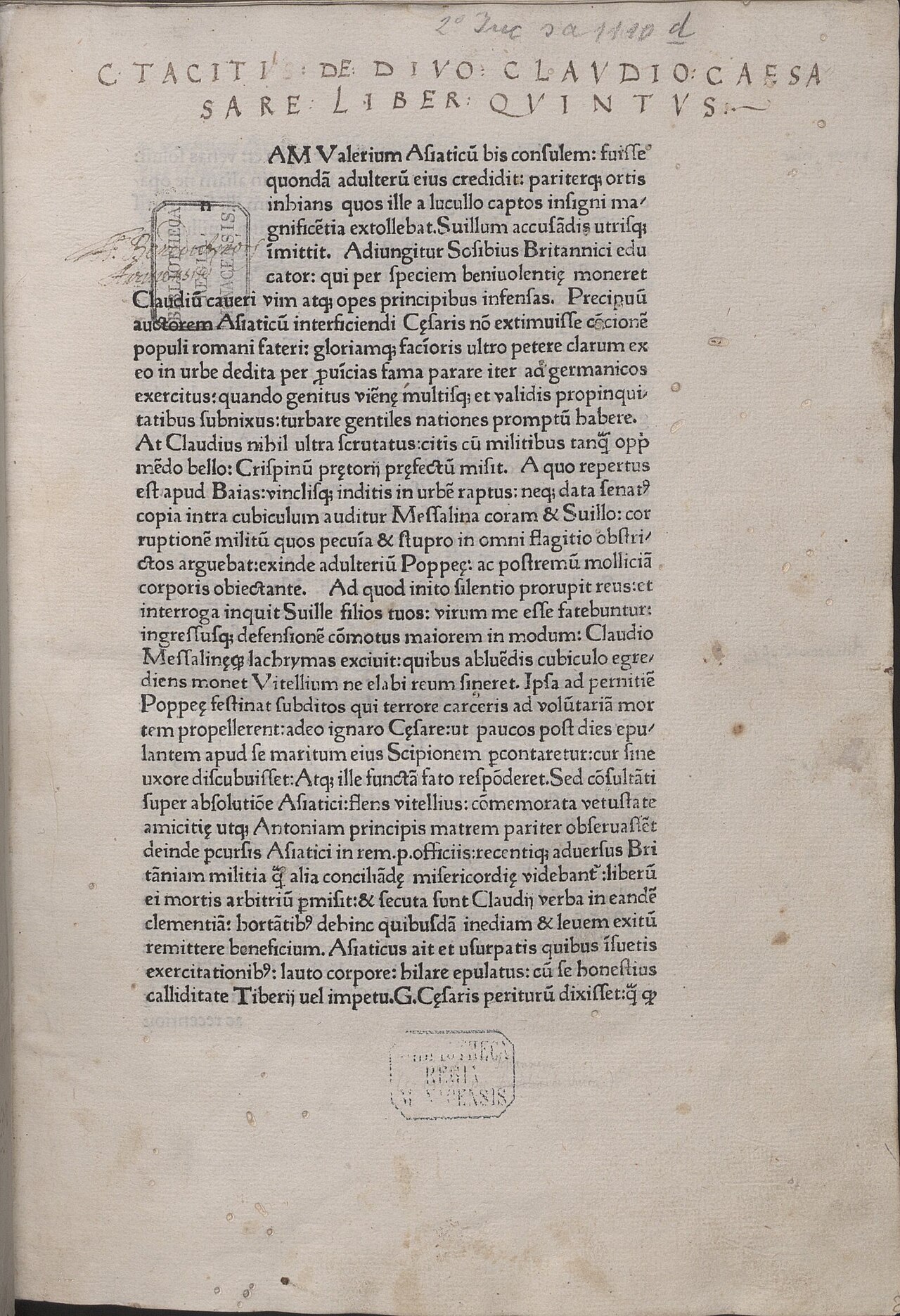 Book
Secondary source
Annals
Tacitus · c. AD 116 or later
 Book
Primary source
De Clementia
Seneca · 55-56 CE
 Sculpture
Secondary source
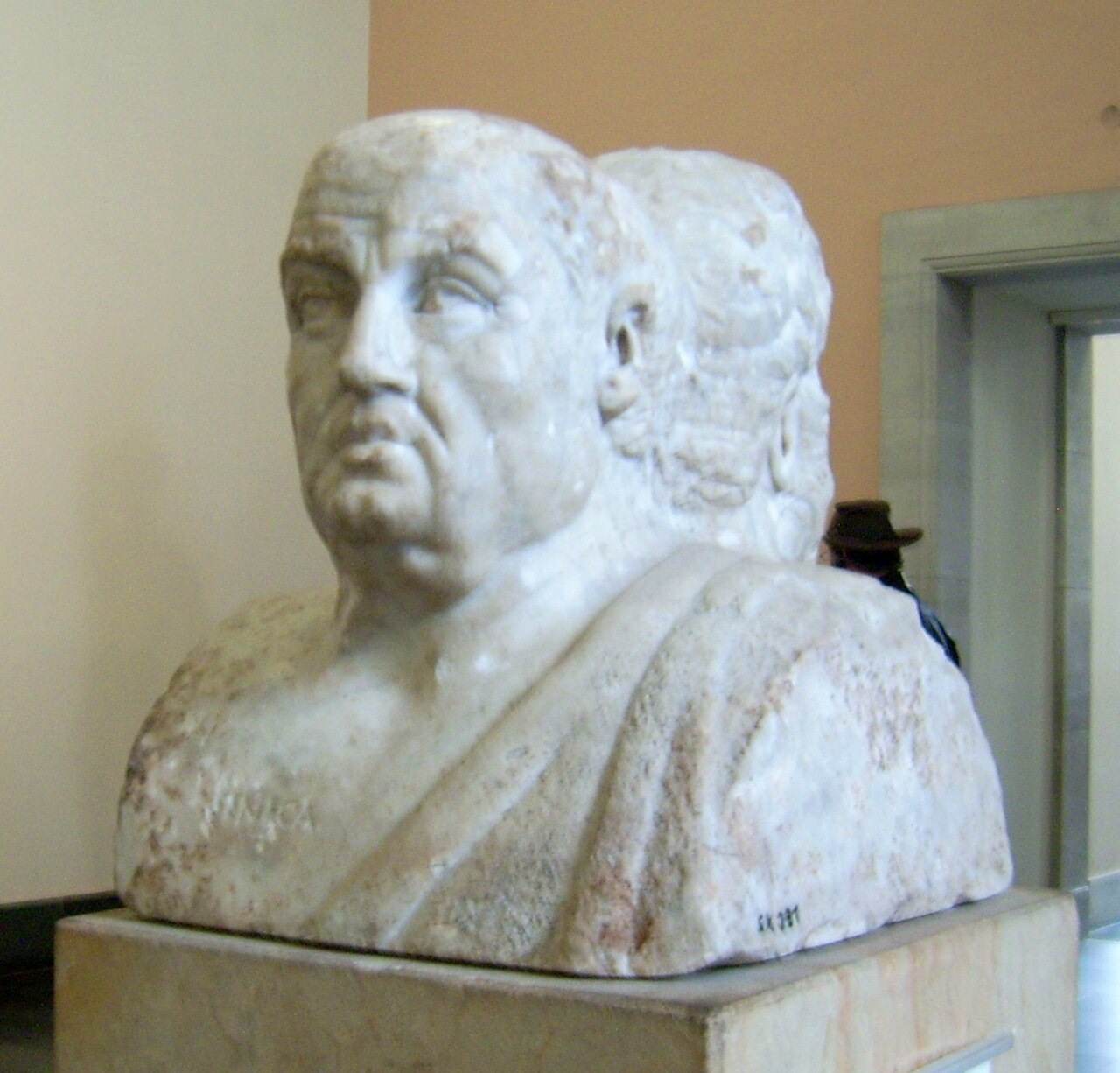
Double Herm of Socrates and Seneca
first half of the 3rd century AD
Ready when you are
Start chatting with Seneca now.
20 messages free · No credit card · Available in 50+ languages.