


Secondary sourceArtifactcompleted 1431
Porcelain Tower of Nanjing
completed 1431
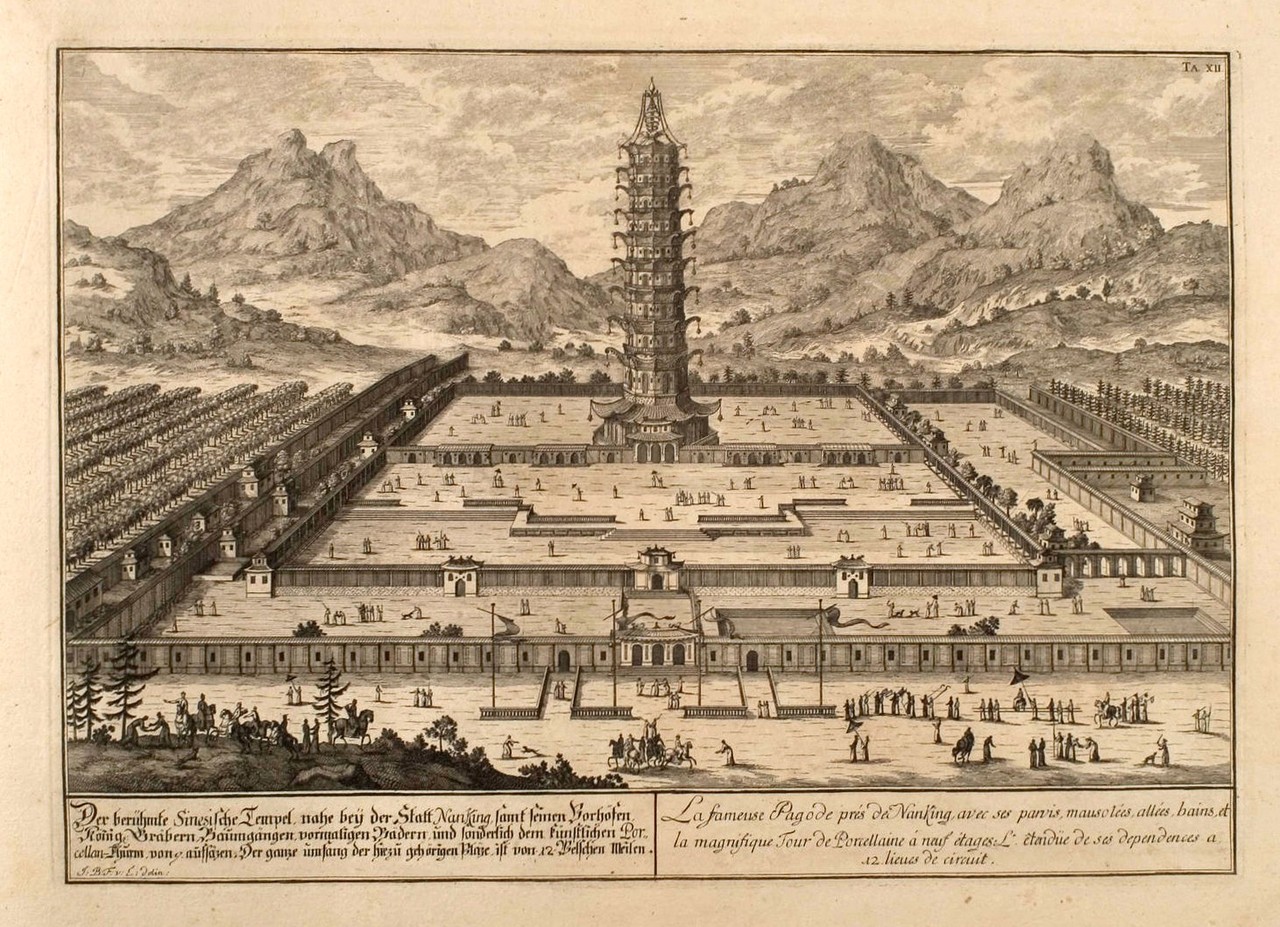
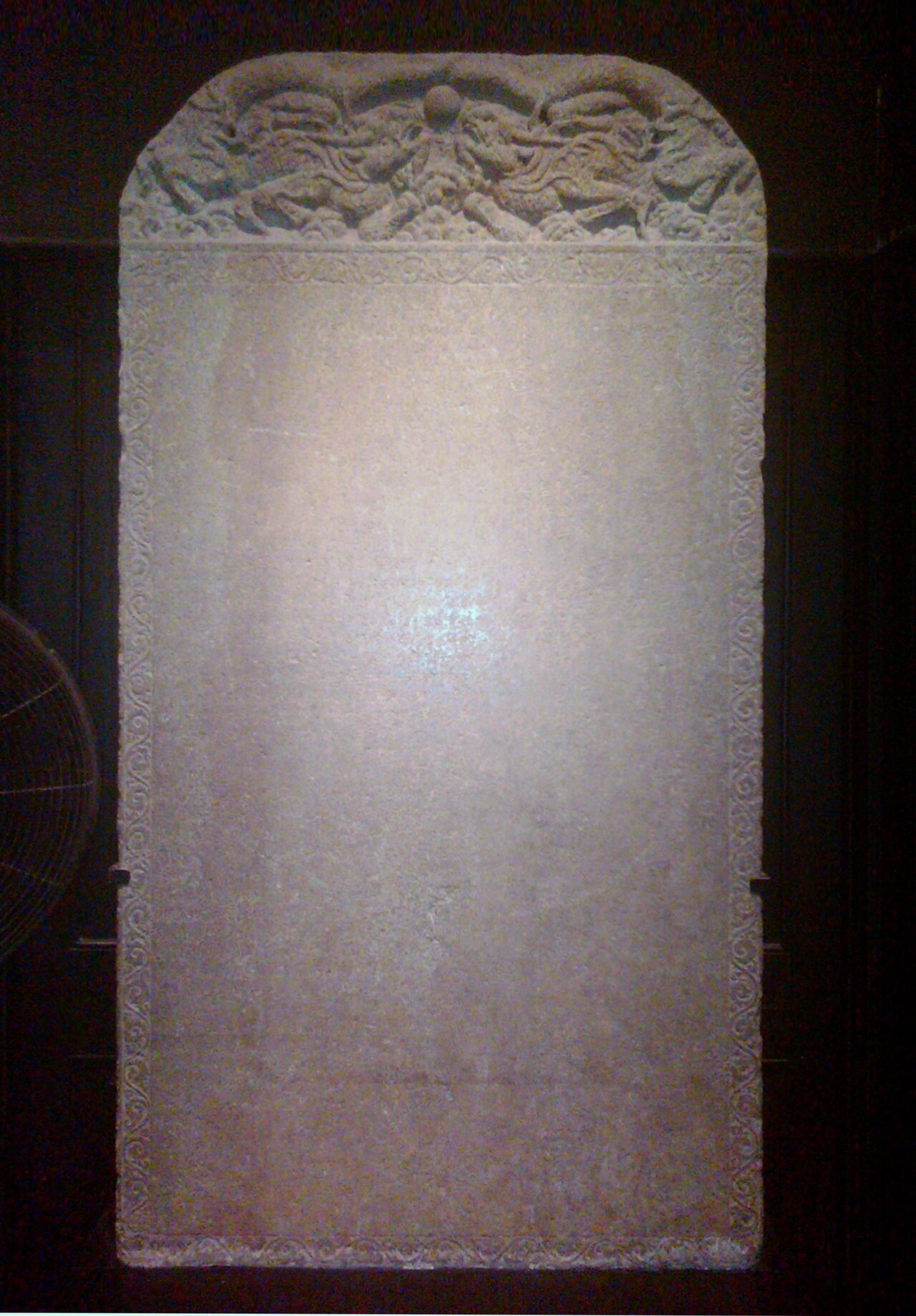
A glazed-brick pagoda at the Great Bao'en Temple, commissioned by the Yongle Emperor, destroyed in the 19th century but known from fragments and descriptions.
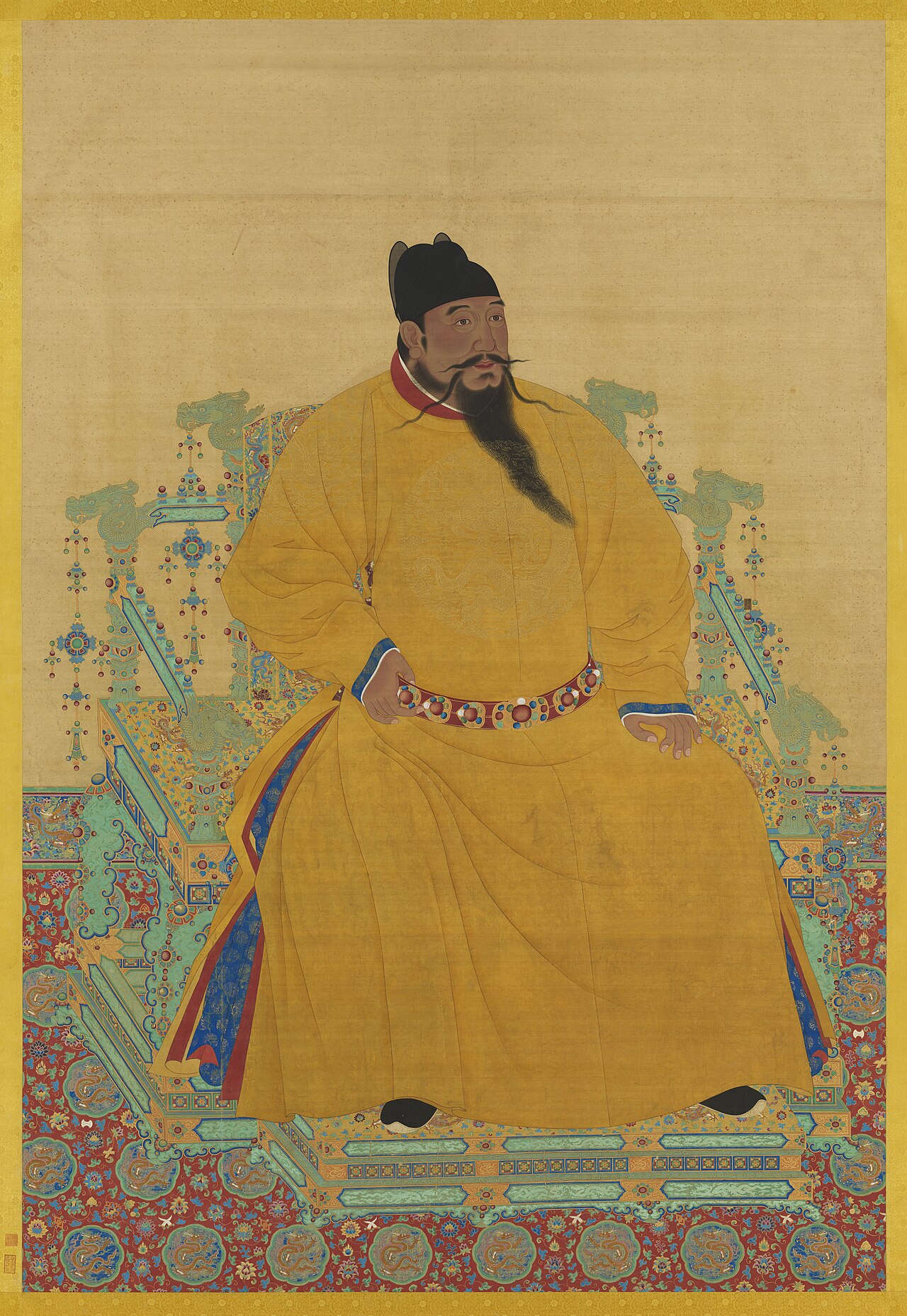
He commissioned this pagoda at the Bao'en Temple, reportedly to honour his parents.
About this source
What it is
The Porcelain Tower of Nanjing was part of the Great Bao'en Temple, designed during the reign of the Yongle Emperor and completed in 1431, after construction begun in the early 15th century. It was an octagonal pagoda built with white porcelain bricks and glazed decoration, rising to a great height with nine stories. It was mostly destroyed in the 1850s during the Taiping Rebellion.
Why it matters
Once seen by Europeans as one of the Wonders of the World, the tower shows the technical skill and ambition of Ming building projects commissioned under the emperor. Its destruction during civil war, and its 21st-century reconstruction, also show how monuments can be lost and later rebuilt to serve new purposes.
Look closer
- Why might the emperor have built such an enormous, highly decorated tower, said to honour his parents?
- What can the fragments and old European descriptions tell us that the destroyed original cannot?
- Why might a modern businessman want to fund the tower's reconstruction centuries later?
This artifact is part of the curated material that grounds the AI version of Yongle Emperor on Humy.ai — when students ask about related events, the AI can quote it and cite it.
More Yongle Emperor sources
Meet the AI Yongle Emperor →
Ready when you are
Start chatting with Yongle Emperor now.
20 messages free · No credit card · Available in 50+ languages.