


Secondary sourcePhotograph28 September 2006
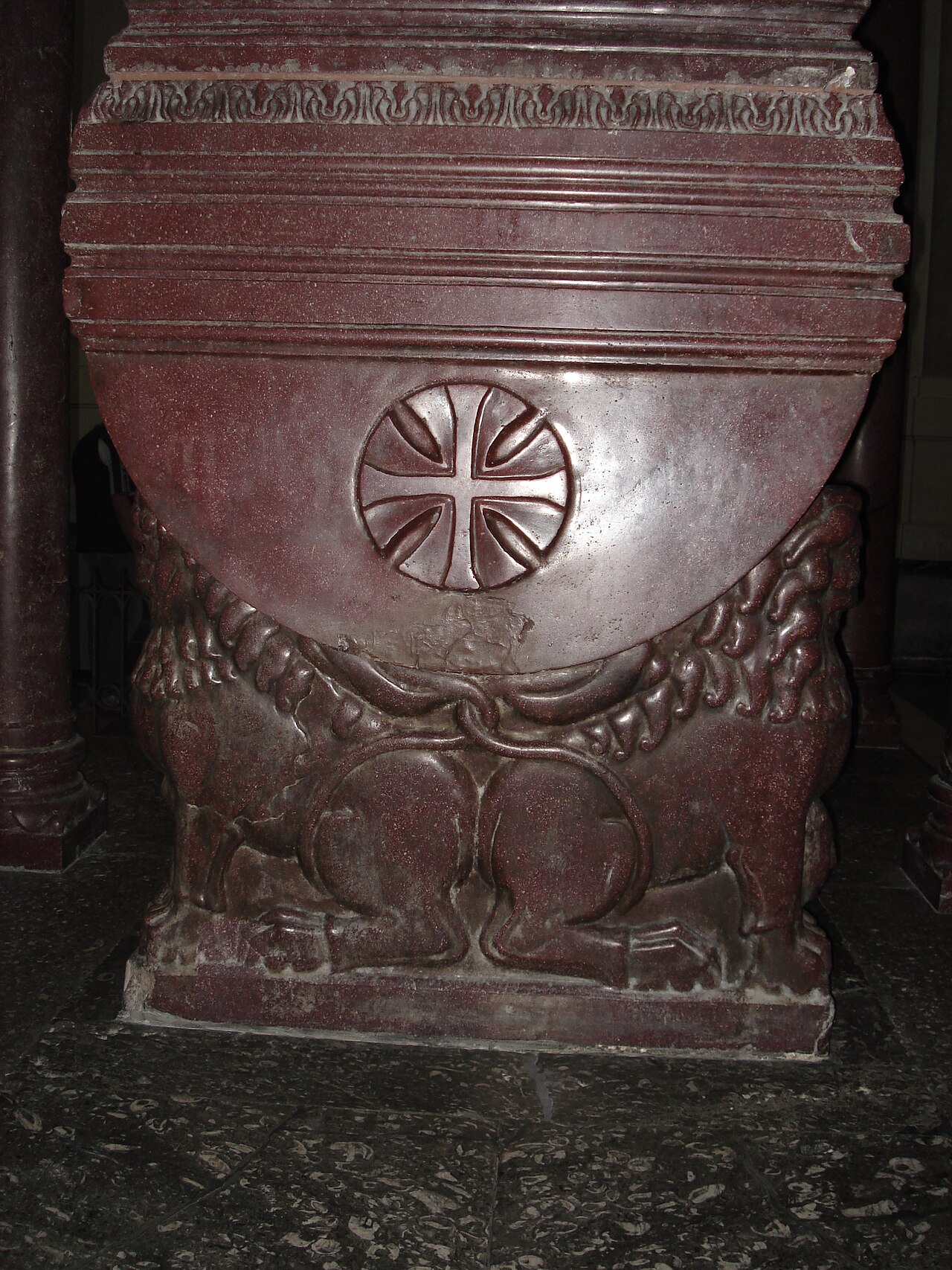
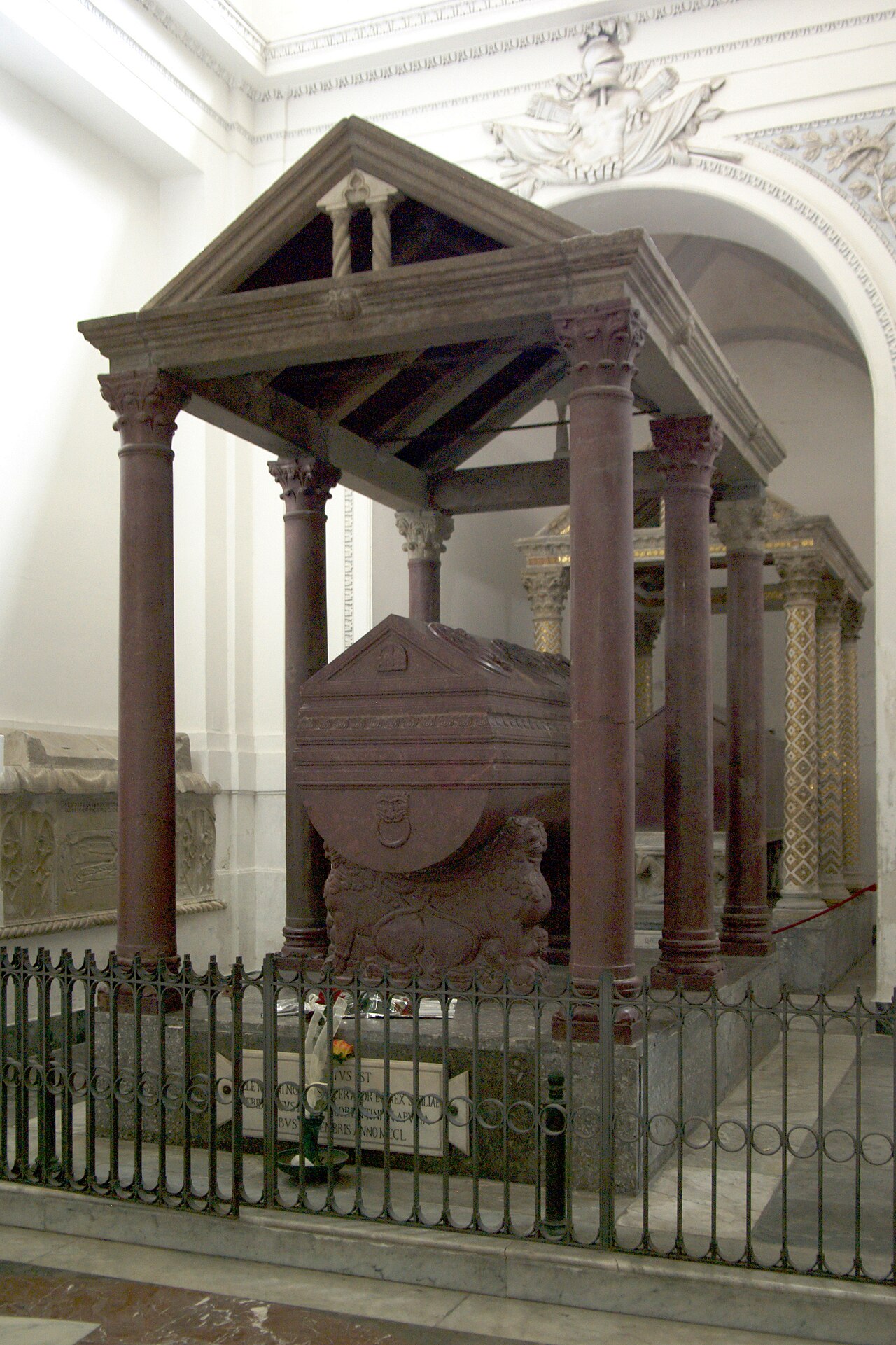
Porphyry Sarcophagus of Frederick II
Giovanni Dall'Orto · 28 September 2006
A photograph of the porphyry sarcophagus holding the remains of Frederick II in Palermo Cathedral, taken in 2006.
This photograph shows the actual tomb where Frederick II's remains rest in Palermo Cathedral.
About this source
What it is
This photograph, taken in 2006 by Giovanni Dall'Orto, shows the porphyry sarcophagus of Frederick II in Palermo Cathedral in Sicily. The tomb is made of dark red porphyry stone, decorated with a circular cross medallion, and rests on a base carved with lions.
Why it matters
This is the actual resting place of Frederick II, one of the most powerful and controversial rulers of medieval Europe. The use of costly porphyry, a stone long associated with imperial power, reflects how Frederick and those who buried him wanted him remembered: as an emperor in the grand Roman tradition, even centuries after Rome's fall.
Look closer
- Why might porphyry stone have been chosen for an emperor's tomb?
- What do the carved lions and cross symbol suggest about how Frederick wanted to be remembered?
- What can a tomb tell us about a historical figure, and what can it not tell us?
This photograph is part of the curated material that grounds the AI version of Frederick II, Holy Roman Emperor on Humy.ai — when students ask about related events, the AI can quote it and cite it.
More Frederick II, Holy Roman Emperor sources
Browse all 87 →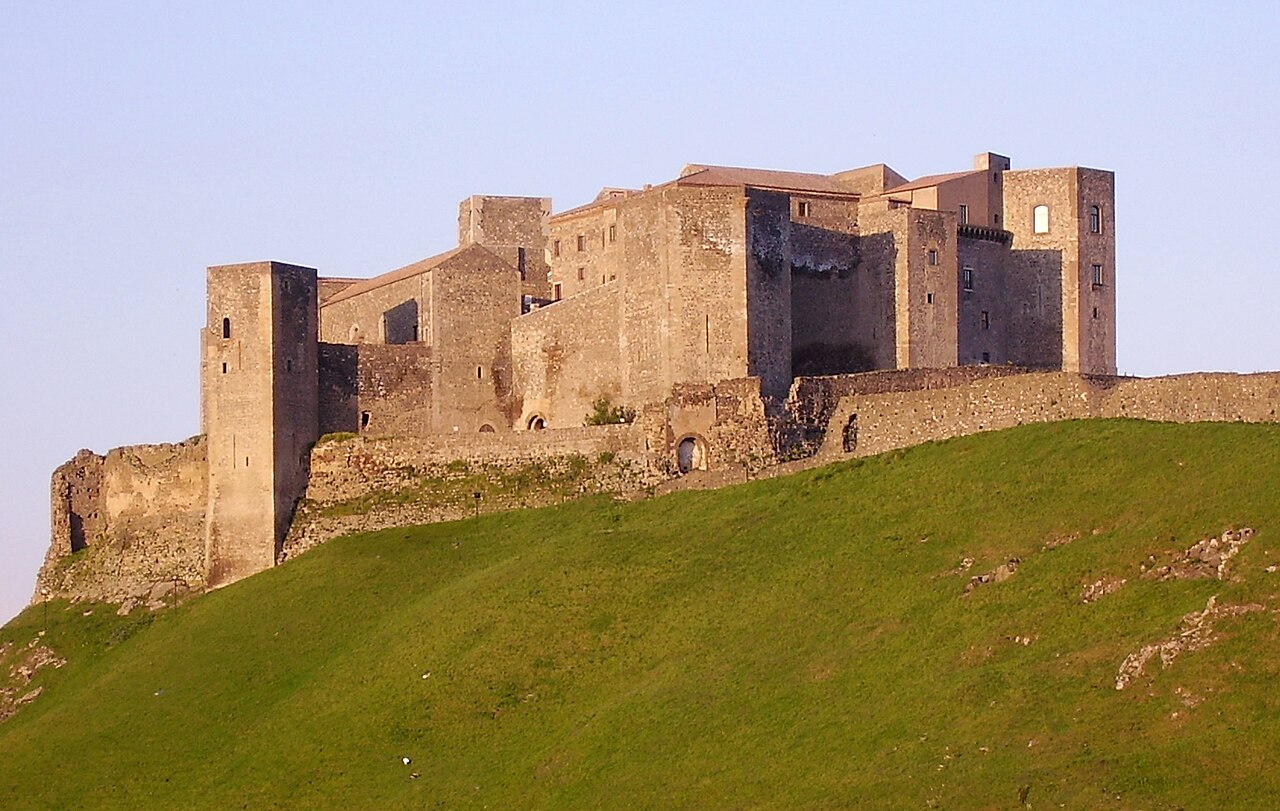 Document
Primary source
Constitutions of Melfi
Frederick II, Holy Roman Emperor · 1 September 1231
 Document
Primary source
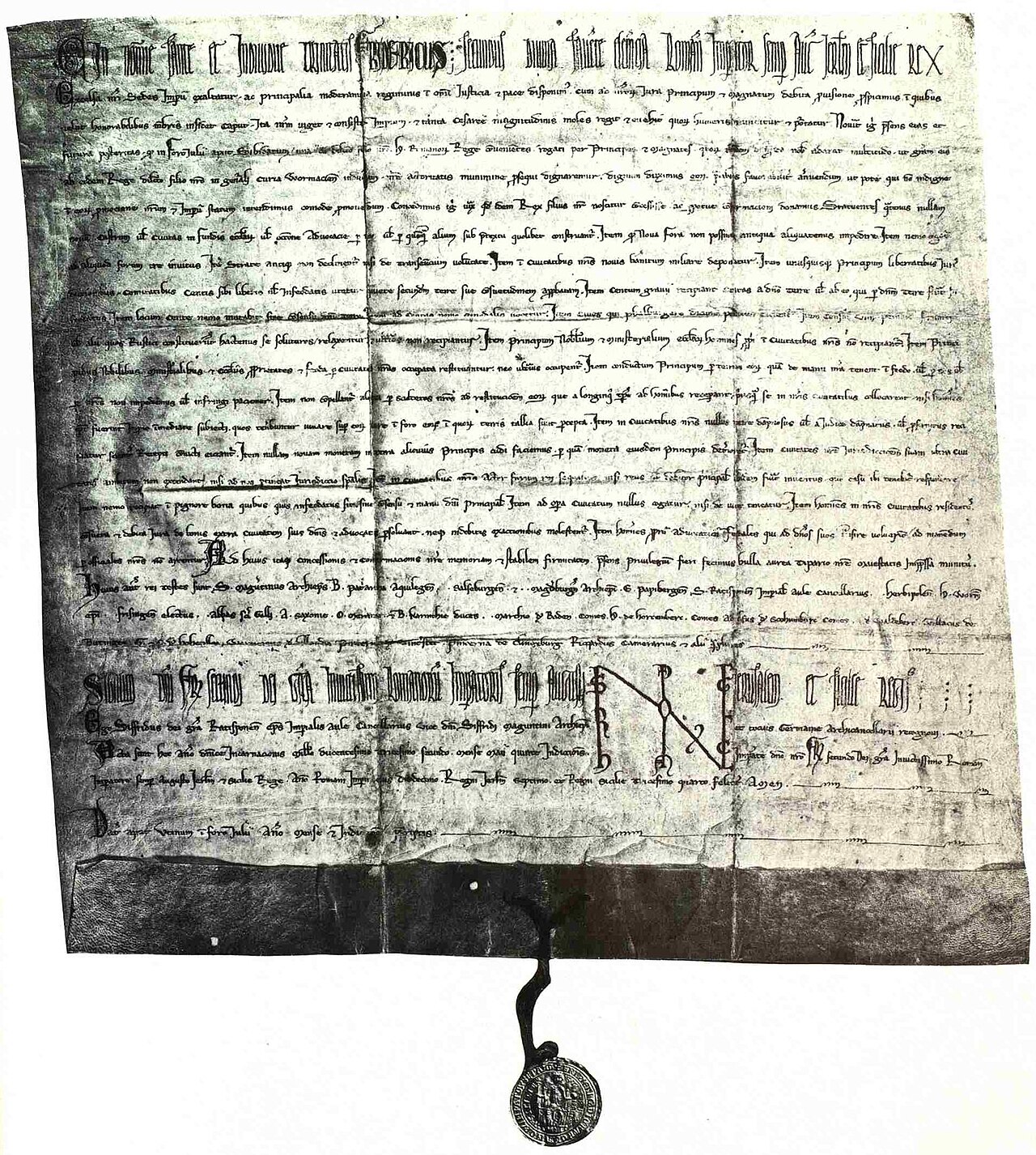
Statutum in favorem principum
Henry (VII) of Germany · 1231, confirmed 1232
 Document
Primary source
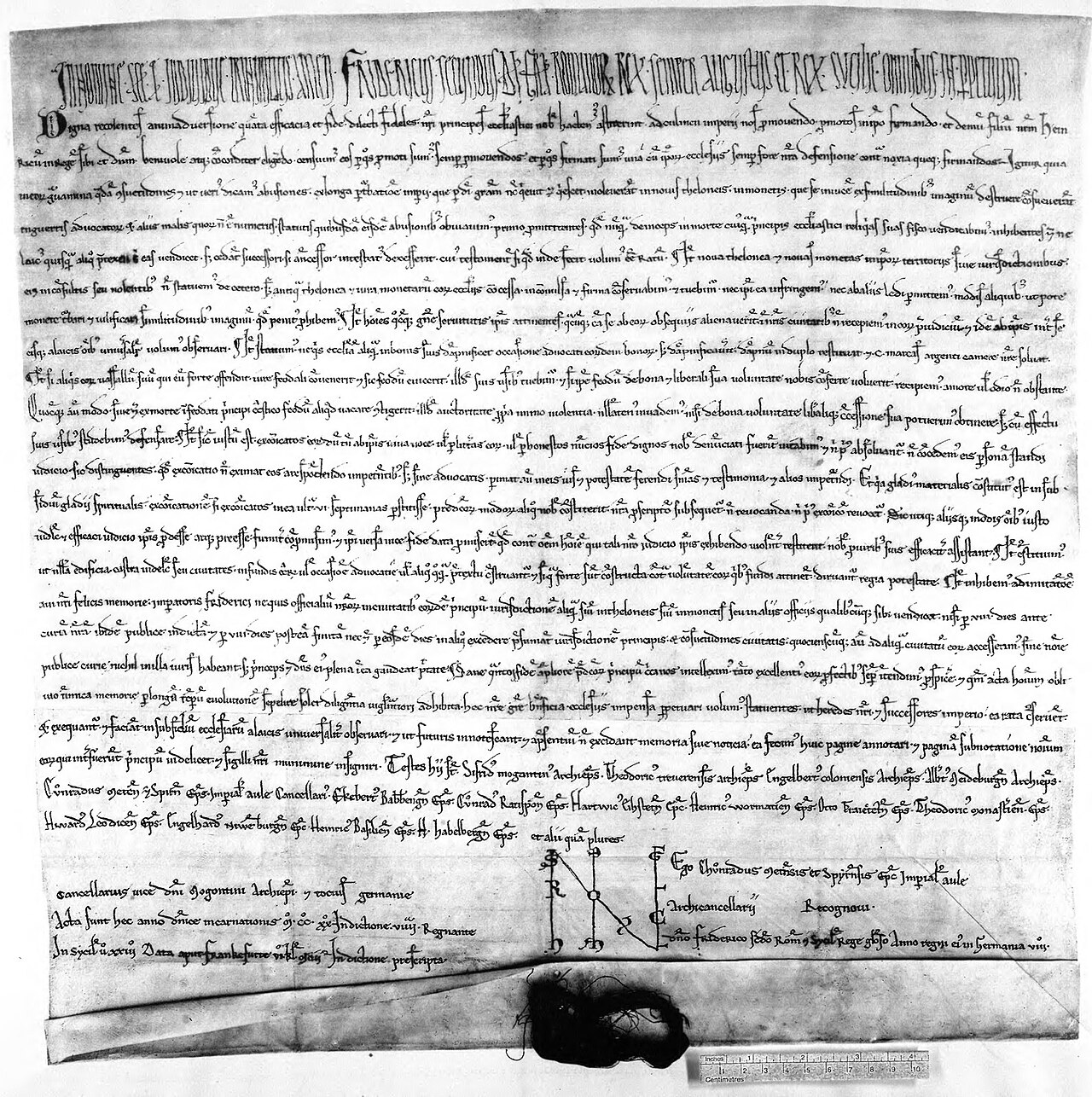
Confoederatio cum principibus ecclesiasticis
Frederick II, Holy Roman Emperor · 26 April 1220
 Artifact
Primary source
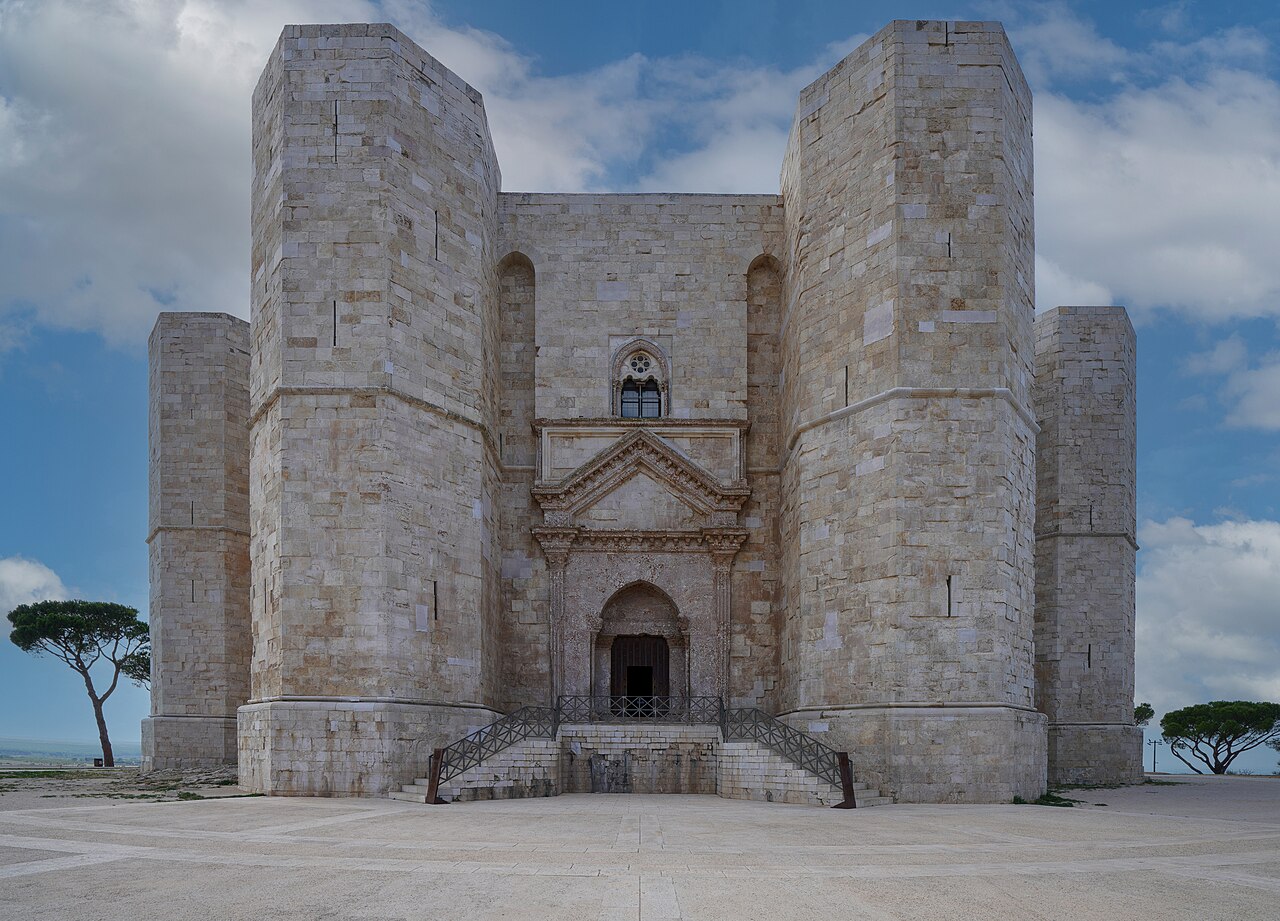
Castel del Monte
1240s
Free account
Read every Frederick II, Holy Roman Emperor source
Sign up free →
Ready when you are
Start chatting with Frederick II, Holy Roman Emperor now.
20 messages free · No credit card · Available in 50+ languages.