


Primary sourceArtifact1561-1565
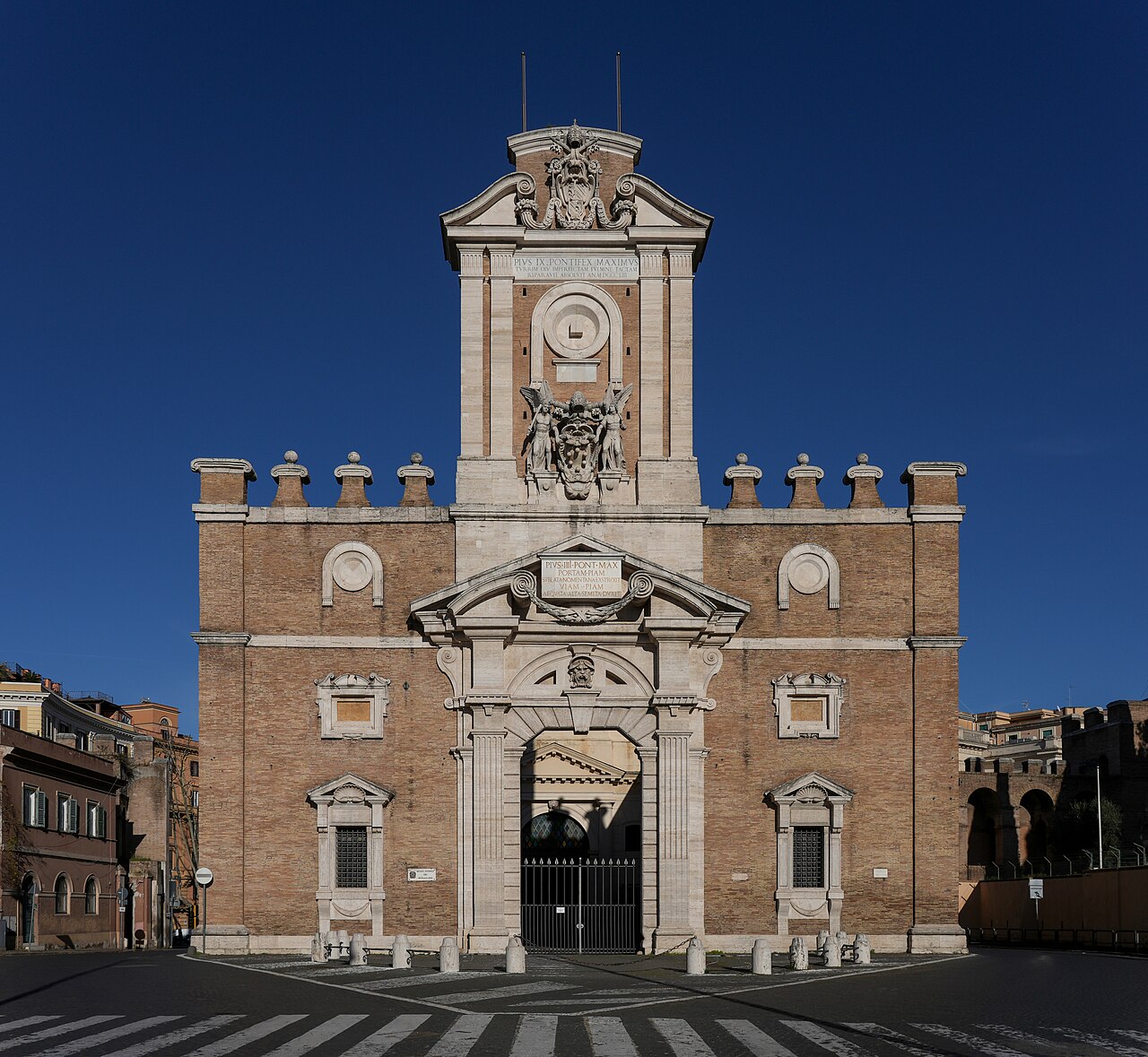
Porta Pia
Michelangelo · 1561-1565
A city gate in Rome's Aurelian Walls designed by Michelangelo for Pope Pius IV, among his final architectural works.
Designed by Michelangelo as one of his final architectural works, completed after his death.
About this source
What it is
Porta Pia is a gate in the Aurelian Walls of Rome, designed by Michelangelo for Pope Pius IV and built between 1561 and 1565. Michelangelo died before construction finished, and the work was completed by Giacomo Del Duca; the outer facade was later redone in the 19th century by Virginio Vespignani.
Why it matters
The gate replaced an older entrance to accommodate a newly developed part of the city and was one of Pope Pius IV's civic improvement projects. As Michelangelo's last architectural design, it shows the inventive, unconventional style he developed late in life. According to Vasari, the Pope chose the simplest and cheapest of three designs Michelangelo proposed, showing how even a famous artist's ideas were shaped by his patron's budget.
Look closer
- Why might a powerful patron choose the least expensive of an artist's designs rather than the most elaborate?
- What does the fact that Michelangelo died before the gate was finished tell us about how long building projects could take?
- How has the gate's appearance changed over time, and what does that tell us about how buildings are not always fixed in form?
This artifact is part of the curated material that grounds the AI version of Michelangelo Buonarroti on Humy.ai — when students ask about related events, the AI can quote it and cite it.
More Michelangelo Buonarroti sources
Meet the AI Michelangelo Buonarroti →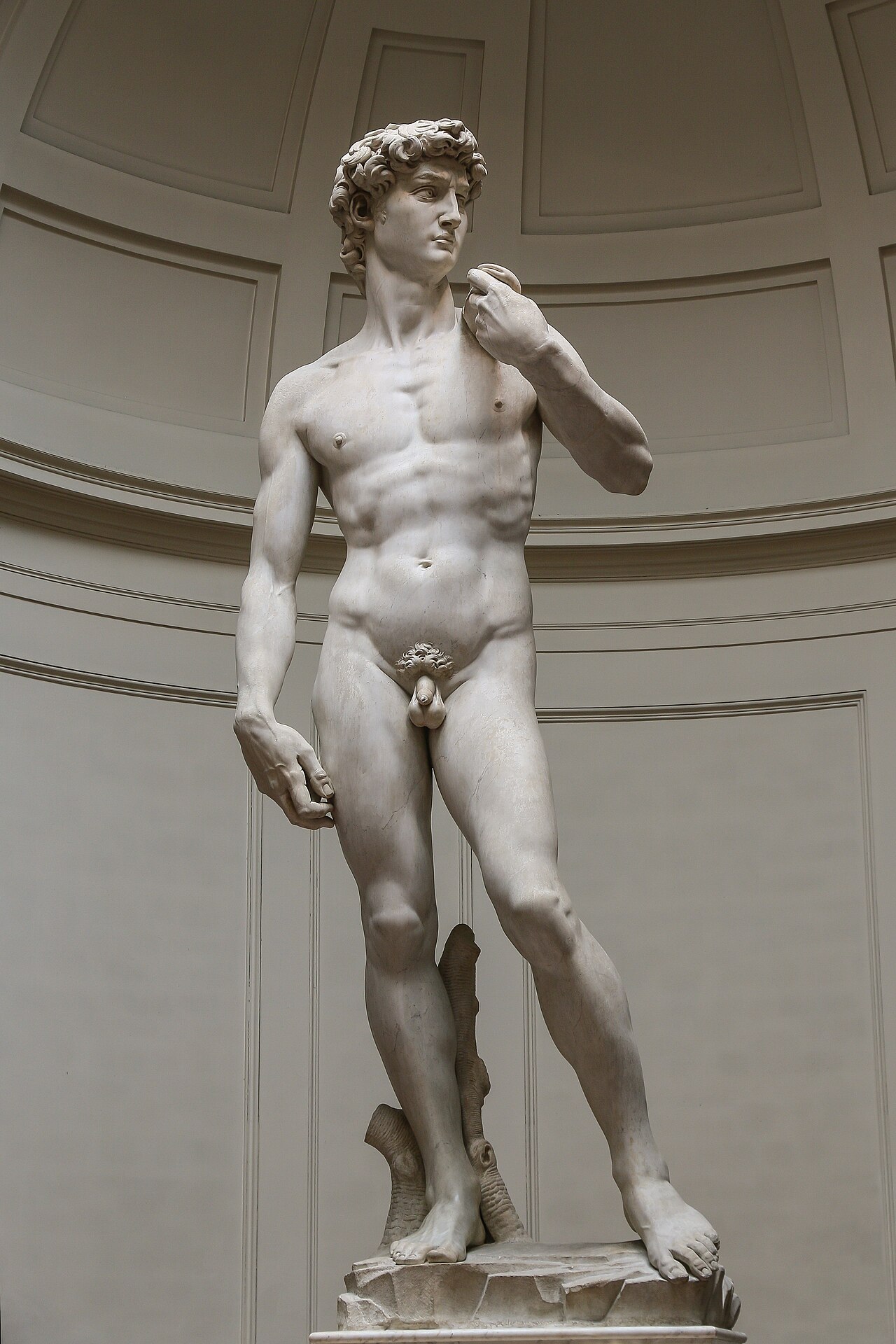 Sculpture
Primary source
David
Michelangelo · 1501-1504
 Artifact
Primary source
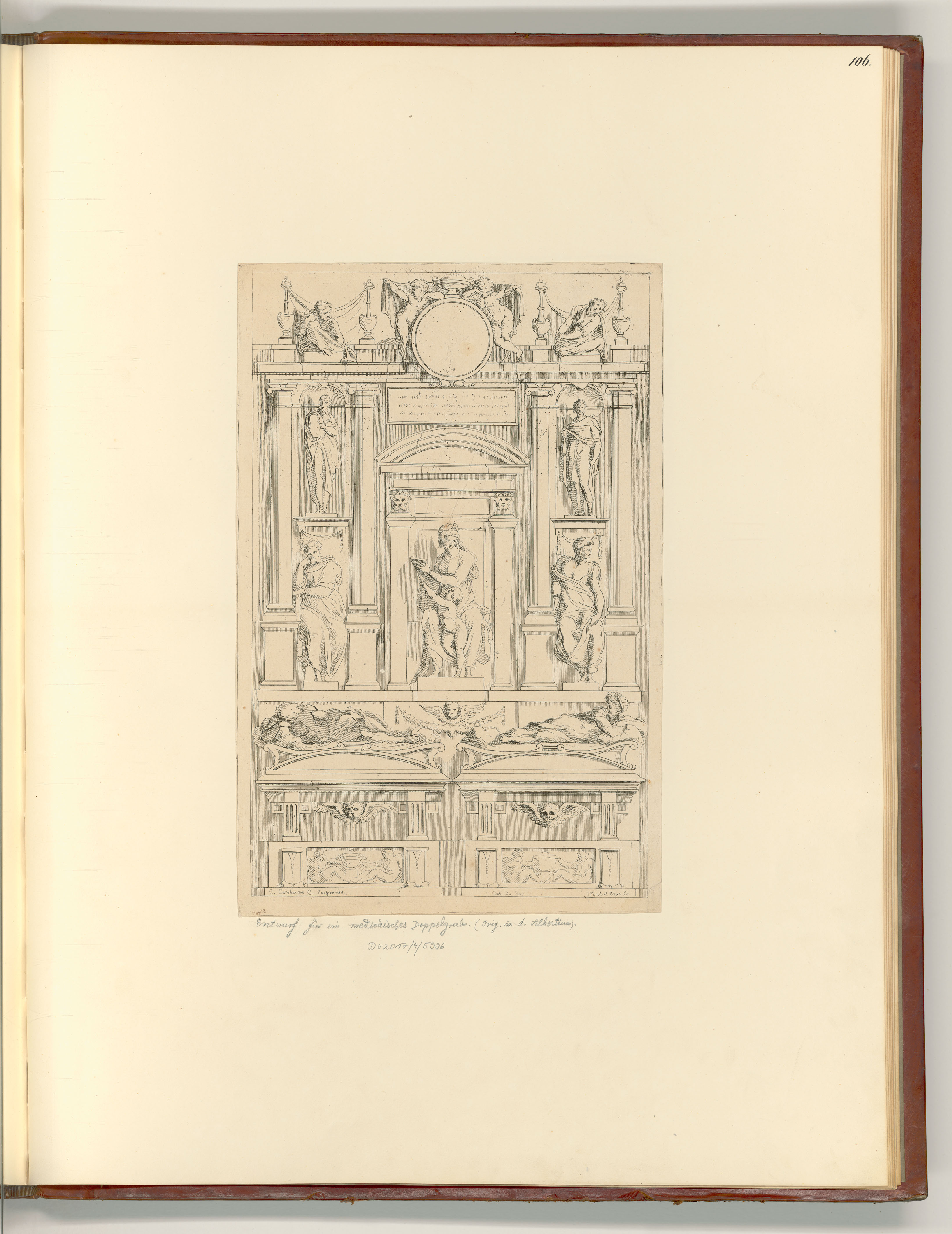
Elevation of a Planned Double Tomb for the Magnifici, Medici Chapel
unbestimmt
 Painting
Primary source
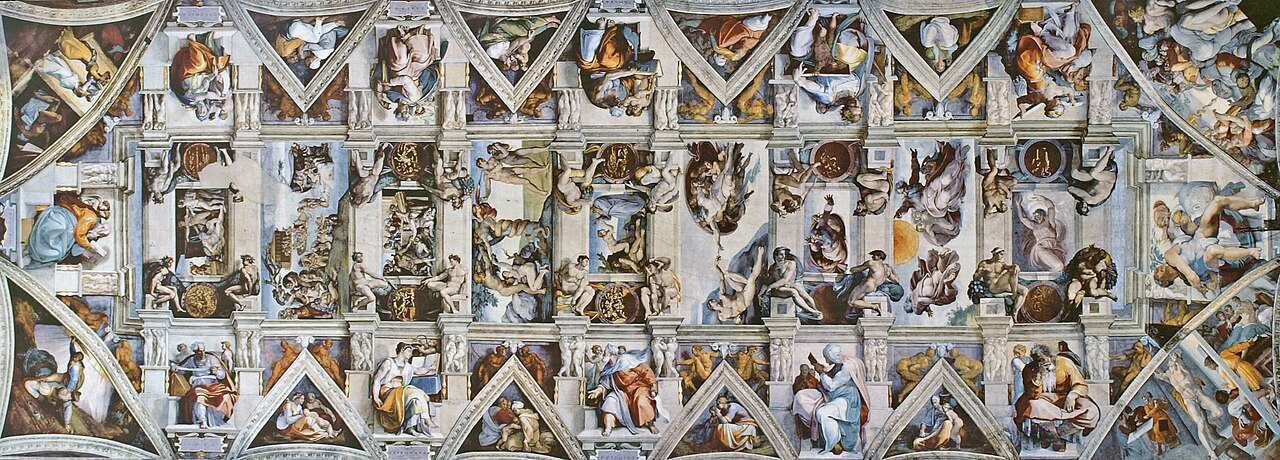
Sistine Chapel ceiling
Michelangelo · 1508-1512
 Painting
Secondary source
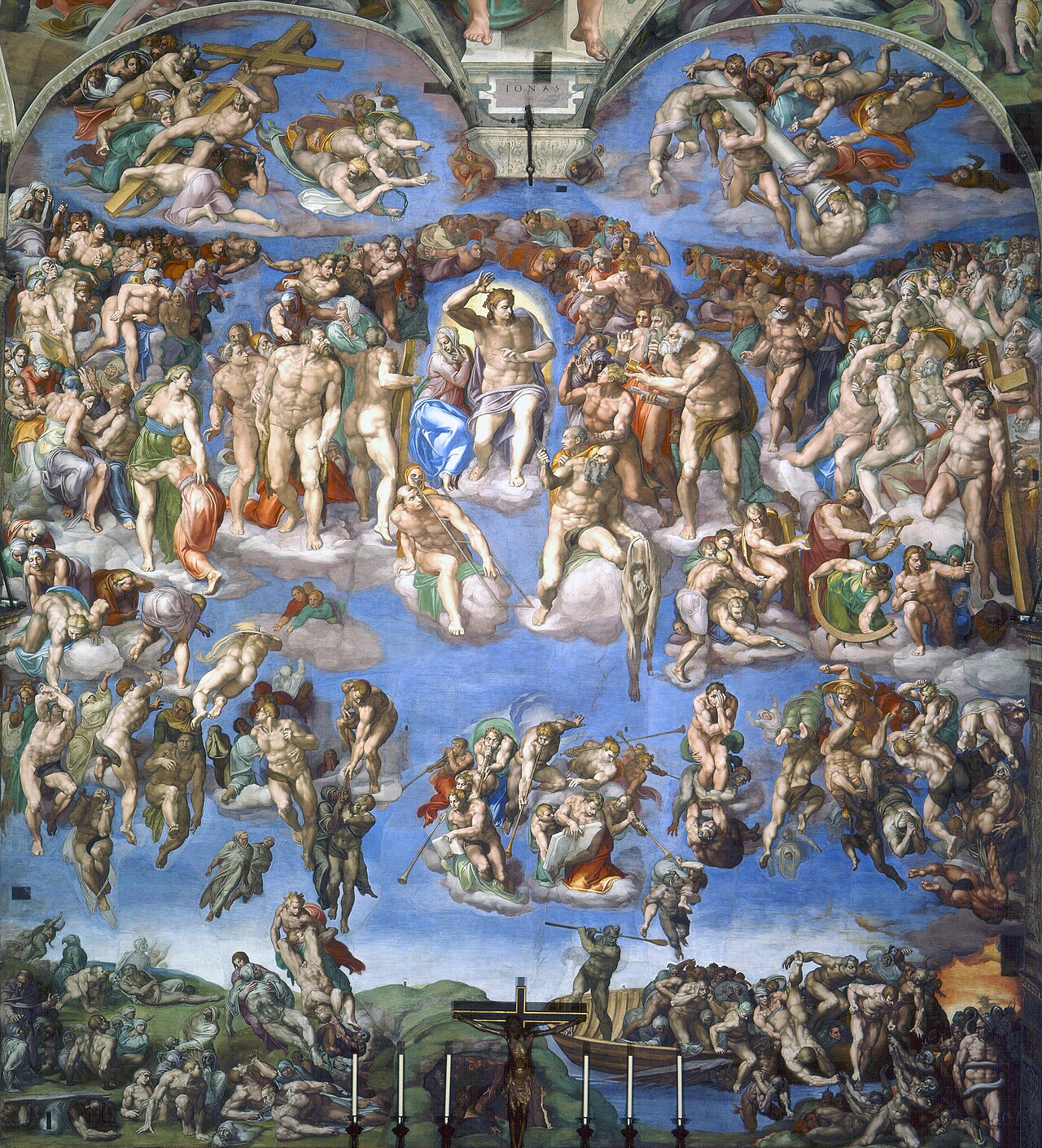
The Last Judgment
Michelangelo · 1536-1541
 Photograph
Secondary source
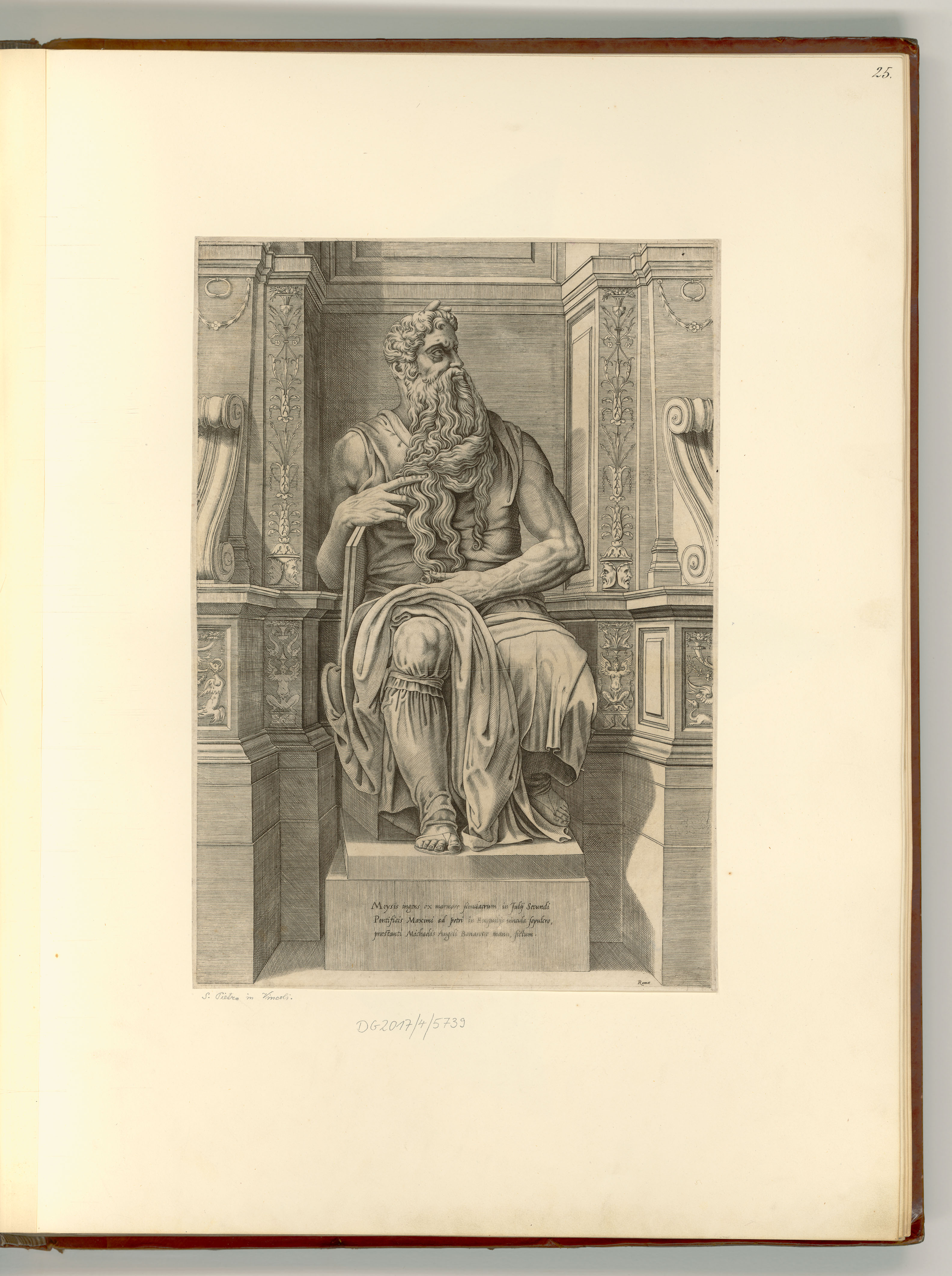
Statue of Moses by Michelangelo, San Pietro in Vincoli
unbestimmt
Ready when you are
Start chatting with Michelangelo Buonarroti now.
20 messages free · No credit card · Available in 50+ languages.