


Primary sourcePainting1848
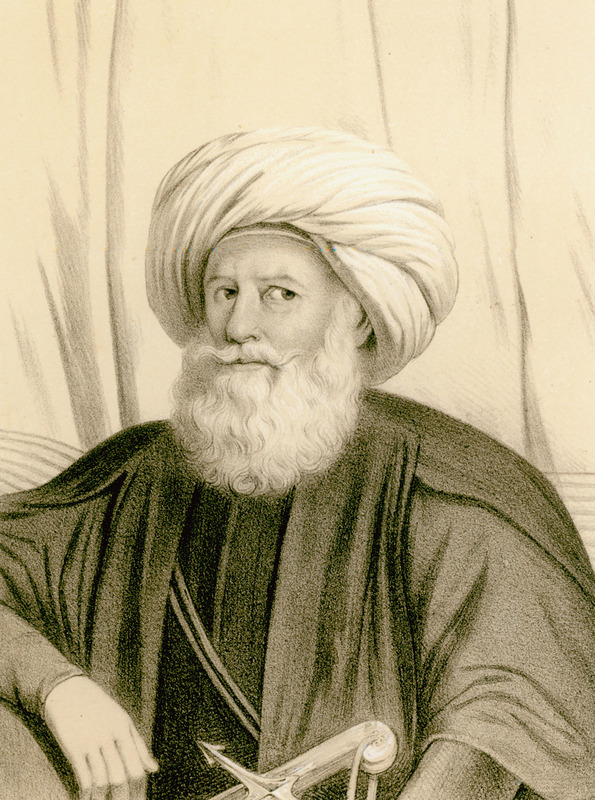
Portrait de Mehemet-Ali
Joseph d’Estourmel · 1848
A 1848 drawing of Muhammad Ali made the same year his authority passed to his son Ibrahim, showing him near the end of his rule.
This 1848 portrait depicts Muhammad Ali at the very end of his rule, the year authority passed to his son Ibrahim.
About this source
What it is
This drawing was made in 1848 by Joseph d'Estourmel. It shows Muhammad Ali as an elderly bearded man wearing a white turban and dark robe, seated with a dagger visible near his hand.
Why it matters
The year 1848 marked the end of Muhammad Ali's active rule, as power passed to his son Ibrahim. This portrait captures him near the very close of his long reign, offering a visual record of the ruler at this pivotal transition for the dynasty he founded.
Look closer
- What does the inclusion of the dagger suggest about how the artist wanted to present him?
- How might an image made at the end of someone's rule differ from one made at its height?
- What does the formal, seated pose tell us about his continuing status even as power shifted to his son?
This painting is part of the curated material that grounds the AI version of Muhammad Ali of Egypt on Humy.ai — when students ask about related events, the AI can quote it and cite it.
More Muhammad Ali of Egypt sources
Browse all 84 → Artifact
Primary source
Muhammad Ali Mosque
1848
 Painting
Primary source
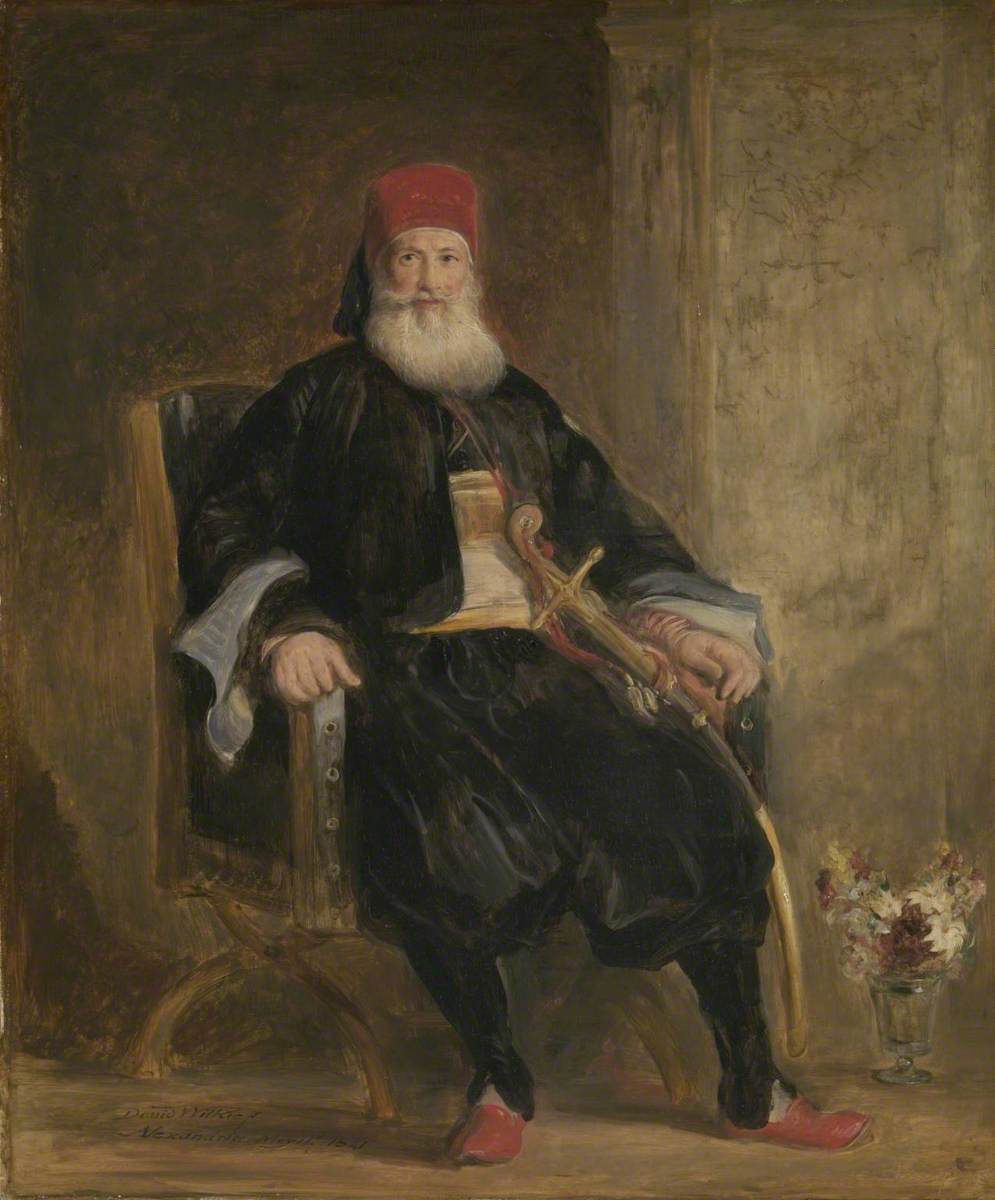
His Highness Muhemed Ali, Pacha of Egypt
David Wilkie · 1841
 Painting
Primary source
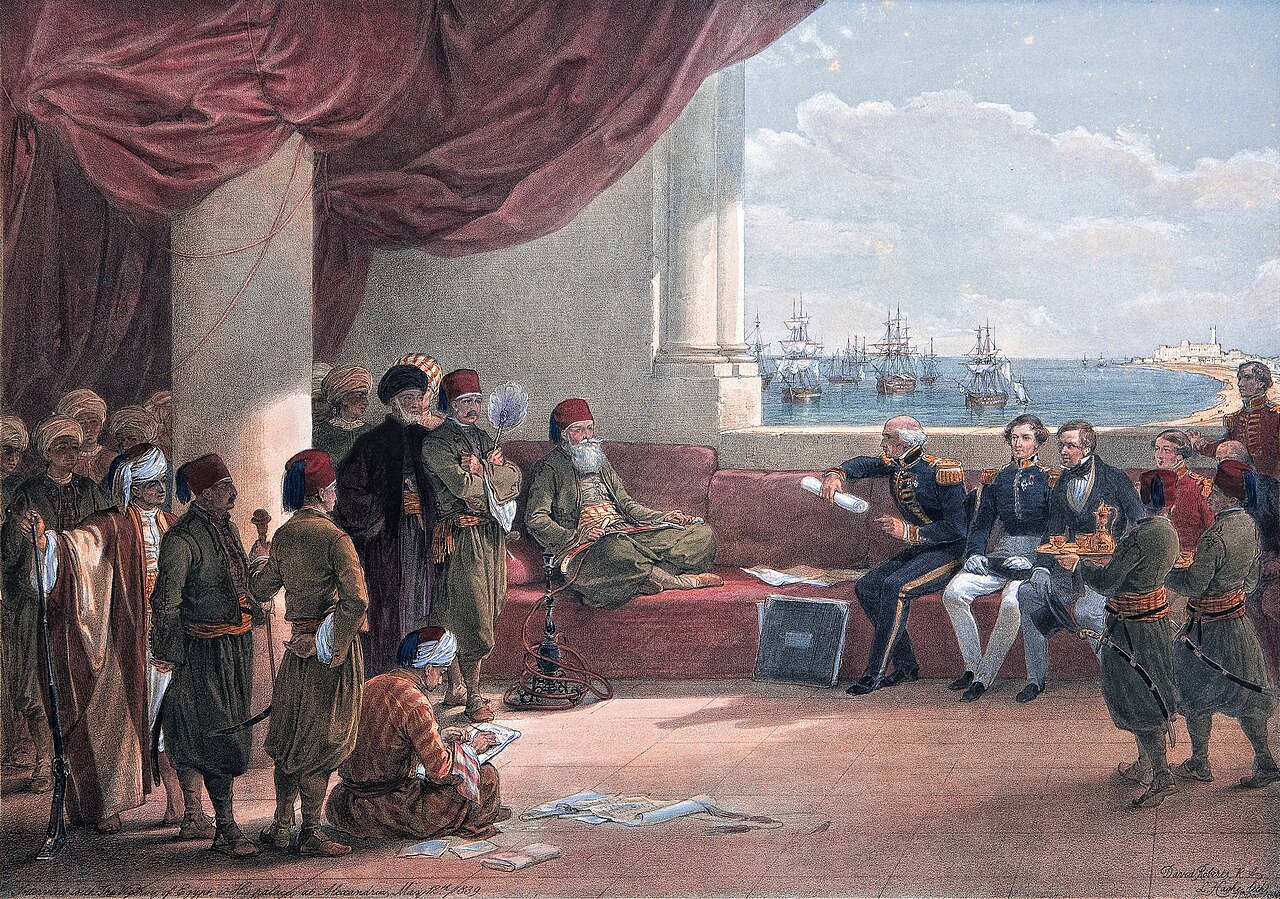
Interview with Mehemet Ali in his Palace at Alexandria
David Roberts and Louis Haghe · 12 May 1839
 Photograph
Primary source
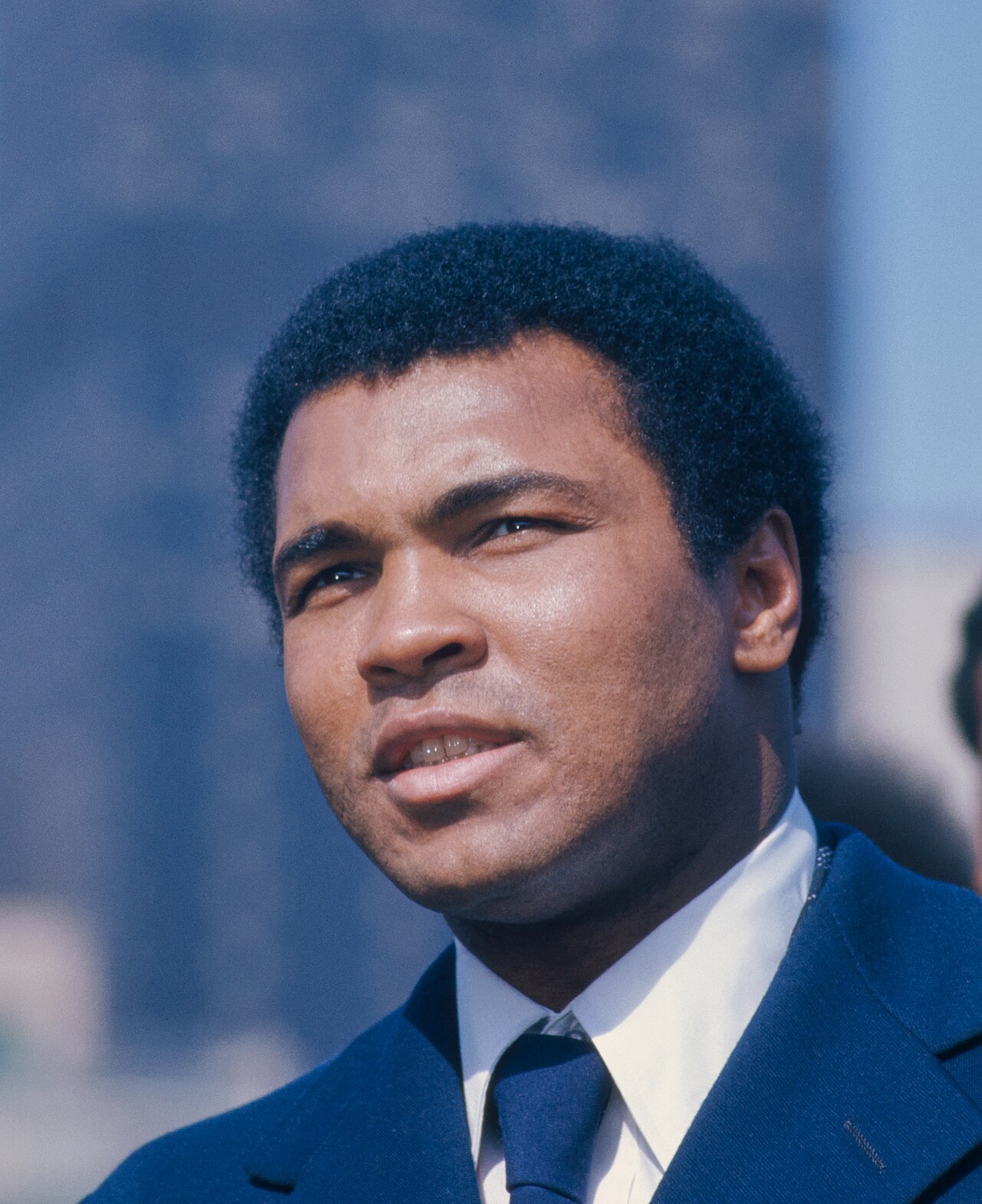
Portrait of Muhammad Ali
Bernard Gotfryd · c. 1975
Free account
Read every Muhammad Ali of Egypt source
Sign up free →
Ready when you are
Start chatting with Muhammad Ali of Egypt now.
20 messages free · No credit card · Available in 50+ languages.