


Primary sourcePaintingc. 1630
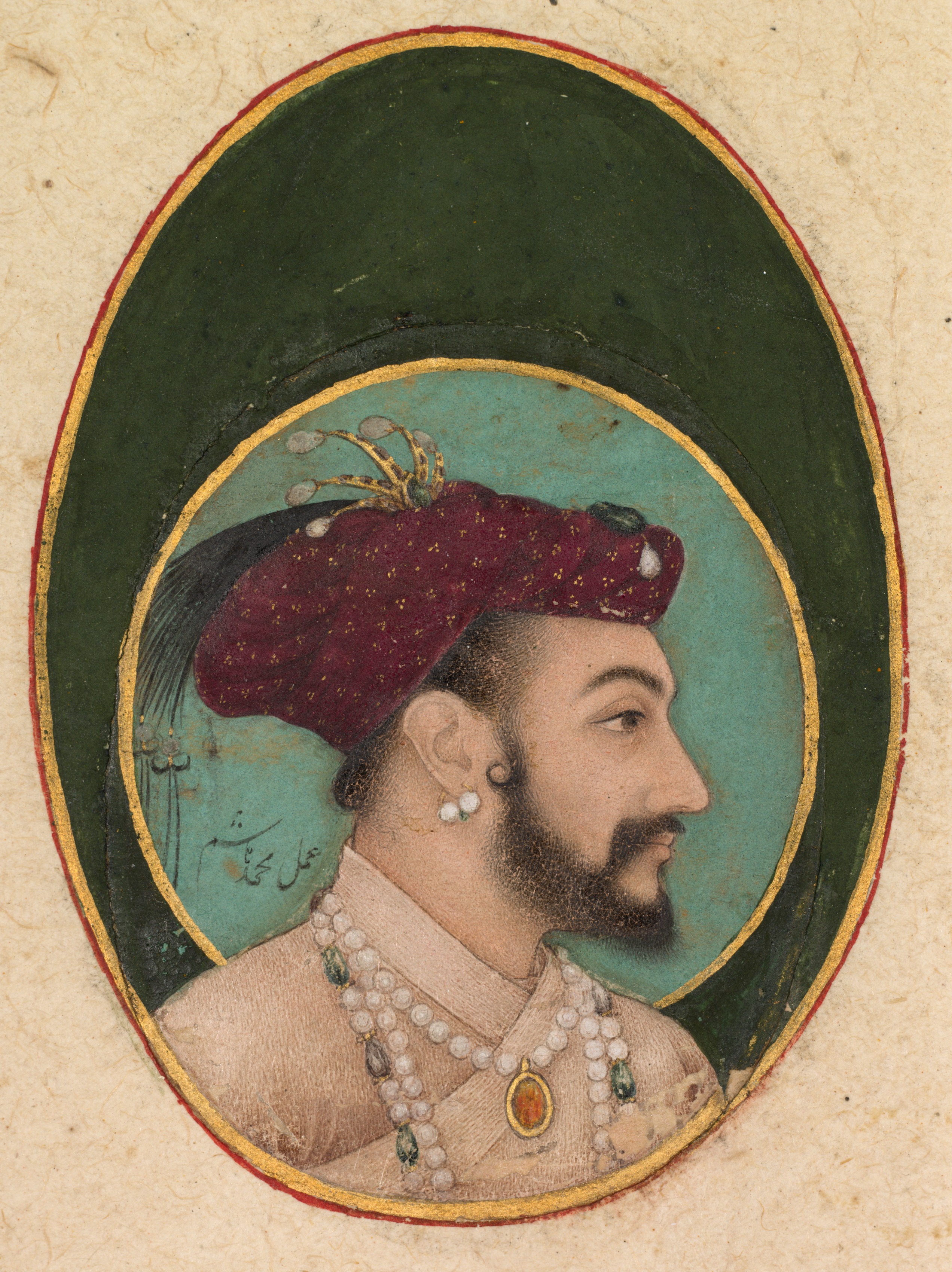
Portrait Jewel of Shah Jahan
Hashim · c. 1630
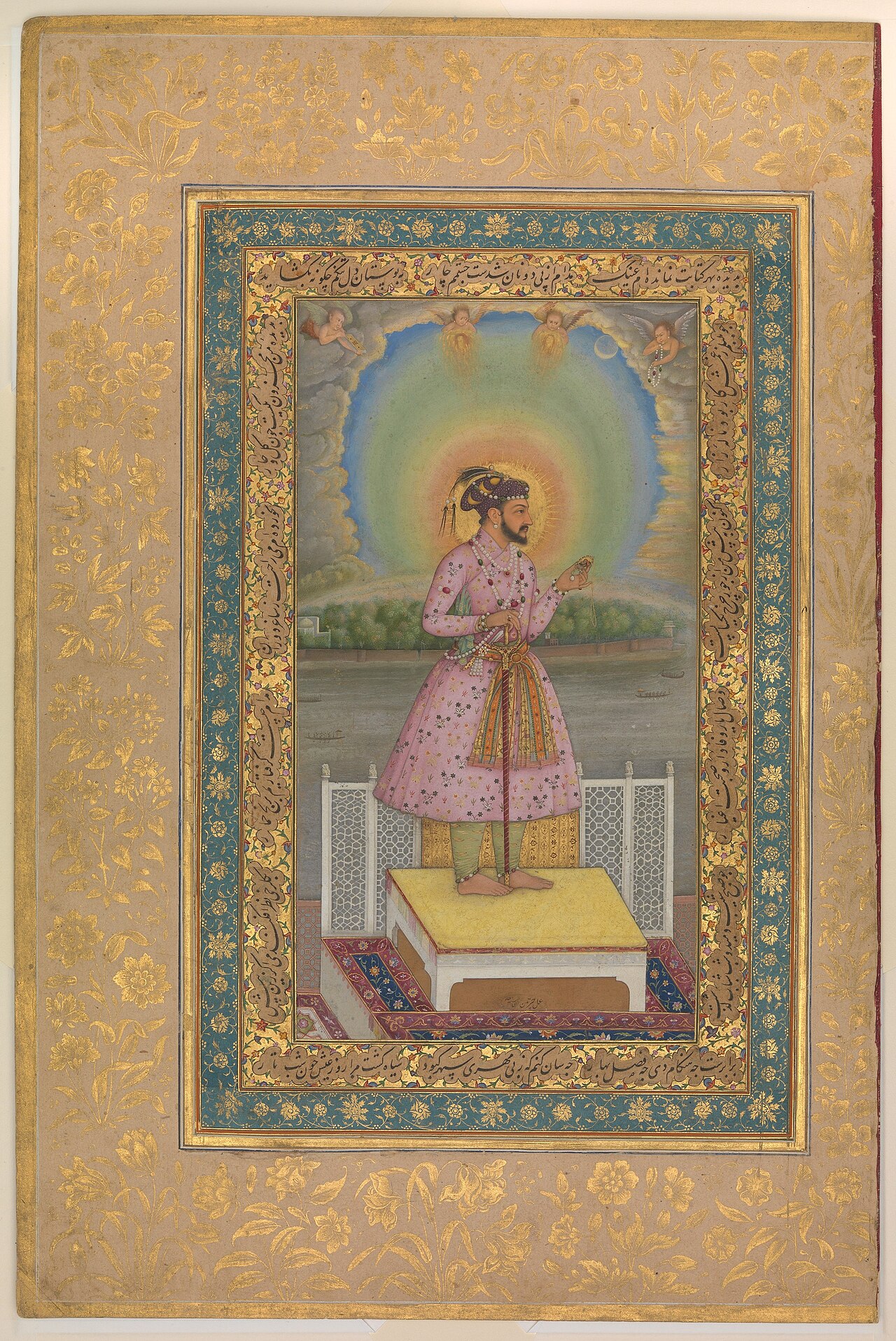
A small, sensitive miniature portrait of Shah Jahan painted by Hashim soon after he became emperor in 1628, showing his full beard.
This is a contemporary portrait of Shah Jahan himself, painted soon after he became emperor, showing his chosen image of orthodoxy.
About this source
What it is
This tiny portrait jewel, painted in gum tempera, ink, and gold on paper, was made around 1630 by the artist Hashim, probably shortly after Shah Jahan took the Mughal throne in 1628. It is now held by The Cleveland Museum of Art, and the artist's signature appears behind the emperor's neck.
Why it matters
Shah Jahan chose to wear a full beard in this portrait, a sign of his more orthodox religious style compared to his father Jahangir and grandfather Akbar, who were known for more liberal attitudes. The portrait shows how rulers used personal appearance and image-making to signal their values and distinguish themselves from their predecessors.
Look closer
- What details - jewels, clothing, beard - does the artist use to show status and character?
- Why might Shah Jahan want to look different from his father and grandfather?
- What can and can't a small portrait like this tell us about the real person?
This painting is part of the curated material that grounds the AI version of Shah Jahan on Humy.ai — when students ask about related events, the AI can quote it and cite it.
More Shah Jahan sources
Browse all 99 →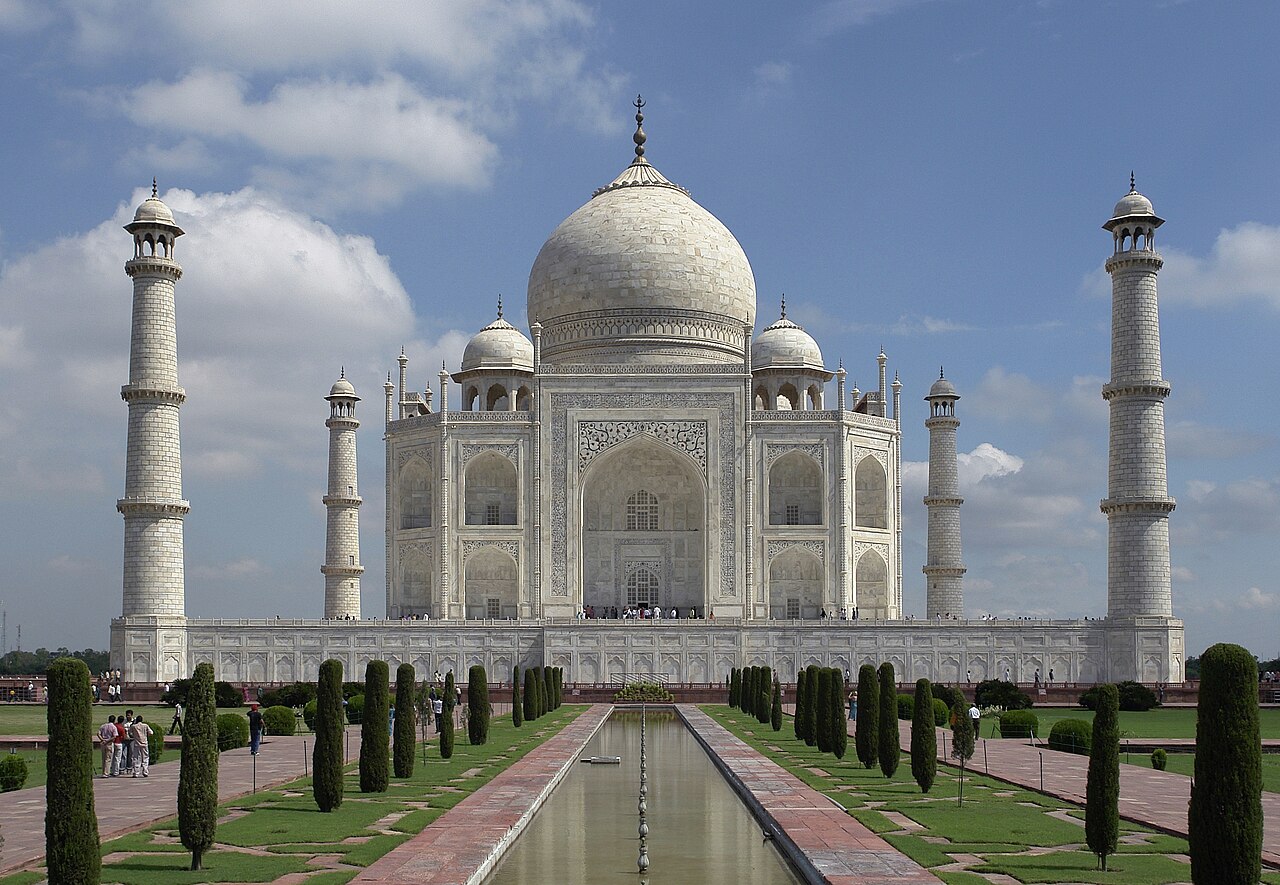 Artifact
Primary source
Taj Mahal
Ustad Ahmad Lahori · 1631-1653
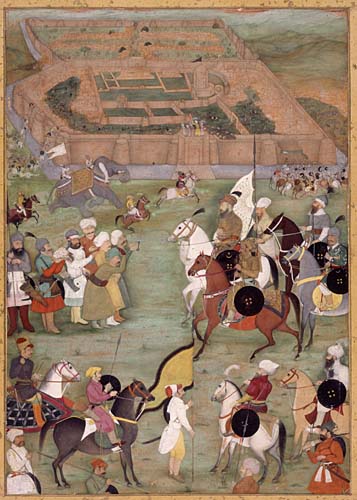 Book
Primary source
Padshahnama
Abdul Hamid Lahori · 1630-1657
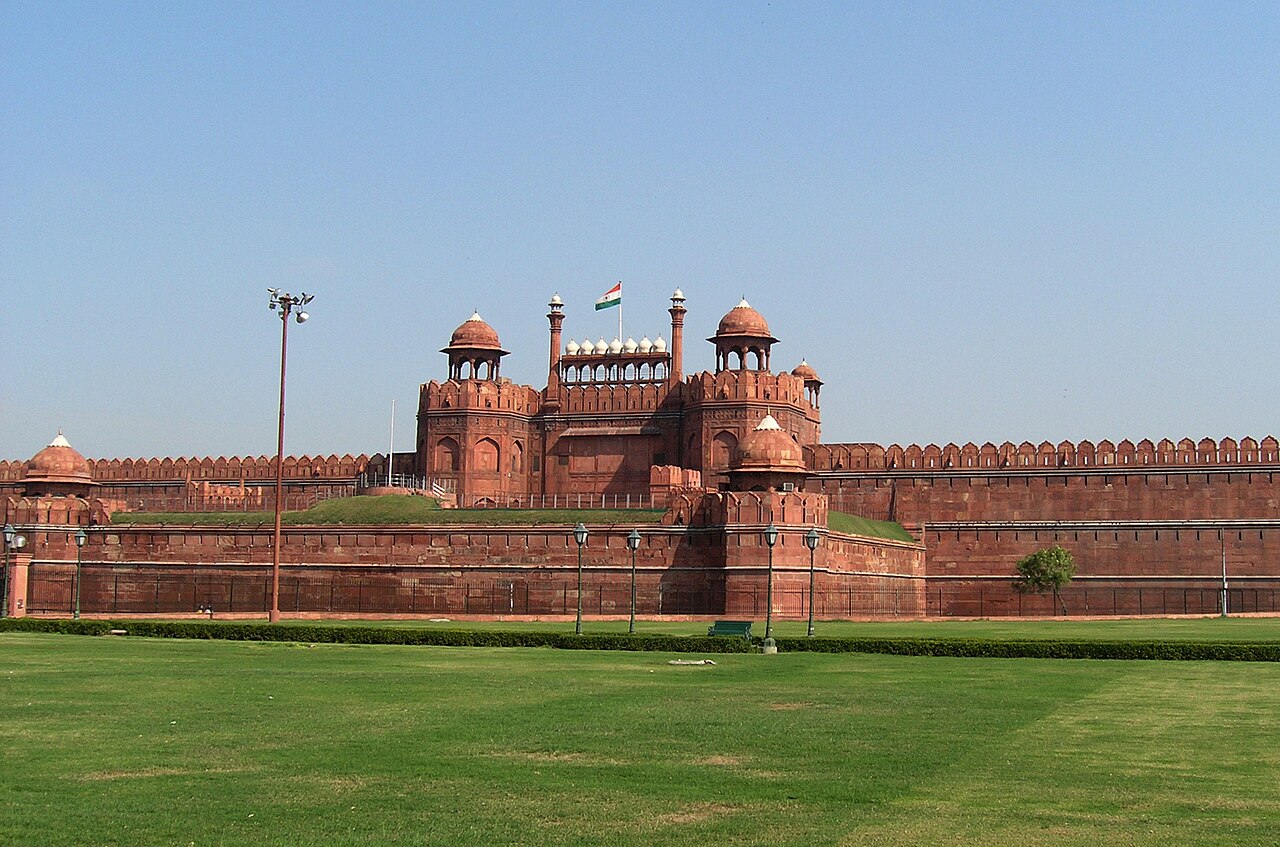 Artifact
Primary source
Red Fort
Ustad Ahmad Lahori · 1638-1648
 Painting
Primary source
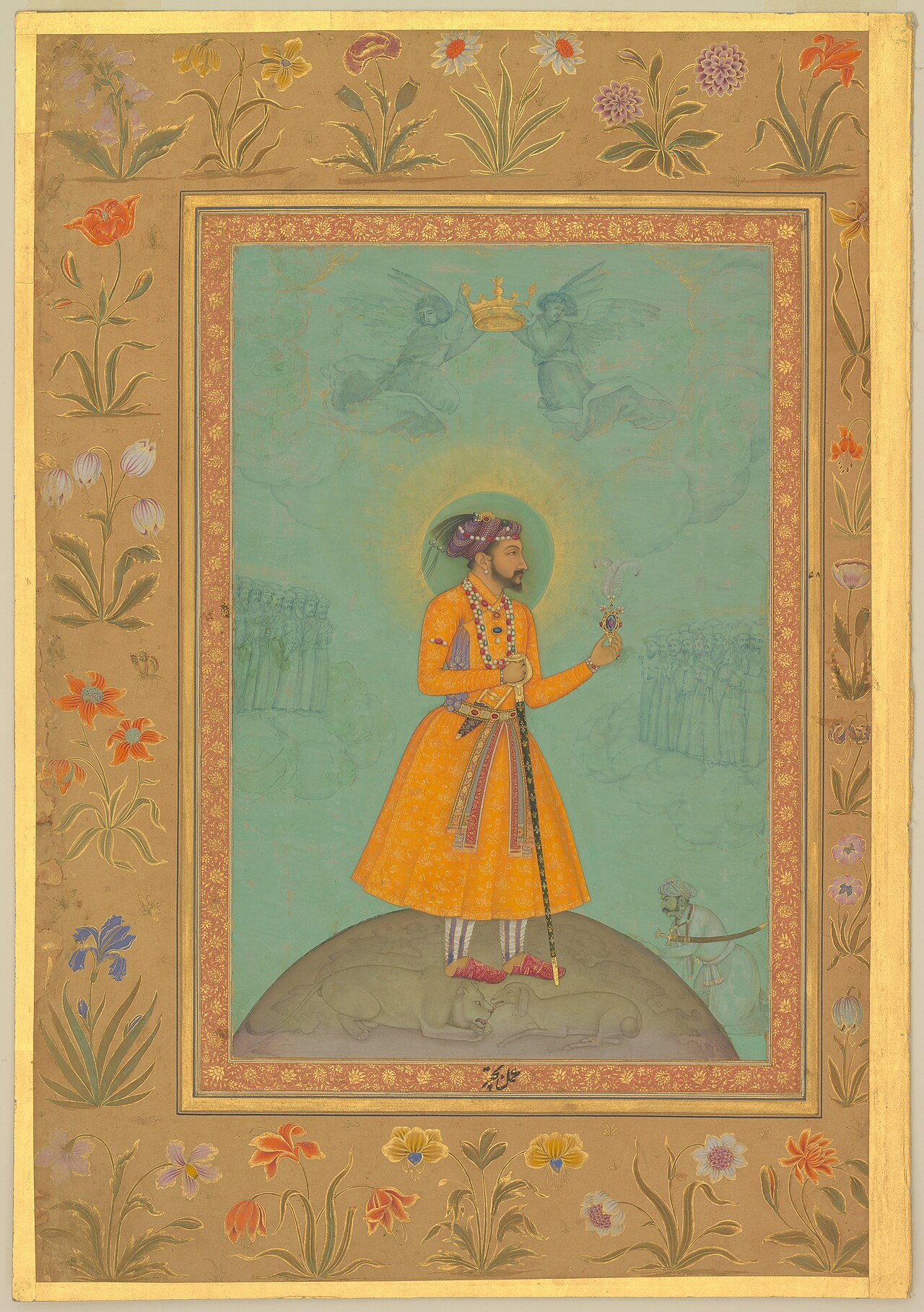
Mughal Emperor Shah Jahan standing on a globe
Bichitr · c. 1630
Free account
Read every Shah Jahan source
Sign up free →
Ready when you are
Start chatting with Shah Jahan now.
20 messages free · No credit card · Available in 50+ languages.