


Primary sourcePaintingc. 1505-1506
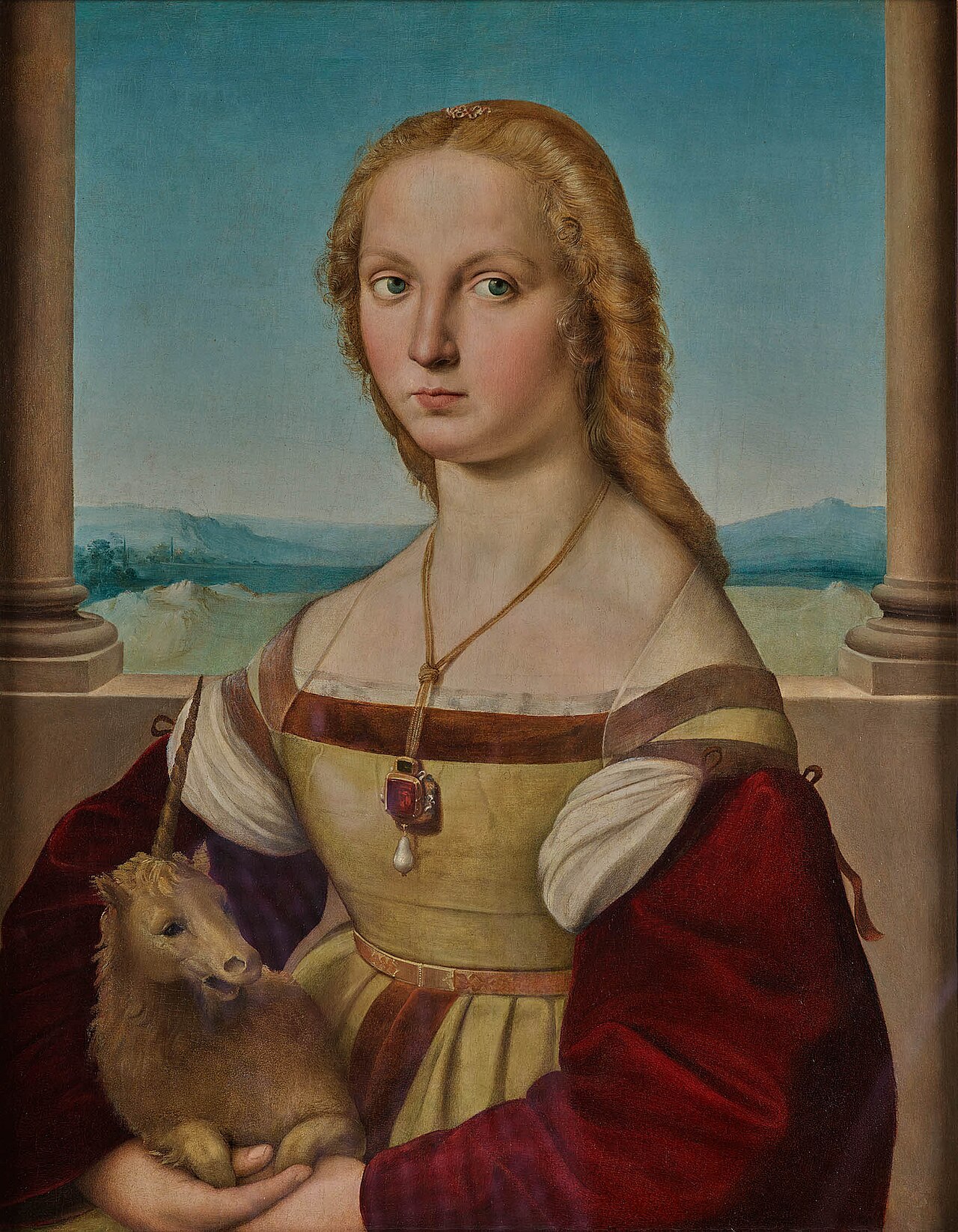
Portrait of a Lady with a Unicorn
Raphael · c. 1505-1506
A painting by Raphael showing a young woman holding a small unicorn, likely a betrothal portrait inspired by Leonardo's Mona Lisa.
Painted by Raphael, this portrait shows his early engagement with Leonardo's compositional style.
About this source
What it is
This painting by Raphael, made around 1505-1506, shows an unmarried young woman holding a small unicorn. It is held in the Galleria Borghese in Rome.
Why it matters
The composition borrows from Leonardo da Vinci's Mona Lisa, showing how Raphael studied and adapted the work of other great artists of his time. The unicorn was a traditional symbol of chastity, suggesting the painting may have been made to celebrate a betrothal or marriage, showing the bride's virtue. Later, around 1682, an unknown artist altered the painting to turn the subject into Saint Catherine of Alexandria, which caused confusion about who painted it until the original was rediscovered in the 1930s.
Look closer
- What does the choice of a unicorn tell you about what qualities were valued in a bride at this time?
- Why might later restorers have changed the painting, and what does that reveal about shifting ideas of modesty?
- How does this portrait's pose compare to other famous portraits you know?
This painting is part of the curated material that grounds the AI version of Raphael on Humy.ai — when students ask about related events, the AI can quote it and cite it.
More Raphael sources
Meet the AI Raphael →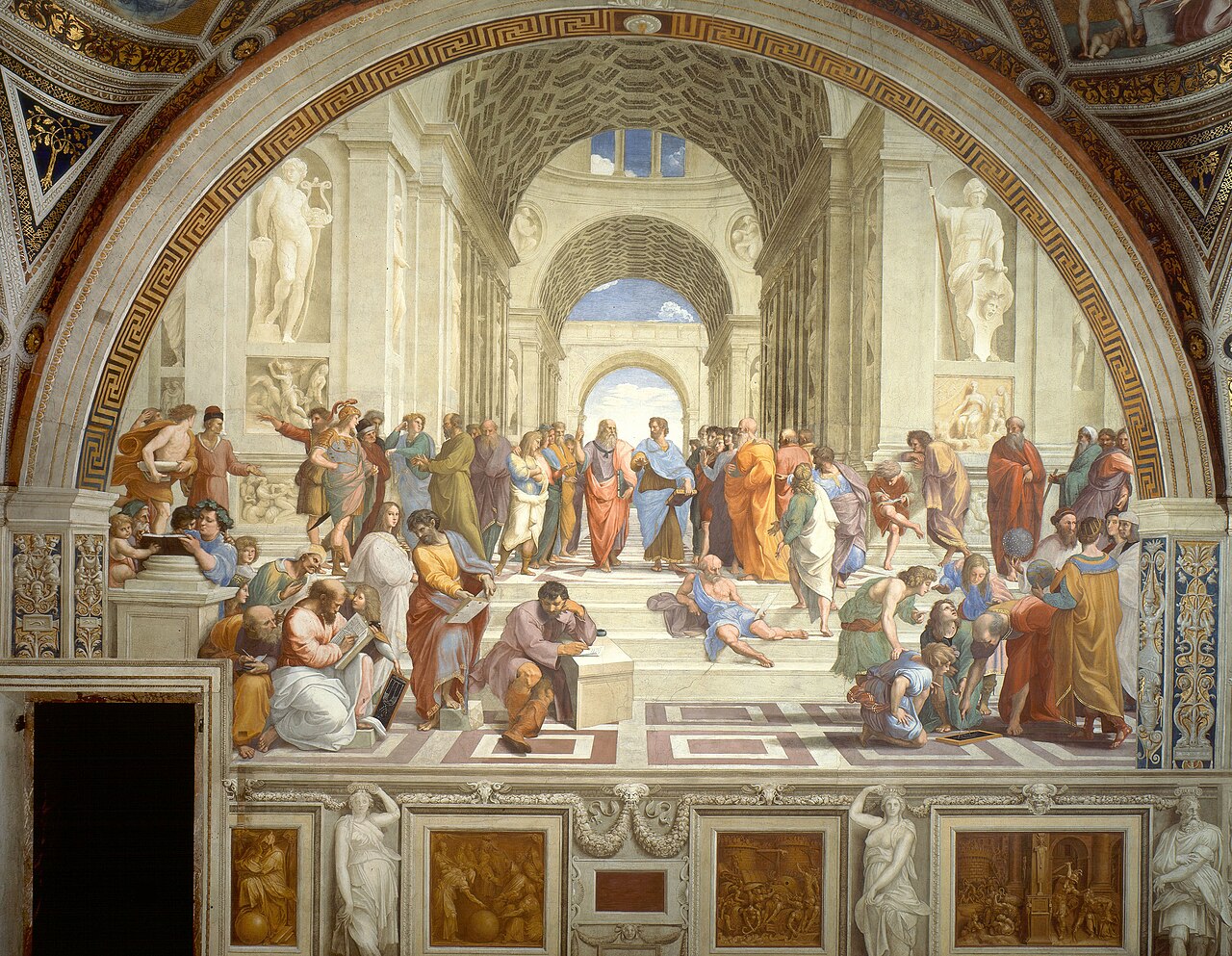 Painting
Secondary source
The School of Athens
Raphael · 1509-1511
 Painting
Secondary source
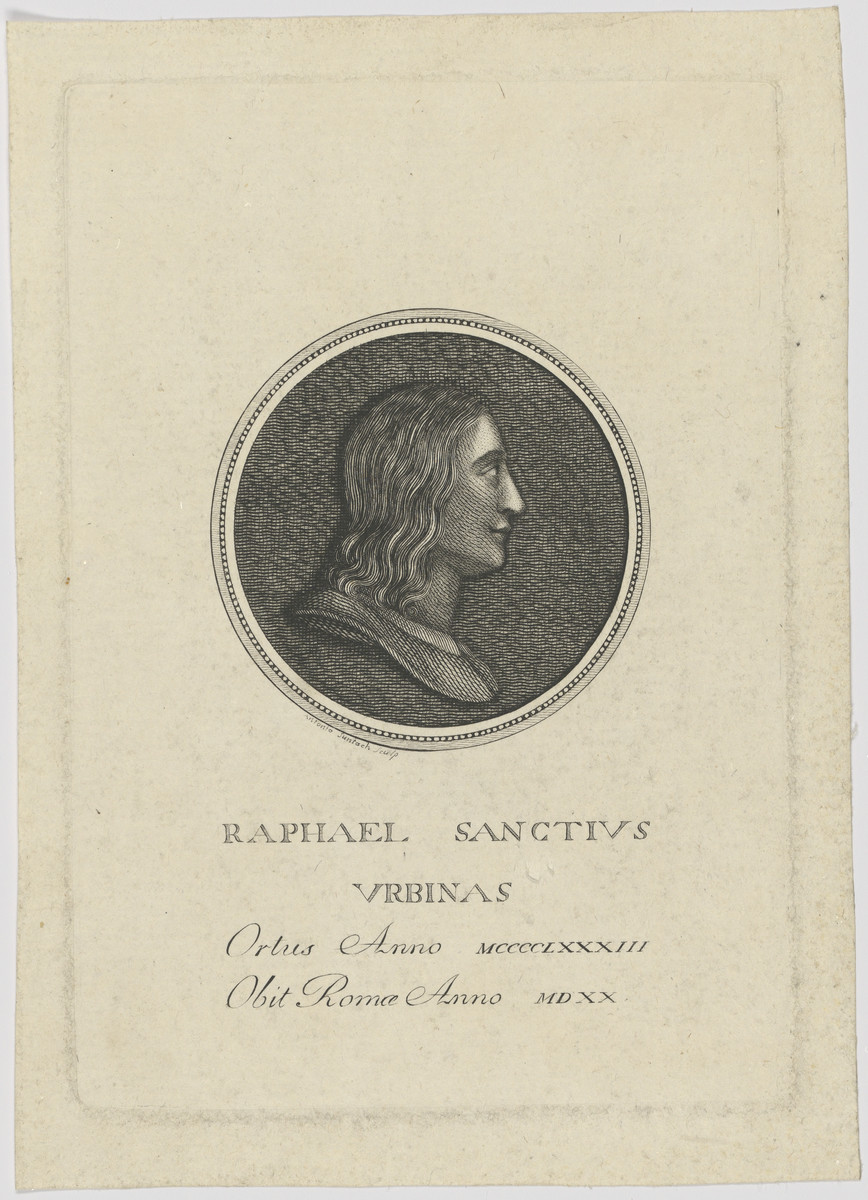
Portrait of Raphael Sanctive
Antonio Suntach
 Painting
Secondary source
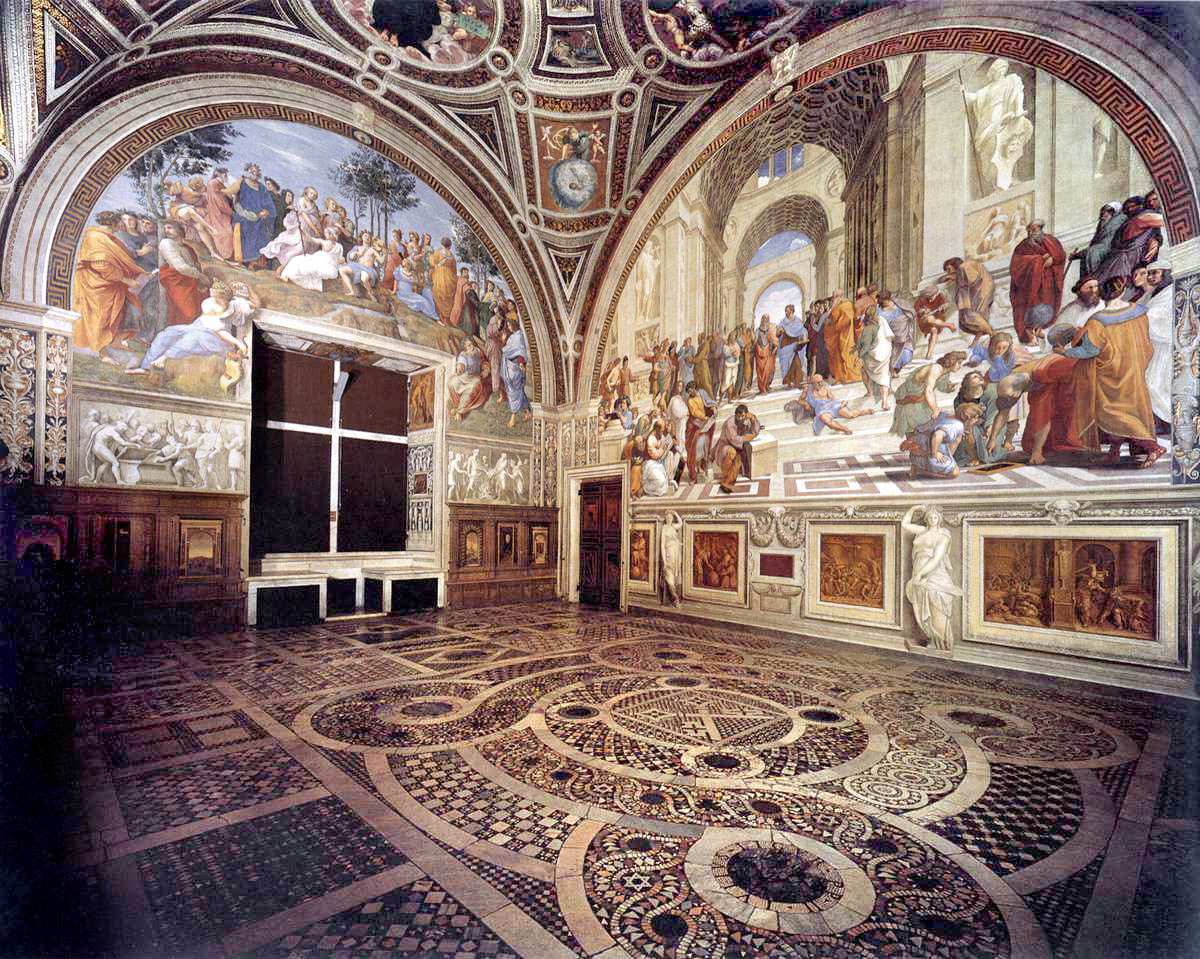
Raphael Rooms: Sala di Costantino
Raphael · 1508-1524
 Photograph
Secondary source
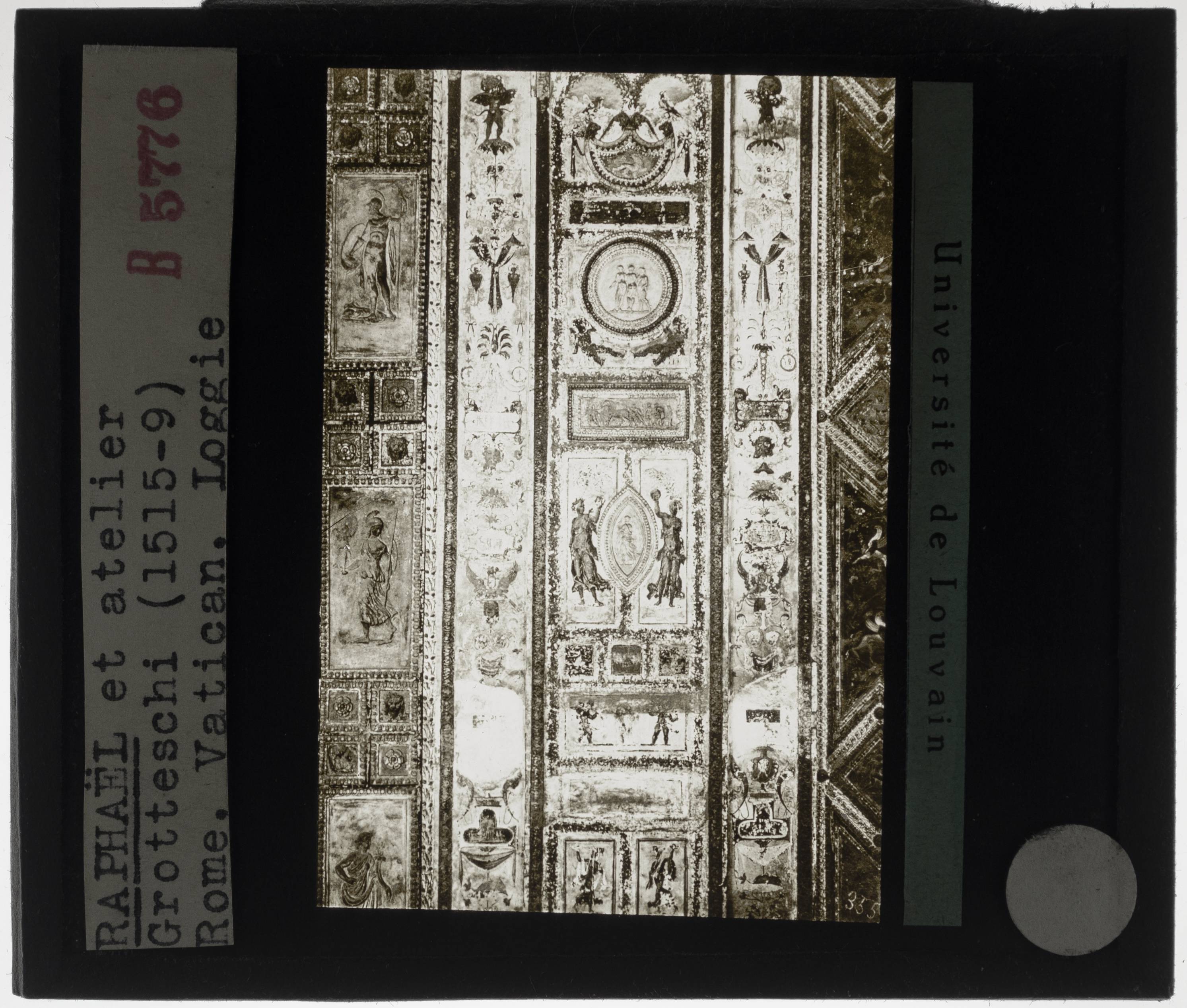
Glass Slide of Raphael's Grotesques in the Vatican
Raphael · 1518-1519 (fresco); slide made 1839-1939
 Painting
Primary source
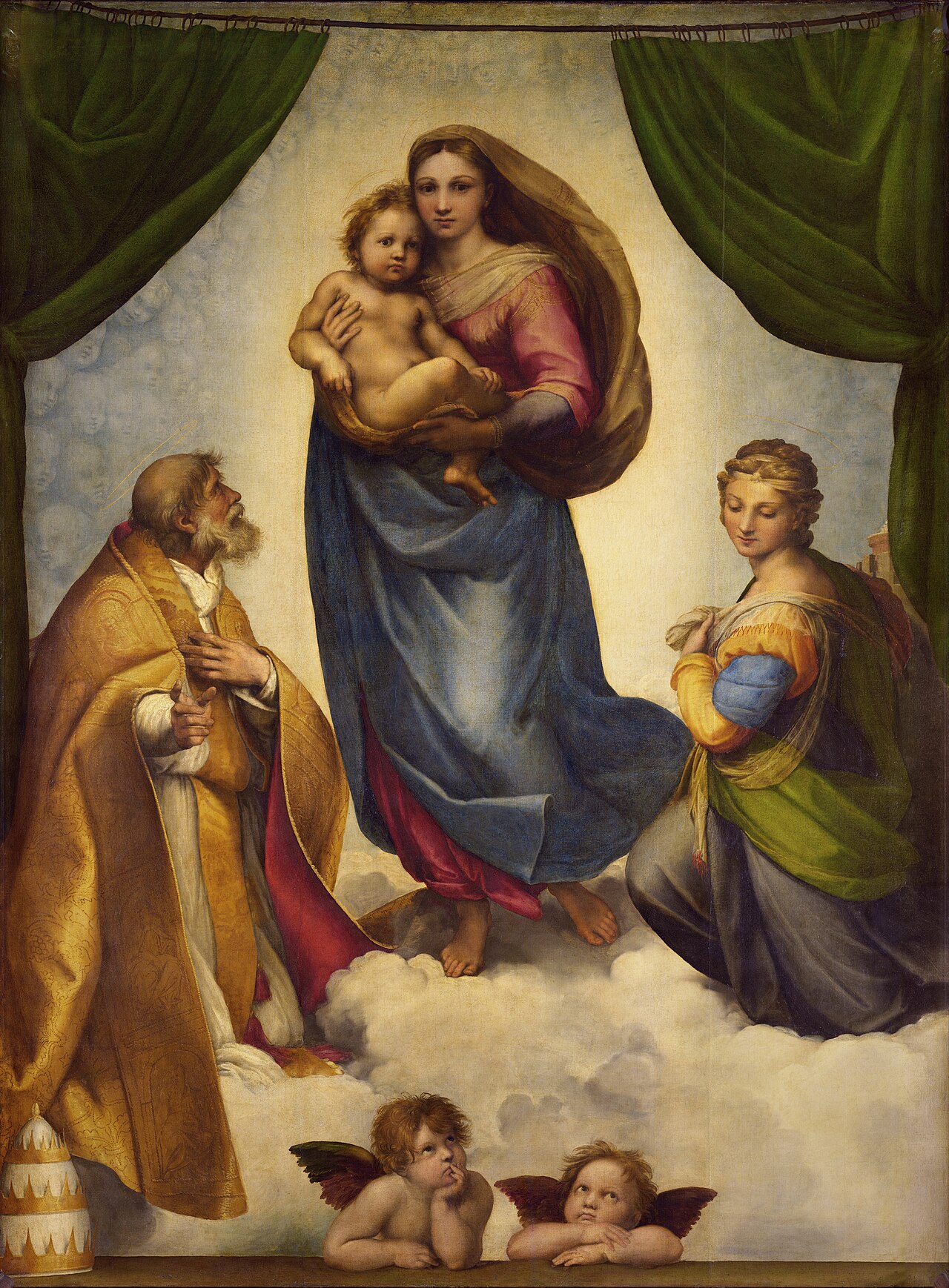
Sistine Madonna
Raphael · c. 1513-1514
Ready when you are
Start chatting with Raphael now.
20 messages free · No credit card · Available in 50+ languages.