


Primary sourcePaintingc. 1435
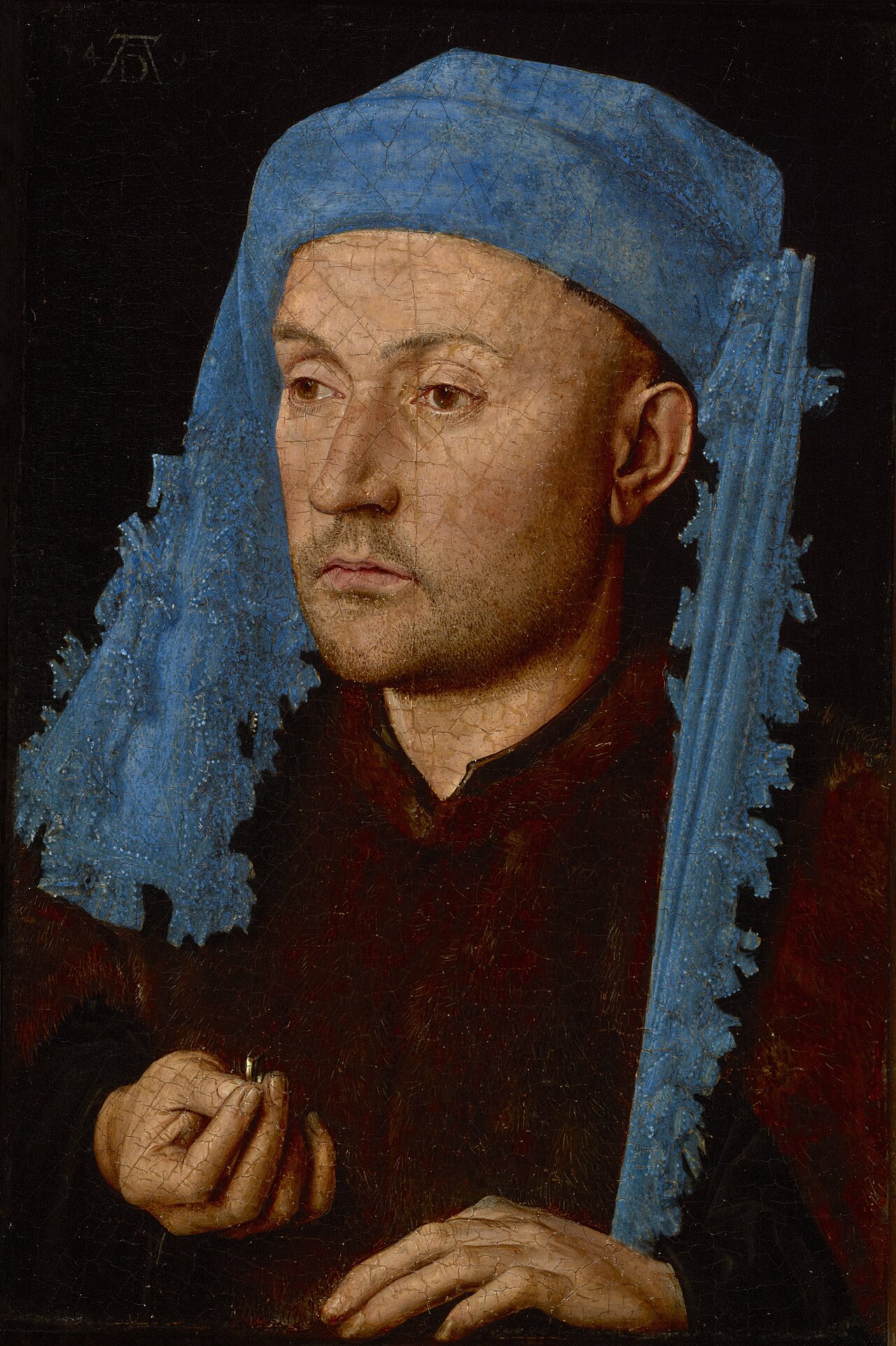
Portrait of a Man with a Blue Chaperon
Jan van Eyck · c. 1435
A very small, intensely observed portrait of an unidentified man attributed to Jan van Eyck, now in the Brukenthal National Museum.
Attributed to van Eyck, this small portrait demonstrates his characteristic techniques and psychological observation.
About this source
What it is
This tiny oil-on-panel portrait shows an unnamed man in three-quarter view wearing a blue chaperon headdress and holding a ring. It is attributed to Jan van Eyck and dated to around 1435, though the panel is unsigned and was long disputed before infrared study revealed an underdrawing typical of his technique.
Why it matters
The painting shows van Eyck's skill at rendering individual character through small, precise details: the man's stubble, the texture of his jacket, and the illusion of his hand and ring projecting beyond the painted frame. Historians debate whether the ring marks him as a jeweller or signals a betrothal, showing how much about van Eyck's sitters remains uncertain.
Look closer
- What does the lighting and expression suggest about the sitter's mood?
- Why might the ring be a clue to his identity or purpose?
- What illusionistic tricks did the painter use to make the image feel real?
This painting is part of the curated material that grounds the AI version of Jan van Eyck on Humy.ai — when students ask about related events, the AI can quote it and cite it.
More Jan van Eyck sources
Browse all 82 →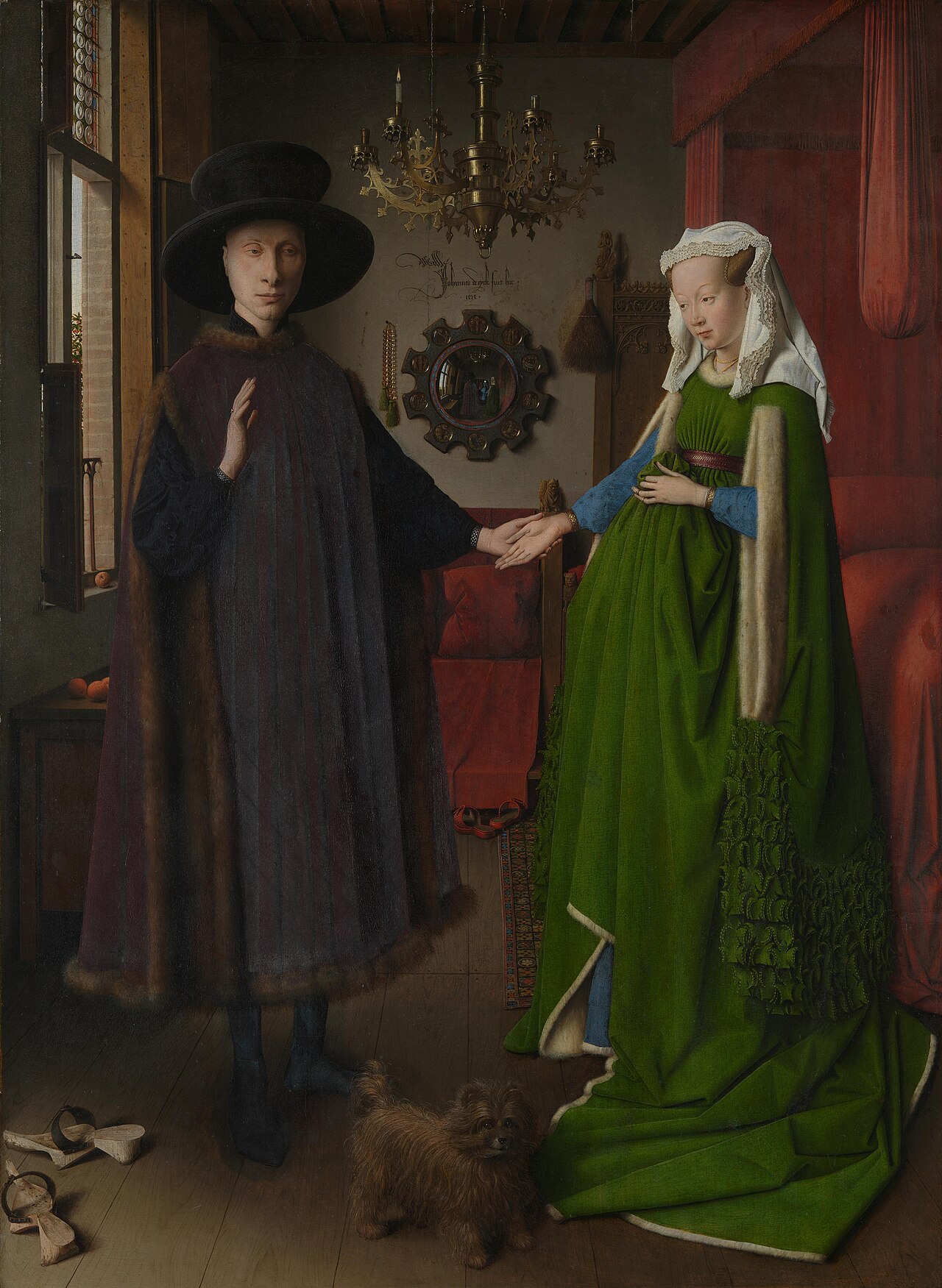 Painting
Primary source
Arnolfini Portrait
Jan van Eyck · 1434
 Painting
Secondary source
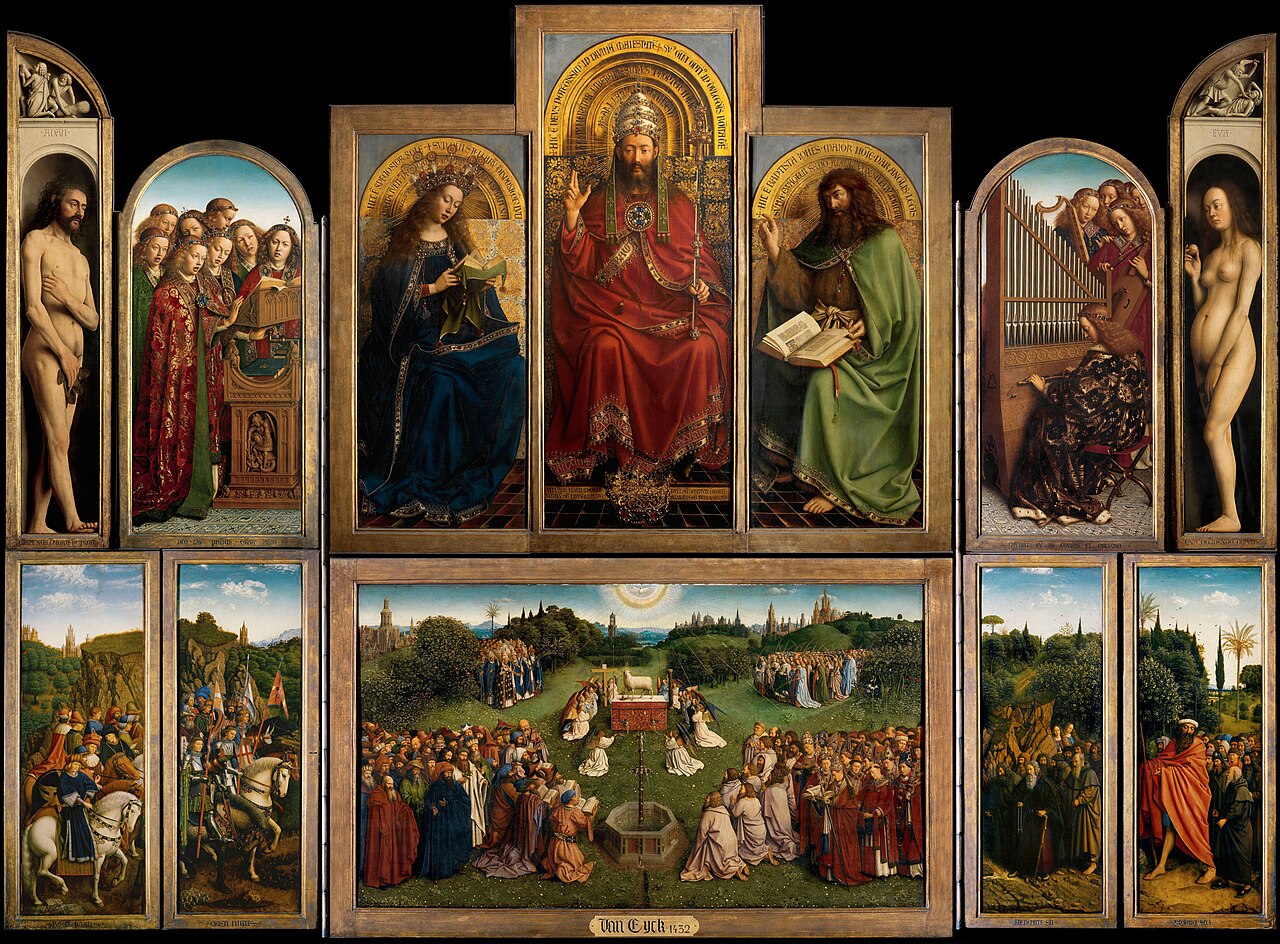
Ghent Altarpiece
Jan van Eyck and Hubert van Eyck · 1432
 Painting
Primary source
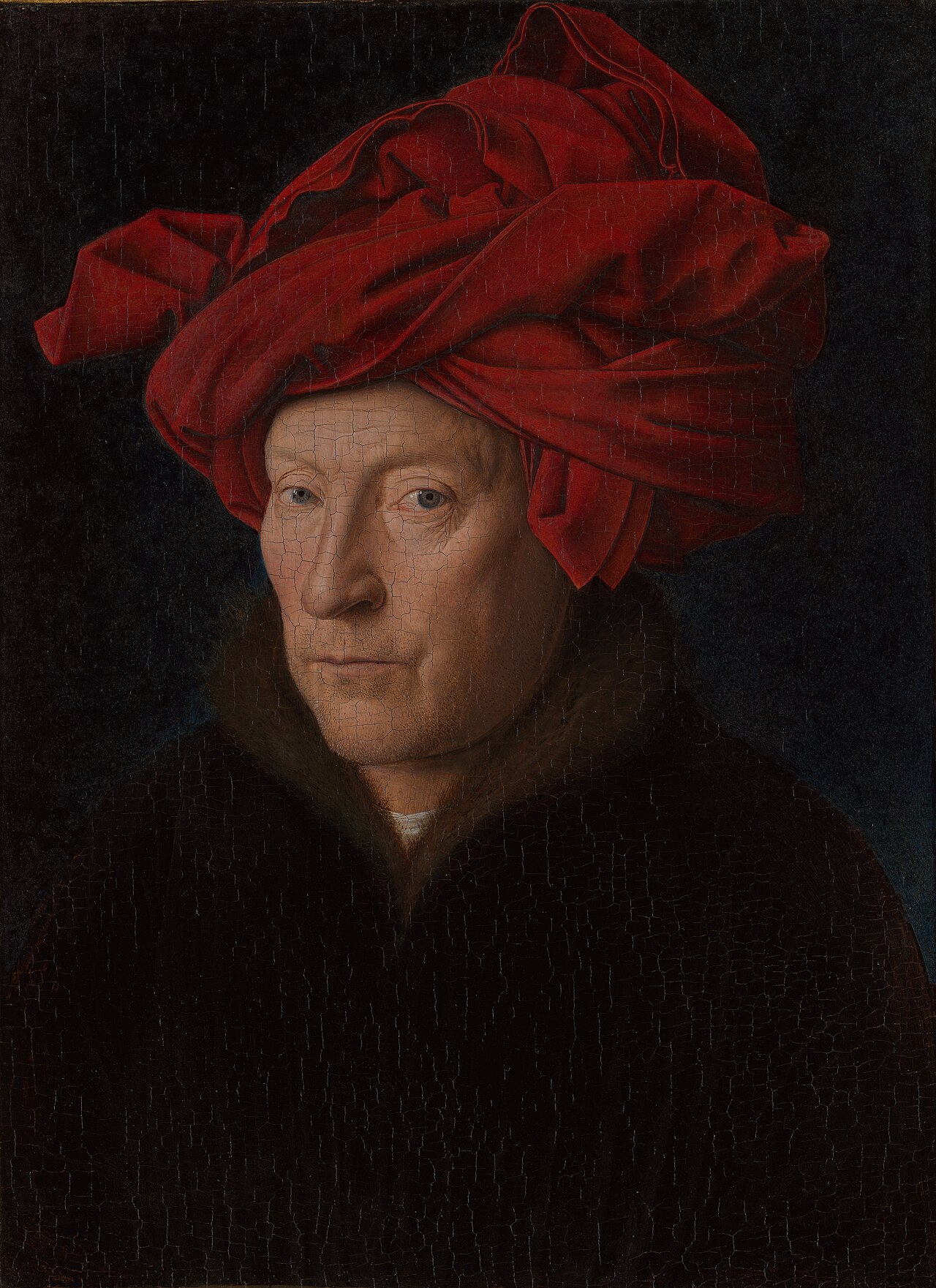
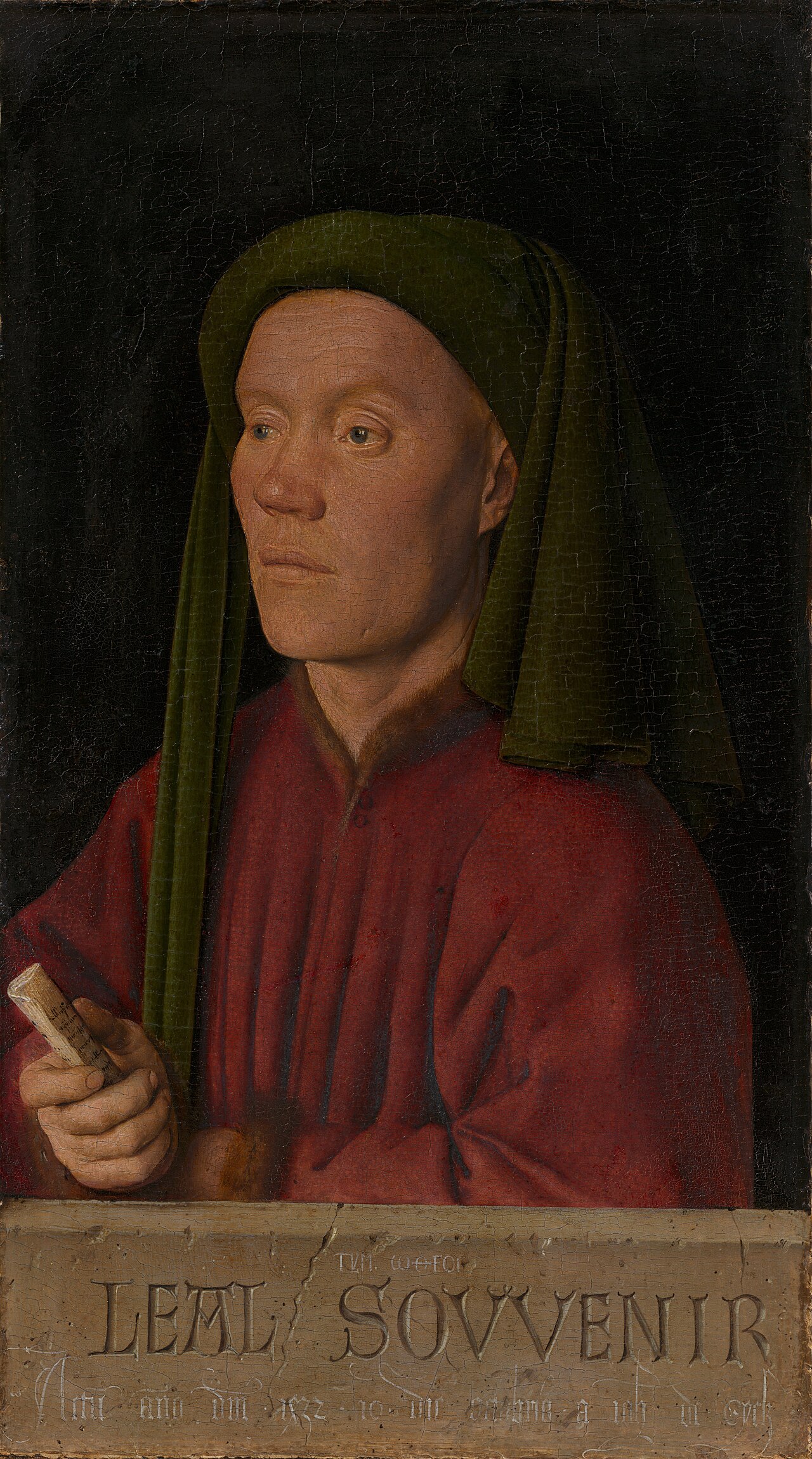
Portrait of a Man (Self Portrait?)
Jan van Eyck · 1433
 Painting
Secondary source
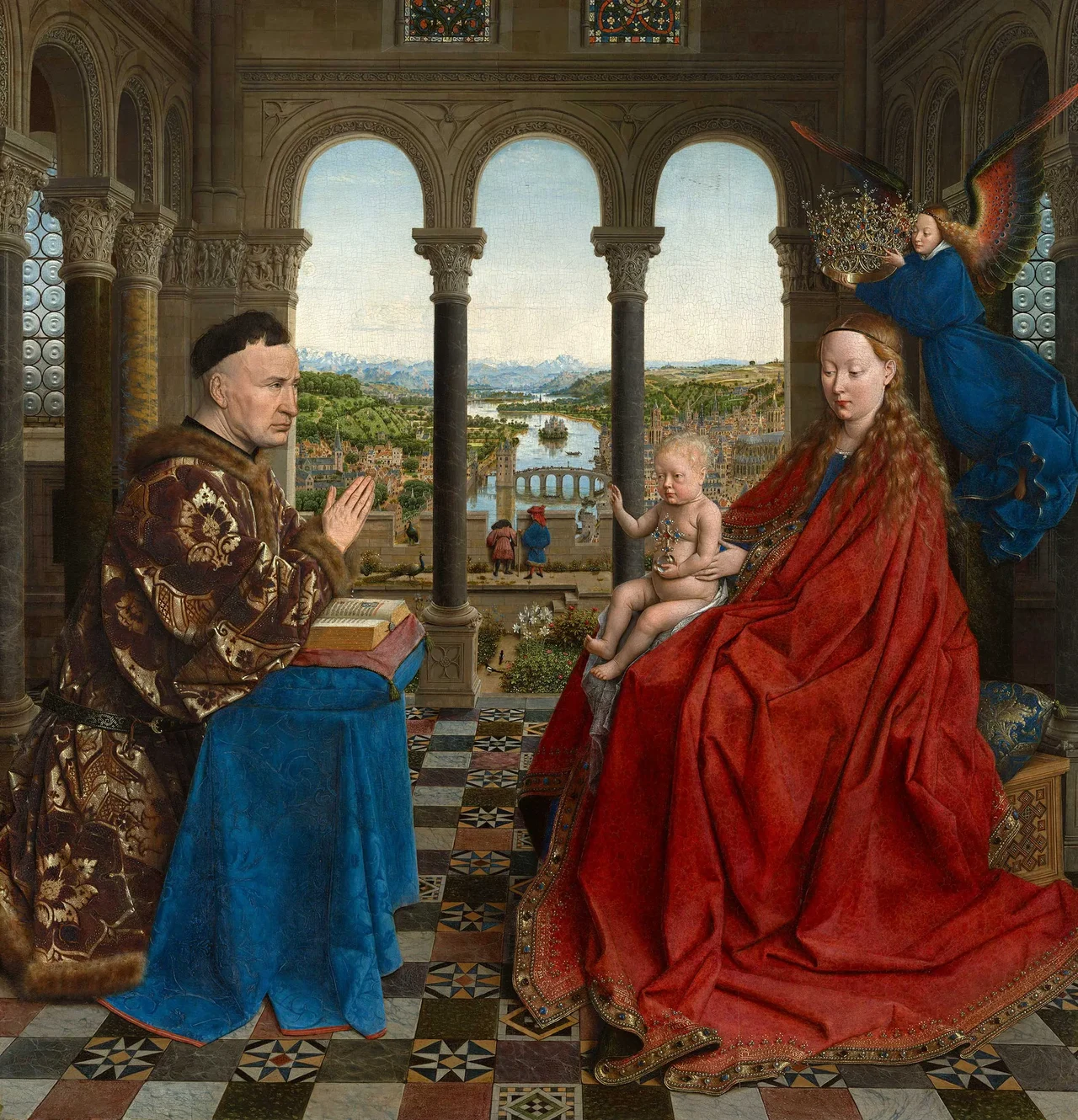
Madonna of Chancellor Rolin
Jan van Eyck · c. 1435
Free account
Read every Jan van Eyck source
Sign up free →
Ready when you are
Start chatting with Jan van Eyck now.
20 messages free · No credit card · Available in 50+ languages.