


Secondary sourcePaintingc. 1250-1260
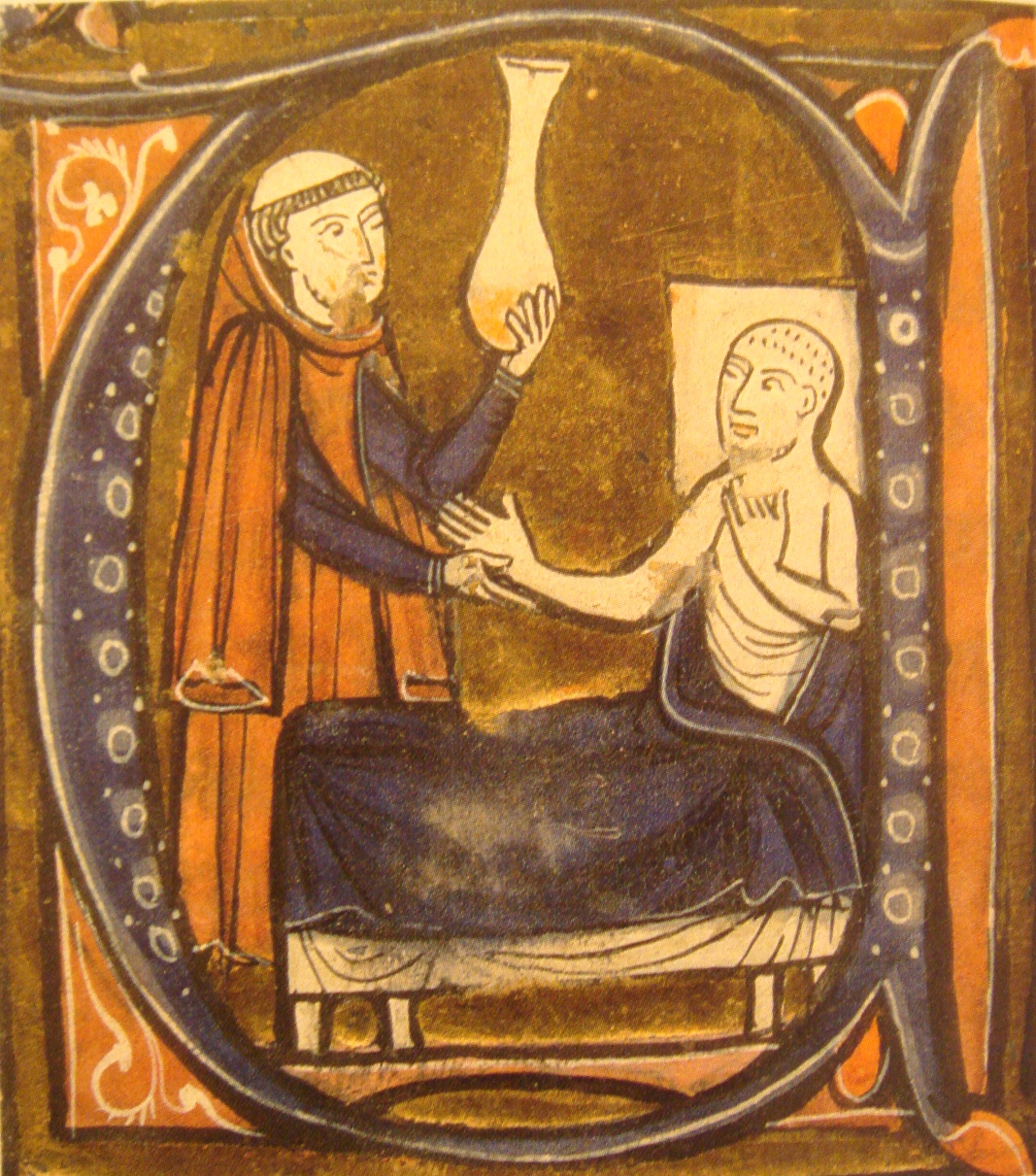
Portrait of Abu Bakr al-Razi in Gerard of Cremona's Medical Treatises
c. 1250-1260
A mid-13th-century European manuscript illustration imagining al-Razi examining a patient's urine sample.
An imagined European portrait of al-Razi made centuries after his death, showing his lasting reputation as a physician.
About this source
What it is
This decorated manuscript initial, from a collection of Latin medical translations by Gerard of Cremona made around 1250–1260, shows a bearded man in a cloak holding a glass flask used to examine urine, a common diagnostic method, while a patient reaches toward him.
Why it matters
Al-Razi's works were translated into Latin and studied across medieval Europe. This image shows how Europeans imagined him centuries after his lifetime, dressed and posed like a European physician rather than based on any real likeness, reflecting his reputation as a master of practical medicine.
Look closer
- Does this picture show what al-Razi actually looked like, or an artist's idea of a learned physician?
- What does the urine flask tell you about medieval medical practice?
- Why might European illustrators picture a Persian physician using familiar European imagery?
This painting is part of the curated material that grounds the AI version of Al-Razi on Humy.ai — when students ask about related events, the AI can quote it and cite it.
More Al-Razi sources
Browse all 33 →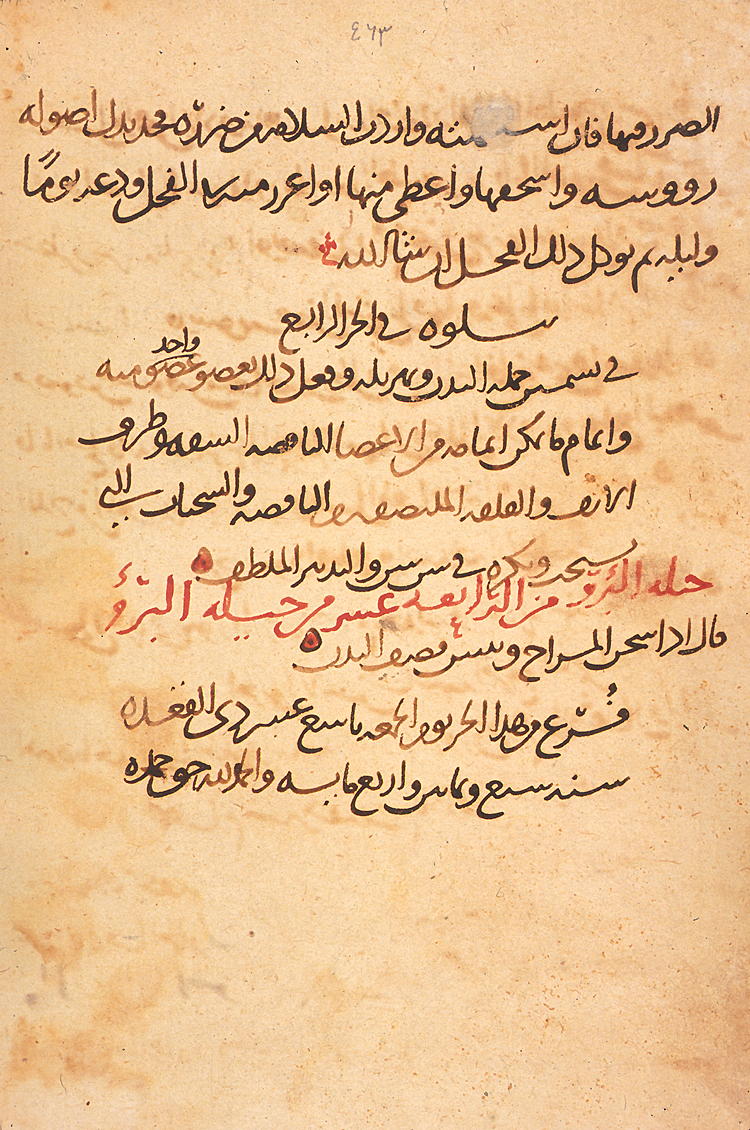 Document
Primary source
Rhazes NLM Manuscript Colophon
Unknown 10th century scribe · 30 November 1094
Primary source
The Spiritual Physick
Abu Bakr al-Razi · c. 900s
Primary source
The Philosophical Life
Abu Bakr al-Razi · c. 900s
 Painting
Secondary source
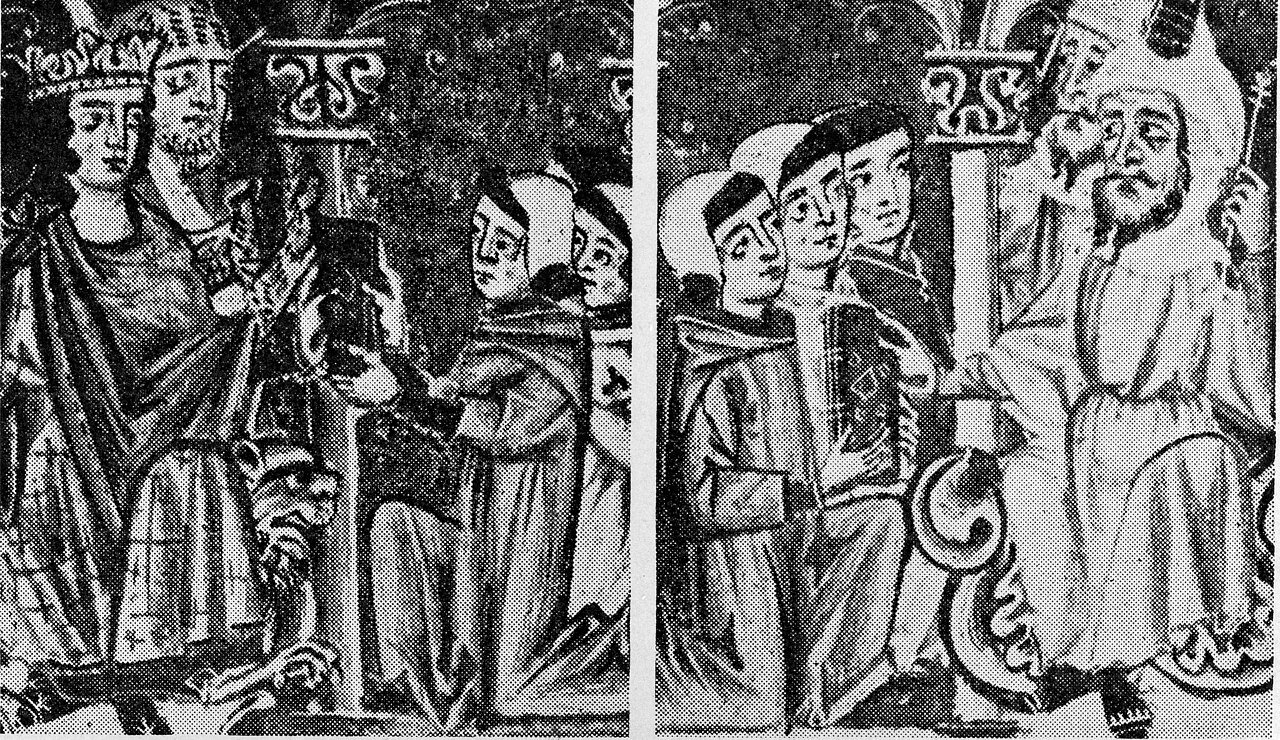
Jewish Translator Receiving Arabic Medical Volume
13th century


Free account
Read every Al-Razi source
Sign up free →
Ready when you are
Start chatting with Al-Razi now.
20 messages free · No credit card · Available in 50+ languages.