


Secondary sourcePaintingbetween 1703 and 1730
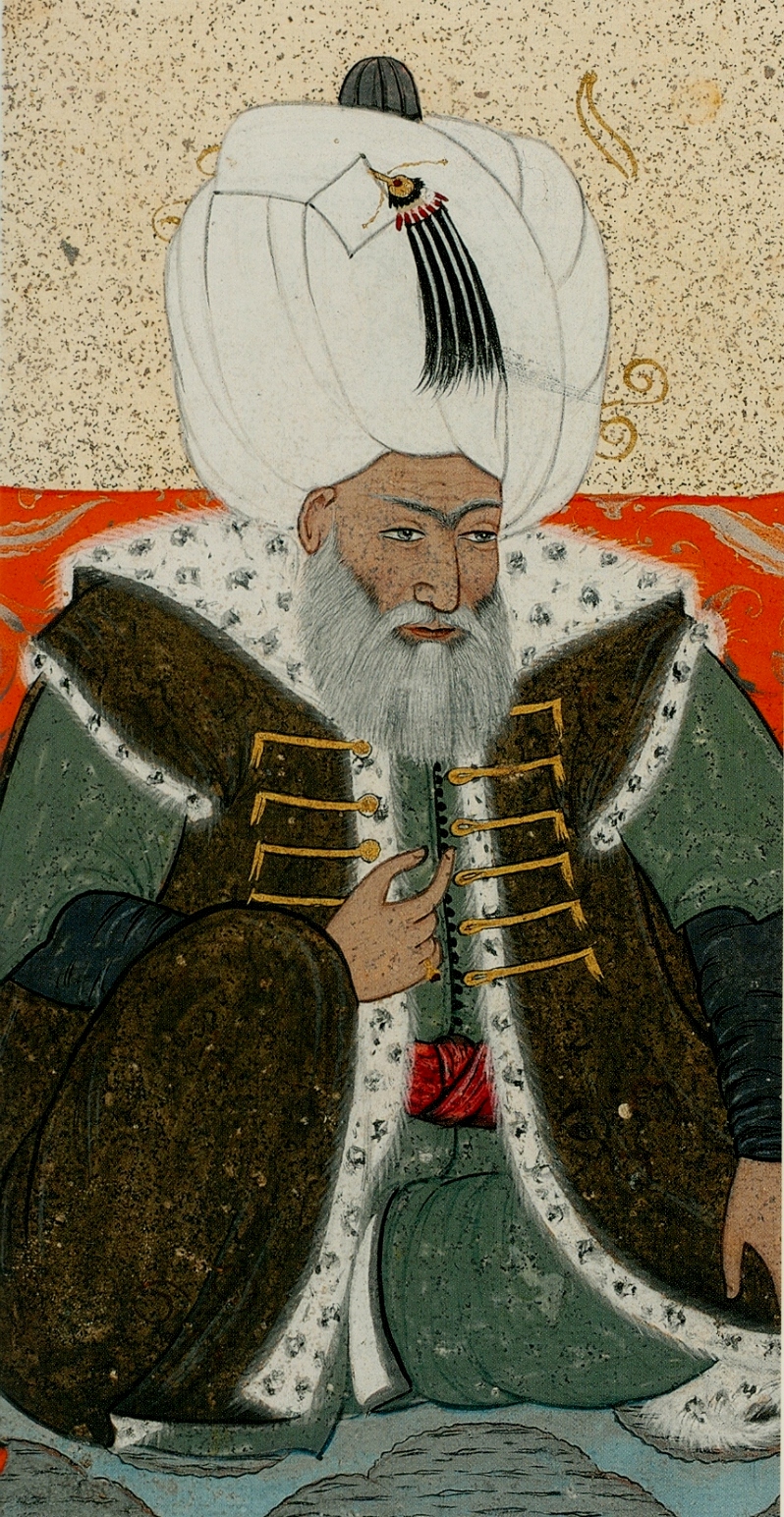
Portrait of Bayezid II by Levni
Levni · between 1703 and 1730
An 18th-century Ottoman court portrait of Bayezid II by the painter Levni, made over 180 years after the sultan's death, now at Topkapi Palace.
This later Ottoman court portrait by Levni imagines Bayezid II as a dignified, seated ruler, shaping his historical memory.
About this source
What it is
This portrait of Sultan Bayezid II was painted by the Ottoman court artist Levni between 1703 and 1730, more than 180 years after Bayezid's death in 1512. It shows the sultan seated, with a long white beard, a large jewelled turban, and fur-trimmed robes, and is held at the Topkapi Palace museum.
Why it matters
Levni was a celebrated painter at the Ottoman court, and his imagined image of Bayezid II reflects how later Ottoman sultans and artists wanted earlier rulers to be remembered: dignified, richly dressed, and seated in state. It tells us as much about Levni's own era as about Bayezid II himself.
Look closer
- What details suggest wealth, authority, or religious status?
- Why might a court painter working generations later choose to depict an earlier sultan this way?
- What might this image leave out about the real Bayezid II and his reign?
This painting is part of the curated material that grounds the AI version of Bayezid II on Humy.ai — when students ask about related events, the AI can quote it and cite it.
More Bayezid II sources
Browse all 79 →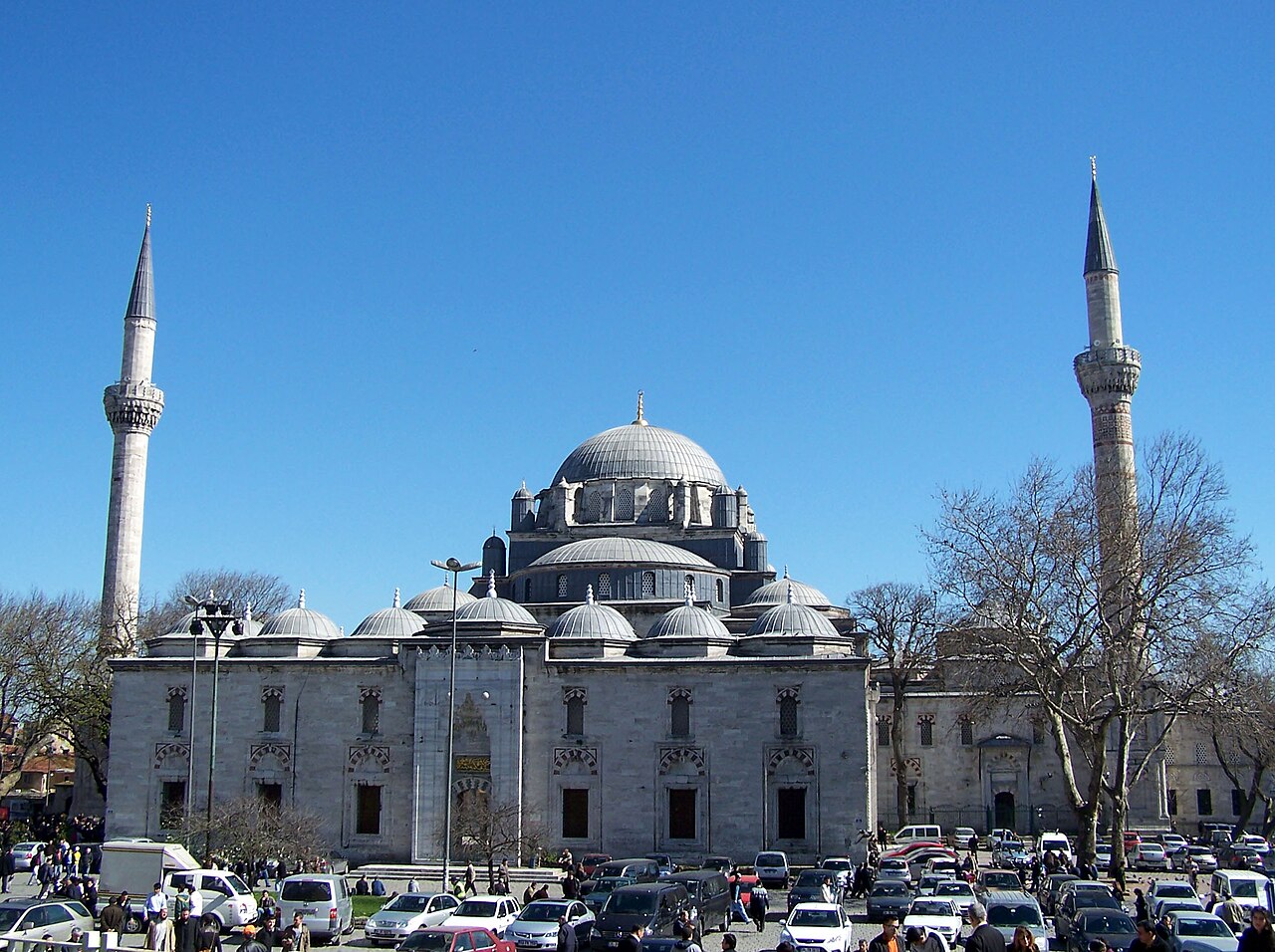 Artifact
Primary source
Bayezid II Mosque
Yakubşah ibn Islamşah (attributed) · 1500-1505
 Document
Primary source
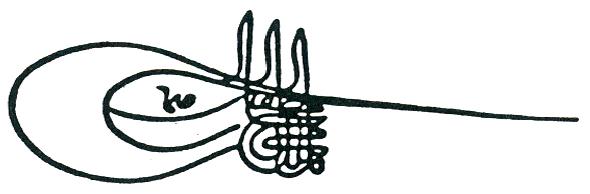
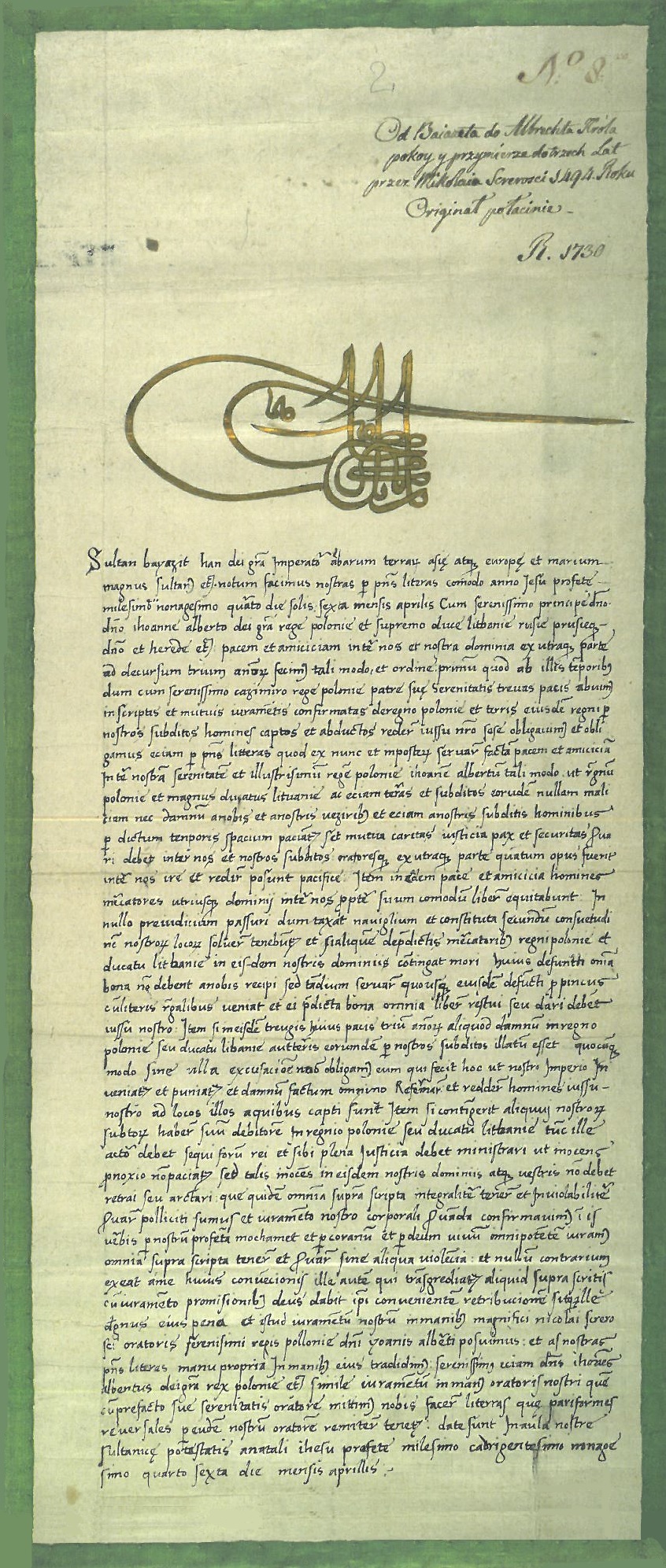
Tughra of Bayezid II
Unknown court calligrapher · 1481-1512
 Painting
Primary source
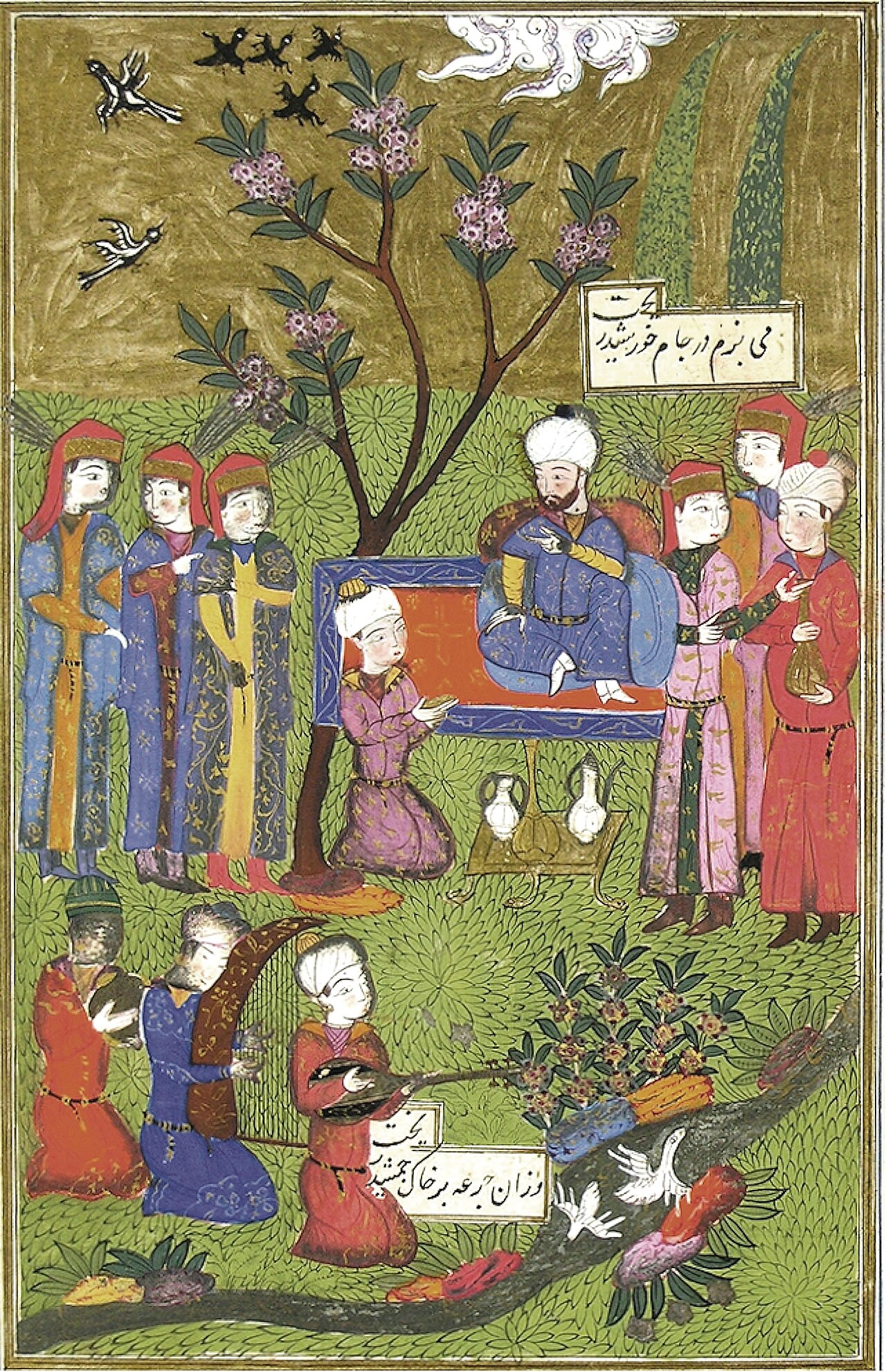
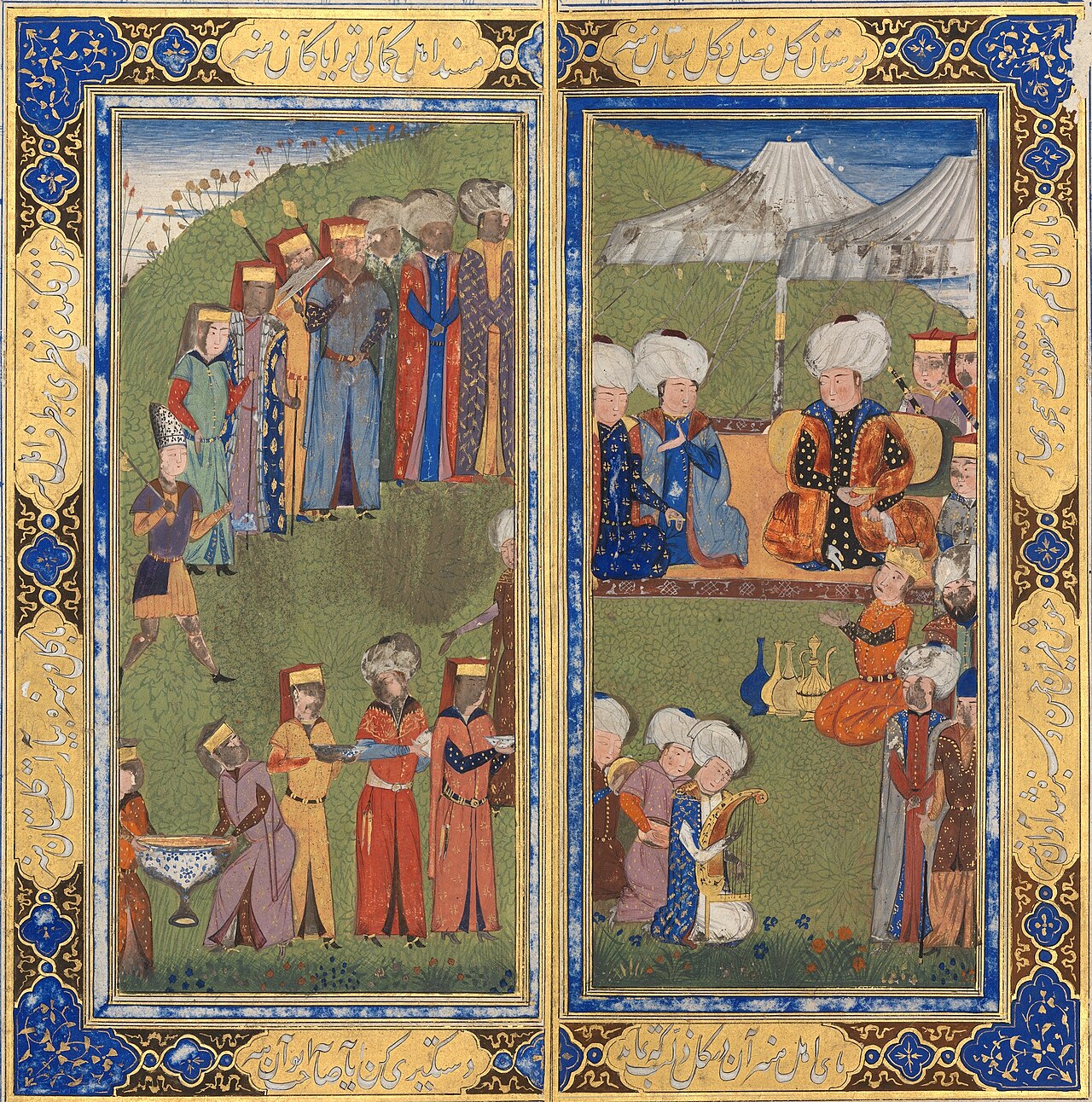
Assembly of Sultan Bayezid II
Darwish Mahmud b. Abdullah nakkash · c. 1495
 Artifact
Primary source
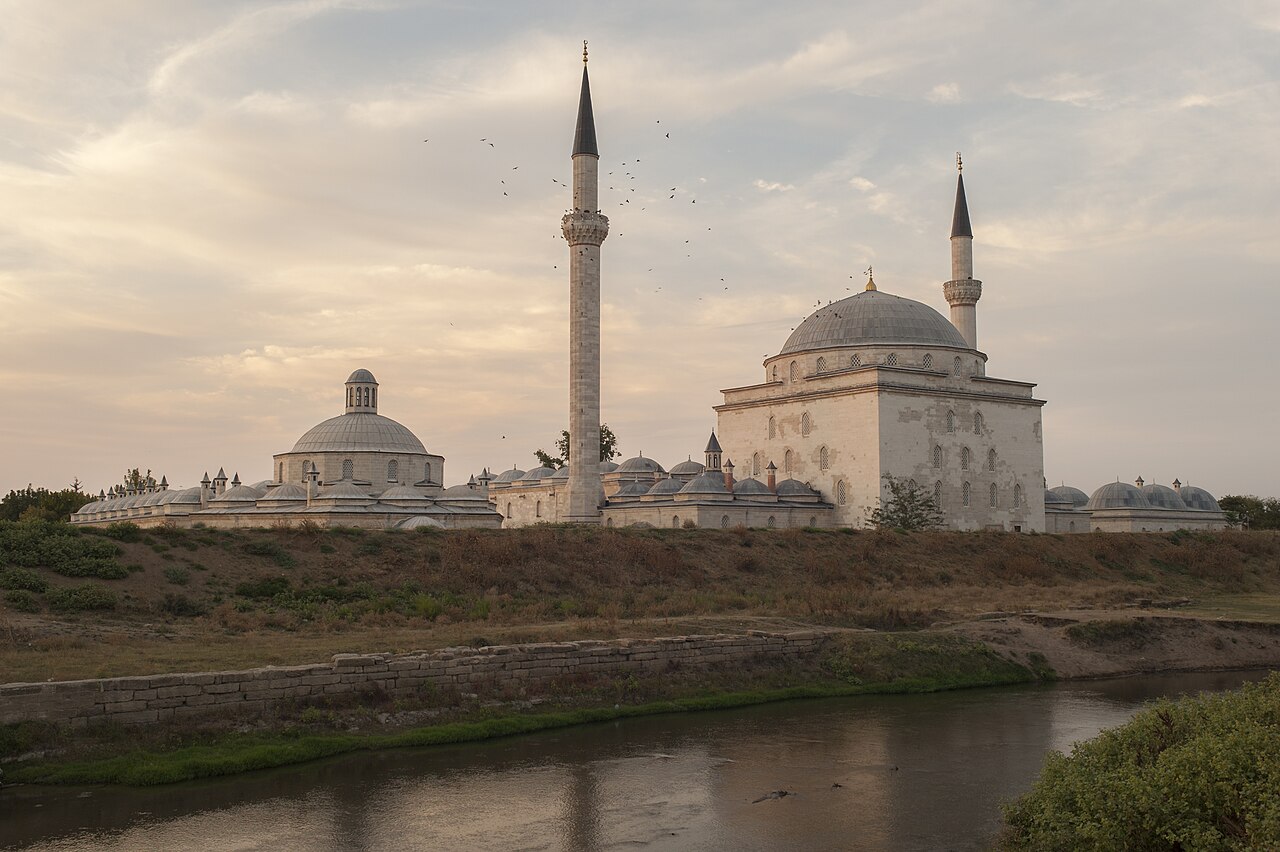
Sultan Bayezid II Complex
Mimar Hayruddin · 1484-1488
Free account
Read every Bayezid II source
Sign up free →
Ready when you are
Start chatting with Bayezid II now.
20 messages free · No credit card · Available in 50+ languages.