


Primary sourcePhotograph
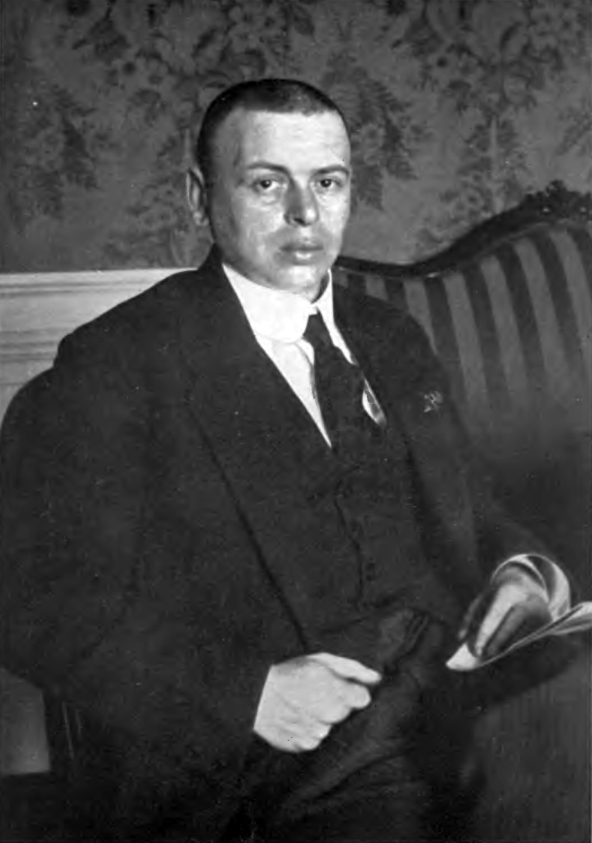
Portrait of Béla Kun
A lifetime studio portrait of Béla Kun, later reprinted in Cécile Tormay's 1923 anti-communist memoir.
This lifetime portrait of Kun was reused in a hostile 1923 memoir, showing how his image was used by opponents of the revolution.
About this source
What it is
This is a studio-style photographic portrait of Béla Kun, shown seated in a suit and vest, holding a folded paper or book. It was reproduced in the 1923 English edition of Cécile Tormay's memoir 'An Outlaw's Diary', a hostile account of the Hungarian revolutions written from the counter-revolutionary side.
Why it matters
The portrait shows how Kun's image circulated widely, including among his political enemies. Tormay, a conservative Hungarian writer strongly opposed to the Hungarian Soviet Republic, used this picture in a book condemning the communist government Kun led.
Look closer
- Why might an opponent's book choose to include a calm, formal portrait rather than a harsher image?
- What does the setting (chair, wallpaper, clothing) suggest about how Kun presented himself?
- How might the same photograph be read differently by supporters and opponents?
This photograph is part of the curated material that grounds the AI version of Béla Kun on Humy.ai — when students ask about related events, the AI can quote it and cite it.
More Béla Kun sources
Meet the AI Béla Kun →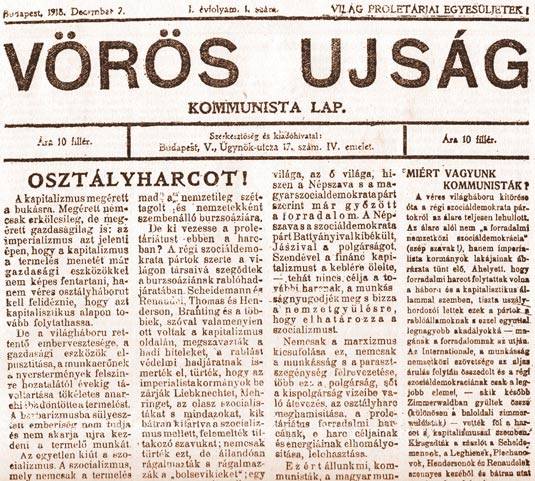 Newspaper article
Primary source
Vörös Újság: First Editorial
Béla Kun · 7 December 1918
 Document
Primary source
Treaty of Trianon
4 June 1920
 Photograph
Primary source
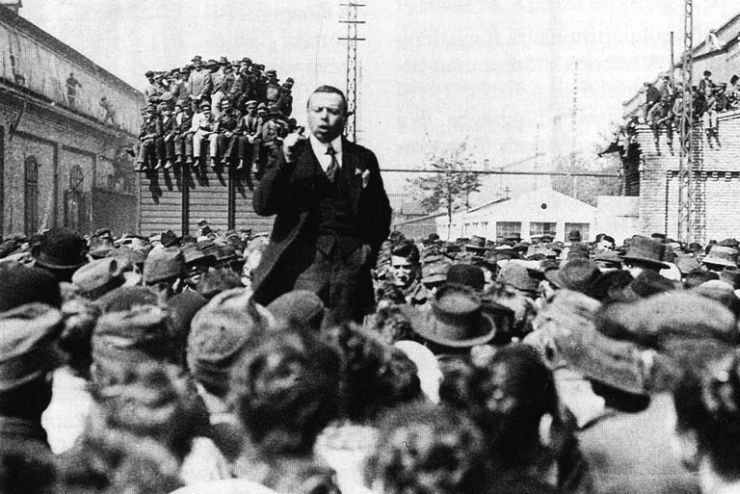
Béla Kun, Leader of the 1919 Hungarian Revolution
1919
 Photograph
Primary source
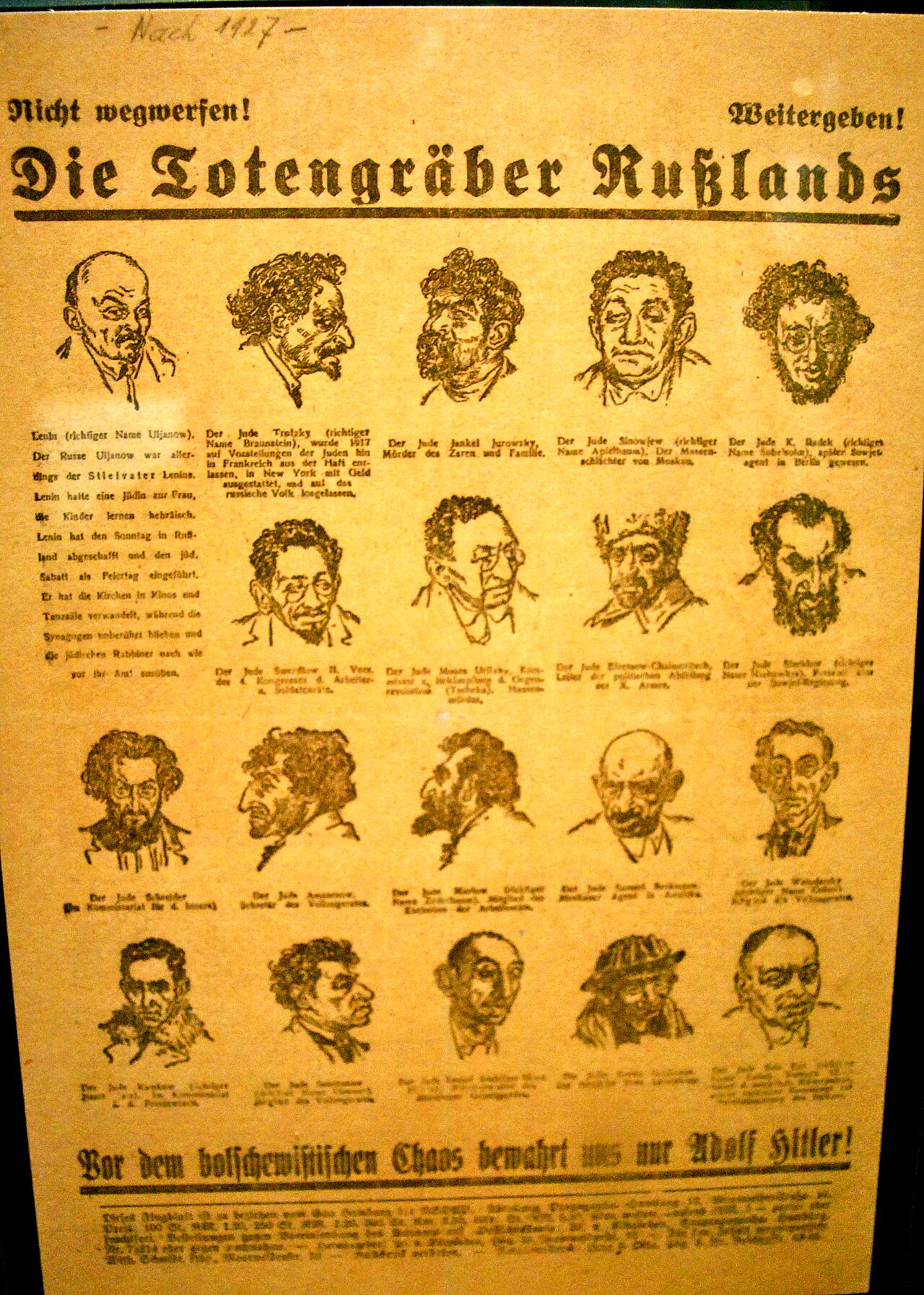
Die Totengräber Russlands
March 1937
 Photograph
Primary source
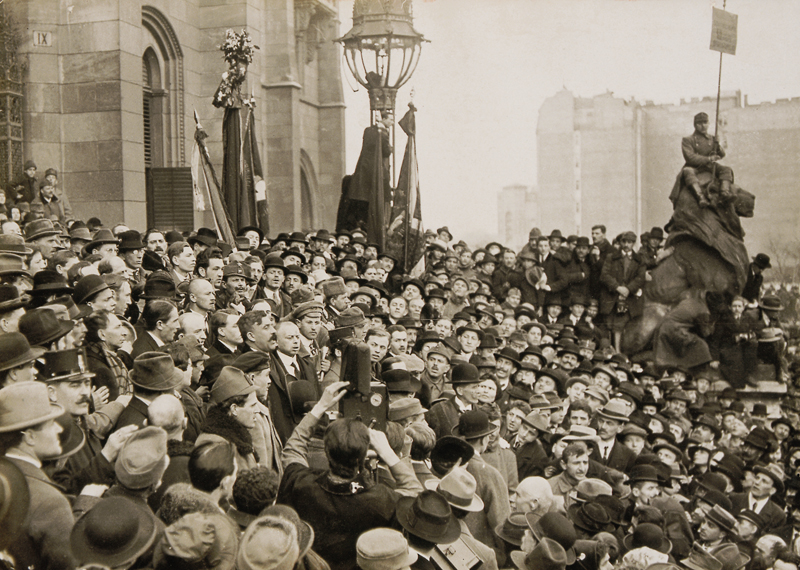
Sándor Garbai and Béla Kun, Leaders of the Hungarian Soviet Republic
1919
Ready when you are
Start chatting with Béla Kun now.
20 messages free · No credit card · Available in 50+ languages.