


Secondary sourcePainting
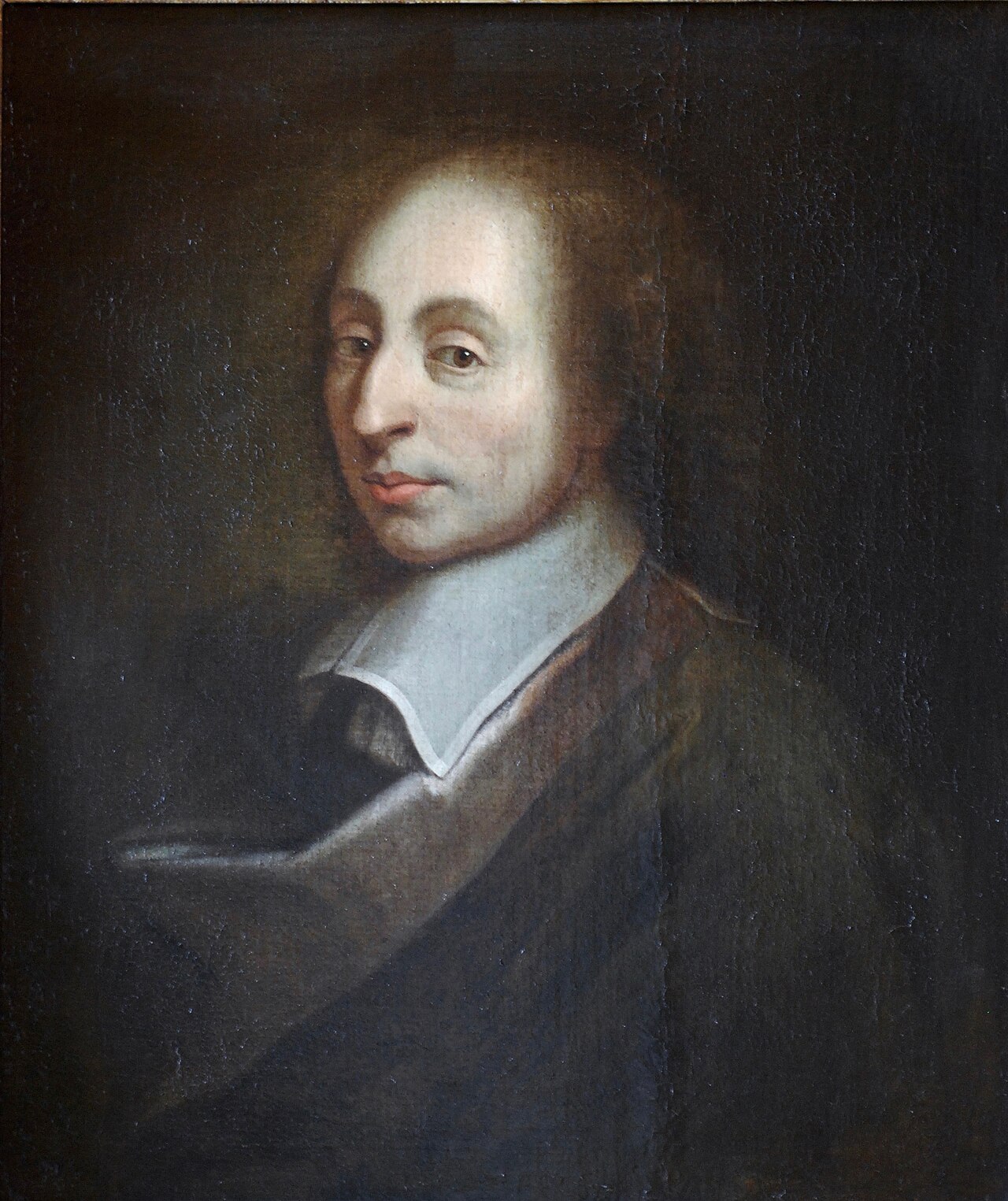
Portrait of Blaise Pascal
Unknown
An anonymous 17th-century oil portrait of Blaise Pascal, the most widely reproduced painted image of him, held at Versailles.
This portrait is the most reproduced painted image of Pascal and anchors his visual identity in historical memory.
About this source
What it is
This is an oil painting of a man with receding hair, a pale face, and dark eyes, shown in three-quarter view against a dark background, wearing a dark coat and white collar. The artist is unknown. It is kept at Versailles and is the most reproduced painted image of Blaise Pascal.
Why it matters
Because no confirmed portrait of Pascal made during his own sitting survives with certainty, images like this one have shaped how later generations imagine him. It shows how visual memory of a historical figure can be built up after death.
Look closer
- What mood or personality does the painting suggest through the man's expression and pose?
- Why might later generations want to create or copy portraits of famous thinkers?
- What details (clothing, background) can you use as clues about the period it was painted?
This painting is part of the curated material that grounds the AI version of Blaise Pascal on Humy.ai — when students ask about related events, the AI can quote it and cite it.
More Blaise Pascal sources
Browse all 91 →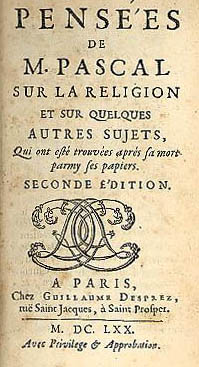 Book
Secondary source
Pensées
Blaise Pascal · 1670
 Book
Primary source
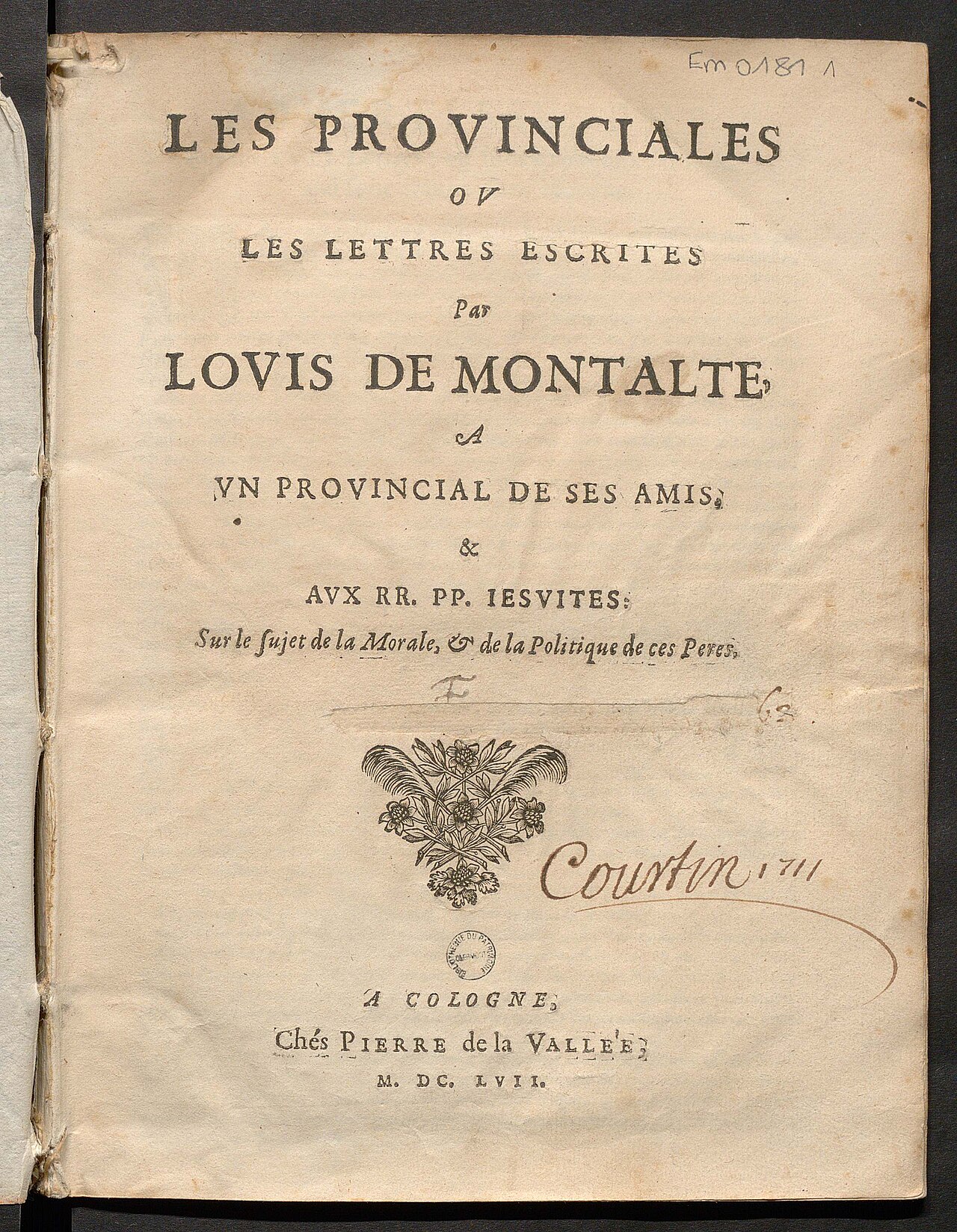
Lettres provinciales
Blaise Pascal · 1656–1657
 Diary entry
Primary source
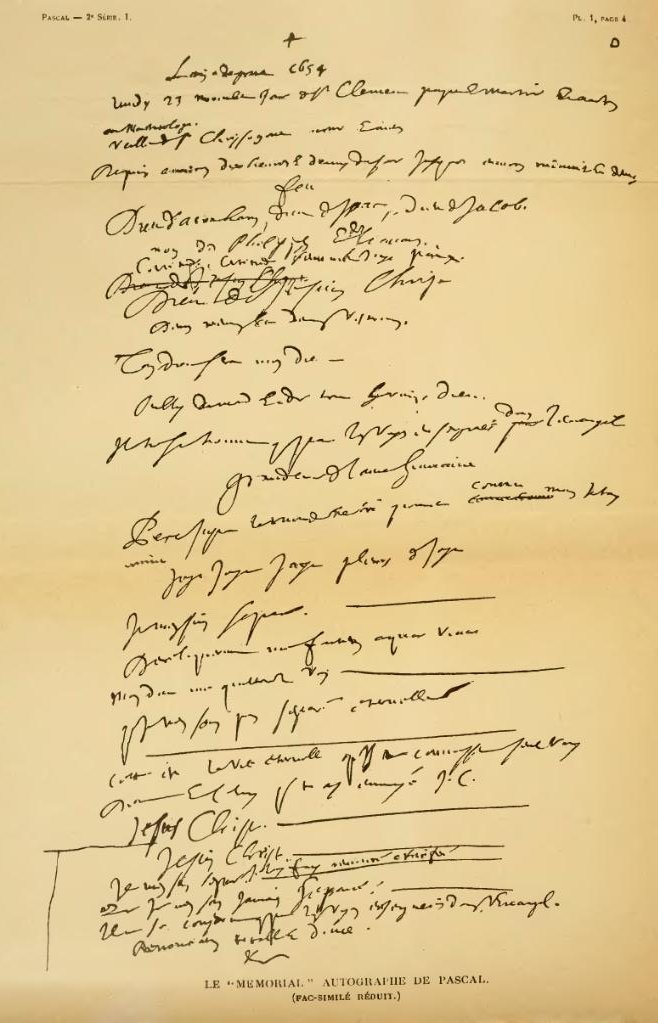
Le Mémorial
Blaise Pascal · 23 November 1654
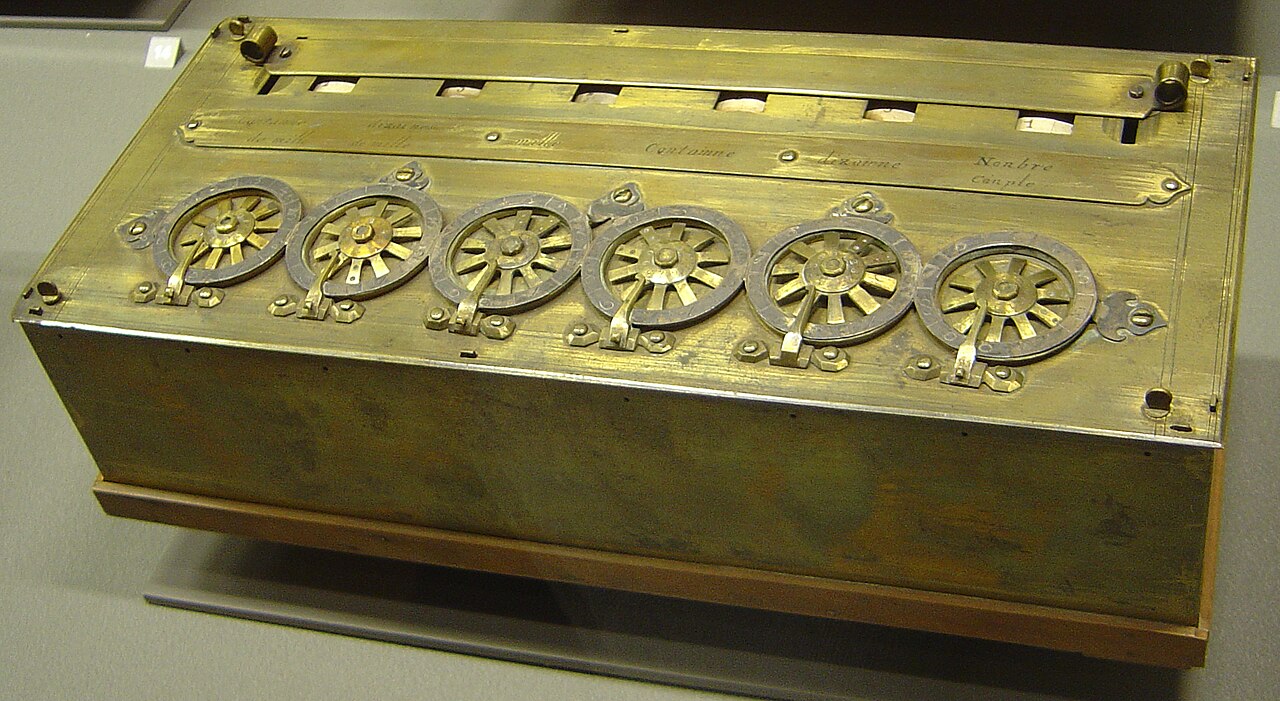 Artifact
Primary source
Pascal's calculator
Blaise Pascal · 1642
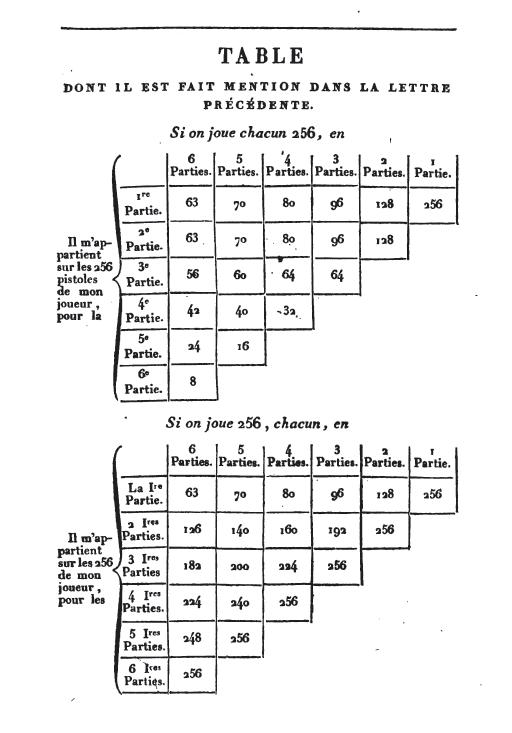
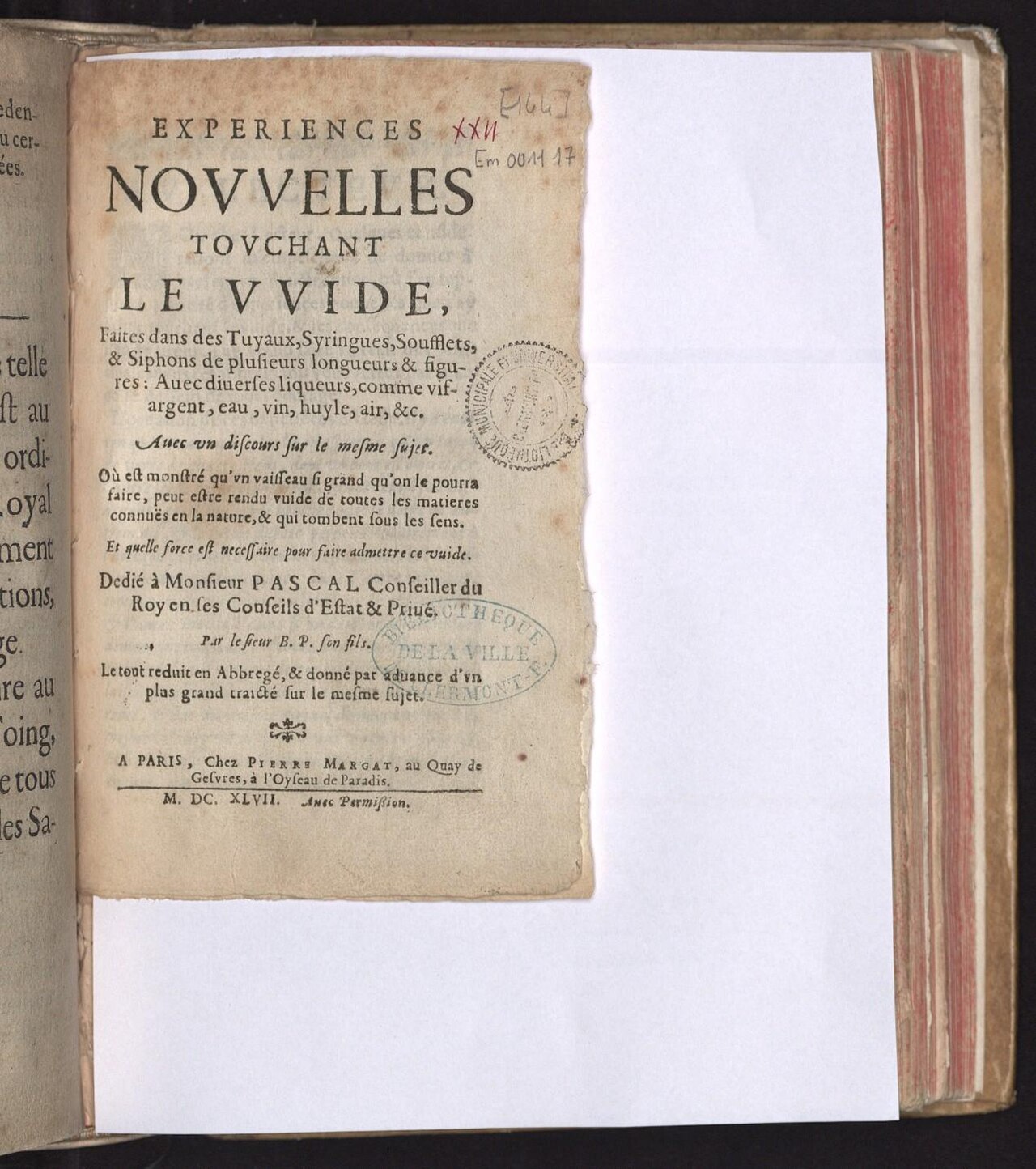
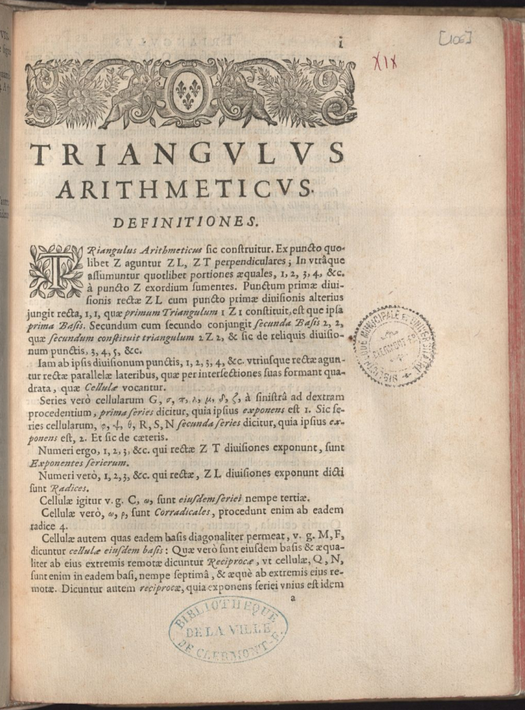
Free account
Read every Blaise Pascal source
Sign up free →
Ready when you are
Start chatting with Blaise Pascal now.
20 messages free · No credit card · Available in 50+ languages.