


Primary sourcePainting
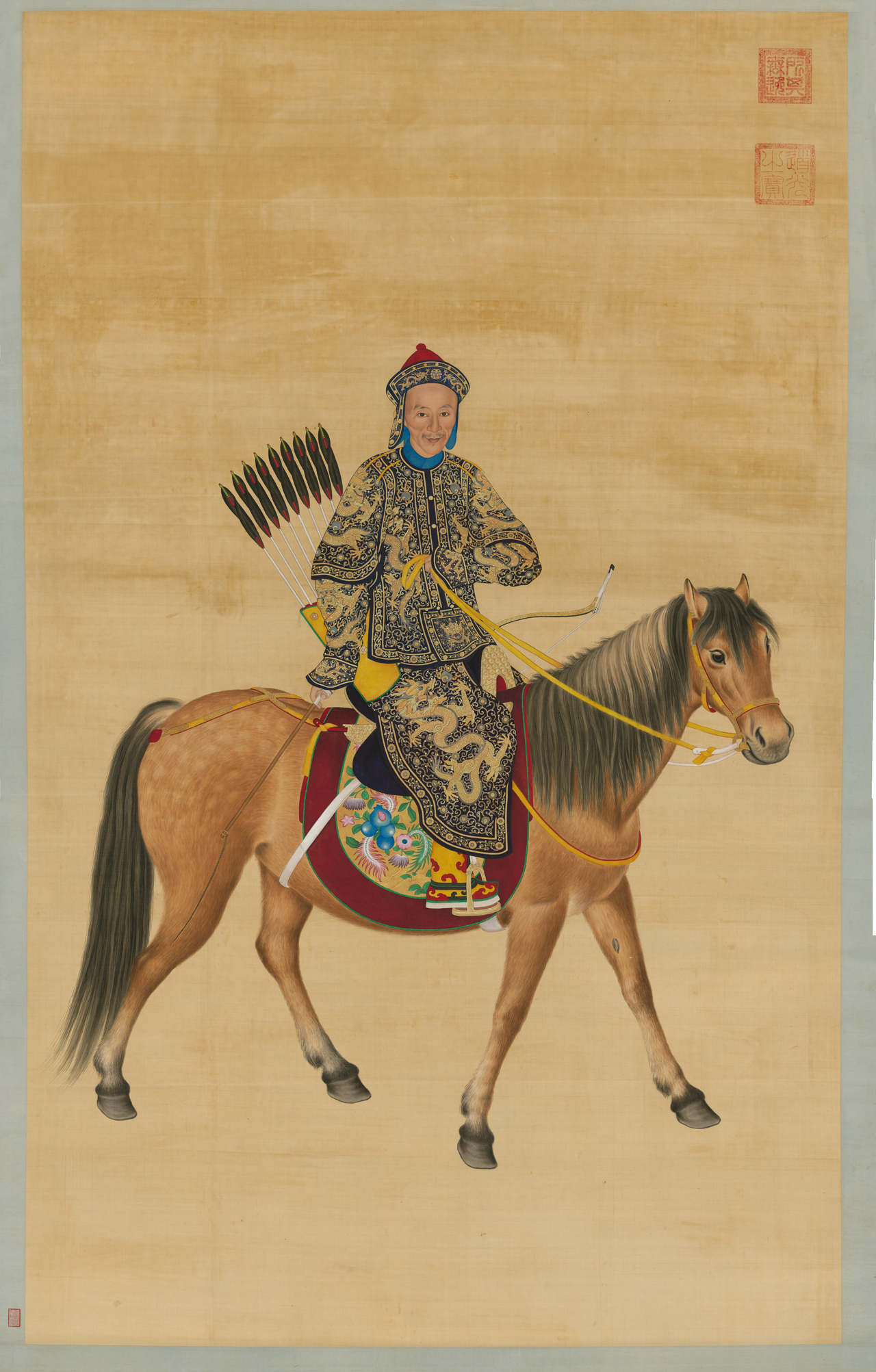
Portrait of Daoguang in Martial Dress
Unknown Qing court painter
A hanging scroll portrait showing the Daoguang Emperor in armor on horseback, projecting the Manchu warrior ideal.
This portrait depicts the Daoguang Emperor himself, dressed as a mounted warrior in the Manchu martial tradition.
About this source
What it is
This hanging scroll painting on silk, by an unknown court artist, shows a man in ornate embroidered robes with dragon motifs seated on horseback, carrying a bow and quiver of arrows. Red seals mark the upper right corner.
Why it matters
Qing emperors used such martial portraits to present themselves as heirs of the Manchu warrior tradition, even as the dynasty faced internal and foreign pressures. This image of the Daoguang Emperor connects him to that ideal of the mounted warrior-ruler, a role increasingly symbolic as China struggled against foreign military power during his reign.
Look closer
- What details of clothing and equipment suggest a warrior identity rather than a scholarly one?
- Why might an artist choose to show an emperor on horseback with weapons rather than seated on a throne?
- What does this image leave out about the emperor's actual military situation?
This painting is part of the curated material that grounds the AI version of Daoguang Emperor on Humy.ai — when students ask about related events, the AI can quote it and cite it.
More Daoguang Emperor sources
Browse all 75 →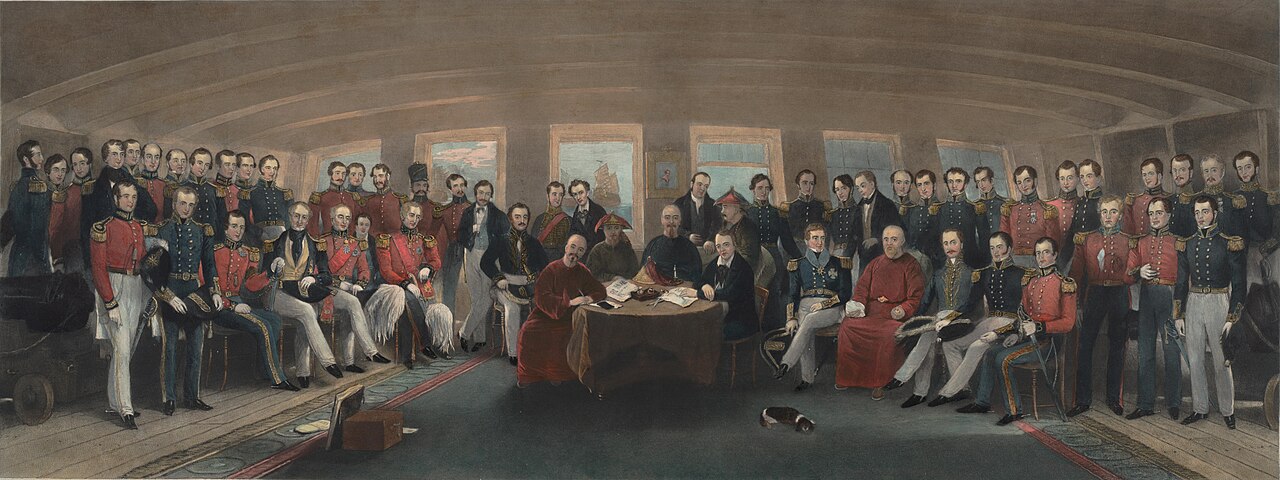 Document
Primary source
Treaty of Nanjing
29 August 1842
 Letter
Primary source
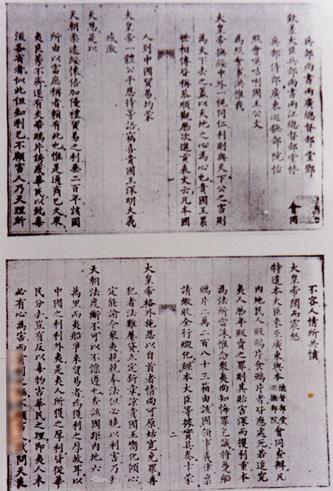
Letter to Queen Victoria
Lin Tse-hsu · 1839
 Painting
Primary source
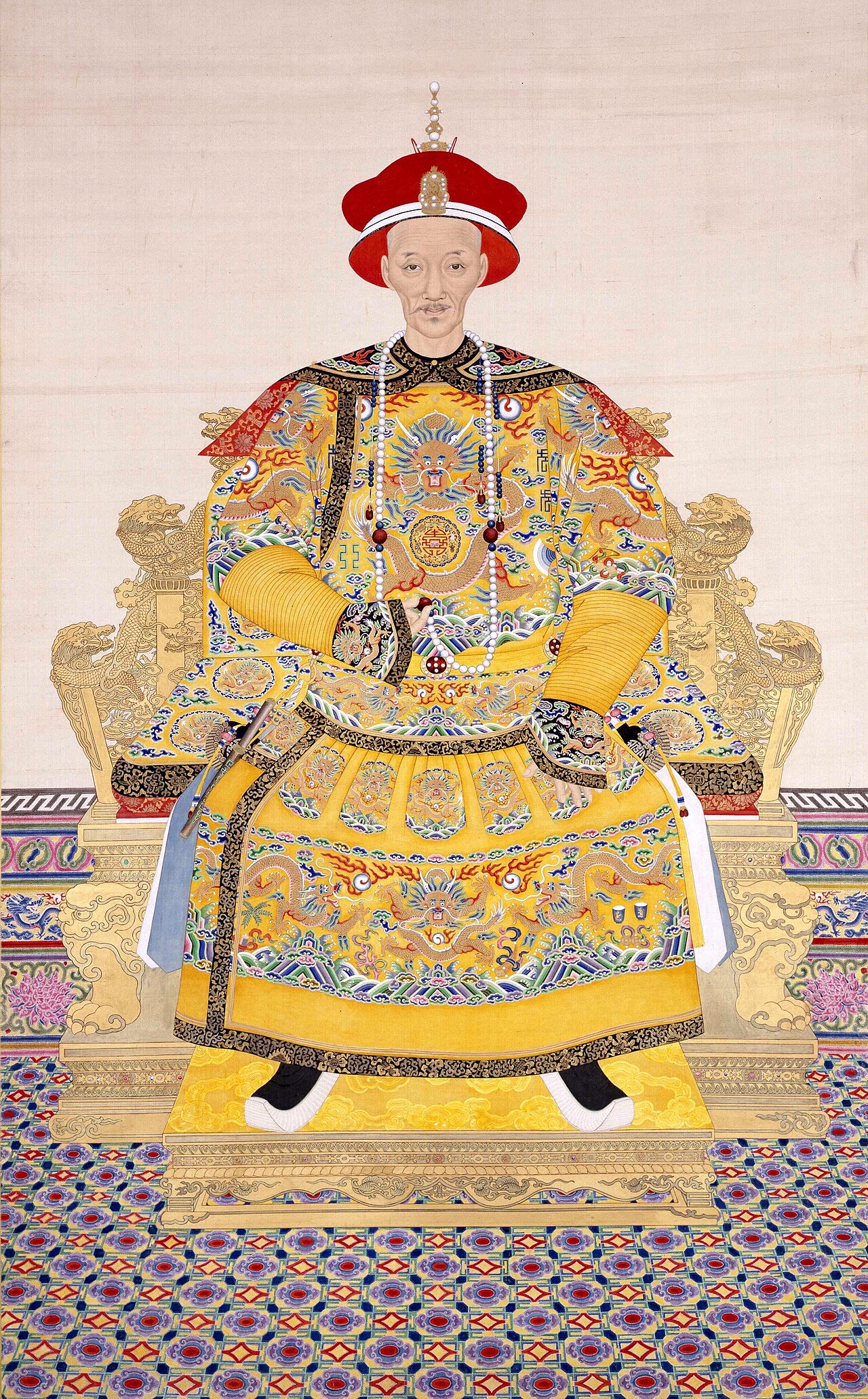
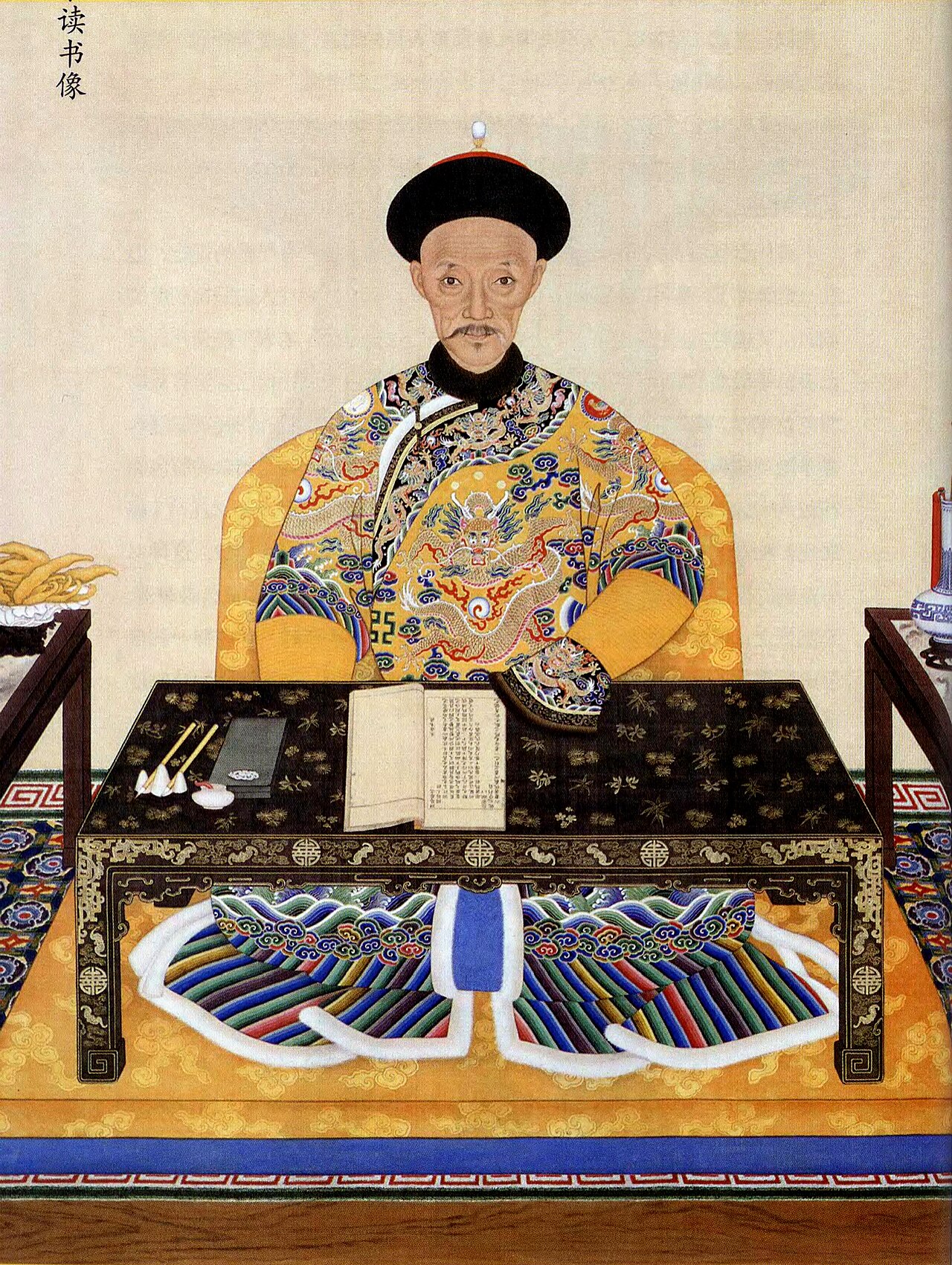
Portrait of the Daoguang Emperor in Court Dress
Anonymous Qing Dynasty Court Painter
 Document
Primary source
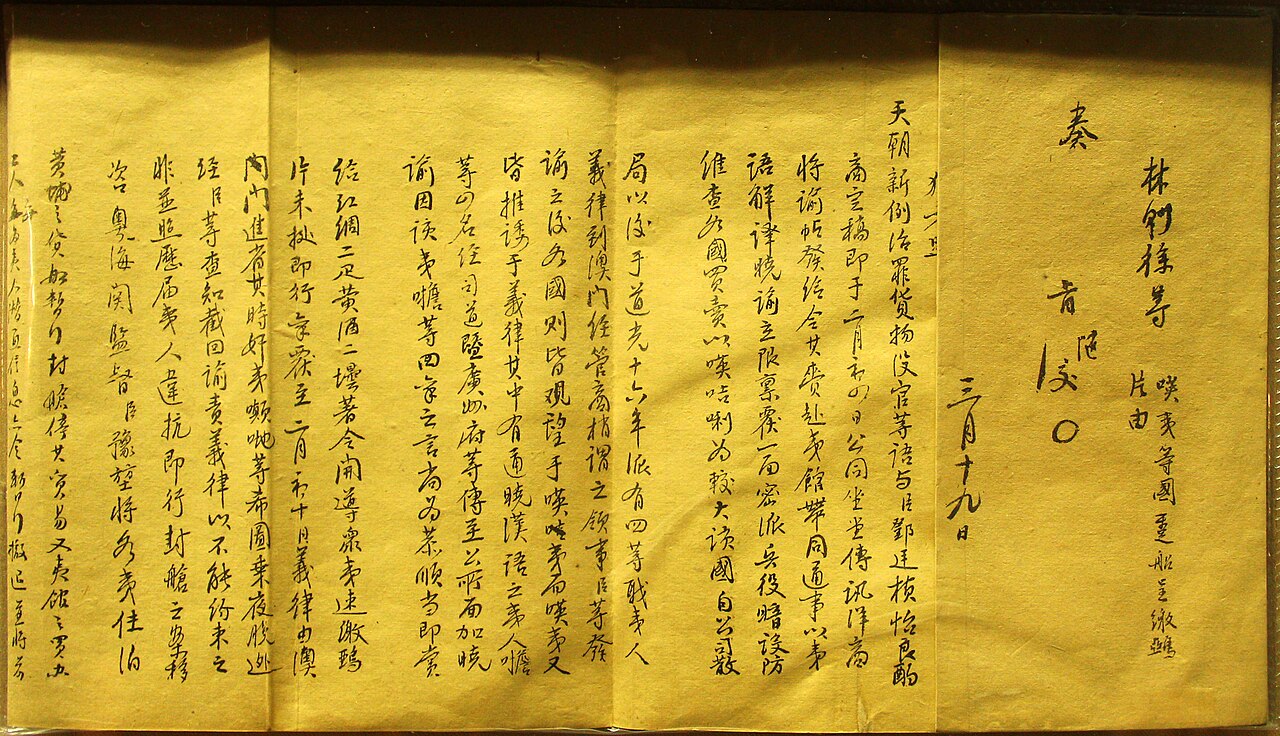
Lin Zexu's Memorial Reporting the Confiscation of Opium
Lin Zexu
Free account
Read every Daoguang Emperor source
Sign up free →
Ready when you are
Start chatting with Daoguang Emperor now.
20 messages free · No credit card · Available in 50+ languages.