


Secondary sourcePainting17th century
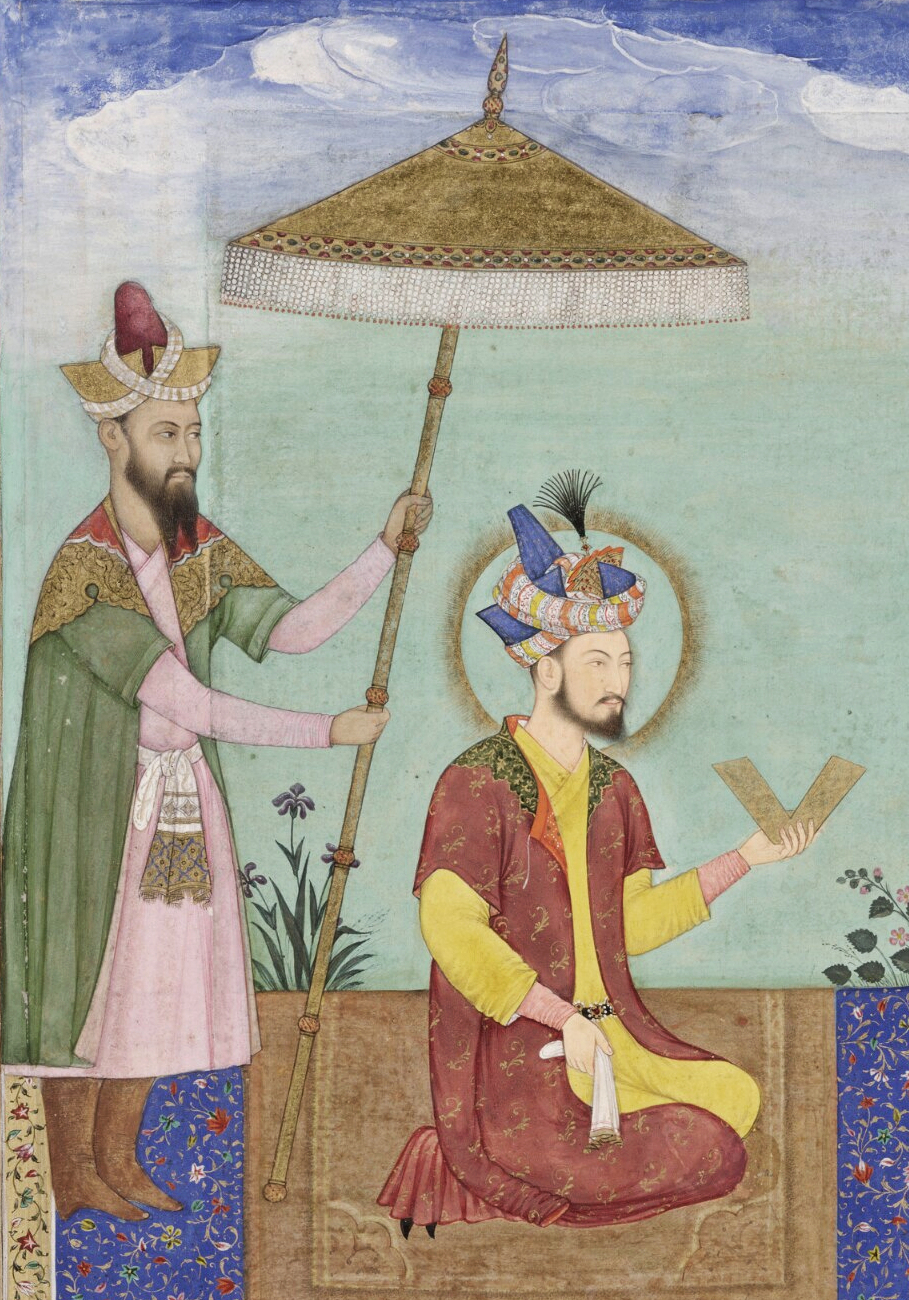
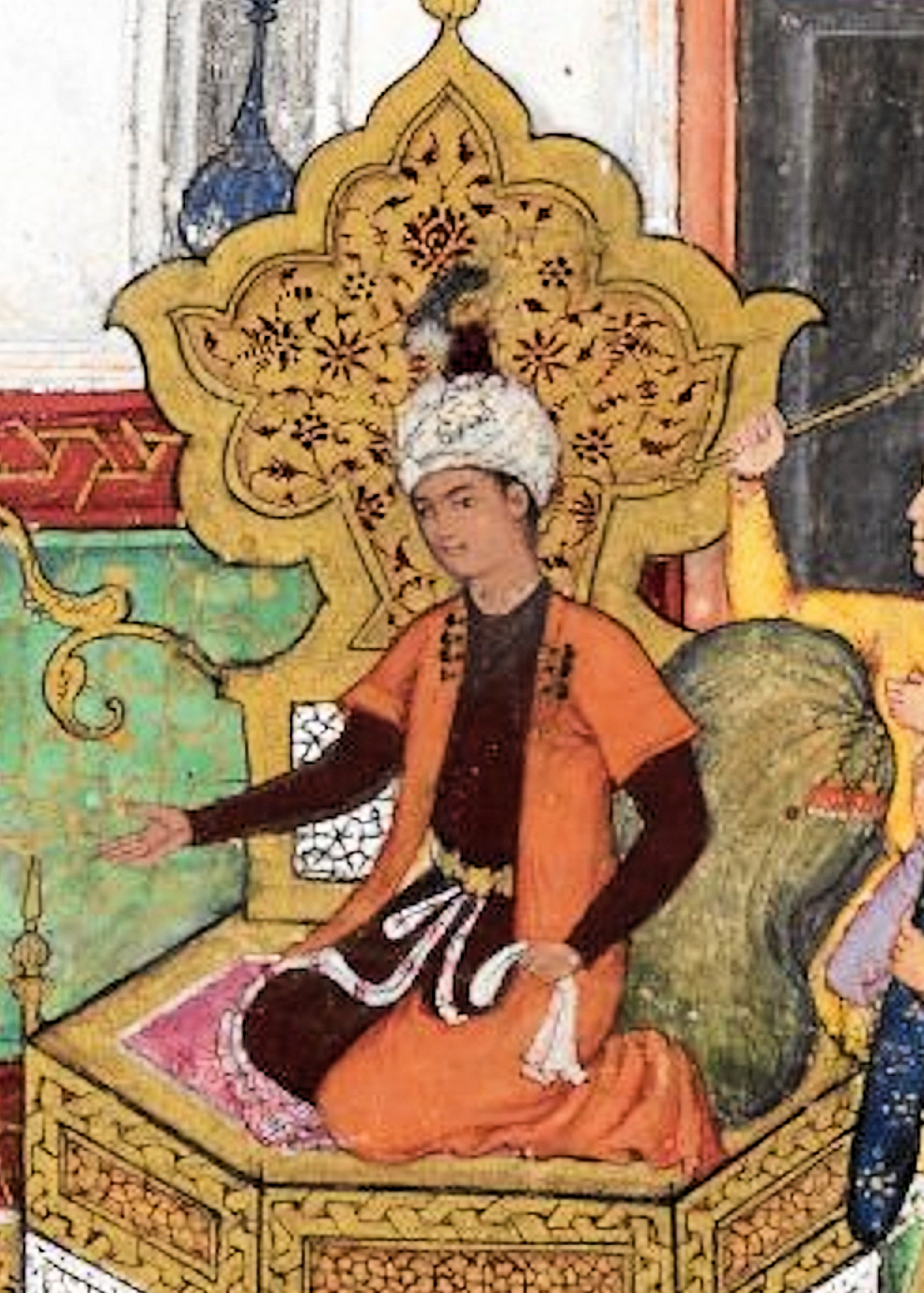
Portrait of Emperor Babur, Bodleian Library MS Douce Or. a. 1
17th century
A 17th-century Mughal-style portrait of Babur from a manuscript in the Bodleian Library, Oxford. It was made more than a century after his death.
Shows how the Mughal court of the 1600s chose to picture its founder, Babur, long after his death.
About this source
What it is
This is a painted portrait of Babur in Mughal style, held in the Bodleian Library as manuscript MS. Douce Or. a. 1. The catalogue dates it to the 1600s, in the period of the Mughal emperor Shah Jahan, and names an artist from India whose name is not recorded. The media record gives little more detail about the image itself.
Why it matters
Babur founded the Mughal Empire in 1526 and died in 1530. Portraits like this one were made long after his lifetime, so they show how later Mughal rulers and artists chose to remember their founder. The image says as much about the seventeenth-century court that made it as about Babur himself.
Look closer
- What does the painting show about how Babur was dressed and presented?
- Why did a court made more than a century after Babur want his portrait in a manuscript?
- How can you tell whether a portrait is a likeness or an imagined picture?
This painting is part of the curated material that grounds the AI version of Babur on Humy.ai — when students ask about related events, the AI can quote it and cite it.
More Babur sources
Browse all 95 →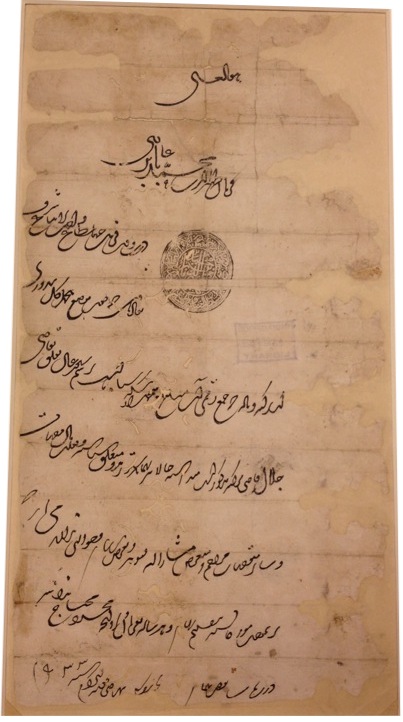 Document
Primary source
Mughal Land Grant of August 1527
Mughal emperor Babur's administration · August 1527
 Artifact
Primary source
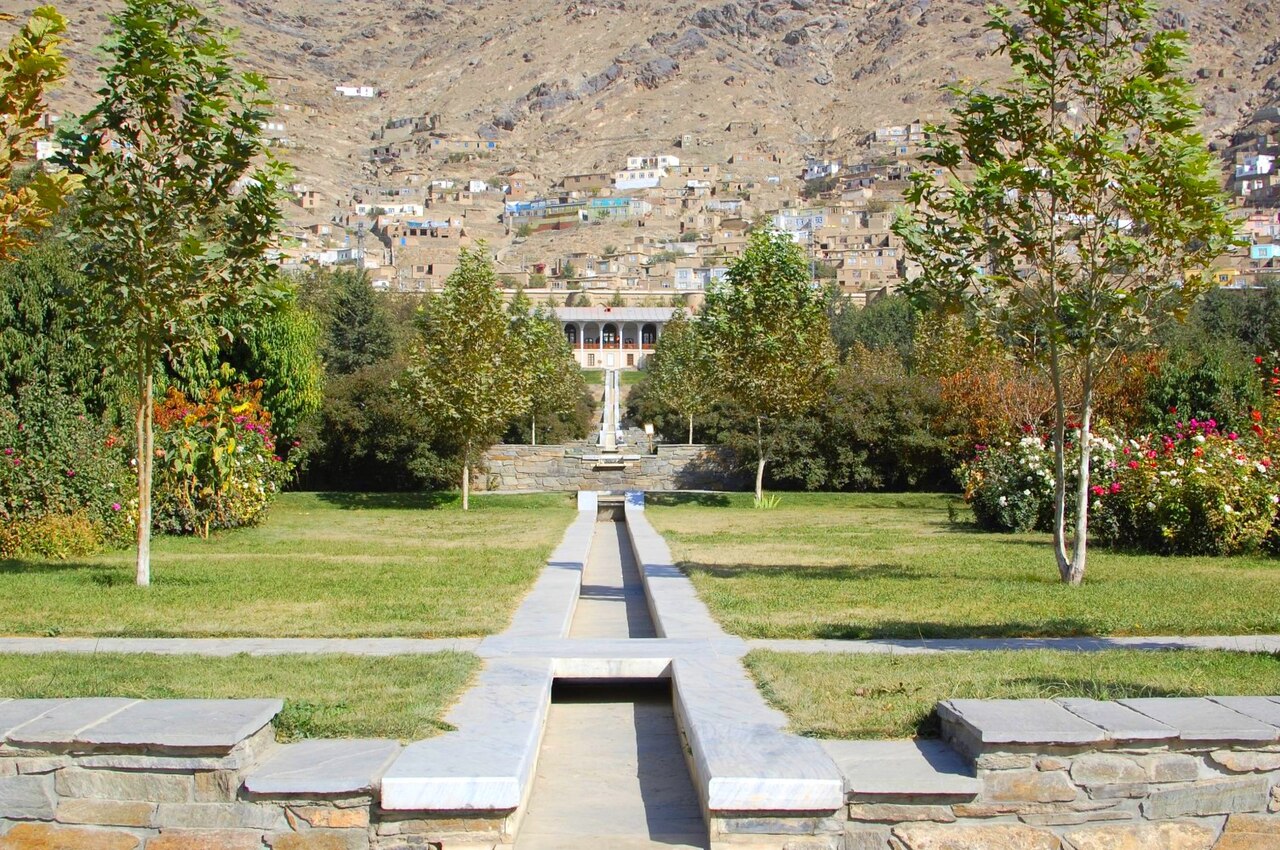
Gardens of Babur
Babur · c. 1504
 Artifact
Secondary source
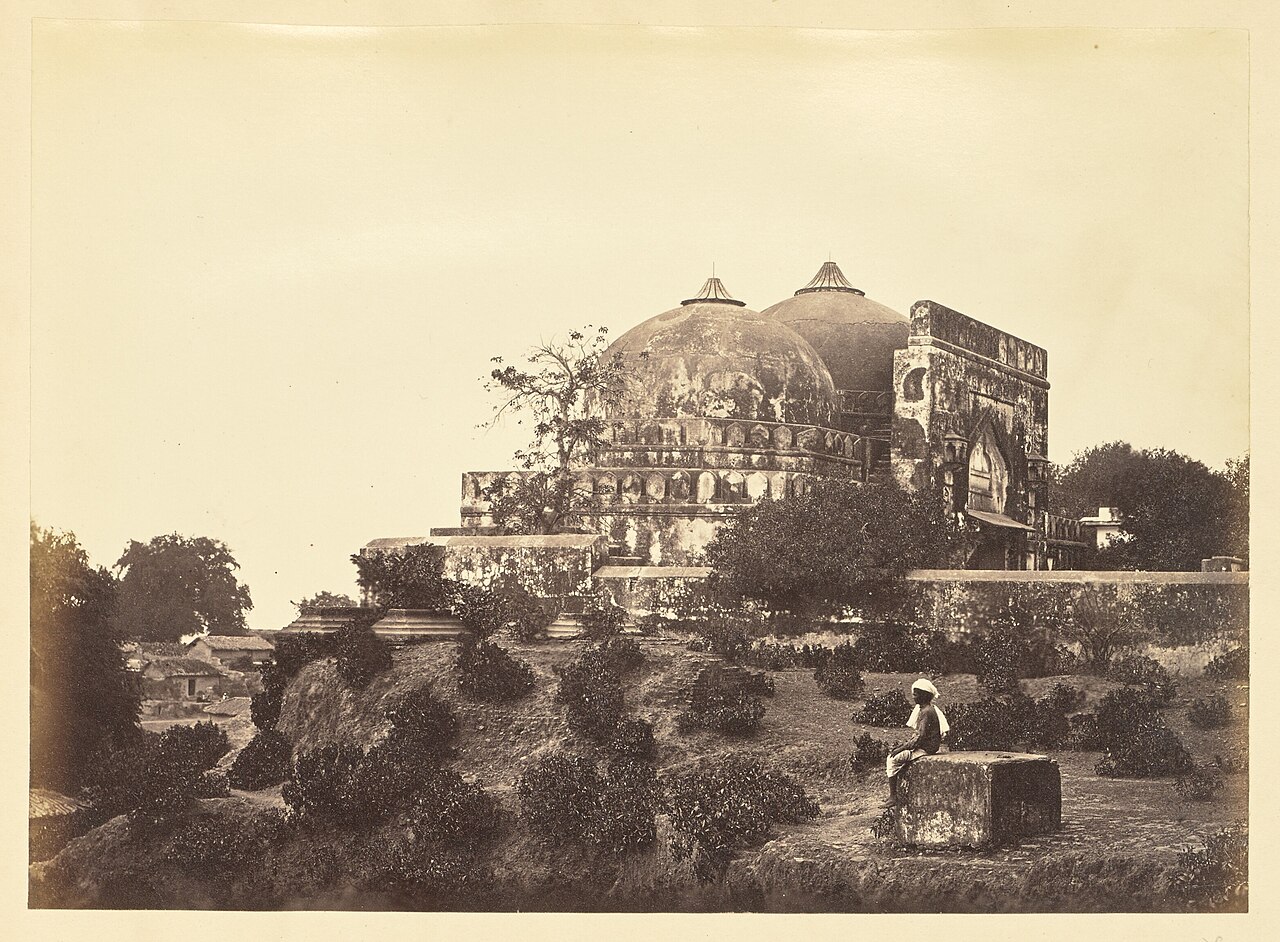
Babri Masjid
Mir Baqi · 1528/1529
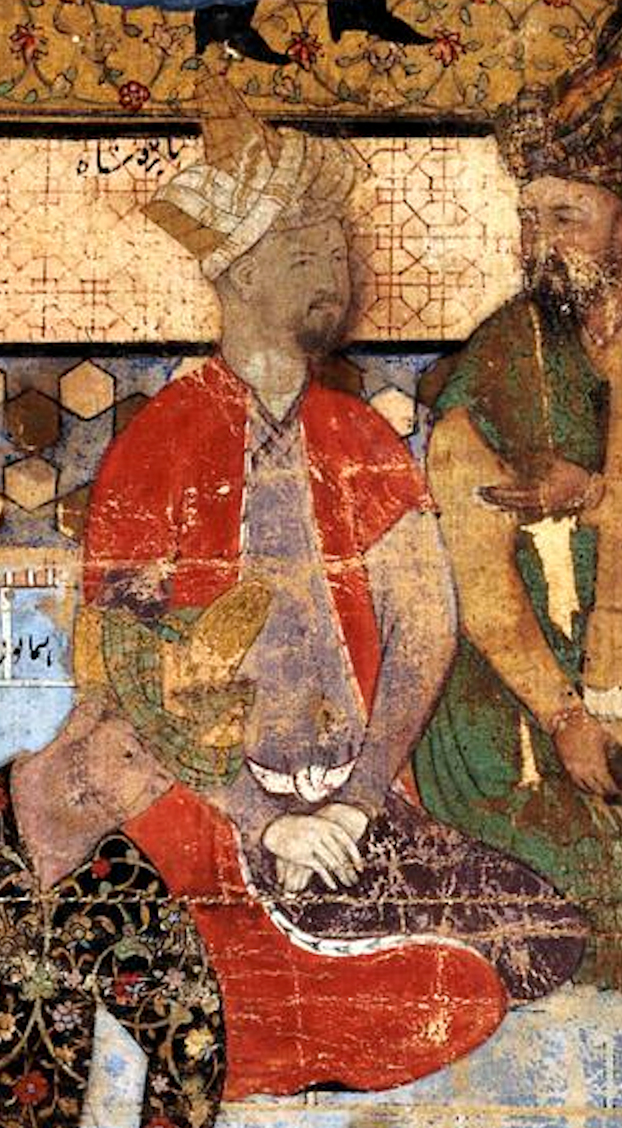 Painting
Primary source
Princes of the House of Timur
mid-16th century, later altered
Free account
Read every Babur source
Sign up free →
Ready when you are
Start chatting with Babur now.
20 messages free · No credit card · Available in 50+ languages.