


Secondary sourcePaintingc. 1562
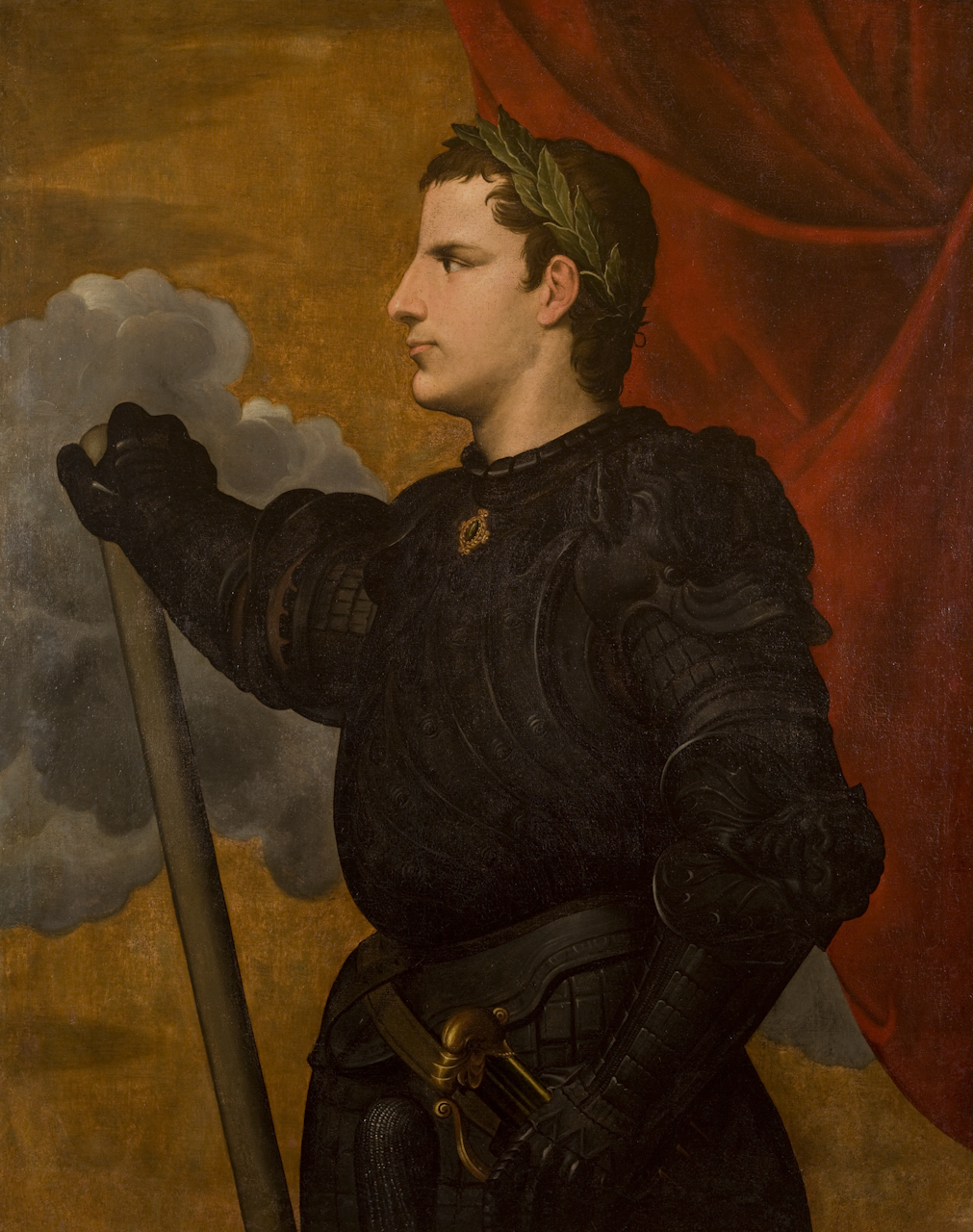
Portrait of Emperor Claudius after Titian
Bernardino Campi · c. 1562
A 16th-century painting imagining the Roman emperor Claudius in armor and laurel wreath, copied after a work by Titian.
An imagined Renaissance likeness of Claudius, created long after his death and based on another artist's portrait.
About this source
What it is
This painting by Bernardino Campi, made around 1562, shows a man in profile wearing a laurel wreath and black armor, holding a staff. It is based on a portrait by Titian and is meant to represent the emperor Claudius.
Why it matters
Because it was painted more than 1,500 years after Claudius lived, it is not based on seeing him in person. It shows how Renaissance artists like Campi and Titian imagined Roman emperors, using armor, laurel wreaths, and dramatic poses to signal power and ancient authority.
Look closer
- What details in the painting are meant to make the man look like a powerful ruler?
- Since the artist never saw Claudius, where might his idea of what Claudius looked like have come from?
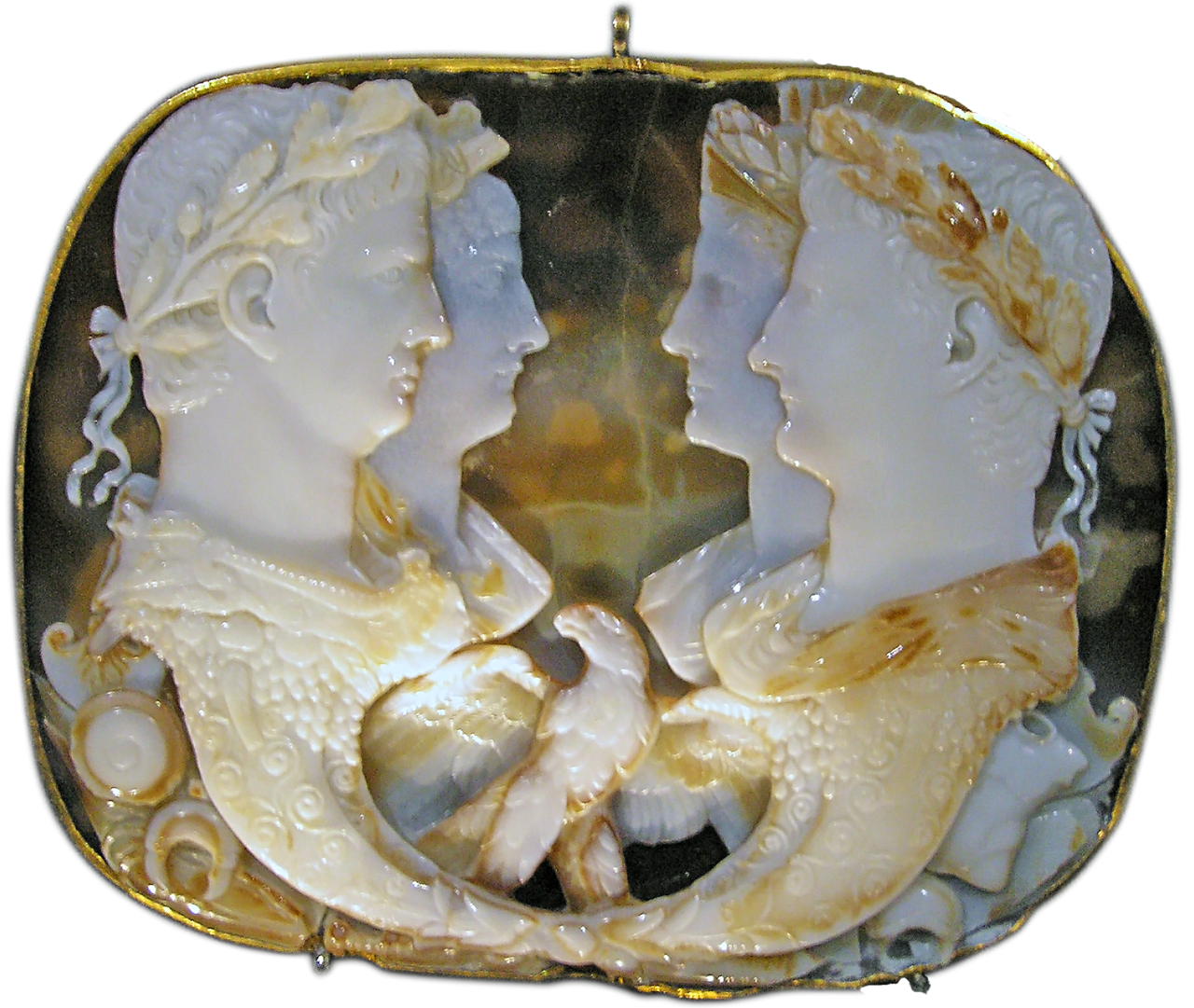
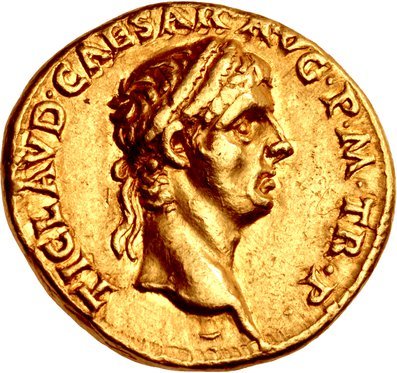
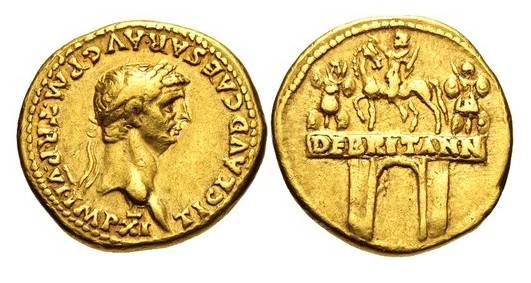
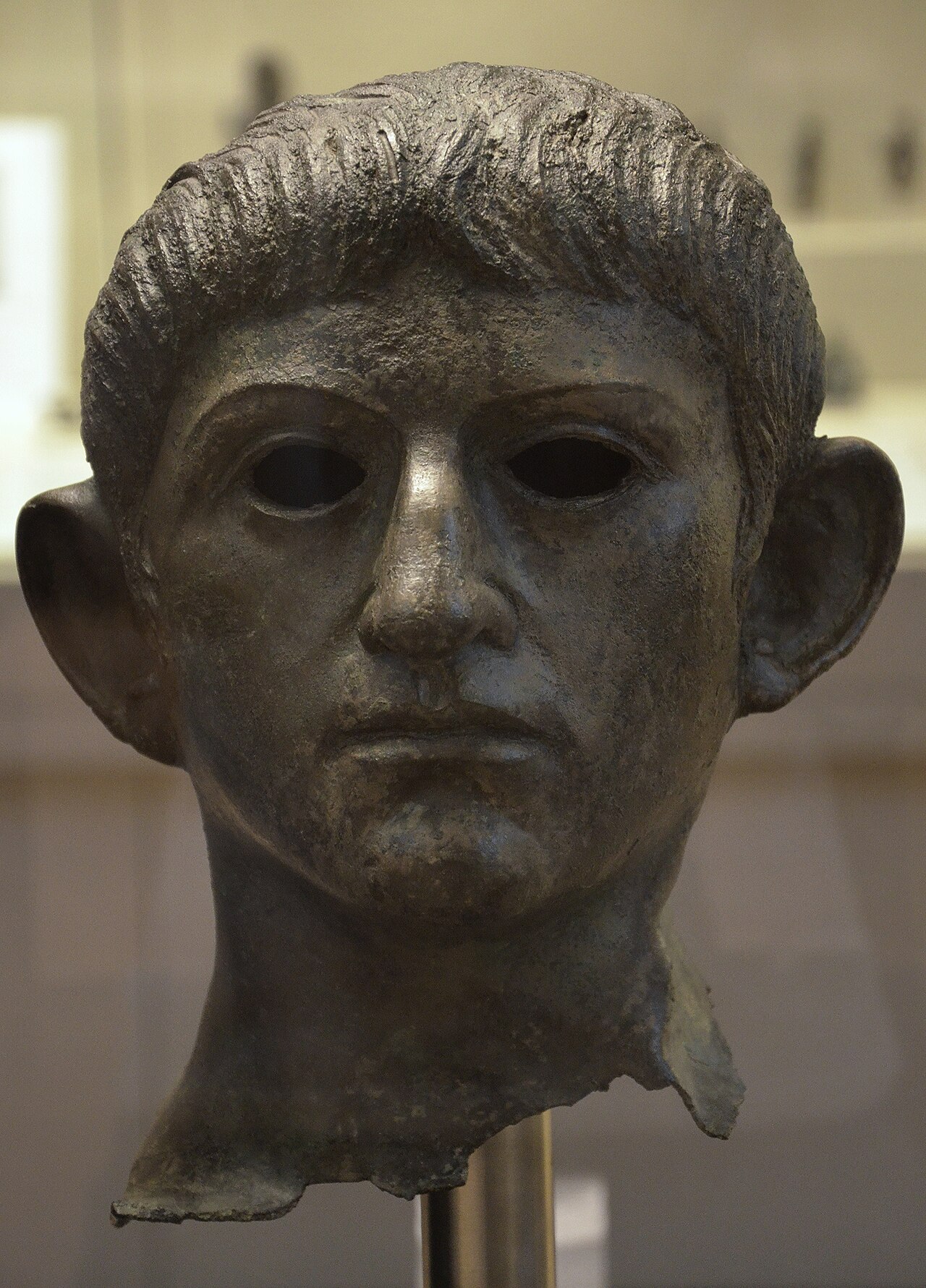
- How does this image compare with ancient Roman busts or coins of Claudius?
This painting is part of the curated material that grounds the AI version of Claudius on Humy.ai — when students ask about related events, the AI can quote it and cite it.
More Claudius sources
Browse all 87 →
Ready when you are
Start chatting with Claudius now.
20 messages free · No credit card · Available in 50+ languages.