


Secondary sourcePainting14th to 17th century
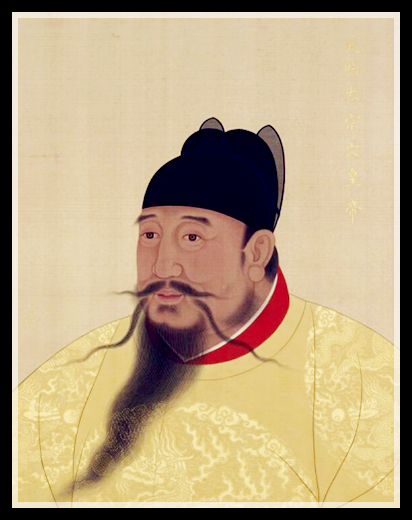
Portrait of Emperor Taizong of Ming
Palace Painter · 14th to 17th century
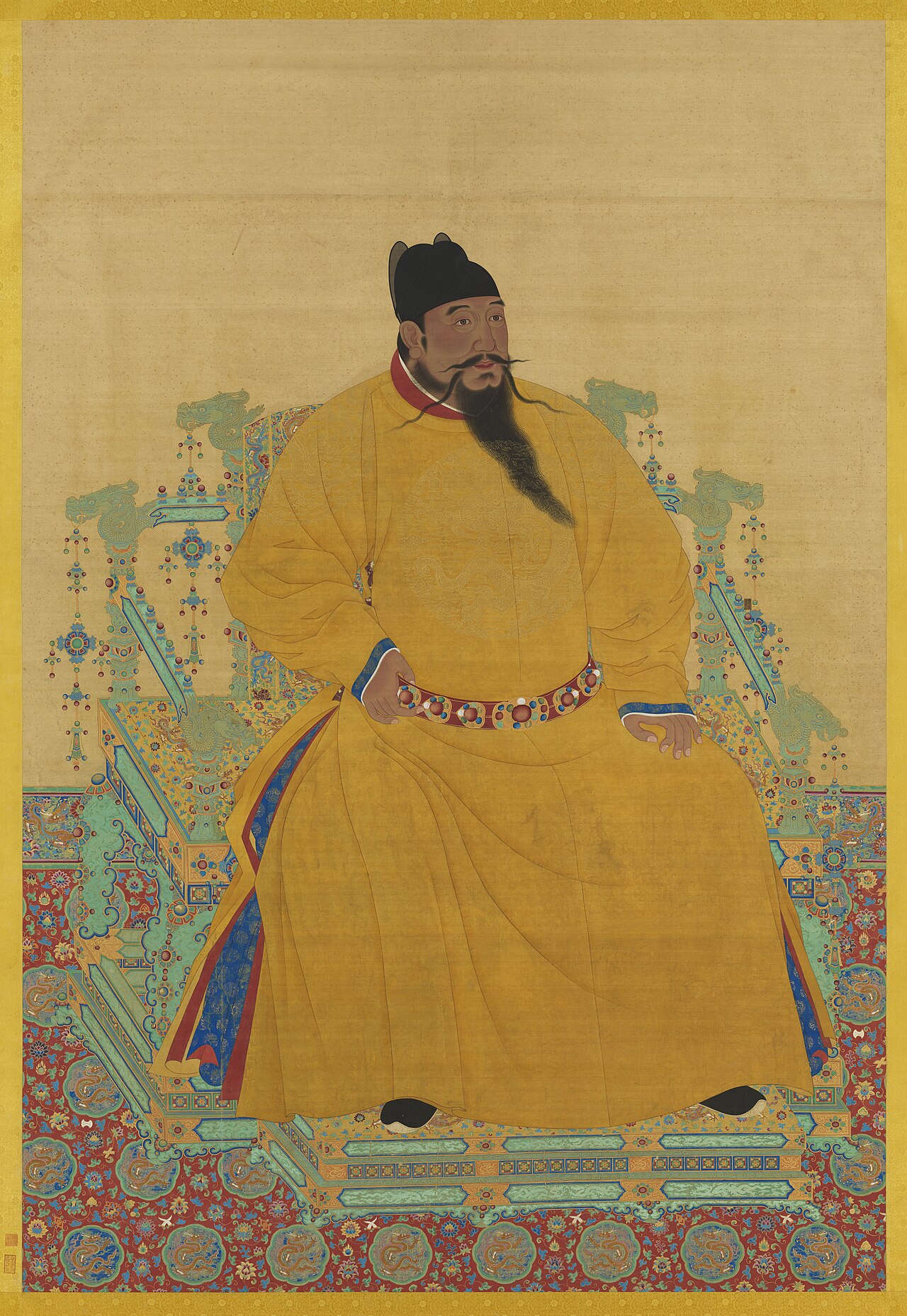
A court painting of the Yongle Emperor under his temple name Taizong, showing him in formal dragon-patterned robes.
This portrait, labelled with his temple name Taizong, shows the Yongle Emperor in formal dragon-patterned imperial robes.
About this source
What it is
This portrait, attributed to a palace painter, shows the Yongle Emperor under the temple name Taizong. It is loosely dated to somewhere between the 14th and 17th centuries, so its exact date of creation is uncertain.
Why it matters
The emperor is shown wearing robes embroidered with dragon patterns, a symbol reserved for imperial rule. Images like this, produced within or for the court, helped build and preserve the image of the emperor's authority long after his reign.
Look closer
- What does the wide date range tell us about how certain historians are of when this was painted?
- Why do dragon patterns appear so often in images of Chinese emperors?
- What does the inscription in the corner of the painting might tell us, even without being able to read it?
This painting is part of the curated material that grounds the AI version of Yongle Emperor on Humy.ai — when students ask about related events, the AI can quote it and cite it.
More Yongle Emperor sources
Meet the AI Yongle Emperor →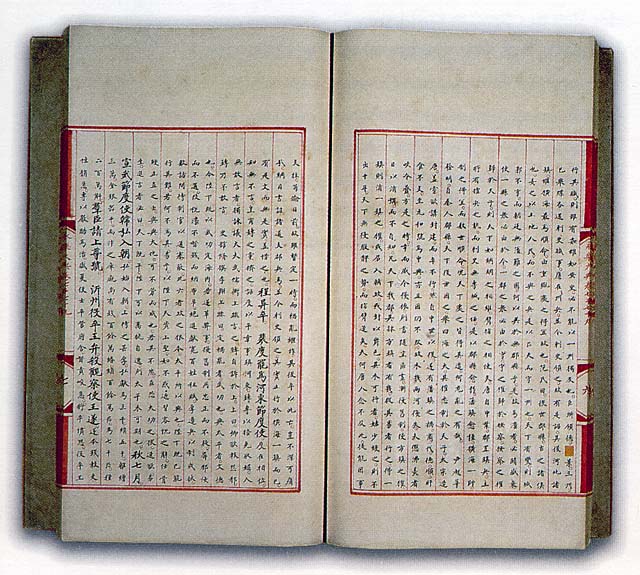
Ready when you are
Start chatting with Yongle Emperor now.
20 messages free · No credit card · Available in 50+ languages.