


Primary sourcePainting1615
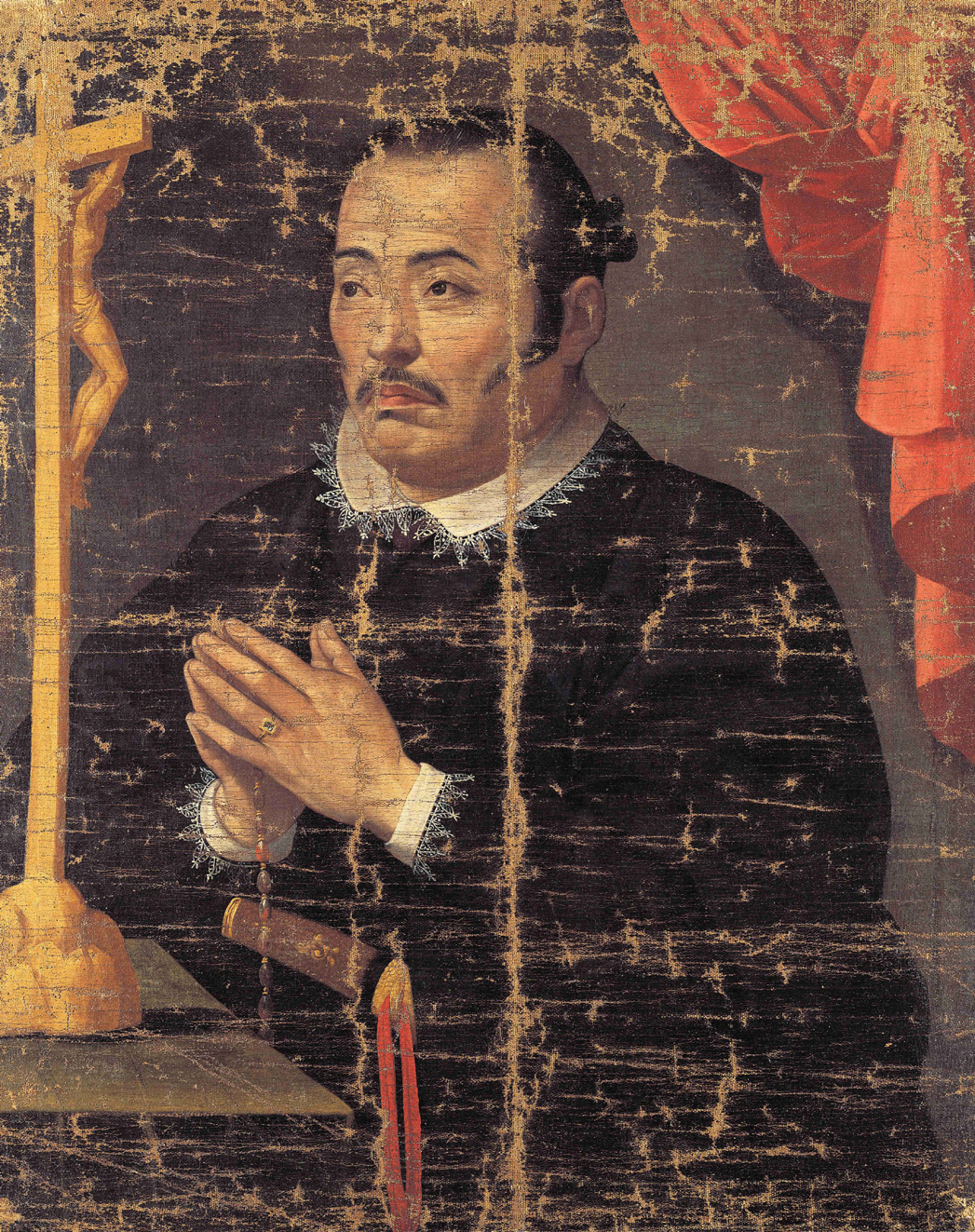
Portrait of Hasekura Tsunenaga
Archita Ricci (attributed) · 1615
A painting of the Japanese samurai envoy Hasekura Tsunenaga, who was received by Philip III in Madrid in 1615 during the Keichō embassy.
Hasekura was received by Philip III in Madrid in 1615, linking this portrait to the king's diplomatic contacts with Japan.
About this source
What it is
This is a painting, attributed to Archita Ricci, showing the Japanese envoy Hasekura Tsunenaga. It was made in 1615 and is held in the Borghese Collection in Rome.
Hasekura is shown dressed in black with a white lace collar, hands pressed together in prayer, with a golden crucifix beside him.
Why it matters
Hasekura led the Keichō embassy from Japan to Europe, travelling through Spain and Italy. He was received at the Spanish court by King Philip III in Madrid in 1615. The portrait is evidence of early contact between Japan and the courts of Catholic Europe, and of how a foreign envoy could be depicted in European religious style.
Look closer
- What does the prayer pose and the crucifix suggest about how the painter wanted viewers to see Hasekura?
- Why might a Japanese envoy's portrait have been painted by a European artist rather than a Japanese one?
- What does this painting leave out about Hasekura's own life and mission?
This painting is part of the curated material that grounds the AI version of Philip III of Spain on Humy.ai — when students ask about related events, the AI can quote it and cite it.
More Philip III of Spain sources
Browse all 92 →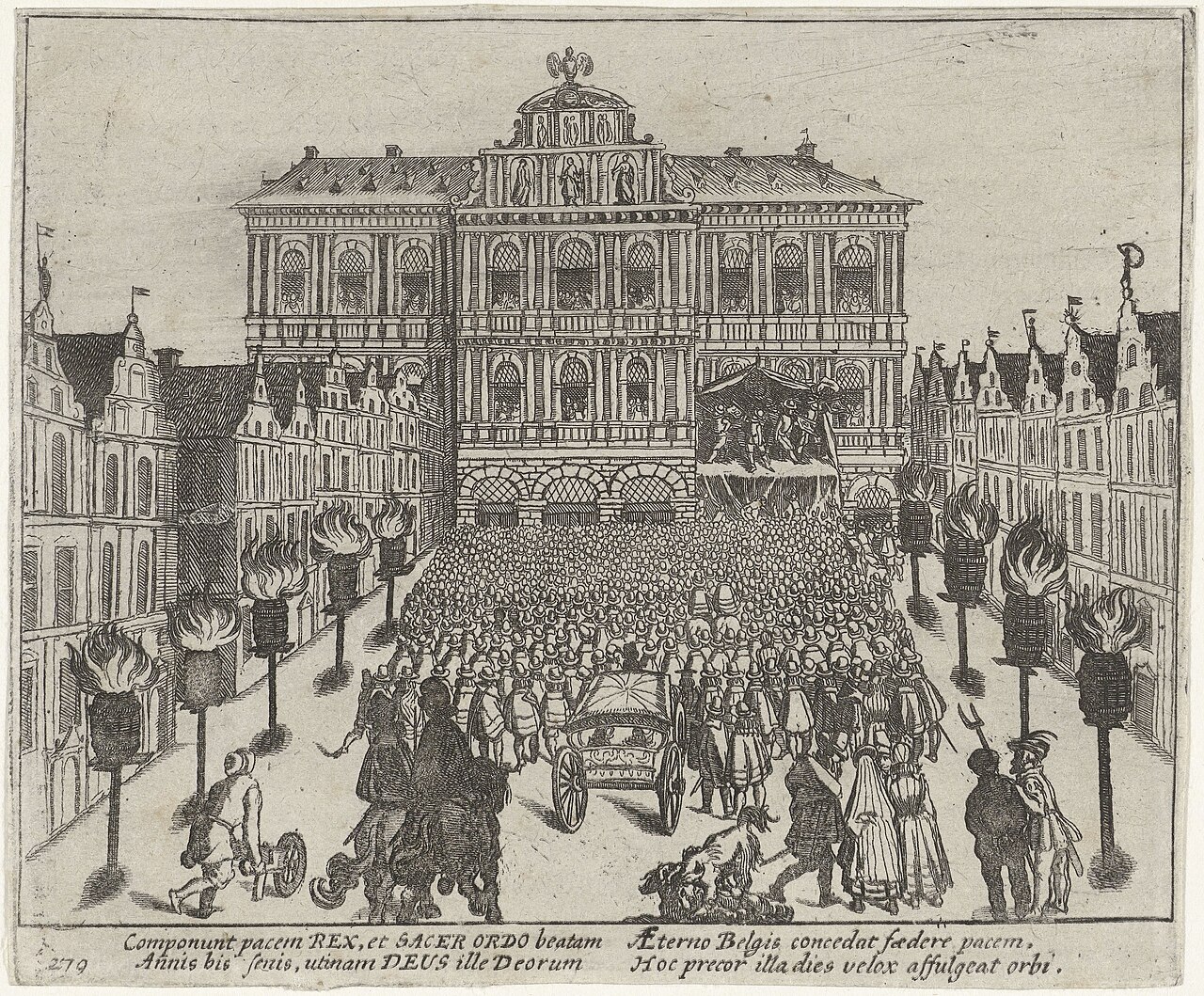 Document
Primary source
Twelve Years' Truce
1609
 Sculpture
Secondary source
Equestrian statue of Philip III of Spain, Madrid
Giambologna · 1616
 Painting
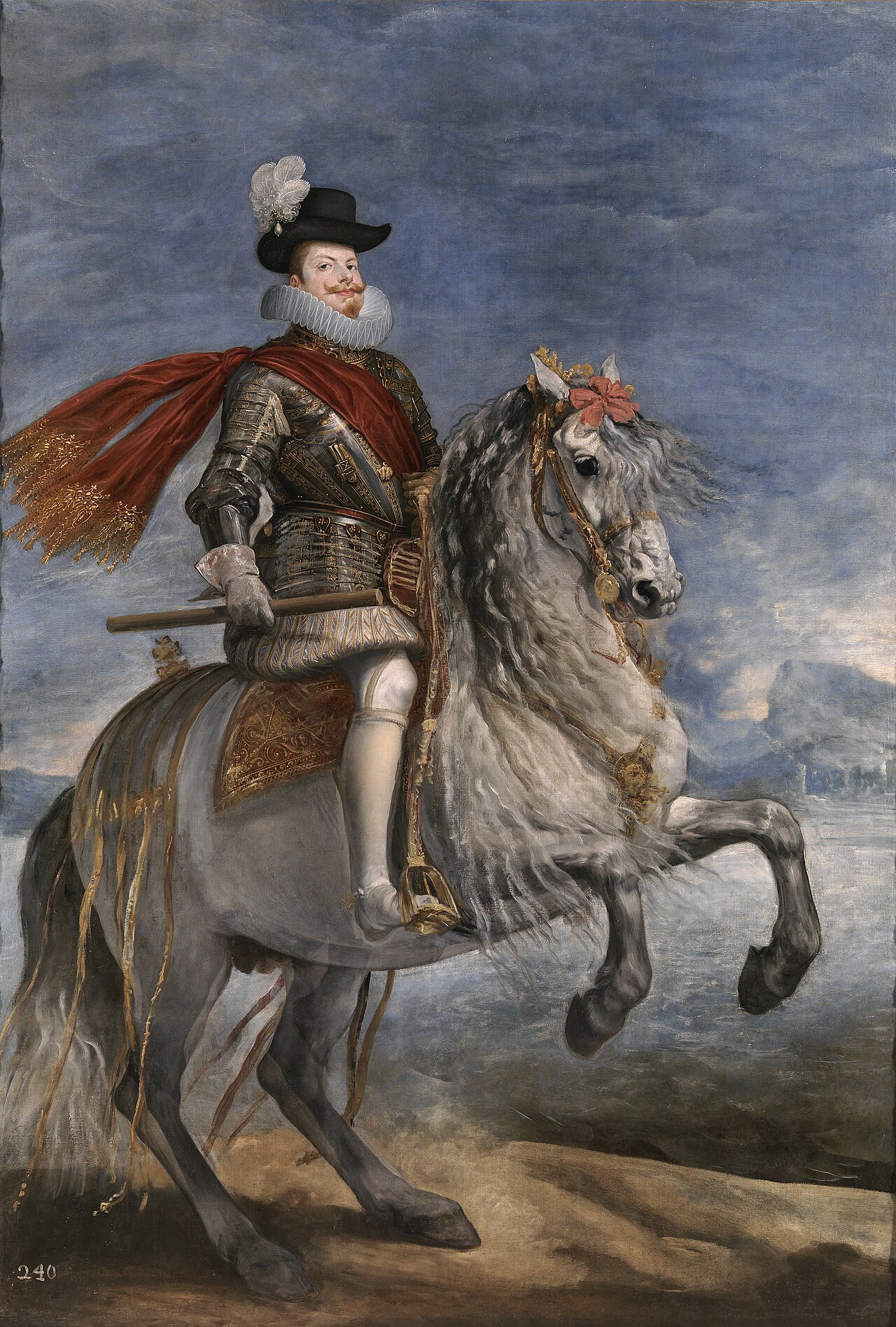
Secondary source
Equestrian Portrait of Philip III
Diego Velázquez · 1634/35
 Painting
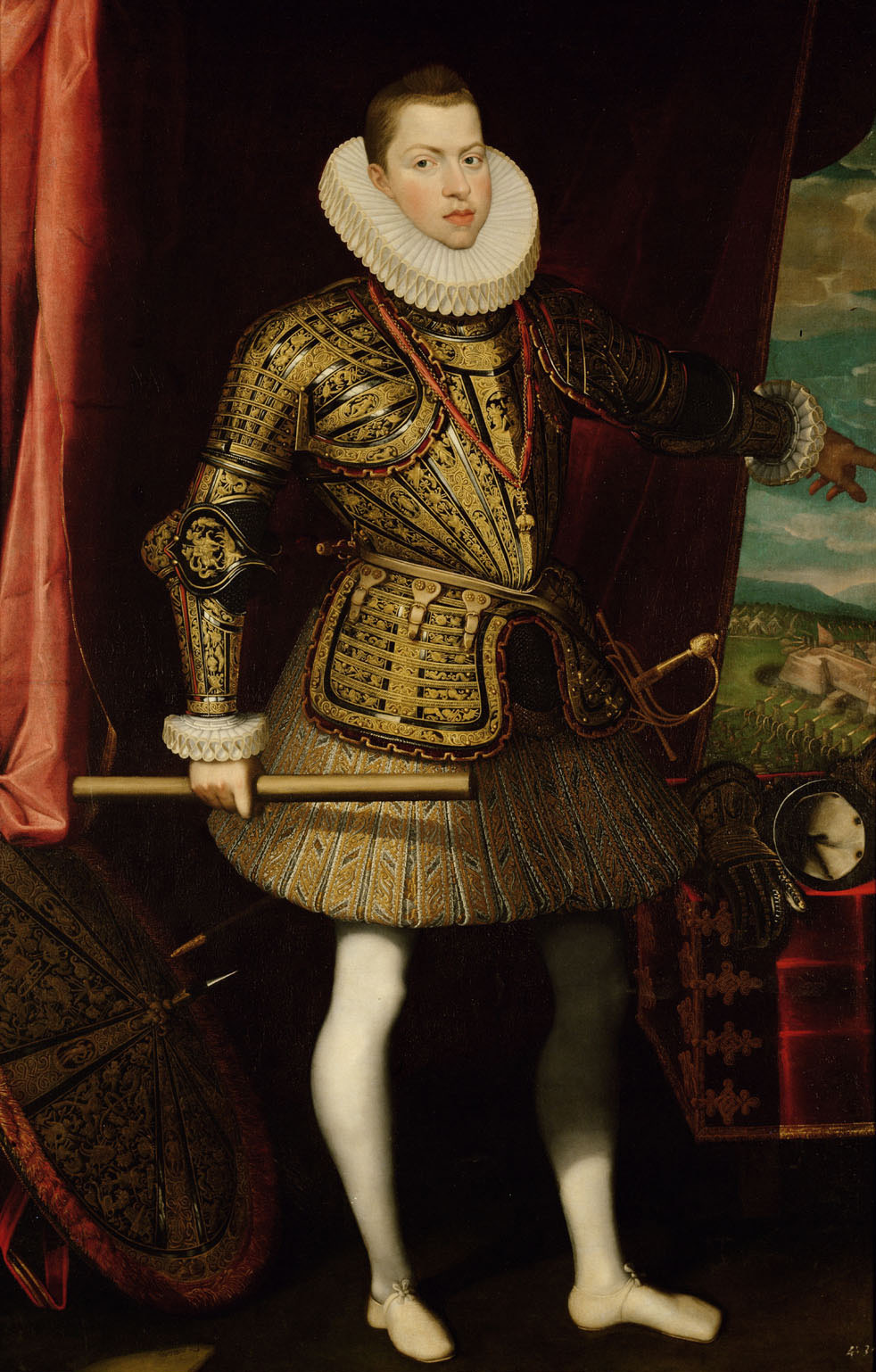
Primary source
King Philip III of Spain as General of the Infantry
Juan Pantoja de la Cruz · 1601
Free account
Read every Philip III of Spain source
Sign up free →
Ready when you are
Start chatting with Philip III of Spain now.
20 messages free · No credit card · Available in 50+ languages.