


Secondary sourcePainting1791
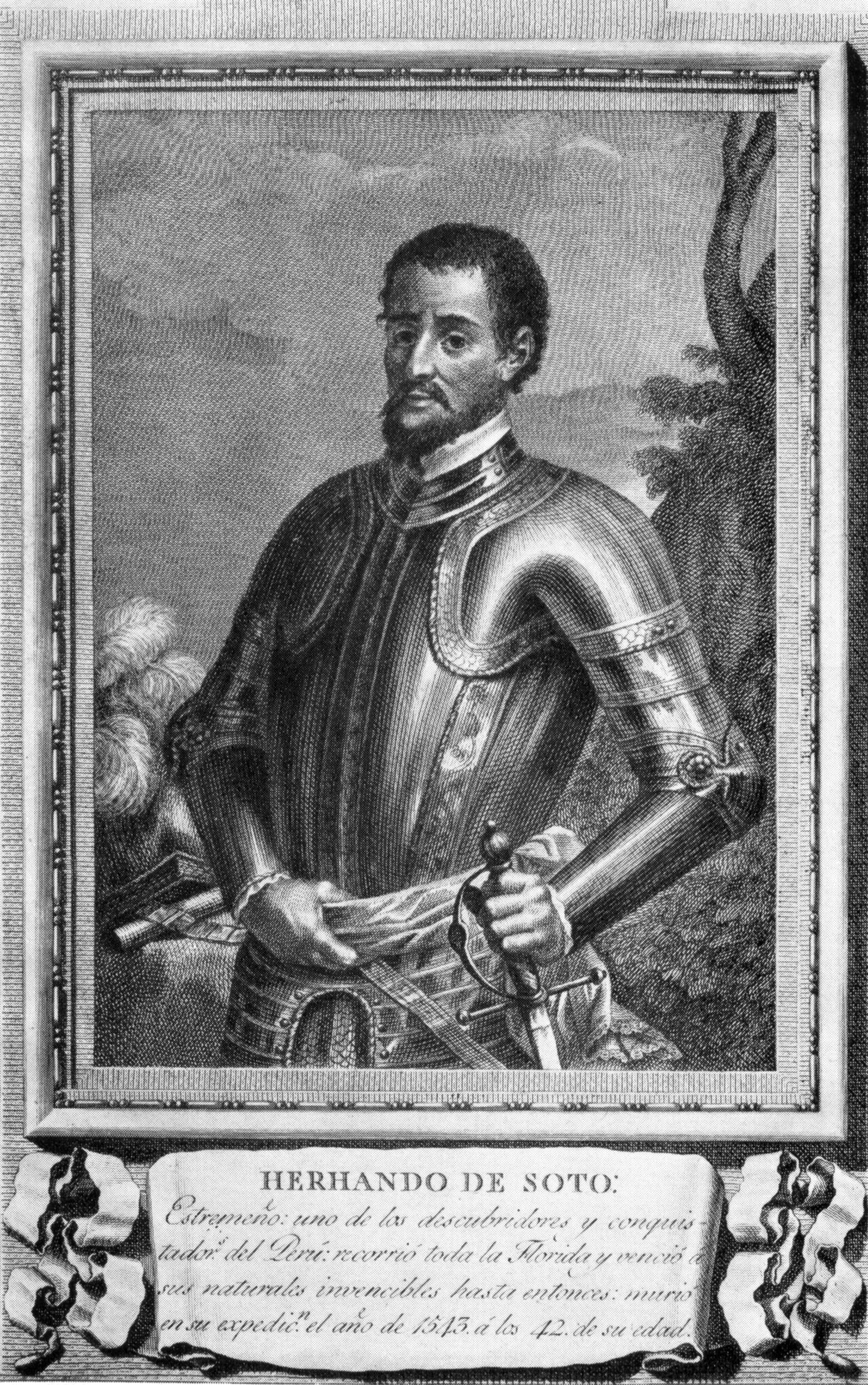
Portrait of Hernando de Soto (1791 Engraving)
Juan Brunetti (engraver), José Maea (artist) · 1791
An 18th-century engraved portrait of de Soto, the basis for nearly all later images of him, though no likeness survives from his lifetime.
This imagined 1791 portrait of de Soto became the standard image used for nearly all later depictions of him.
About this source
What it is
This engraving by Juan Brunetti, after a drawing by José Maea, was published in 1791 in Retratos de los Españoles ilustres, a Spanish book of portraits of notable Spaniards. It shows a bearded man in armor with a sword, labeled Hernando de Soto.
Why it matters
No portrait of de Soto was made during his own lifetime, so this 18th-century image is an imagined likeness, created over two centuries after his death. It became the model for almost every later picture of him, shaping how generations have imagined the conquistador who explored Florida and fought Native peoples there.
Look closer
- Why might artists centuries later feel free to invent a face for de Soto?
- What does the armor and sword suggest the artist wanted viewers to think about him?
- How does the caption describe de Soto's actions, and whose point of view does it reflect?
This painting is part of the curated material that grounds the AI version of Hernando de Soto on Humy.ai — when students ask about related events, the AI can quote it and cite it.
More Hernando de Soto sources
Meet the AI Hernando de Soto →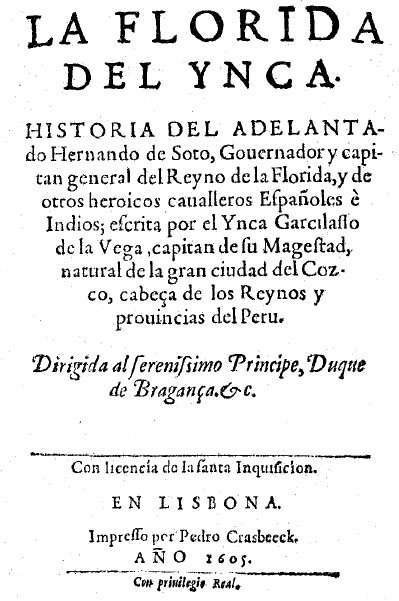 Book
Secondary source
La Florida del Inca
Inca Garcilaso de la Vega · 1605
 Book
Primary source
Verdadera relación de la conquista del Perú
Francisco de Jerez · 1534 (this edition 1891)
 Painting
Secondary source
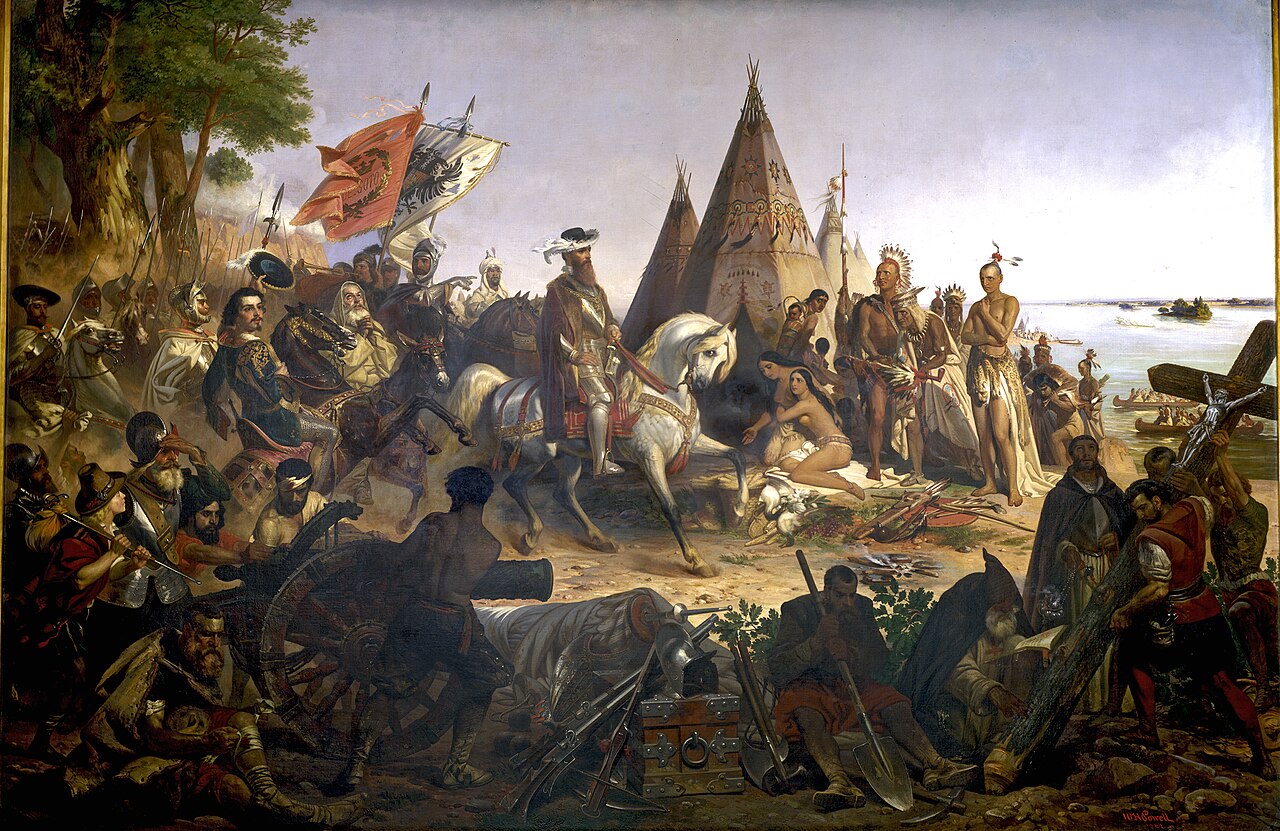
Discovery of the Mississippi by De Soto
William Henry Powell · 1847
 Artifact
Primary source
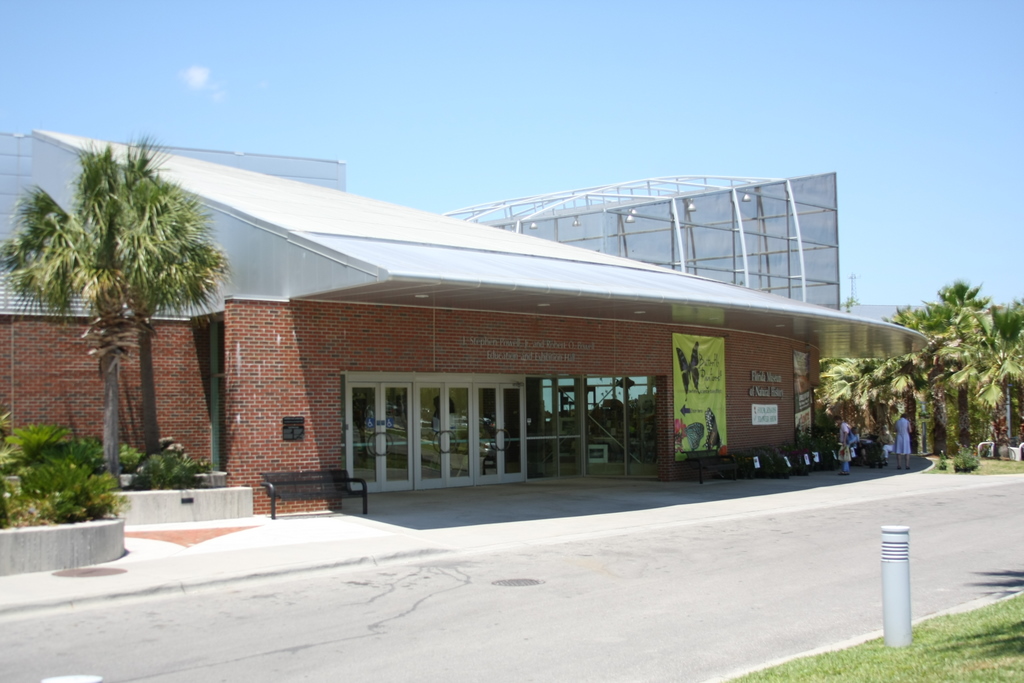
Florida Museum of Natural History
 Book
Primary source
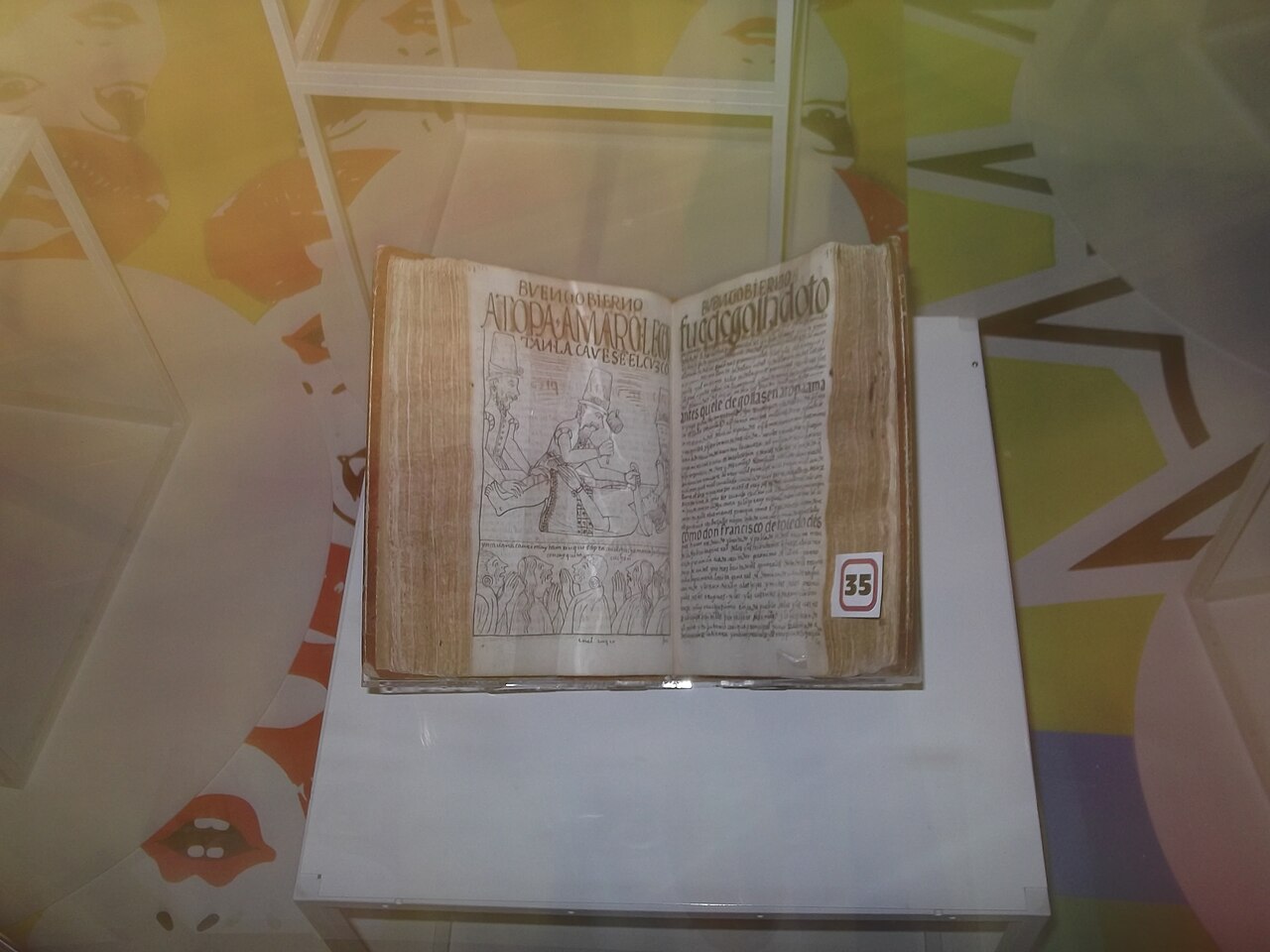
El primer nueva corónica y buen gobierno
Felipe Guaman Poma de Ayala · c. 1615
Ready when you are
Start chatting with Hernando de Soto now.
20 messages free · No credit card · Available in 50+ languages.