


Secondary sourcePainting1844
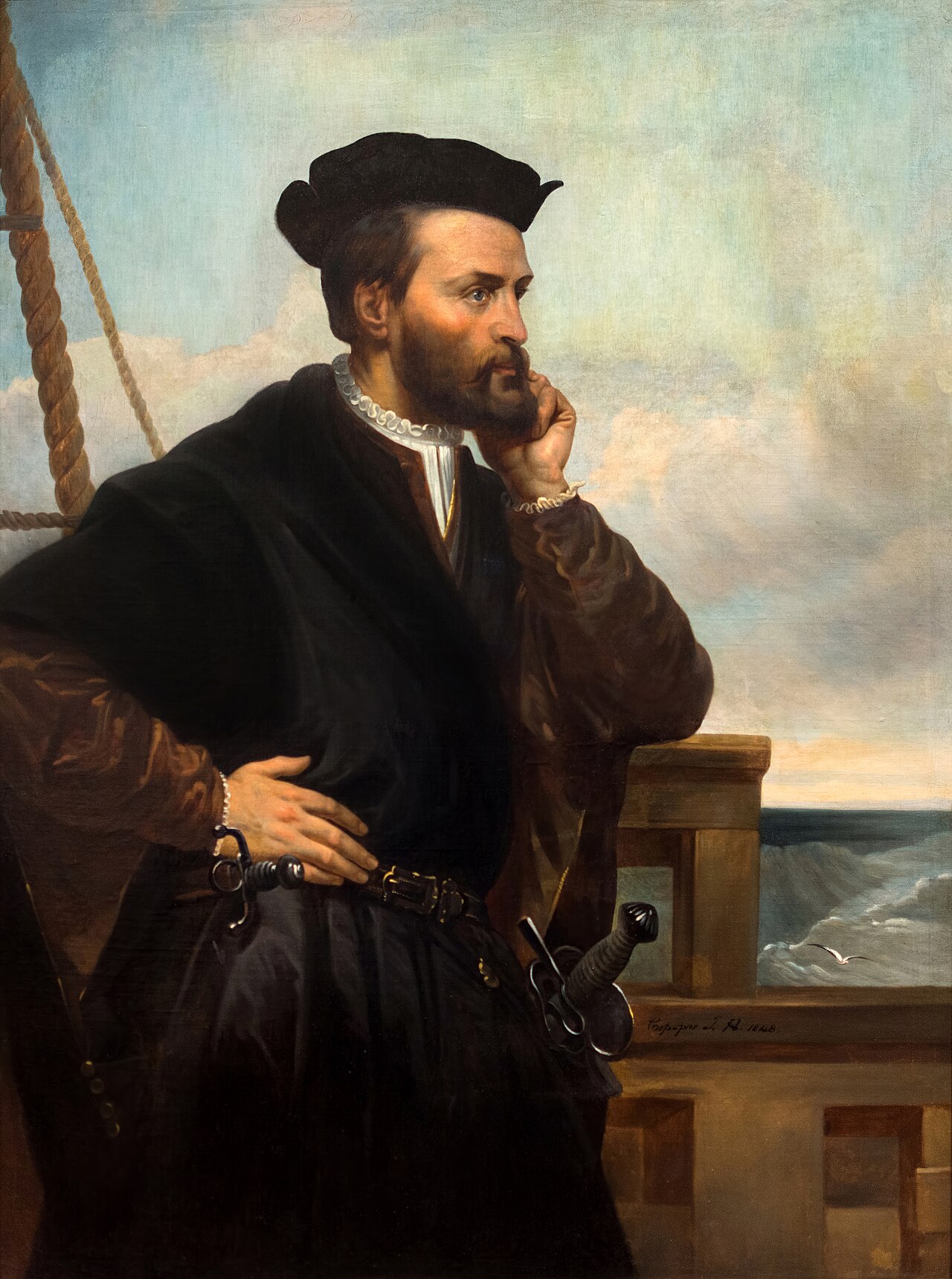
Portrait of Jacques Cartier
Théophile Hamel · 1844
A 19th-century imagined portrait of Jacques Cartier, since no image of him from his lifetime survives, and the basis for the explorer's familiar modern image.
This imagined 19th-century likeness, not made in Cartier's lifetime, became the standard image used to depict him.
About this source
What it is
This painting shows a bearded man in a black cap and dark cloak, with a sword at his belt, set against ship rigging and a rough sea. It was painted by Théophile Hamel, based on an earlier imagined likeness by François Riss. No portrait of Jacques Cartier made during his own lifetime survives.
Why it matters
Because no real likeness of Cartier exists, this painting became the standard image used to represent him in later centuries. It reveals how explorers can be remembered and mythologized through imagined images created long after their deaths, shaping how later generations picture historical figures.
Look closer
- Why might artists create an imagined portrait of someone when no real likeness exists?
- What details in the painting (clothing, sword, sea, ship) seem designed to suggest Cartier's identity as an explorer?
- How might this invented image affect the way people think about Cartier today?
This painting is part of the curated material that grounds the AI version of Jacques Cartier on Humy.ai — when students ask about related events, the AI can quote it and cite it.
More Jacques Cartier sources
Browse all 88 →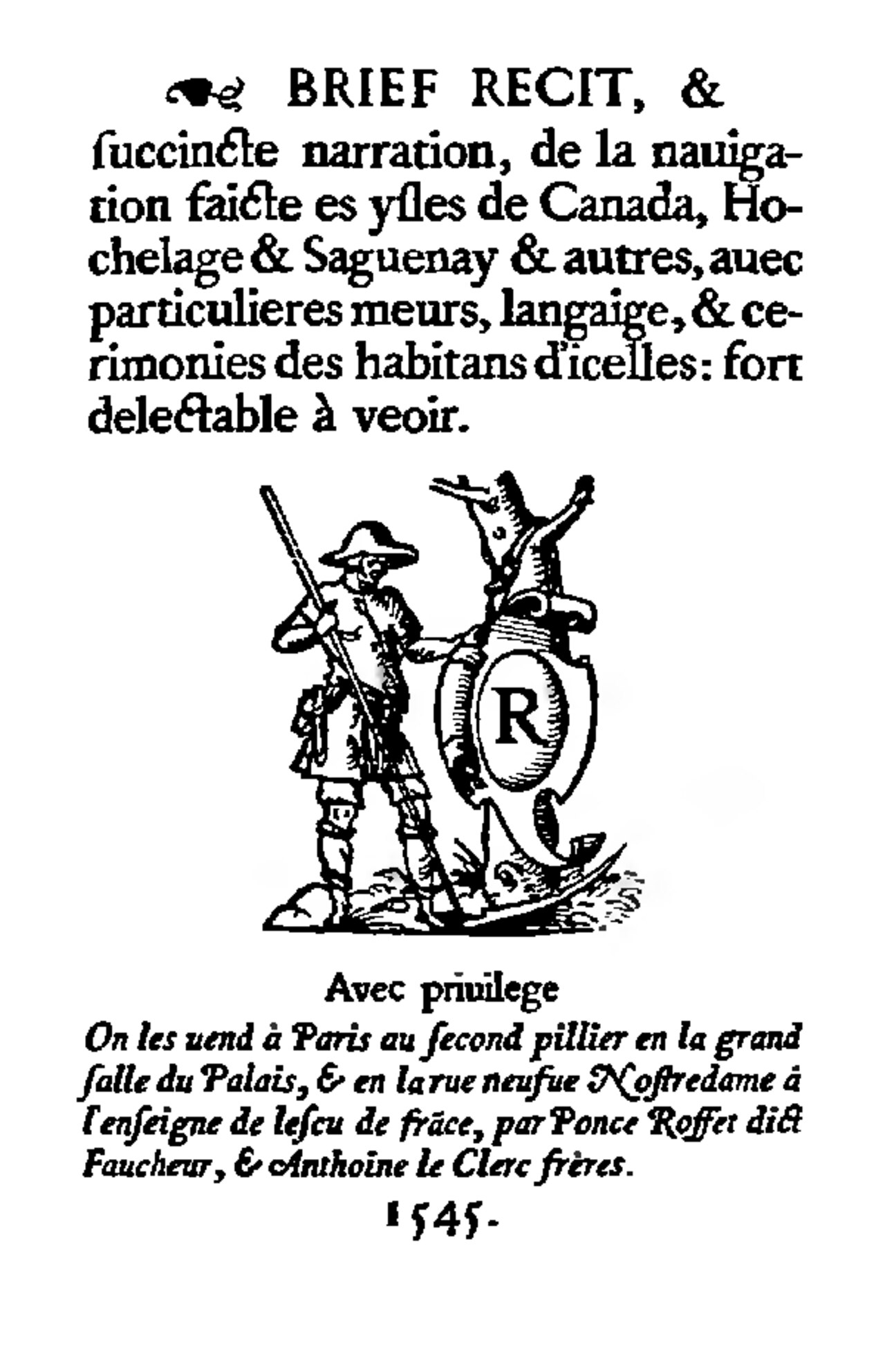 Book
Primary source
Brief recit de la navigation faicte es ysles de Canada
Jacques Cartier · 1545
 Document
Secondary source
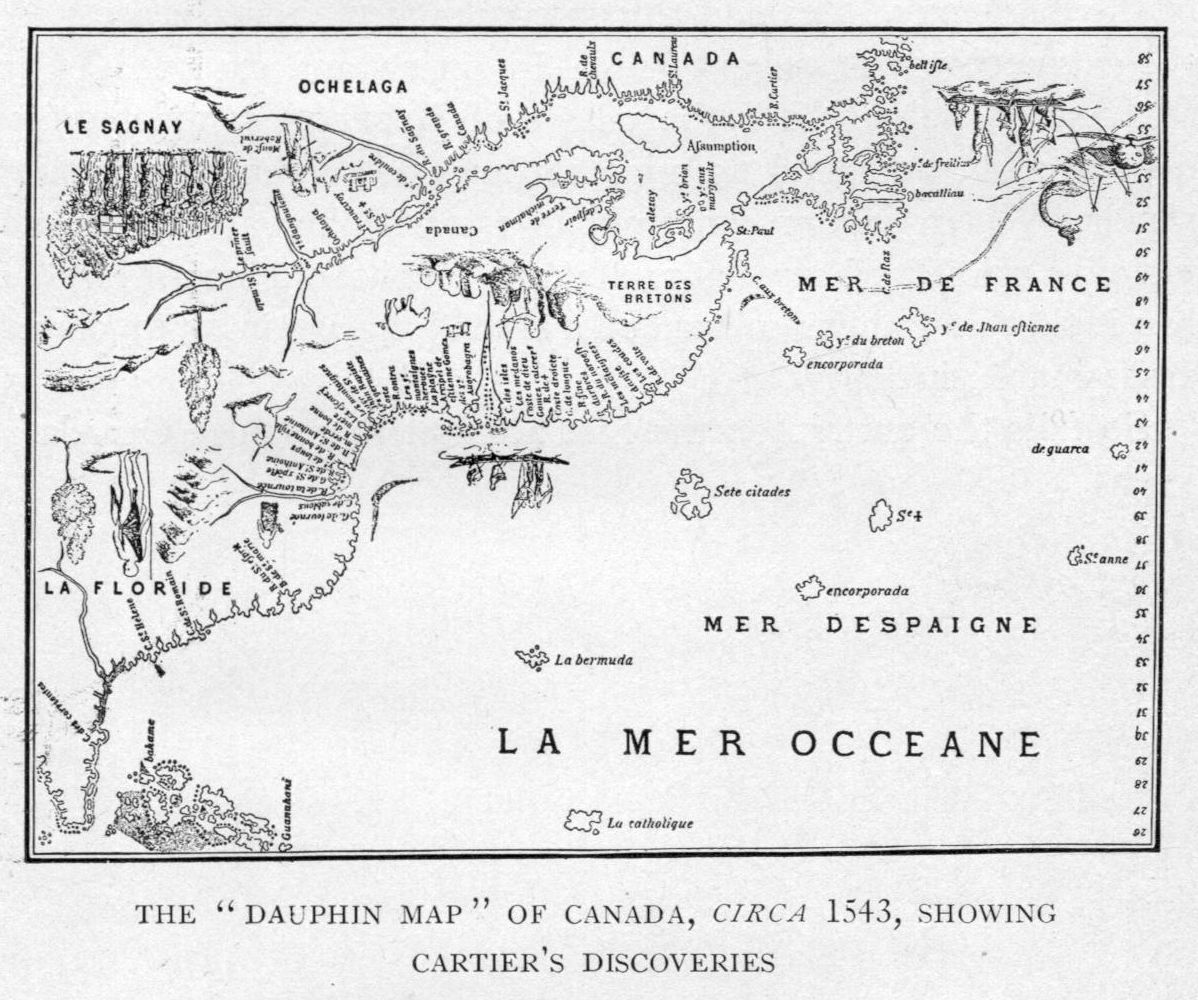
Dauphin Map of Canada
c. 1543
 Document
Primary source
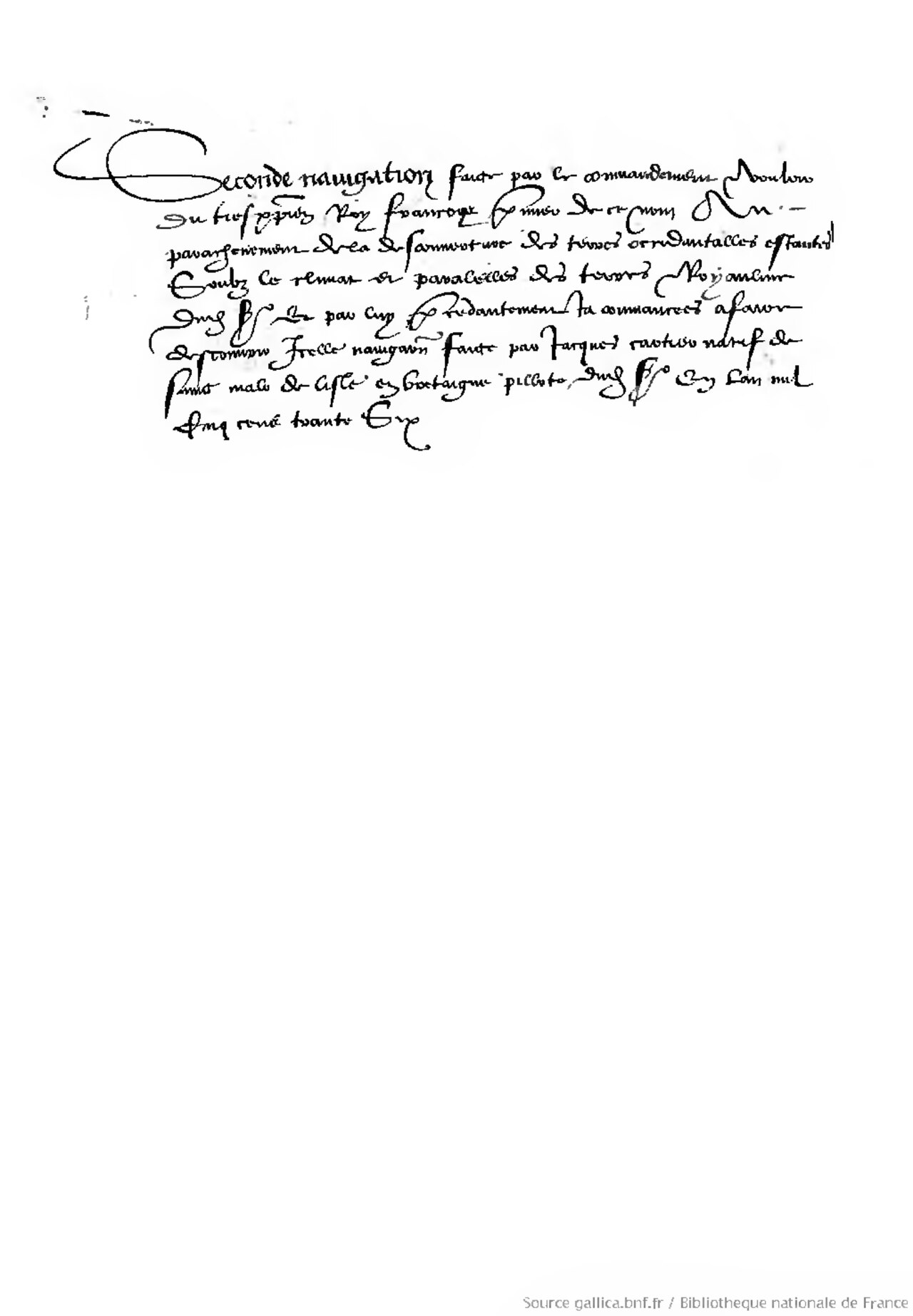
Seconde Navigation
Jacques Cartier · 1535-1536
 Document
Primary source
Signature of Jacques Cartier
Jacques Cartier
Free account
Read every Jacques Cartier source
Sign up free →
Ready when you are
Start chatting with Jacques Cartier now.
20 messages free · No credit card · Available in 50+ languages.