


Primary sourcePaintingDuring the reign of Shah Jahan (1628-1658)
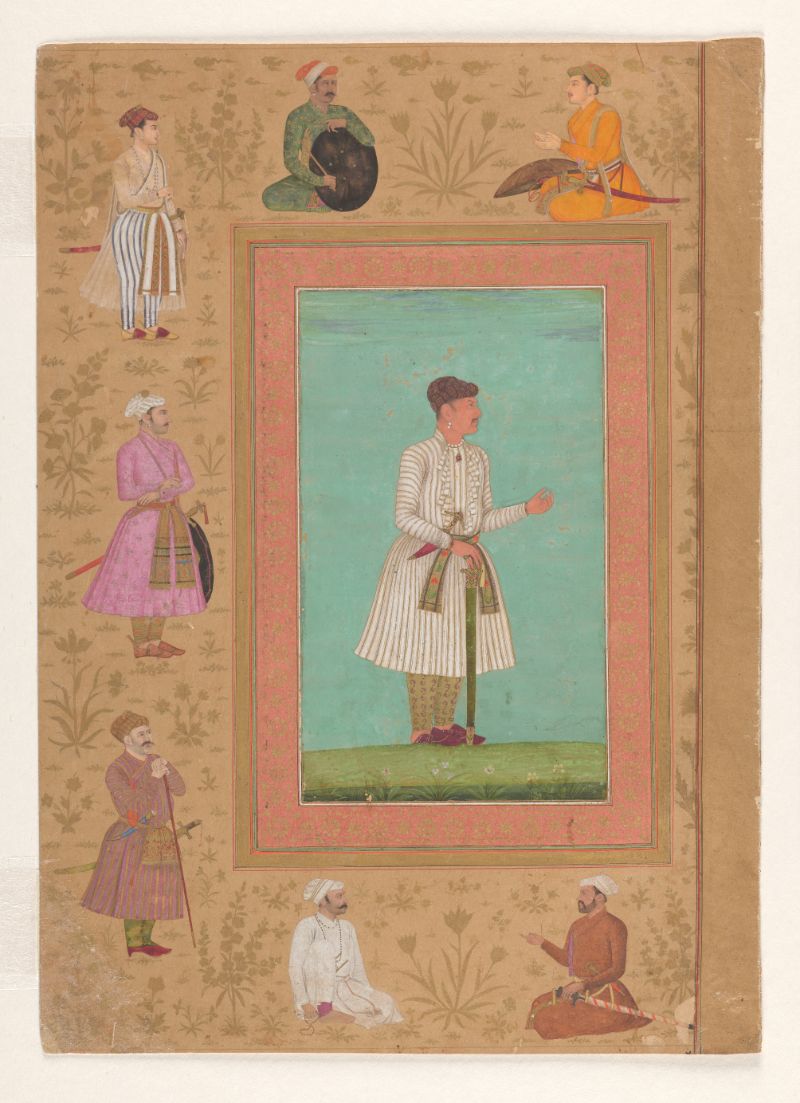
Portrait of Mahabat Khan with Calligraphy, from the Late Shah Jahan Album
During the reign of Shah Jahan (1628-1658)
An album leaf with a full-length portrait of the statesman Mahabat Khan, made for Shah Jahan's album, with calligraphy by Mir Ali on the reverse.
Shows a court album portrait Shah Jahan commissioned of a senior statesman, Mahabat Khan.
About this source
What it is
This is a folio from the Late Shah Jahan Album, held by the Chester Beatty Library. The recto is a Mughal miniature showing a standing man in a white striped robe and sash, with a jeweled pendant and a green-hilted sword. He stands on a turquoise background above green grass. Smaller figures in the corner and side borders include musicians and standing courtiers. The verso has Persian calligraphy by Mir Ali. The museum record identifies the sitter as Mahabat Khan, who died in 1634.
Why it matters
Mahabat Khan was the son of a nobleman from Shiraz who became an important statesman under Jahangir and Shah Jahan. In 1624 he was made Khankhanan, the highest military rank. The record notes that Mughal emperors ordered full-length profile portraits of senior court figures and gathered them in albums. This folio shows how the court used such albums to record its leading men, and how one statesman's career was linked to two emperors.
Look closer
- Why might an emperor want a portrait of a senior officer placed in an album?
- How do the clothing, sword and jewelry show the sitter's rank or wealth?
- The sitter died in 1634, but the album was made during Shah Jahan's reign. What does that tell you about how the album was used?
This painting is part of the curated material that grounds the AI version of Shah Jahan on Humy.ai — when students ask about related events, the AI can quote it and cite it.
More Shah Jahan sources
Browse all 99 →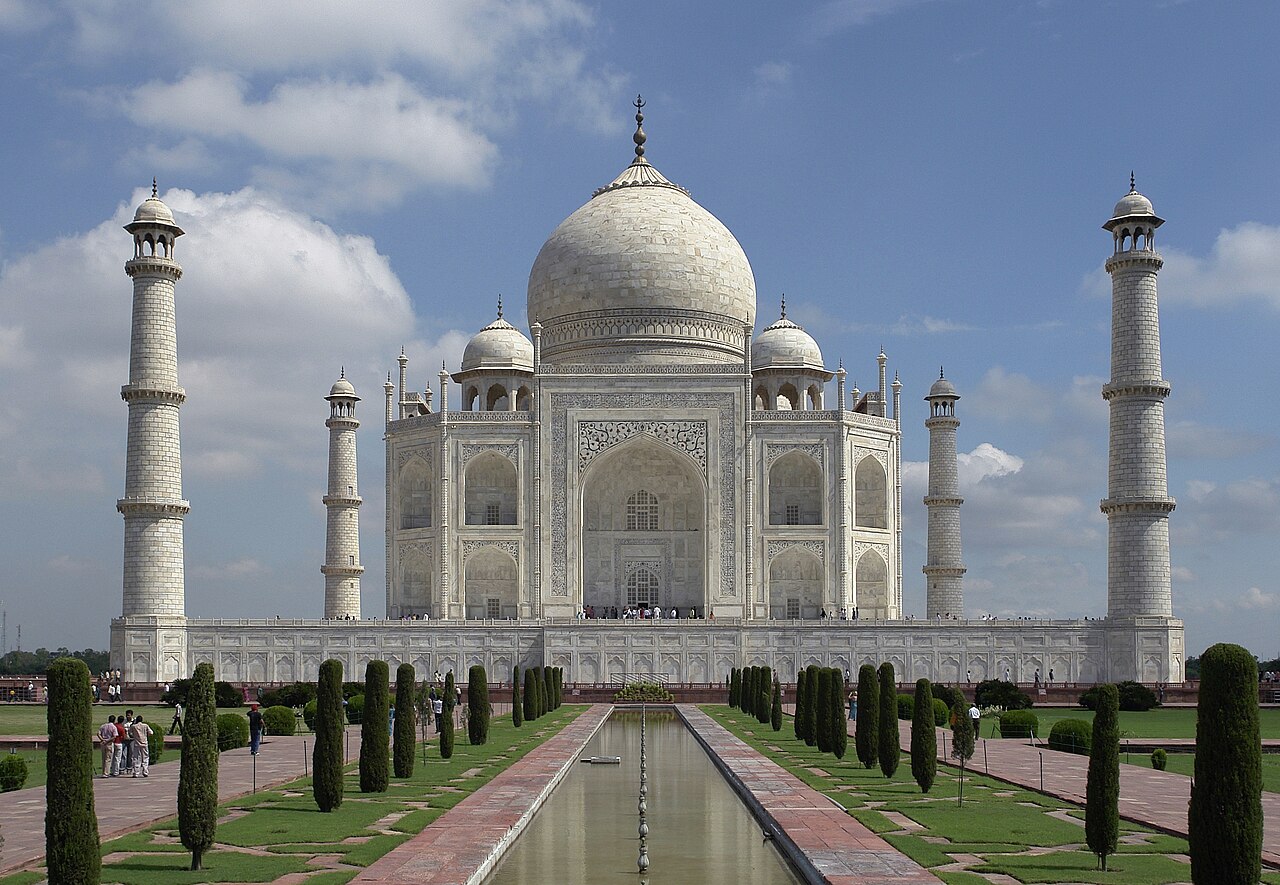 Artifact
Primary source
Taj Mahal
Ustad Ahmad Lahori · 1631-1653
 Book
Primary source
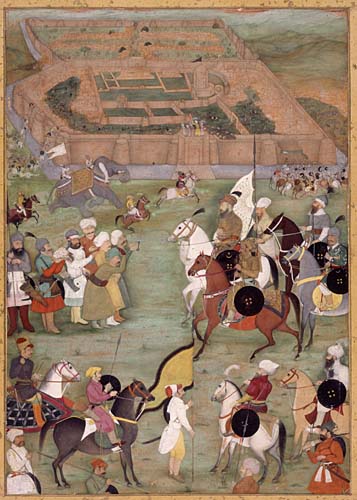
Padshahnama
Abdul Hamid Lahori · 1630-1657
 Artifact
Primary source
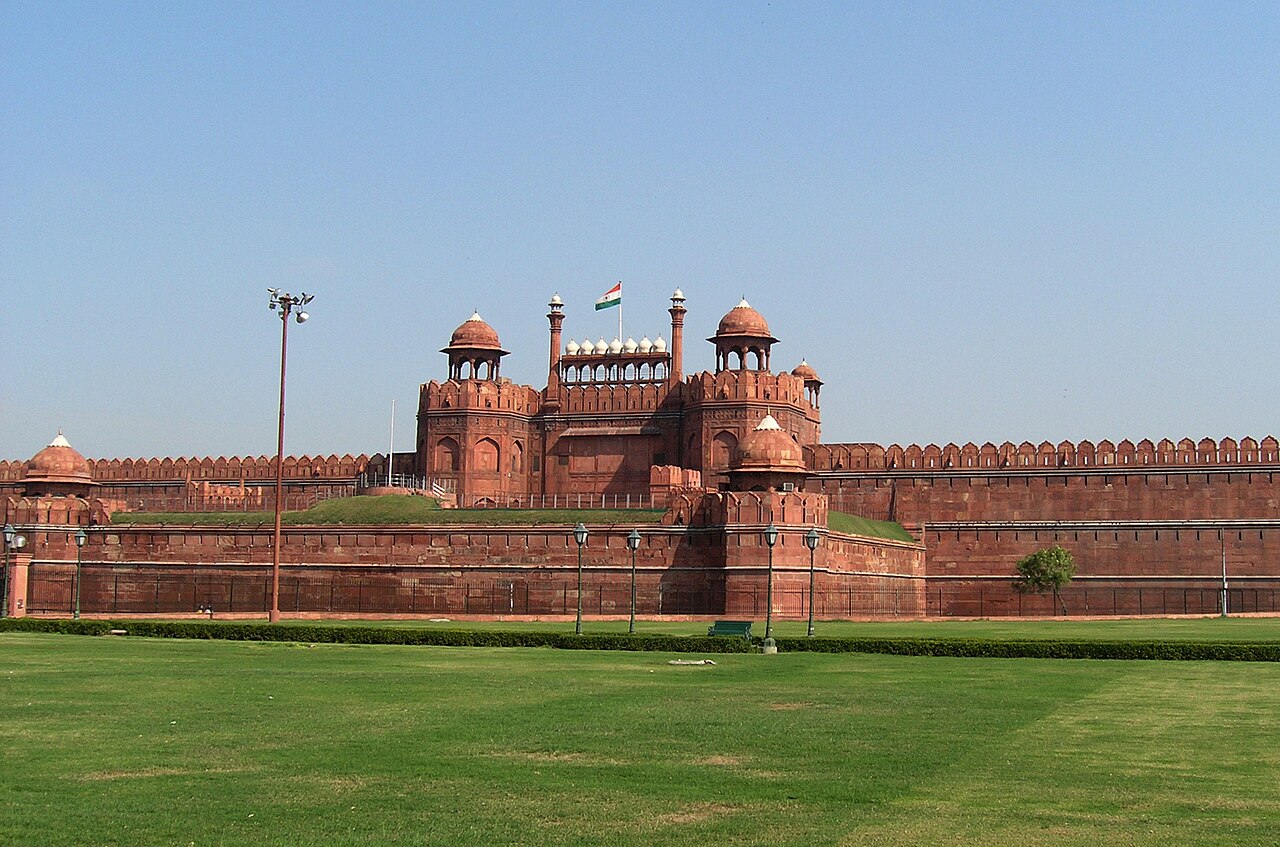
Red Fort
Ustad Ahmad Lahori · 1638-1648
 Painting
Primary source
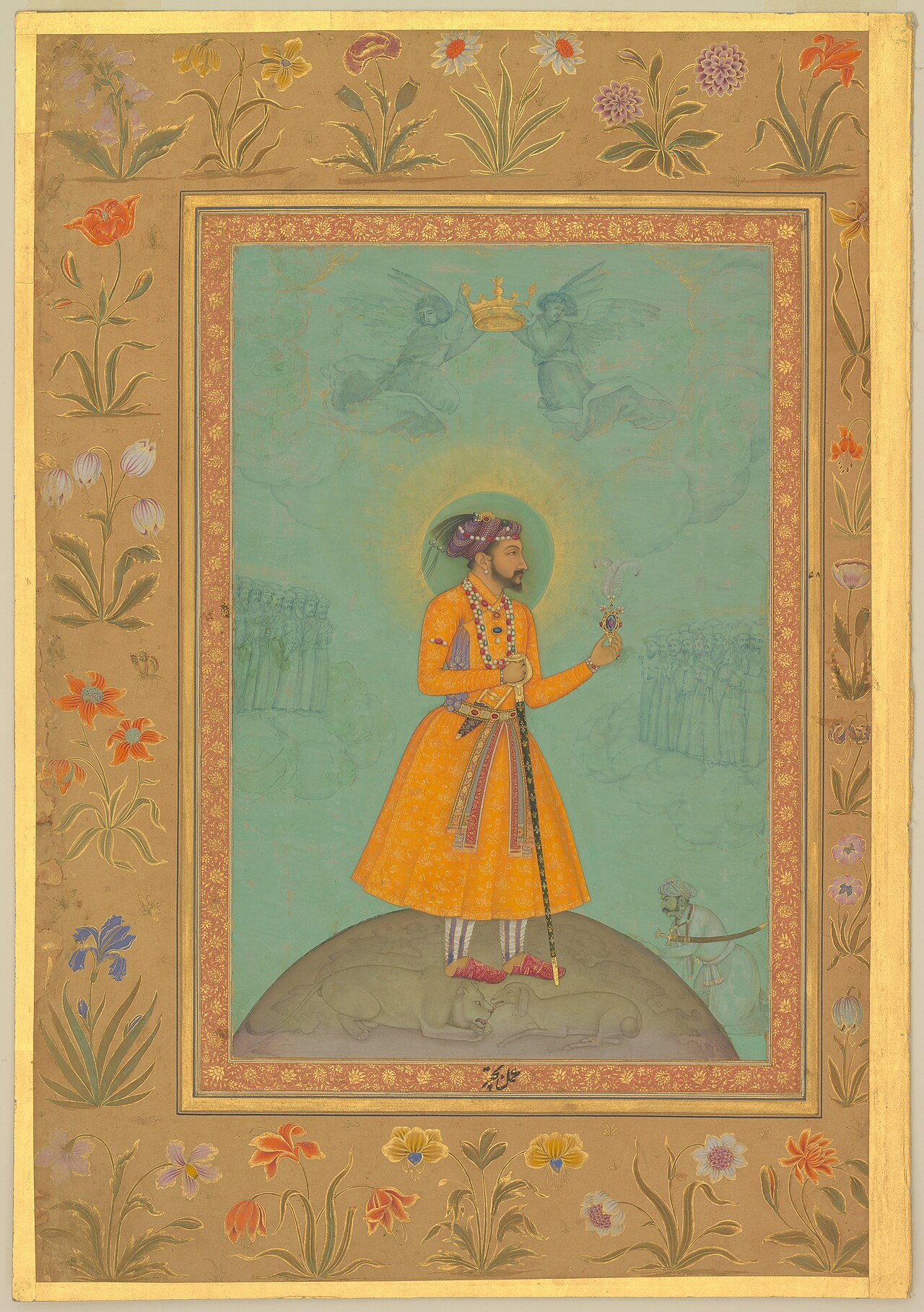
Mughal Emperor Shah Jahan standing on a globe
Bichitr · c. 1630
Free account
Read every Shah Jahan source
Sign up free →
Ready when you are
Start chatting with Shah Jahan now.
20 messages free · No credit card · Available in 50+ languages.