


Primary sourcePainting1606
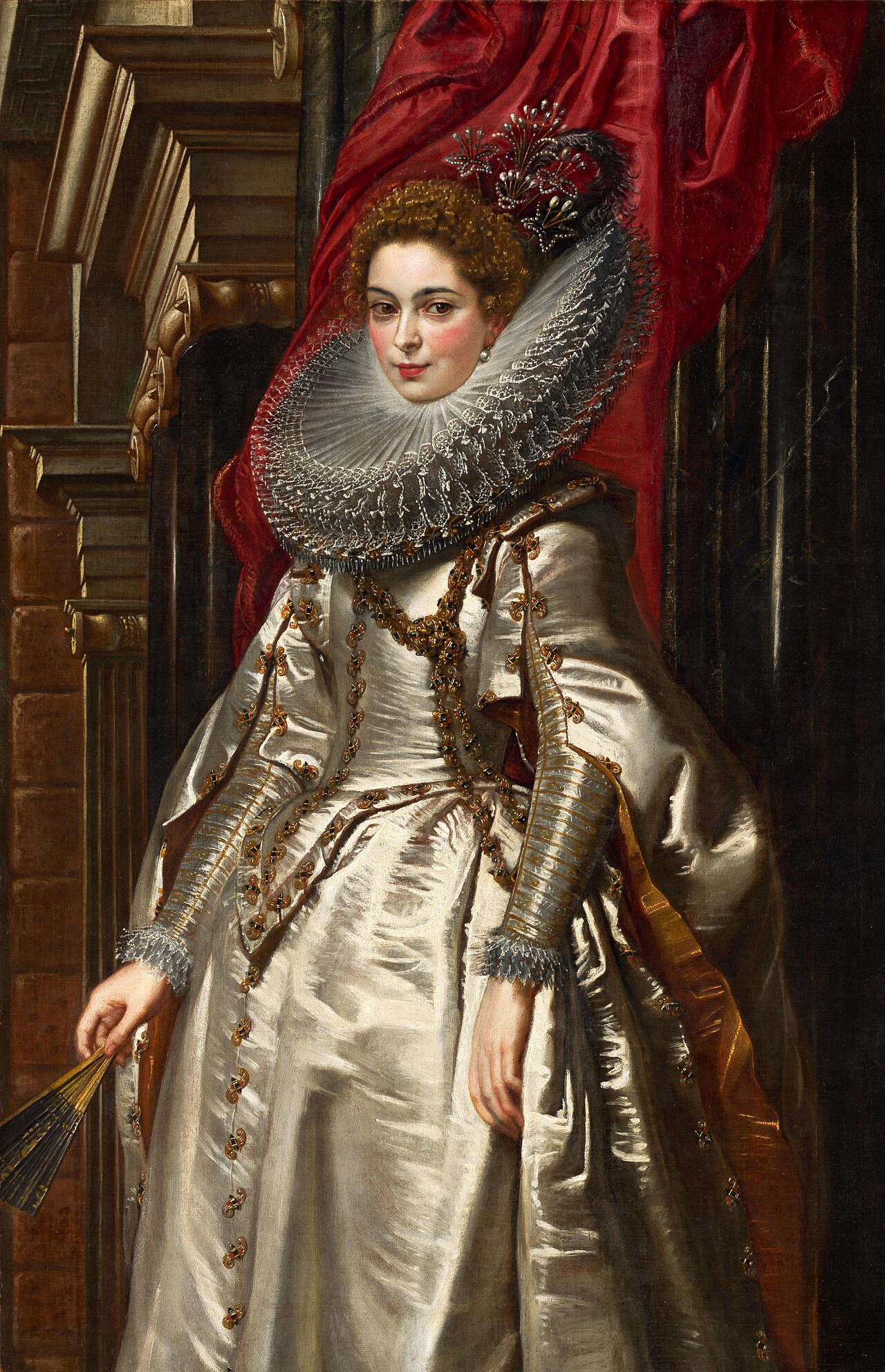
Portrait of Marchesa Brigida Spinola-Doria
Peter Paul Rubens · 1606
A 1606 portrait by Rubens of a young Genoese noblewoman, commissioned by her husband shortly after their wedding.
Rubens painted this portrait of the Marchesa in 1606, an early example of his skill in aristocratic portraiture.
About this source
What it is
This oil-on-canvas portrait of Marchesa Brigida Spinola-Doria was painted by Peter Paul Rubens in 1606. It is now in the National Gallery of Art in Washington, D.C., part of the Samuel H. Kress Collection.
Why it matters
The painting was commissioned by Marchese Giacomo Massimiliano Doria to show his new wife shortly after their wedding. It reflects Rubens's skill at depicting wealth and status through fabric, jewels, and light, and it later influenced portraitists like van Dyck. The canvas has been trimmed over time, and a surviving pen-and-ink study helps scholars understand what was cut away.
Look closer
- What details of clothing and setting suggest the Marchesa's wealth and status?
- Why do you think the painting was trimmed, and what does that tell us about how art is valued over time?
- How does the painting's composition make the viewer look up at her?
This painting is part of the curated material that grounds the AI version of Peter Paul Rubens on Humy.ai — when students ask about related events, the AI can quote it and cite it.
More Peter Paul Rubens sources
Browse all 97 →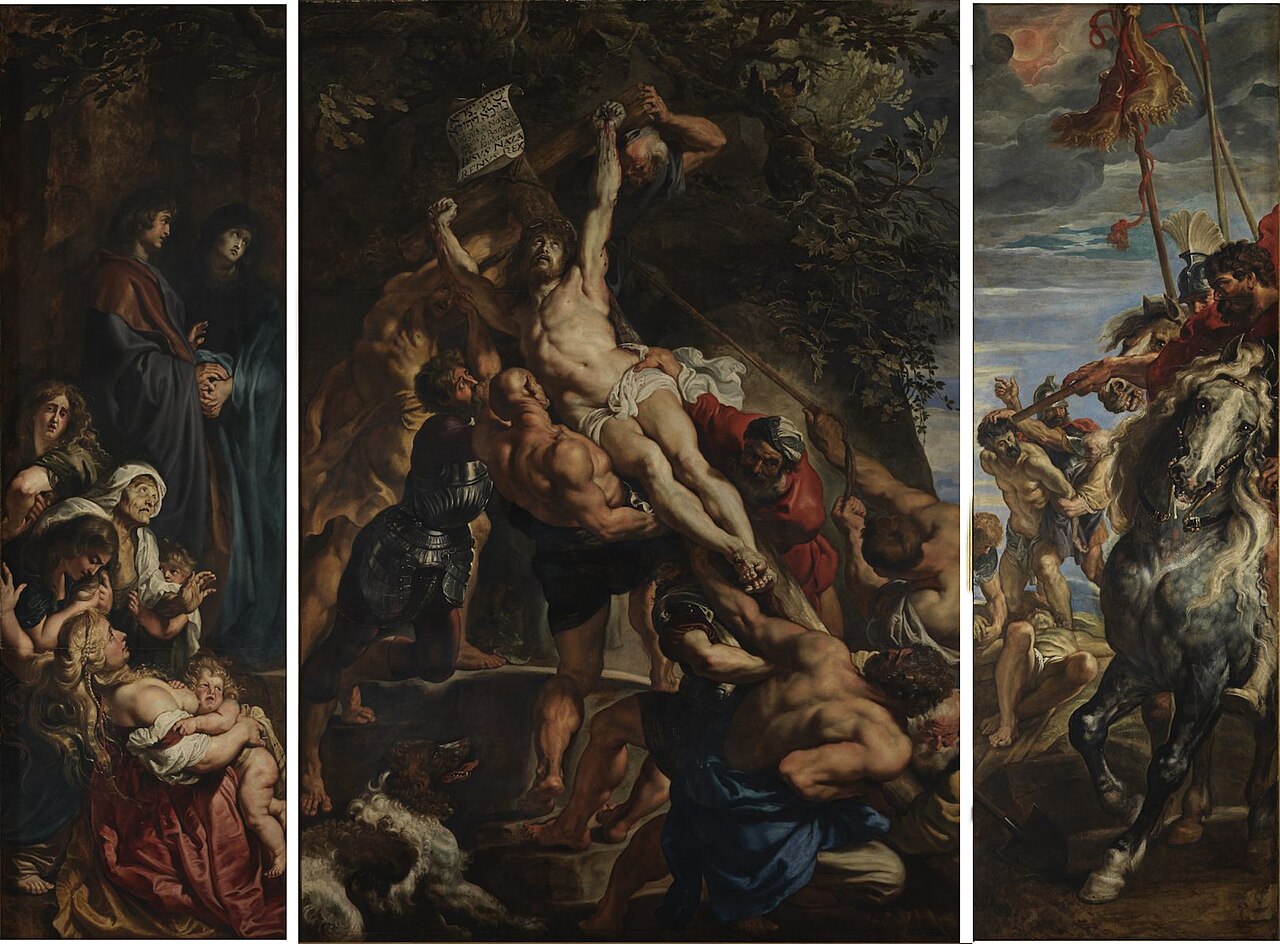 Painting
Primary source
The Elevation of the Cross
Peter Paul Rubens · 1610–1611
 Painting
Primary source
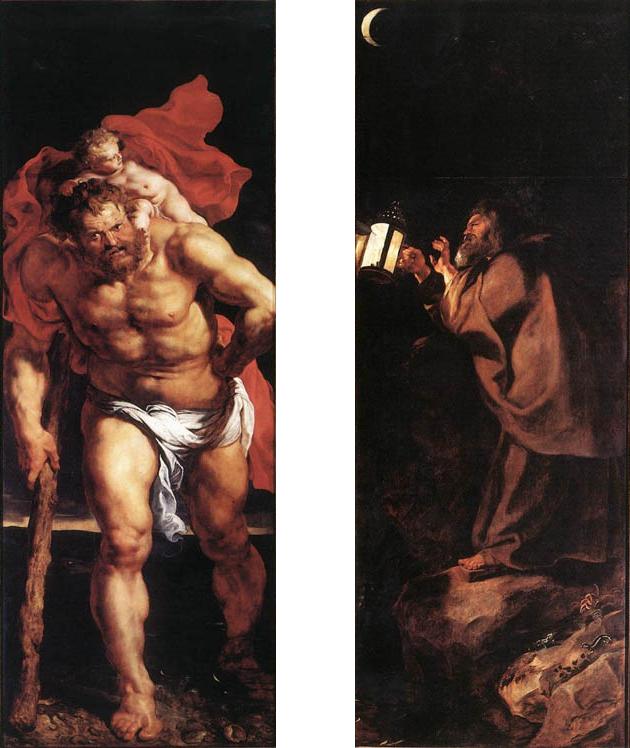
The Descent from the Cross
Peter Paul Rubens · 1611–1614
 Painting
Primary source
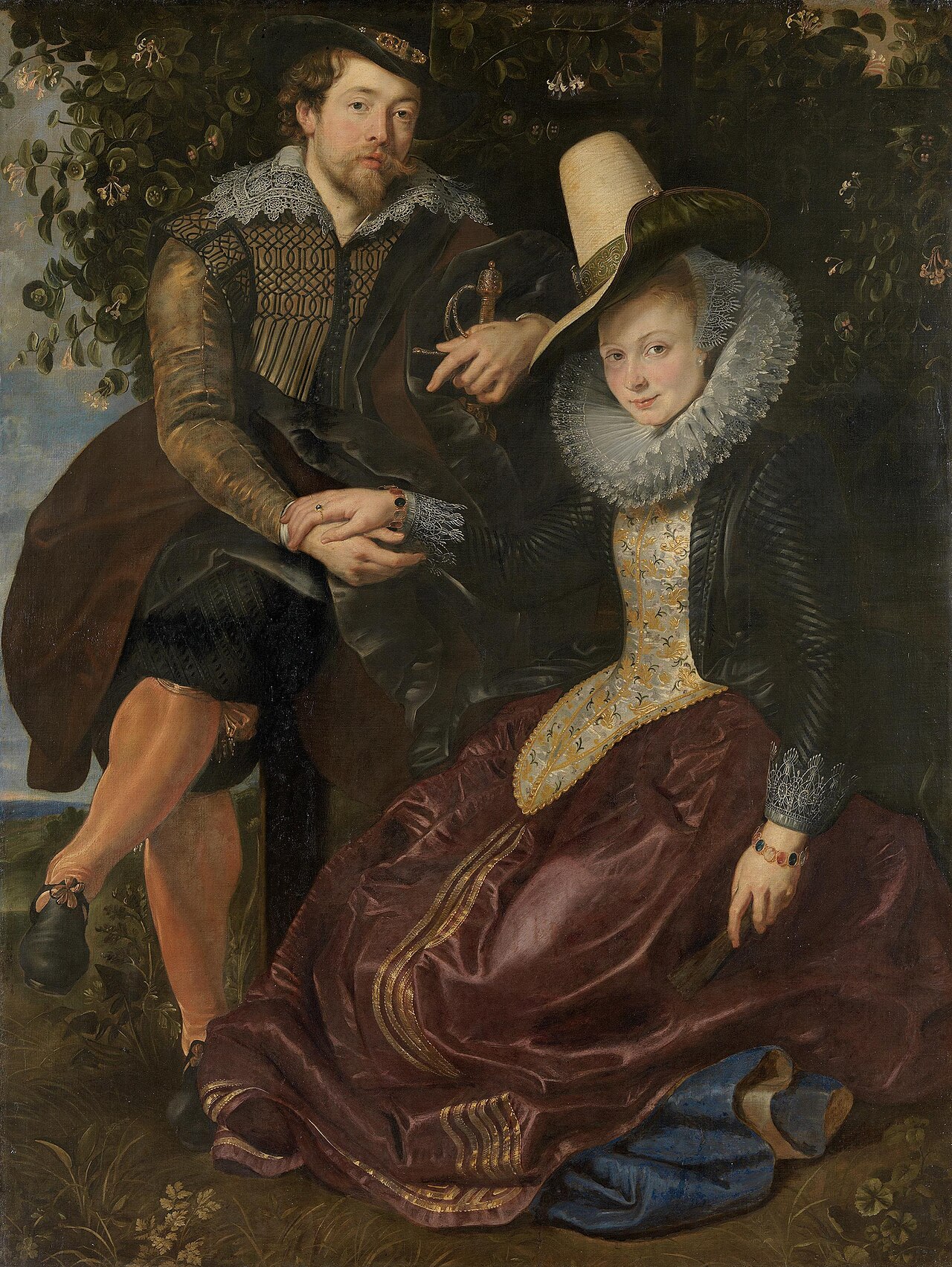
The Honeysuckle Bower
Peter Paul Rubens · c. 1609
 Painting
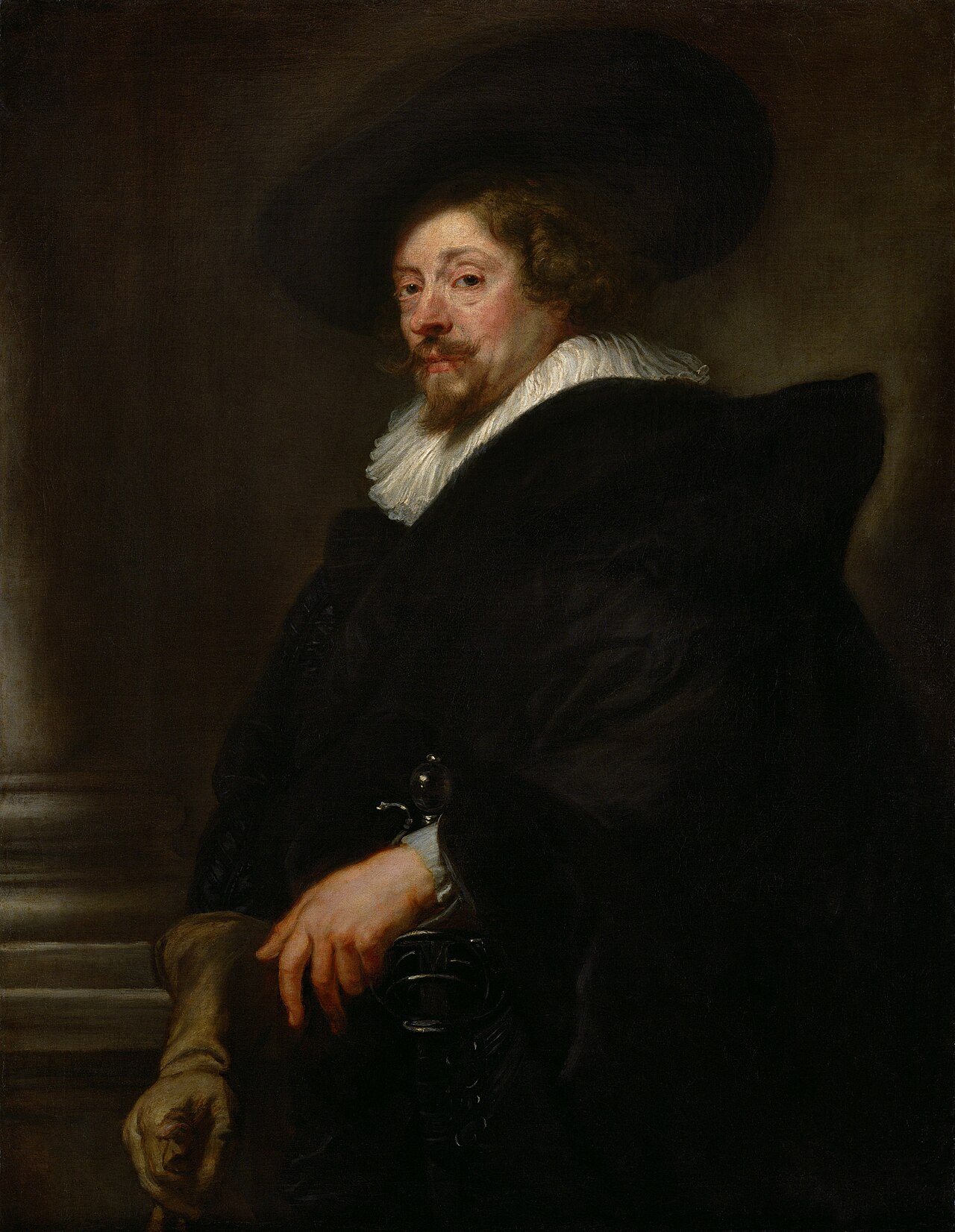
Primary source
Self-Portrait
Peter Paul Rubens · 1638–1639
Free account
Read every Peter Paul Rubens source
Sign up free →
Ready when you are
Start chatting with Peter Paul Rubens now.
20 messages free · No credit card · Available in 50+ languages.