


Secondary sourcePainting17th century
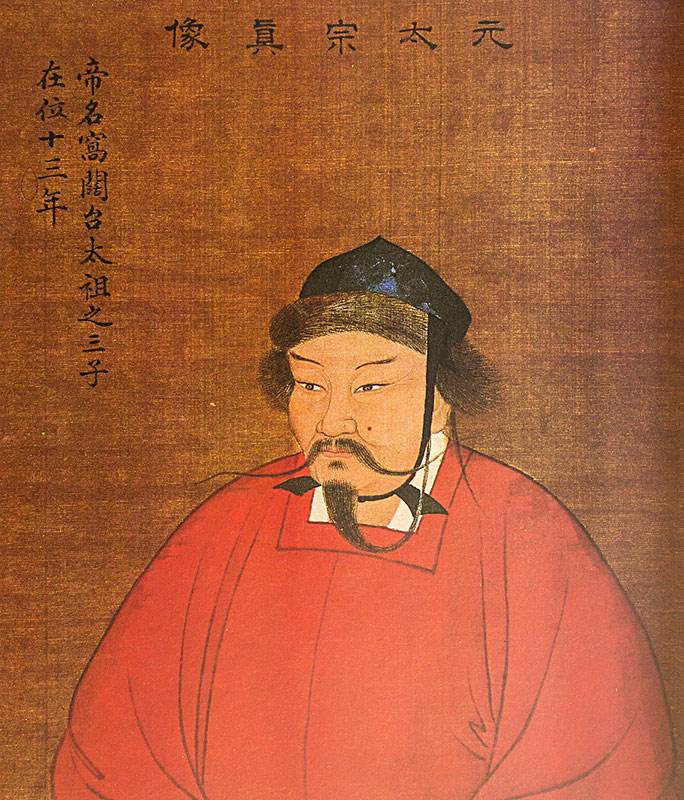
Portrait of Occotai Qa'an
Unknown · 17th century
A 17th-century Chinese-style portrait of Ögedei Khan, painted long after his death, showing him as the Yuan emperor Taizong.
This later portrait depicts Ögedei Khan as the Yuan emperor Taizong, showing how his image was preserved long after his death.
About this source
What it is
This is a painted portrait of Ögedei Khan, made by an unknown artist in the 17th century, long after his lifetime. It shows a bearded man in a red robe and black fur-trimmed hat, with Chinese inscriptions above, following the style used for depicting Yuan emperors.
Why it matters
Ögedei Khan, son of Genghis Khan, ruled the Mongol Empire and was later honored by his descendants in the Yuan dynasty as Emperor Taizong. This portrait shows how his image was preserved and reproduced centuries after his death, as rulers sought to connect themselves to the founders of the Mongol-Yuan state.
Look closer
- Why might artists centuries later still be painting portraits of Ögedei Khan?
- What does the clothing and style tell you about how he was remembered as a ruler?
- Since no one alive had seen Ögedei, what might this image be based on instead?
This painting is part of the curated material that grounds the AI version of Ögedei Khan on Humy.ai — when students ask about related events, the AI can quote it and cite it.
More Ögedei Khan sources
Browse all 26 →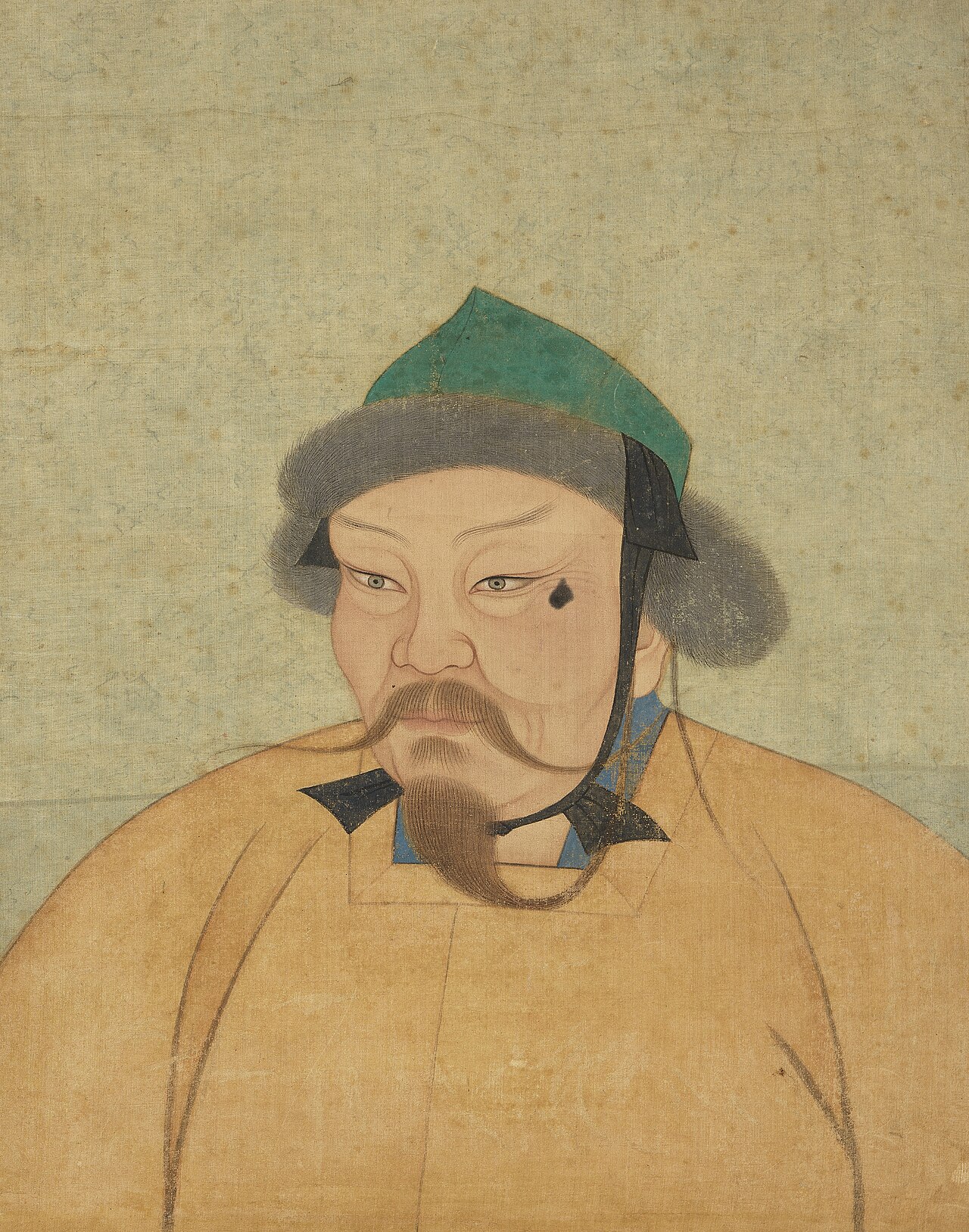 Painting
Secondary source
Portrait of Ögedei Khan
 Painting
Secondary source
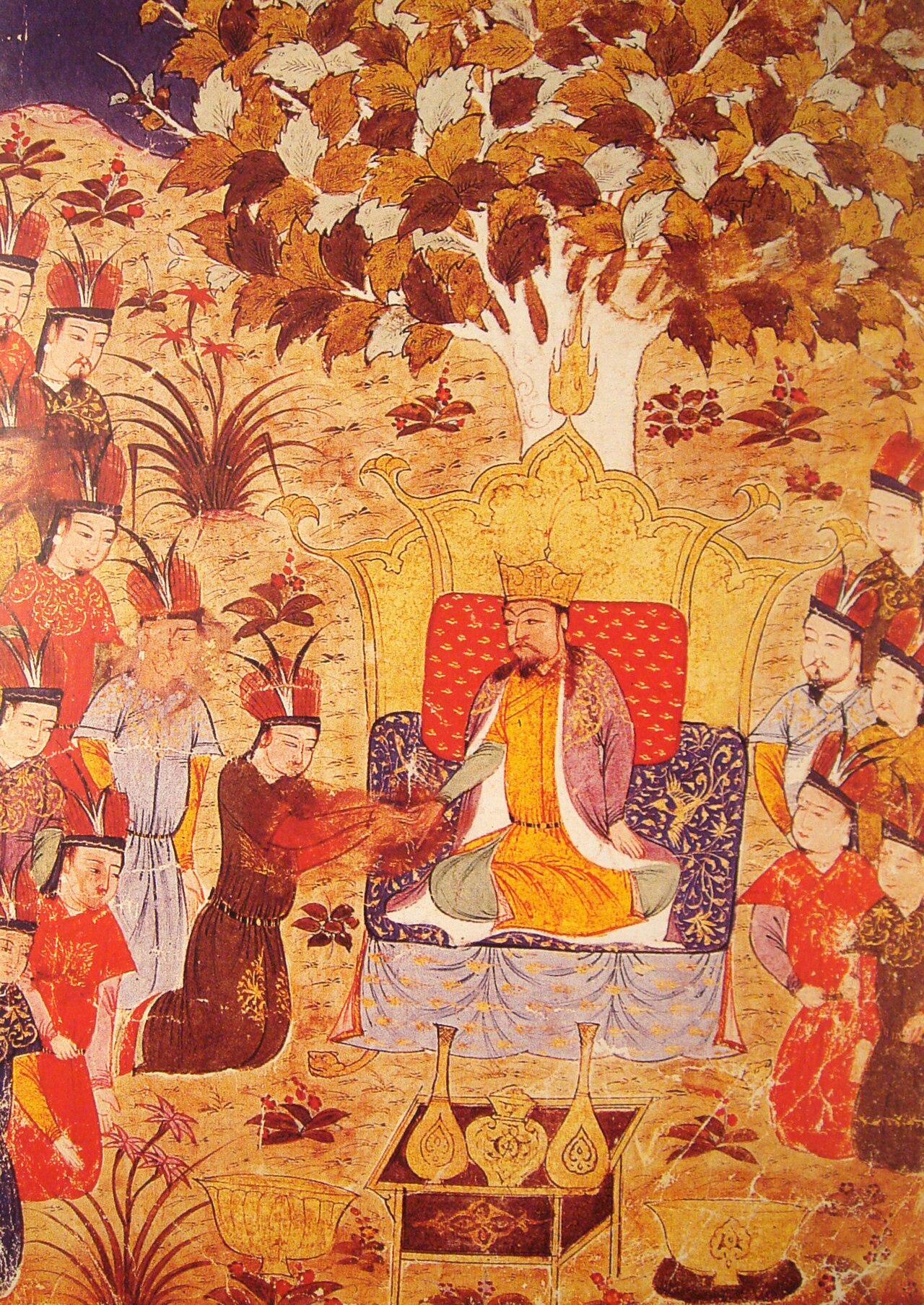
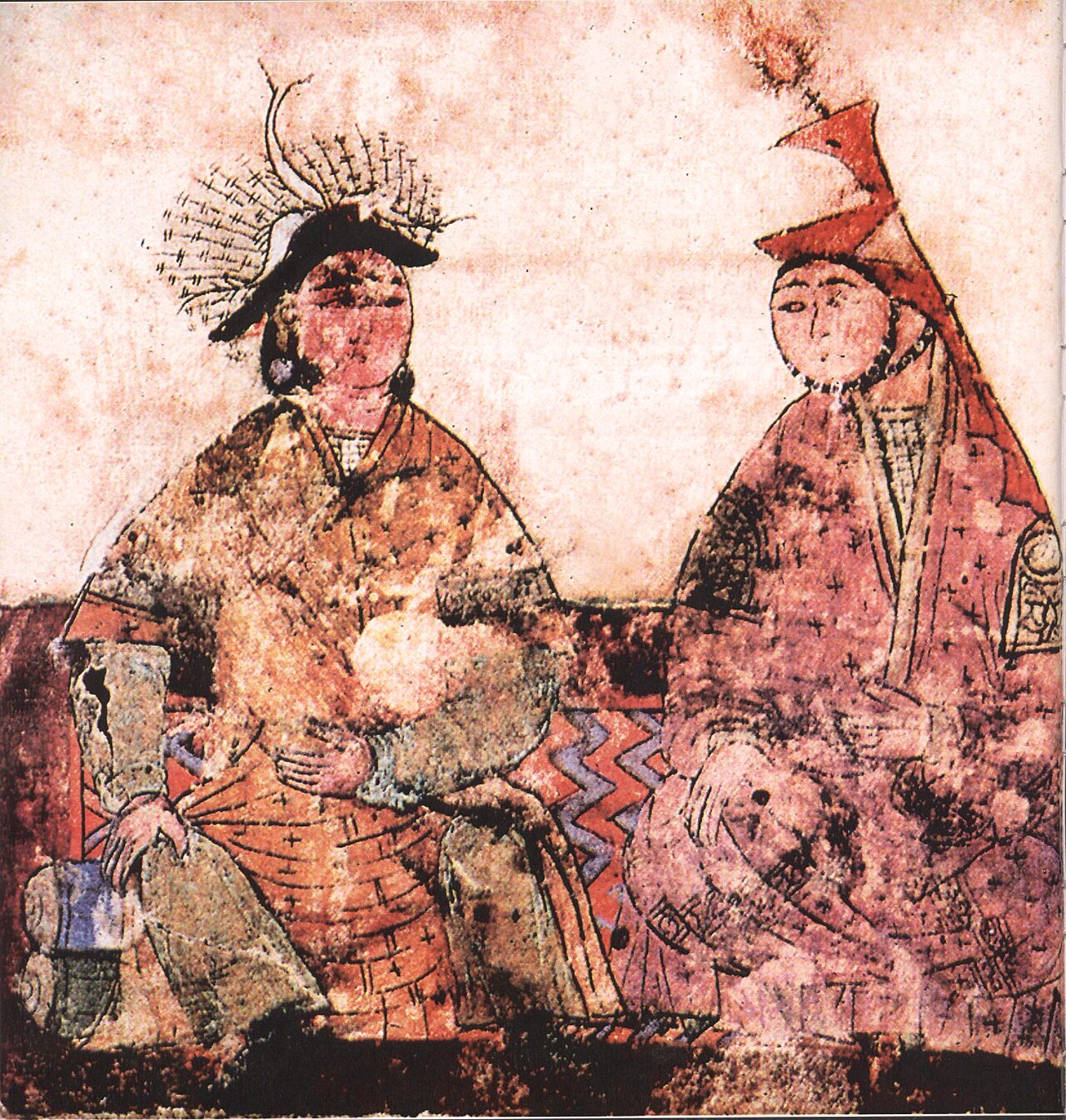
Coronation of Ögedei, 1229
Rashid al-Din · 1229 (depicted event); illustration made later
 Artifact
Primary source
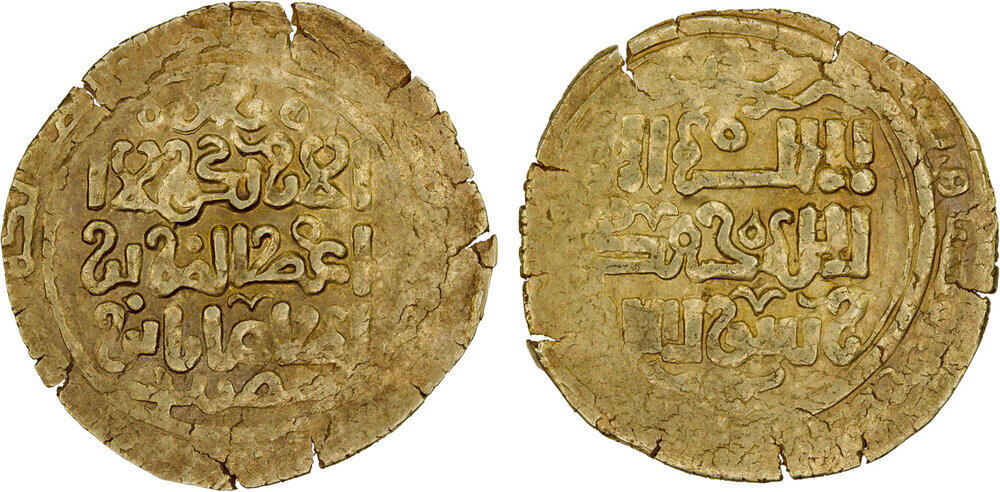
Gold Dinar of Ögedei Khagan from Qaraqorum
Ögedei Khagan · 1227-1241
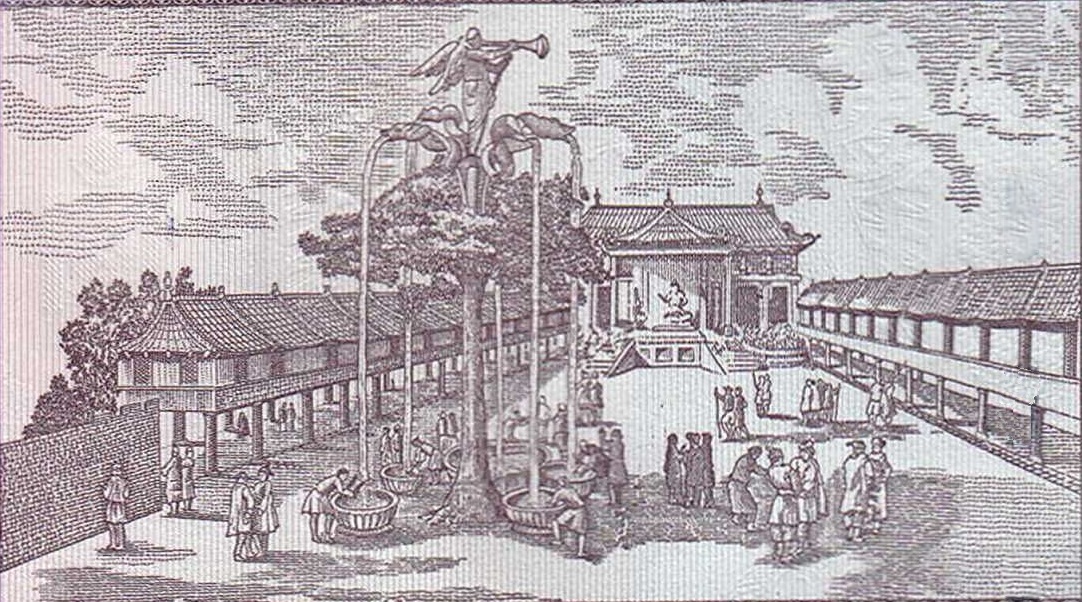 Artifact
Primary source
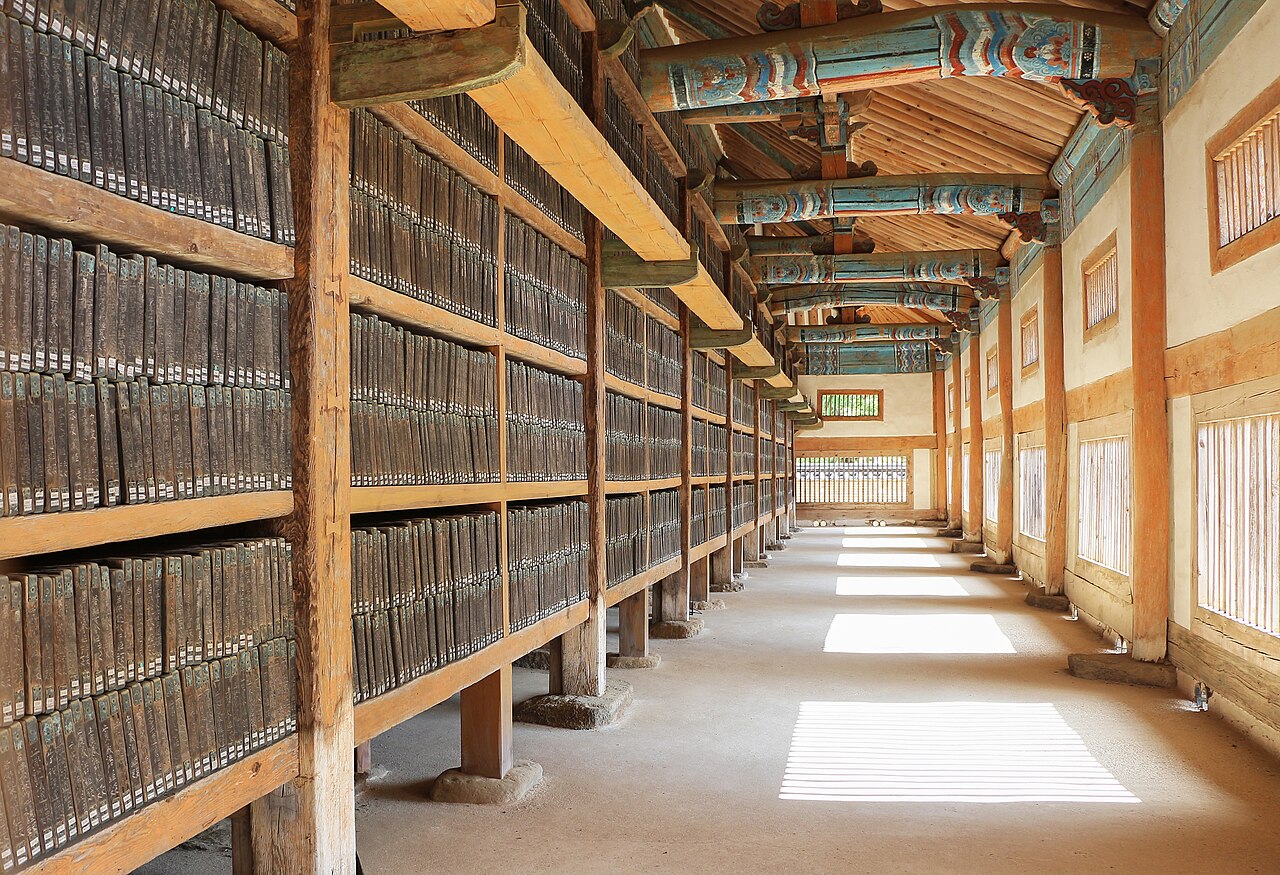
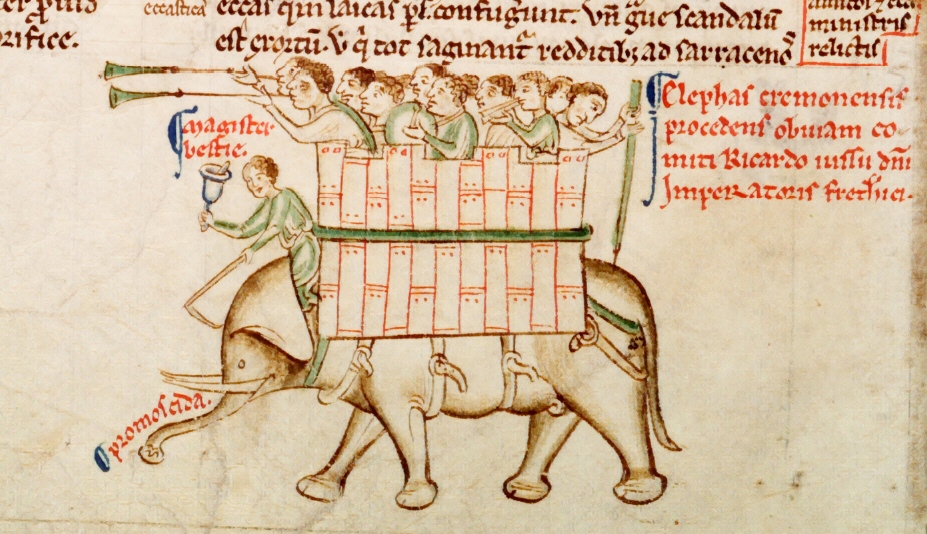
Karakorum, the Mongol Capital
founded 1220; walls and palace built 1235
Free account
Read every Ögedei Khan source
Sign up free →
Ready when you are
Start chatting with Ögedei Khan now.
20 messages free · No credit card · Available in 50+ languages.