


Secondary sourcePaintingca. 1650
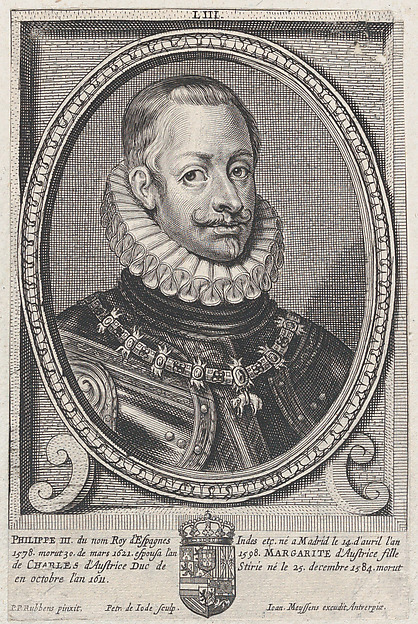
Portrait of Philip III, King of Spain
Pieter de Jode II · ca. 1650
An engraved oval portrait of Philip III made by Pieter de Jode II around 1650, decades after the king's death.
A later engraved portrait of Philip III, made after his death, which shows how his image was reproduced for collectors.
About this source
What it is
This is an engraving by Pieter de Jode II, dated around 1650. It is an oval portrait of a bearded man with a moustache, wearing a large lace ruff collar and armor with ornate chain decoration. A Roman numeral LIII sits above the oval, and a printed caption block with a coat of arms is below. The Metropolitan Museum of Art holds it, as a gift from the Elisha Whittelsey Collection.
Why it matters
Engraved portraits like this one were made in series and sold, so they spread a king's likeness widely. Because it was made about fifty years after Philip III died, it reflects how later printmakers pictured him rather than how he was seen at his own court. Pieter de Jode II is one of the Flemish printmakers who made such portraits.
Look closer
- What details of the armor and collar does the engraver emphasize, and why might those details matter to buyers?
- What is the Roman numeral above the portrait telling viewers, and what does it leave unexplained?
This painting is part of the curated material that grounds the AI version of Philip III of Spain on Humy.ai — when students ask about related events, the AI can quote it and cite it.
More Philip III of Spain sources
Browse all 92 →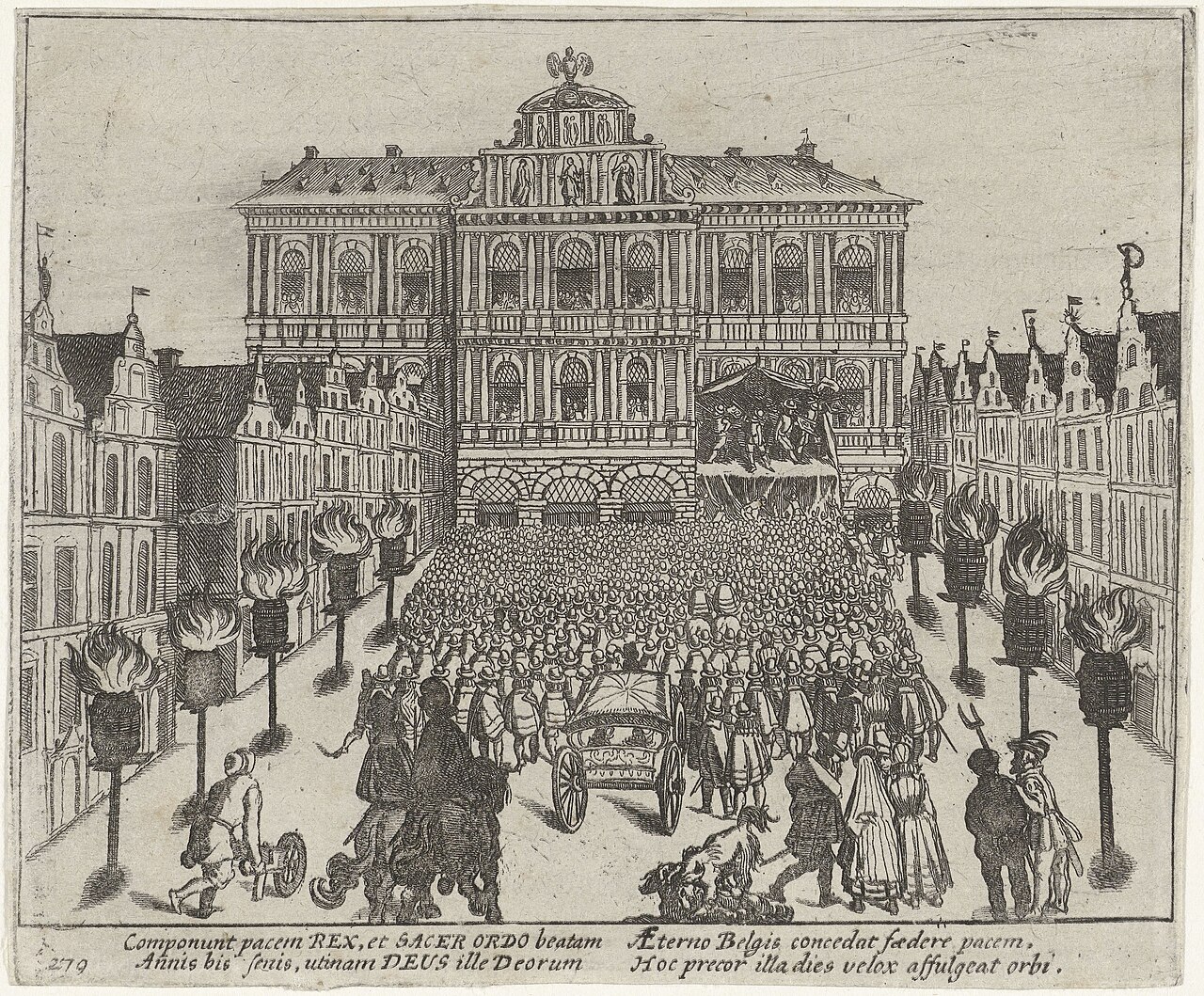 Document
Primary source
Twelve Years' Truce
1609
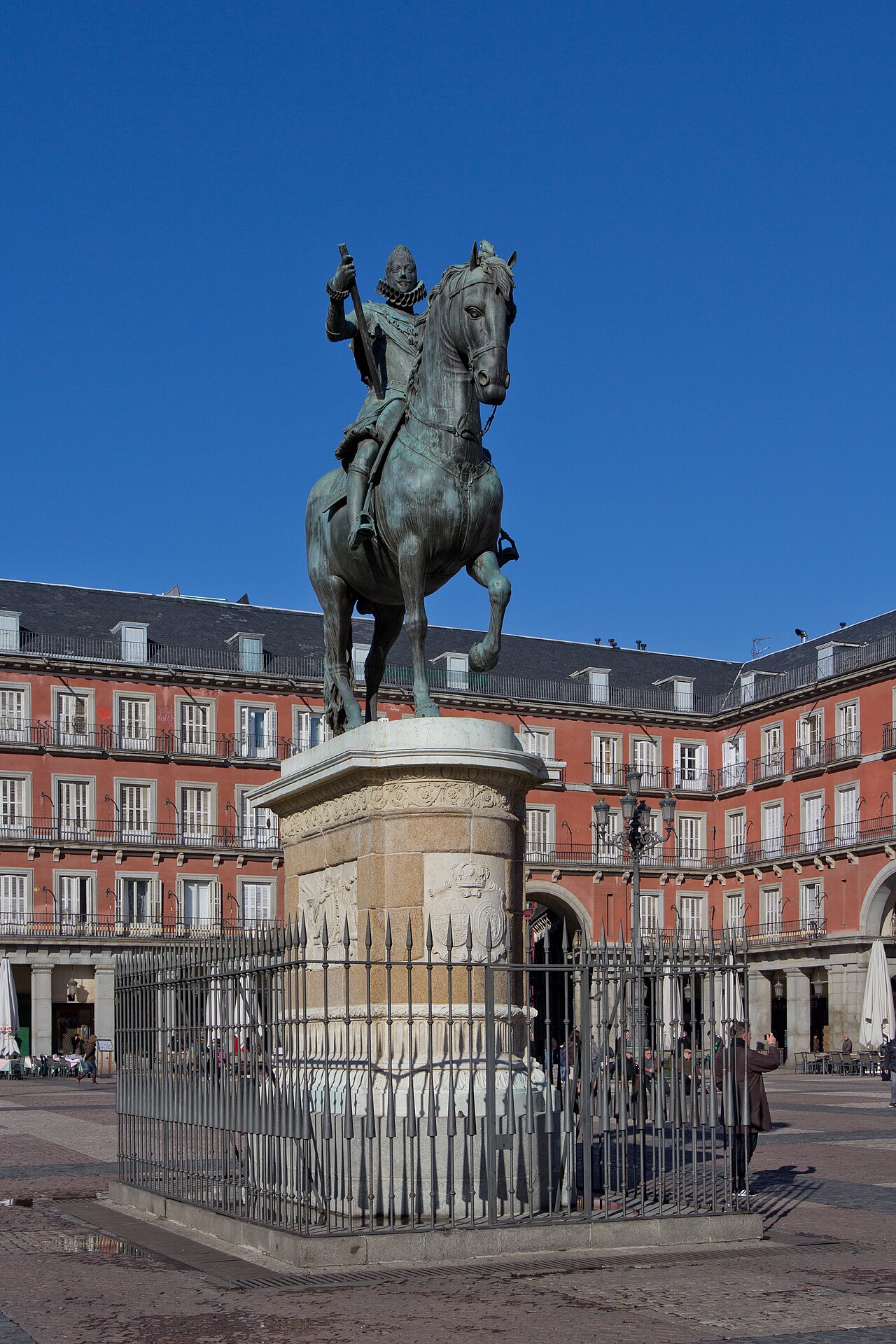 Sculpture
Secondary source
Equestrian statue of Philip III of Spain, Madrid
Giambologna · 1616
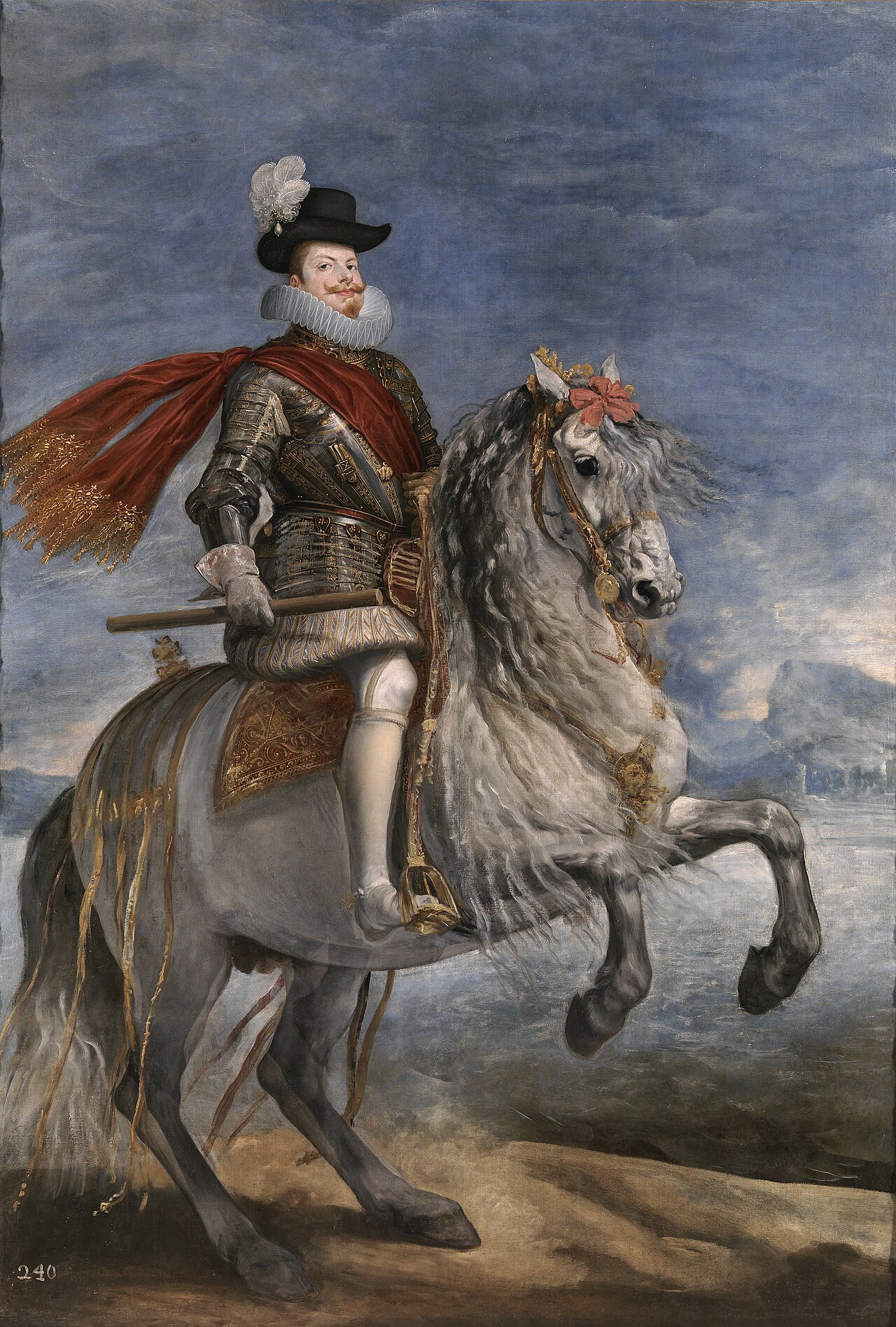 Painting
Secondary source
Equestrian Portrait of Philip III
Diego Velázquez · 1634/35
 Painting
Primary source
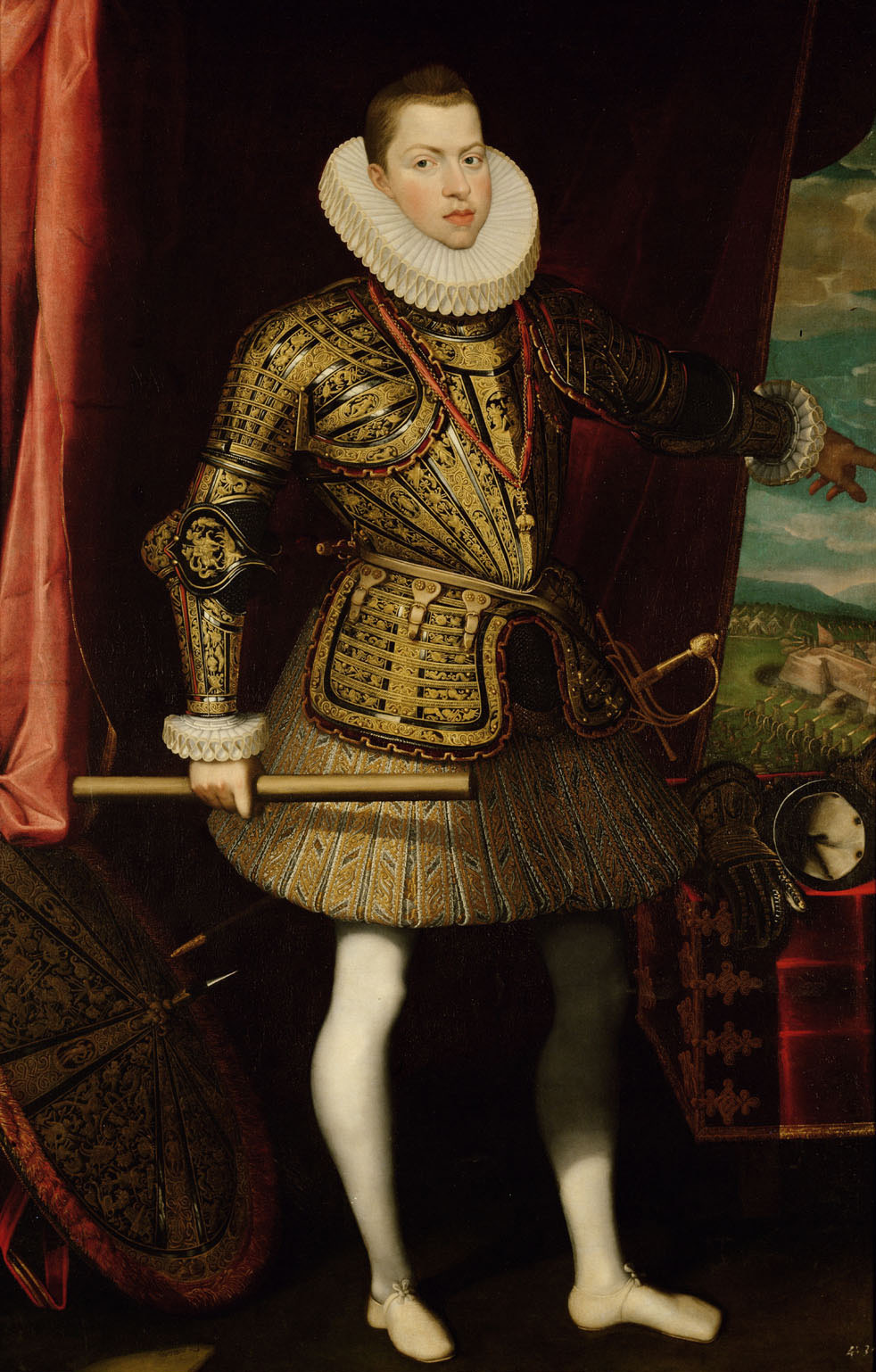
King Philip III of Spain as General of the Infantry
Juan Pantoja de la Cruz · 1601
Free account
Read every Philip III of Spain source
Sign up free →
Ready when you are
Start chatting with Philip III of Spain now.
20 messages free · No credit card · Available in 50+ languages.