


Secondary sourceSculpture
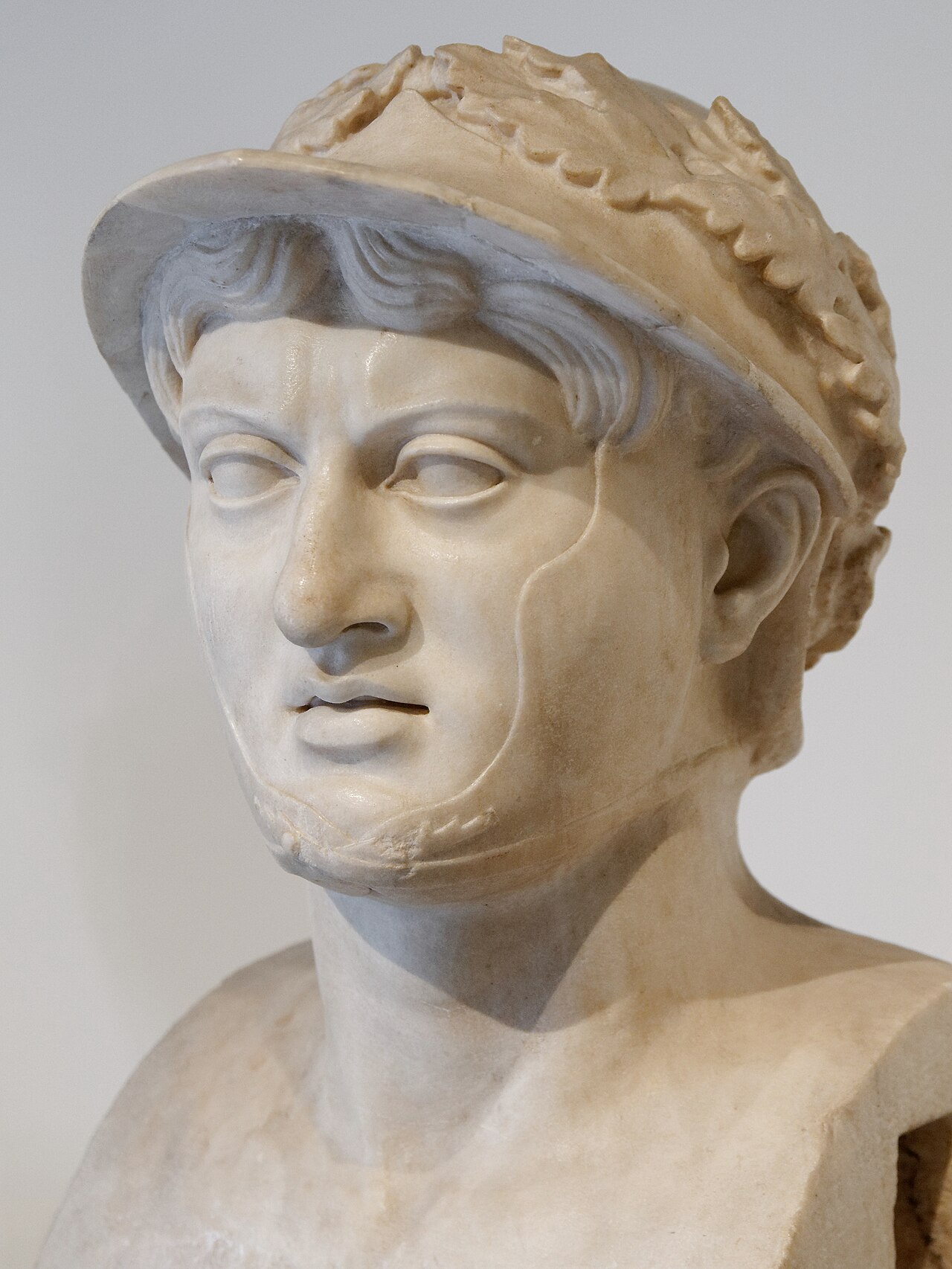
Portrait of Pyrrhus
A Roman marble bust from Herculaneum, traditionally identified as a portrait of King Pyrrhus wearing a wreathed helmet.
This bust is traditionally identified as the main surviving portrait of Pyrrhus himself.
About this source
What it is
This marble bust was found at the Villa of the Papyri in Herculaneum. It is a Roman copy of an earlier Hellenistic royal portrait, and it is traditionally identified as Pyrrhus, shown wearing an oak-wreathed helmet.
Why it matters
Portraits like this one were part of how Hellenistic kings presented their power and image, often styled after famous predecessors such as Alexander the Great. Because the original has not survived, this Roman copy is one of the main visual sources used to imagine what Pyrrhus may have looked like, though the identification is traditional rather than certain.
Look closer
- What does the wreathed helmet suggest about how the sitter wanted to be seen?
- Why do we rely on a later Roman copy rather than an original portrait?
- Part of the face shows restoration — how might this affect what we think we are seeing?
This sculpture is part of the curated material that grounds the AI version of Pyrrhus of Epirus on Humy.ai — when students ask about related events, the AI can quote it and cite it.
More Pyrrhus of Epirus sources
Browse all 78 →Secondary source
Life of Pyrrhus
Plutarch
 Book
Secondary source
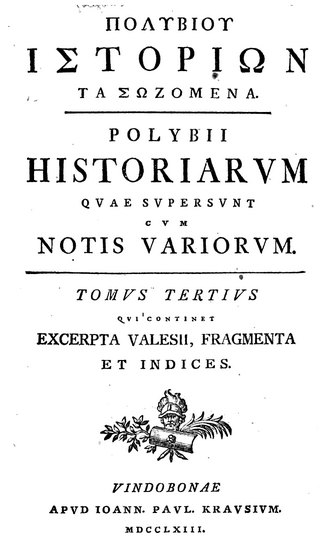
The Histories
Polybius · c. 150 BCE
 Book
Primary source
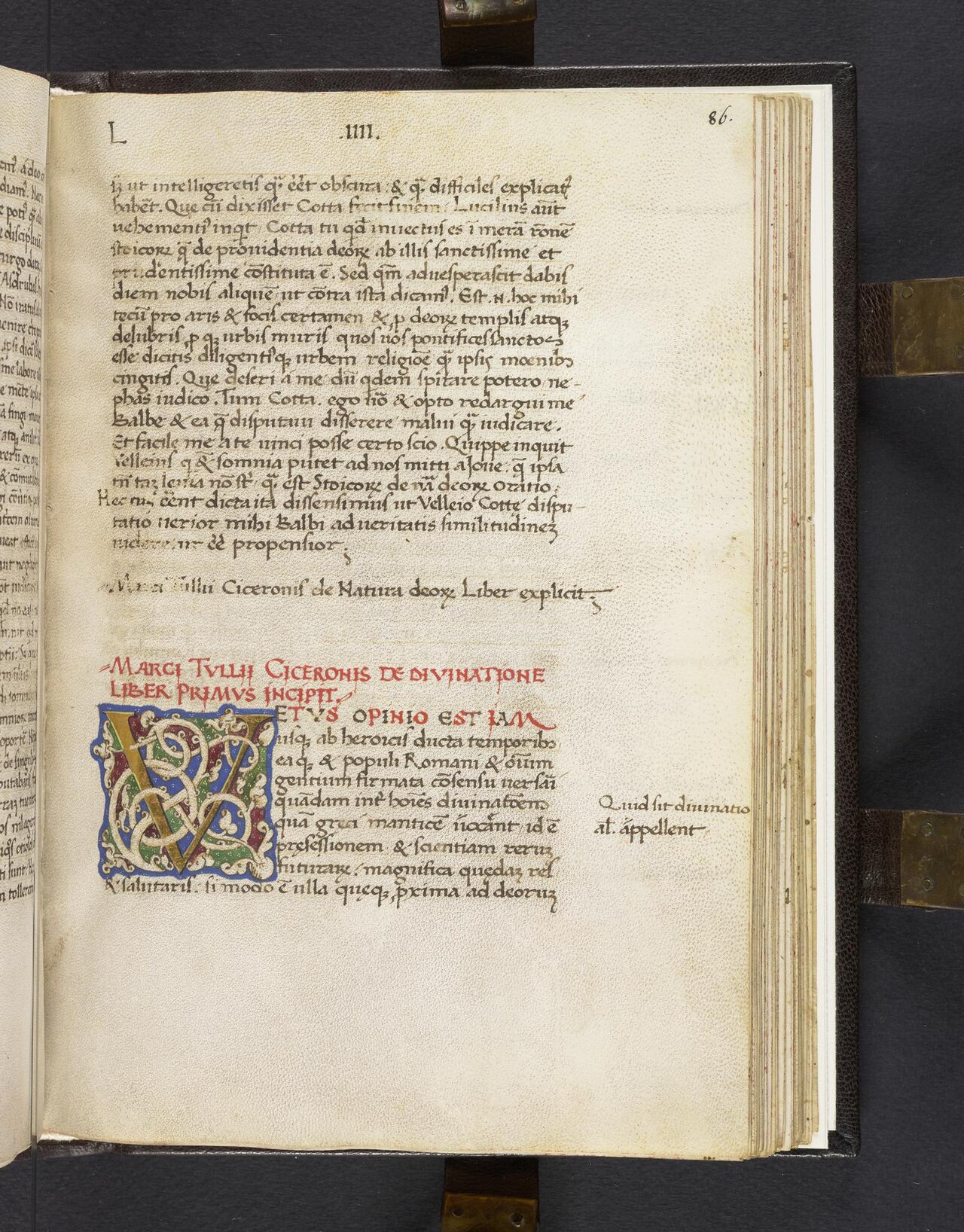
De Divinatione
Cicero · 44 BC
 Artifact
Primary source
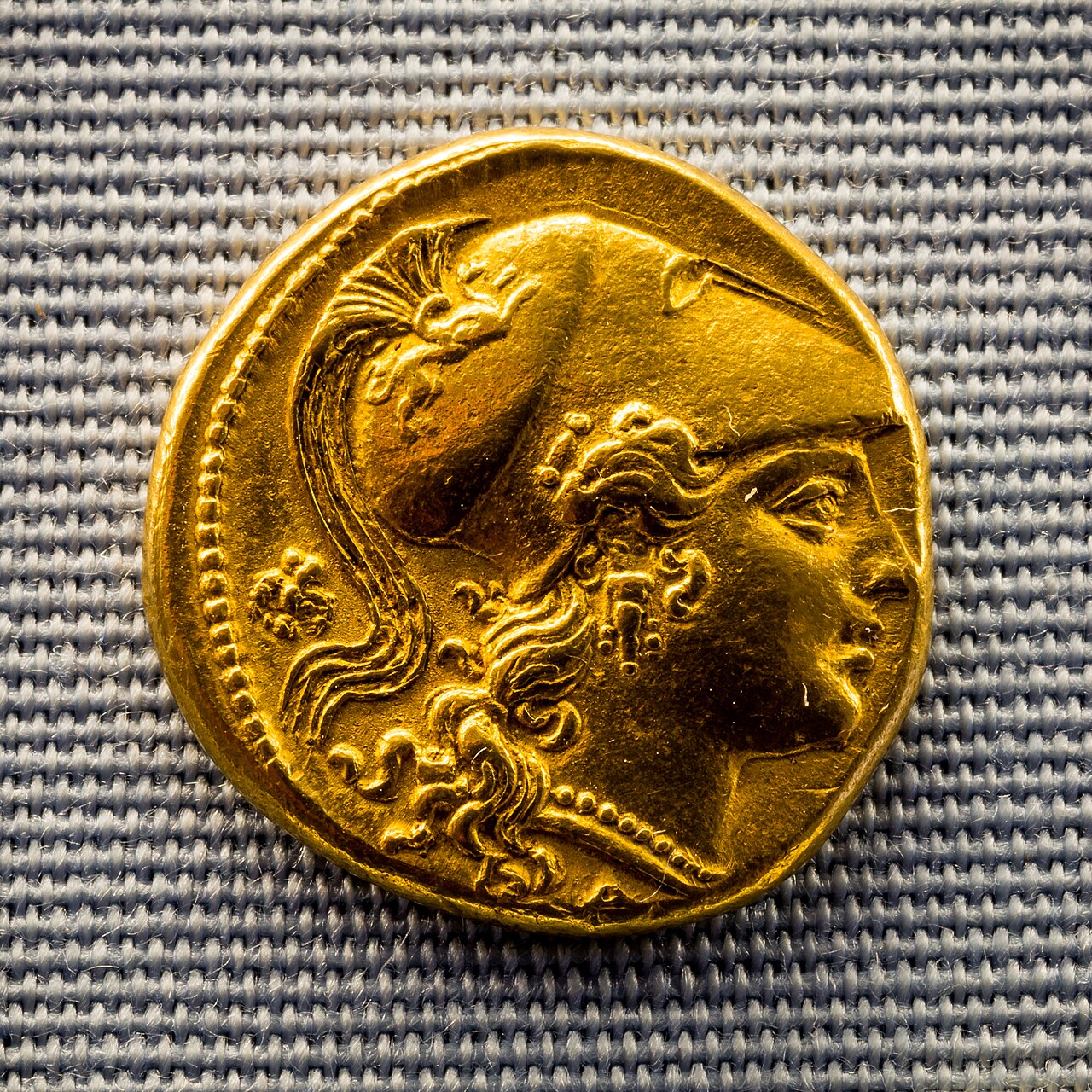
Gold stater of Pyrrhus with Athena and Nike
Mint of Pyrrhus, Syracuse · c. 278-276 BC
Free account
Read every Pyrrhus of Epirus source
Sign up free →
Ready when you are
Start chatting with Pyrrhus of Epirus now.
20 messages free · No credit card · Available in 50+ languages.