


Secondary sourcePainting
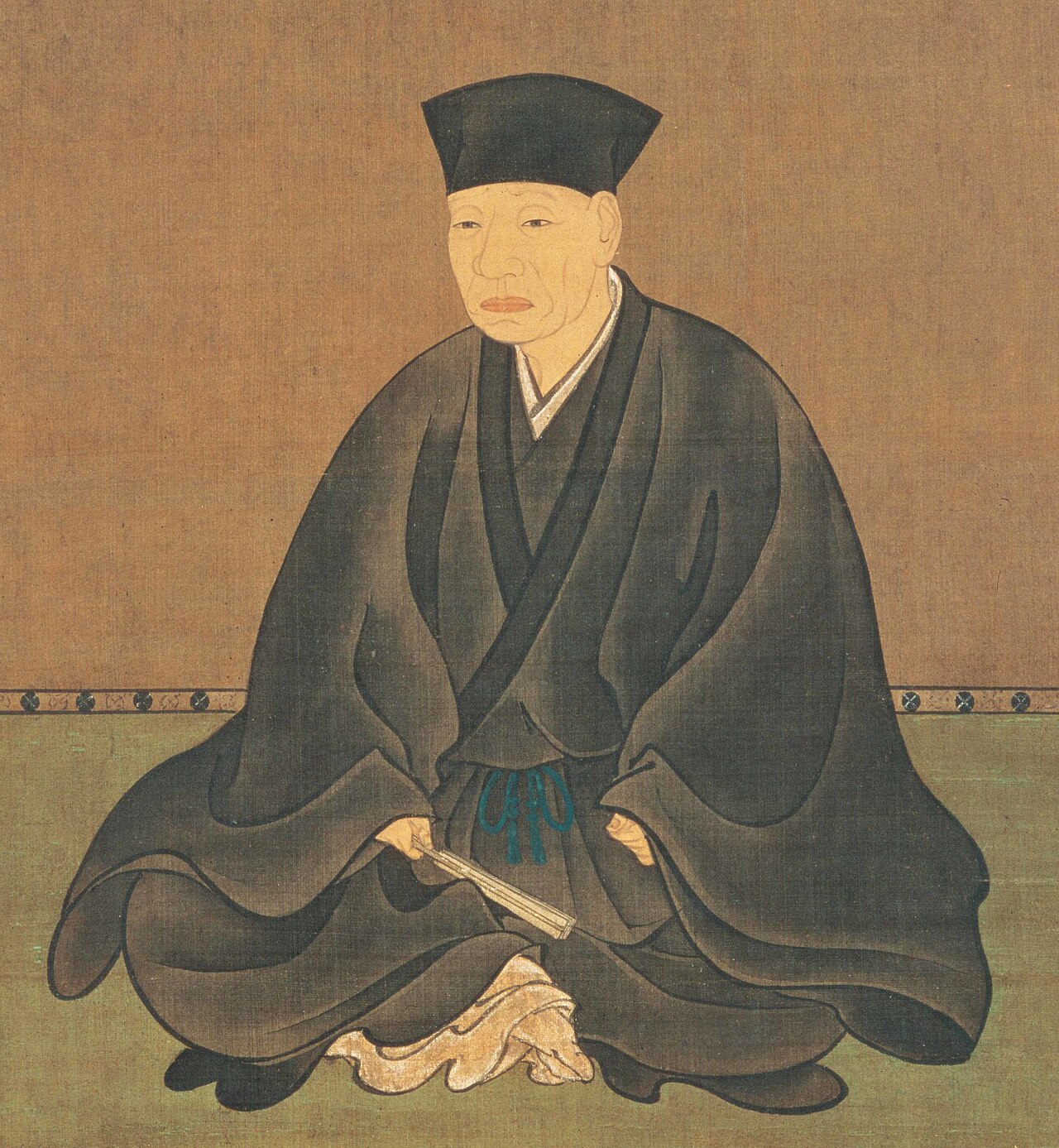
Portrait of Sen no Rikyū by Hasegawa Tōhaku
Hasegawa Tōhaku
A portrait of Sen no Rikyū attributed to the painter Hasegawa Tōhaku, with calligraphy added by the monk Shunoku Sōen, made after Rikyū's death.
A posthumous portrait of Rikyū by a major painter of his era, with calligraphy by a monk who likely knew him.
About this source
What it is
This painting shows Sen no Rikyū seated in a dark robe and black hat, holding a folding fan, against a plain tan background. It is attributed to the painter Hasegawa Tōhaku, who lived from 1539 to 1610, with calligraphy added by the Buddhist monk Shunoku Sōen, who lived from 1529 to 1611. The image was copied from the Omotesenke tea school's website.
Why it matters
Rikyū shaped the aesthetics of Japanese tea ceremony, and this portrait, made by a noted painter and inscribed by a respected monk, shows how quickly his memory was honored by important cultural figures after his death. It links Rikyū to the wider circle of artists and religious figures of his time.
Look closer
- What does Rikyū's serious expression and plain dress suggest about how he wanted to be seen, or how others wanted to remember him?
- Why might a monk's calligraphy be added to a painter's portrait?
- What is missing from this portrait that a photograph might show instead?
This painting is part of the curated material that grounds the AI version of Sen no Rikyū on Humy.ai — when students ask about related events, the AI can quote it and cite it.
More Sen no Rikyū sources
Browse all 41 →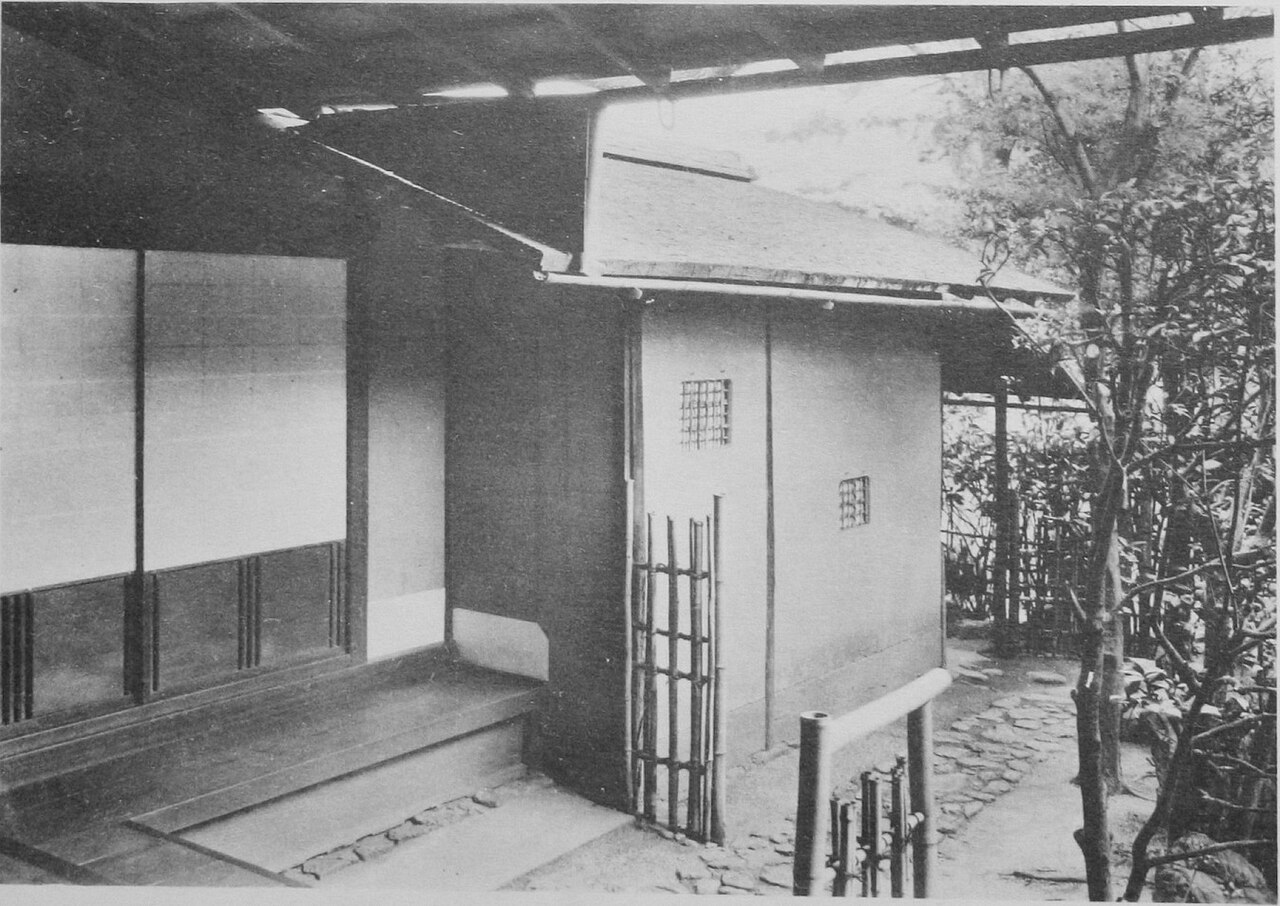 Artifact
Primary source
Tai-an
Sen no Rikyū · 1582
 Painting
Secondary source
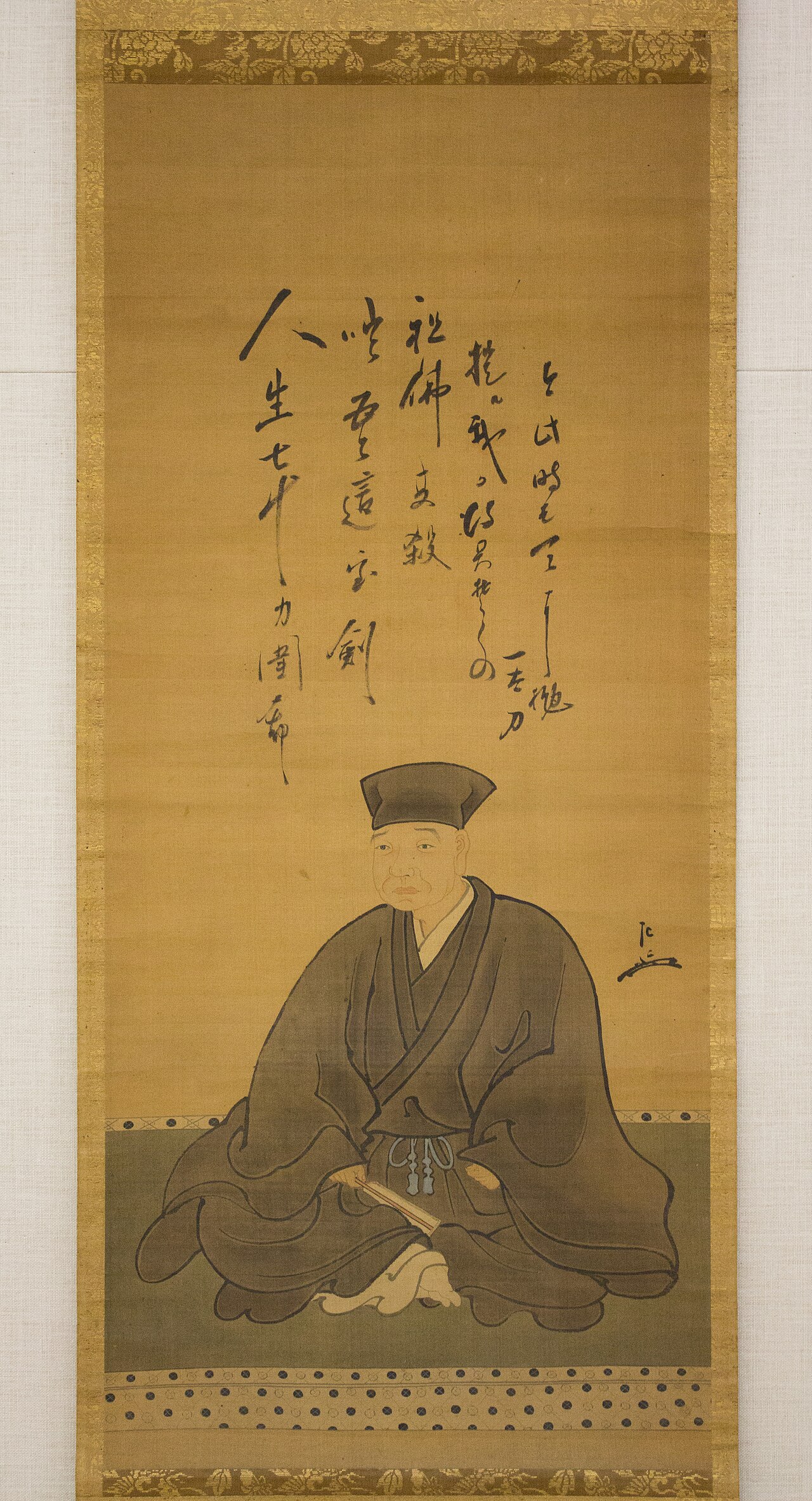
Portrait of Sen no Rikyū with his Death Poem
Unidentified artist · early 17th century
 Painting
Secondary source
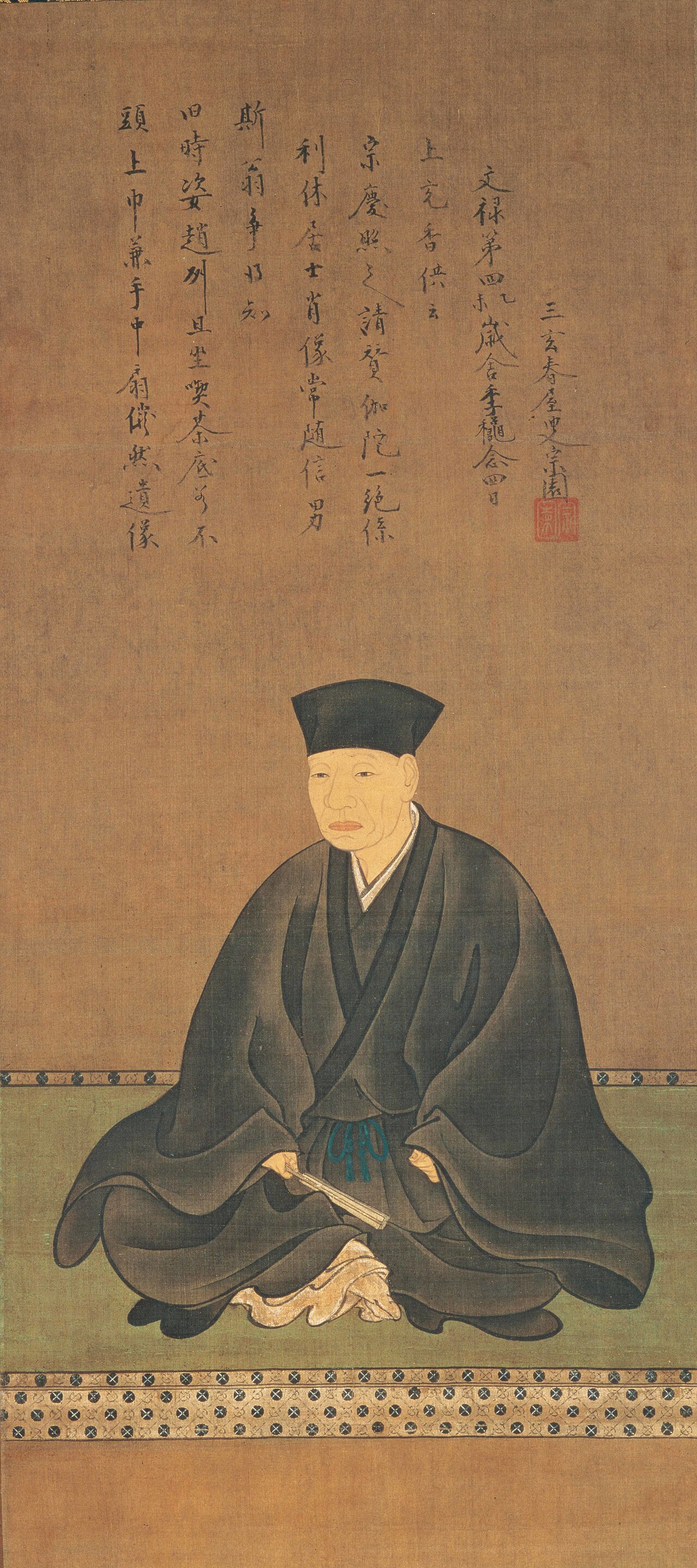
Portrait of Sen no Rikyū
Hasegawa Tōhaku (attributed)
 Artifact
Secondary source
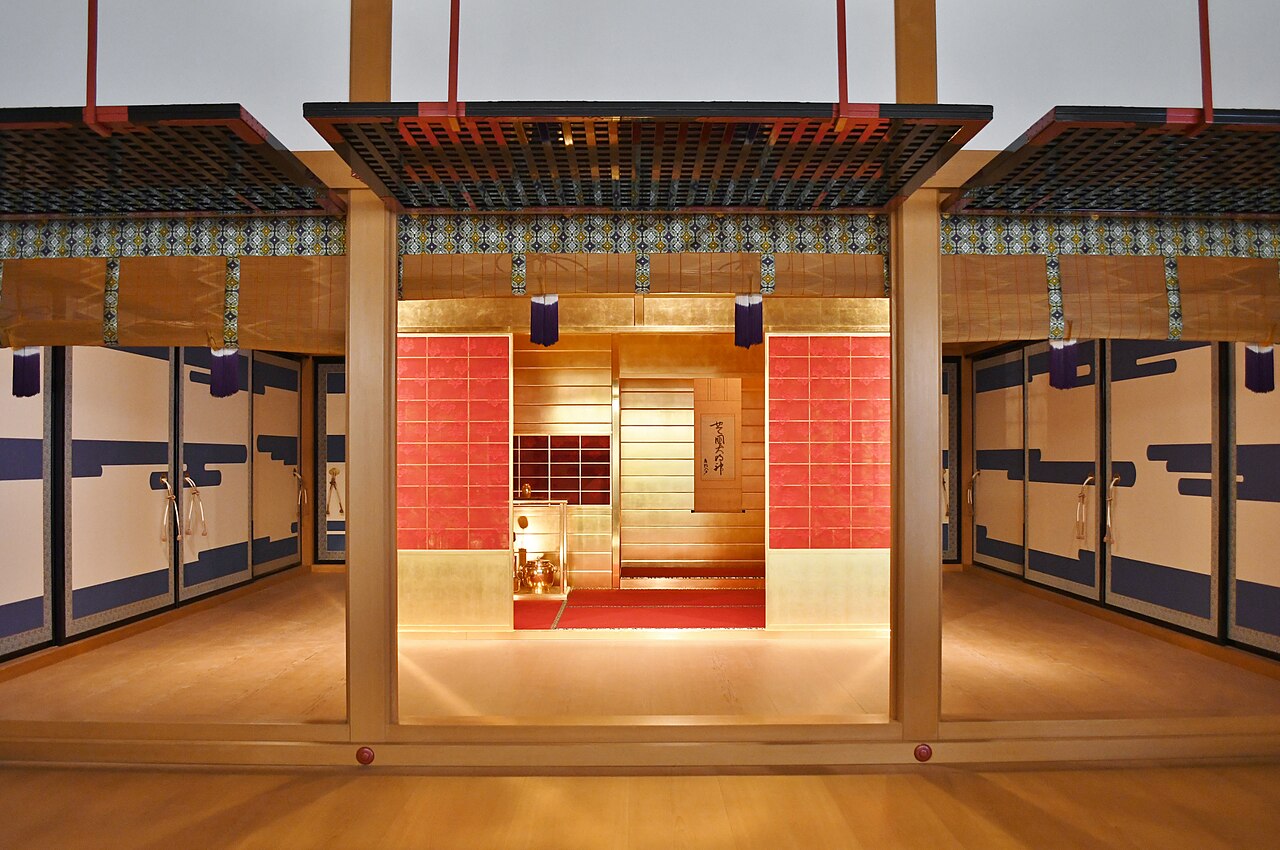
Golden Tea Room
1585
Free account
Read every Sen no Rikyū source
Sign up free →
Ready when you are
Start chatting with Sen no Rikyū now.
20 messages free · No credit card · Available in 50+ languages.