


Secondary sourcePainting19th century
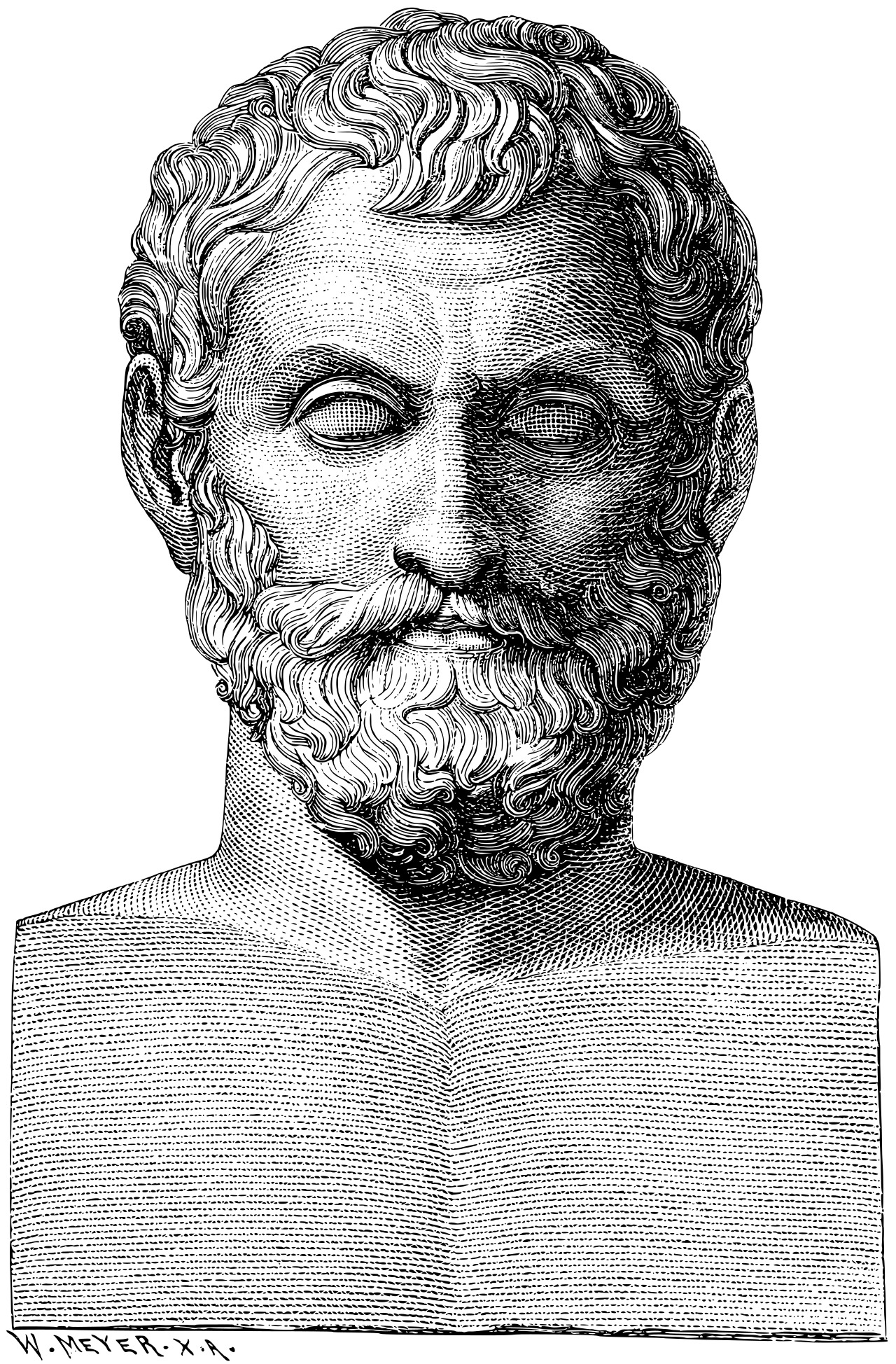
Portrait of Thales
W. Meyer · 19th century
A 19th-century Swedish engraving of Thales used as a standard modern image of the philosopher.
This engraving became the standard modern image used to represent Thales in reference works.
About this source
What it is
This black-and-white engraving appears in the Swedish illustrated world history Illustrerad Verldshistoria, edited by E. Wallis, volume I. It shows a bust of a bearded man with curly hair, signed by W. Meyer, representing Thales.
Why it matters
This image became the standard modern portrait of Thales used in encyclopedias and reference works, even though no real likeness of him exists from his own time. It shows how popular history books of the 19th century shaped the public image of ancient figures.
Look closer
- Since no authentic portrait of Thales survives, what does this image tell us about 19th-century ideas of what an ancient philosopher should look like?
- Why might this image have been chosen to represent Thales on modern reference pages?
- What is left out of a bust-style image like this, compared to a written biography?
This painting is part of the curated material that grounds the AI version of Thales of Miletus on Humy.ai — when students ask about related events, the AI can quote it and cite it.
More Thales of Miletus sources
Browse all 76 → Book
Secondary source
Metaphysics
Aristotle · c. 400 BCE
 Book
Secondary source
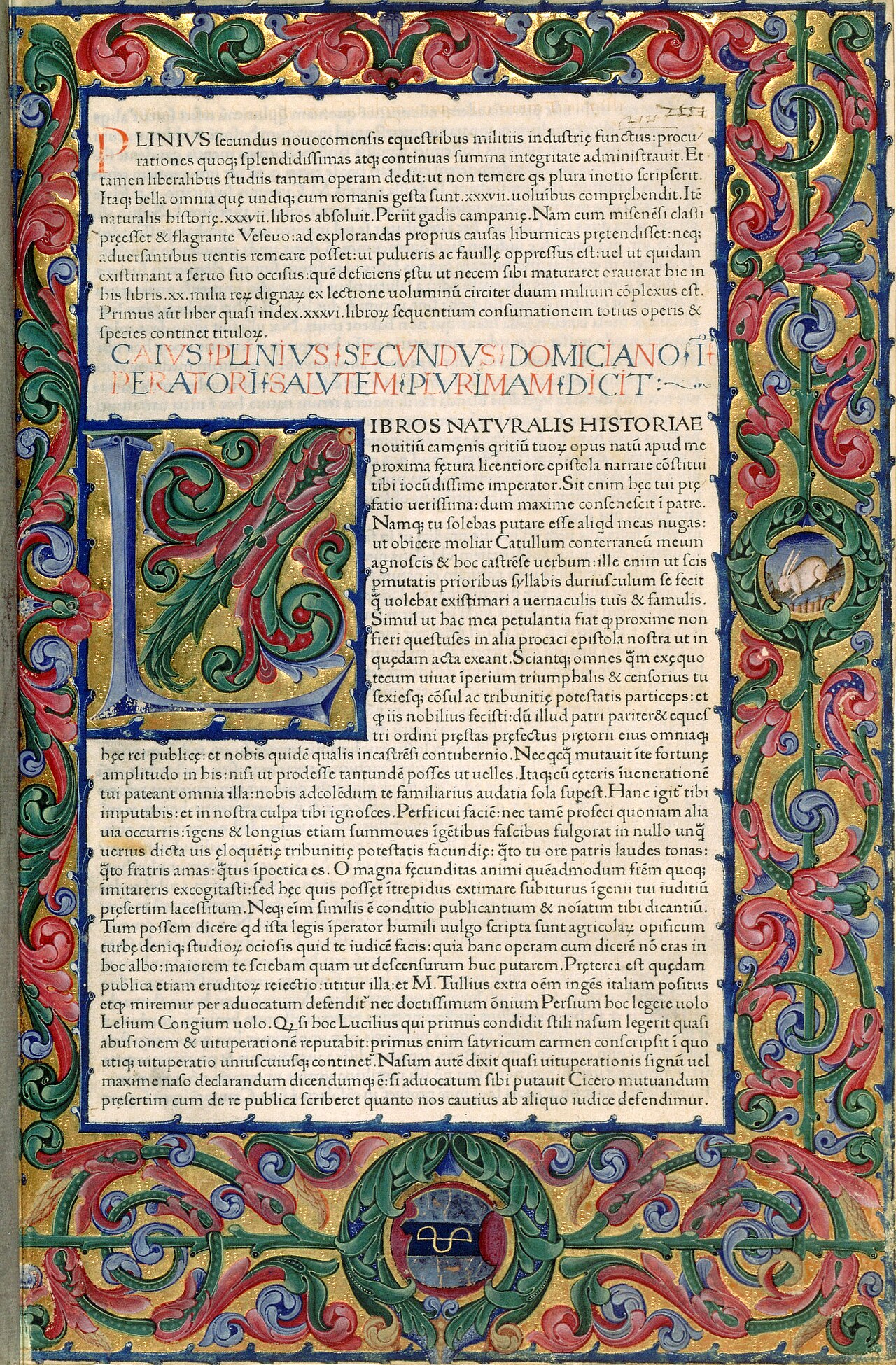
Histories
Herodotus · c. 440 BCE
 Book
Secondary source
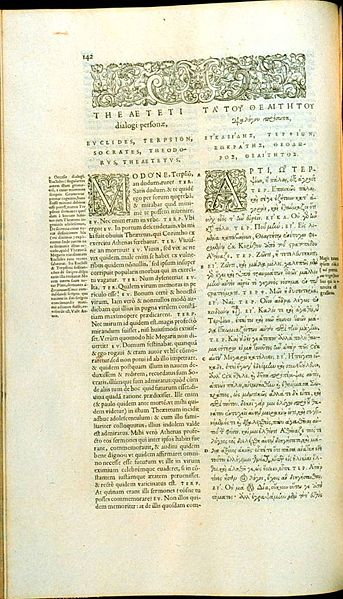
Theaetetus
Plato · early-to-middle 4th century BCE (this edition 1578)
 Book
Primary source
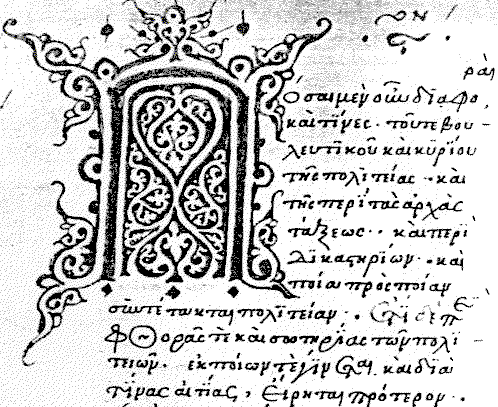
Politics
Aristotle · 4th century BCE


Free account
Read every Thales of Miletus source
Sign up free →
Ready when you are
Start chatting with Thales of Miletus now.
20 messages free · No credit card · Available in 50+ languages.